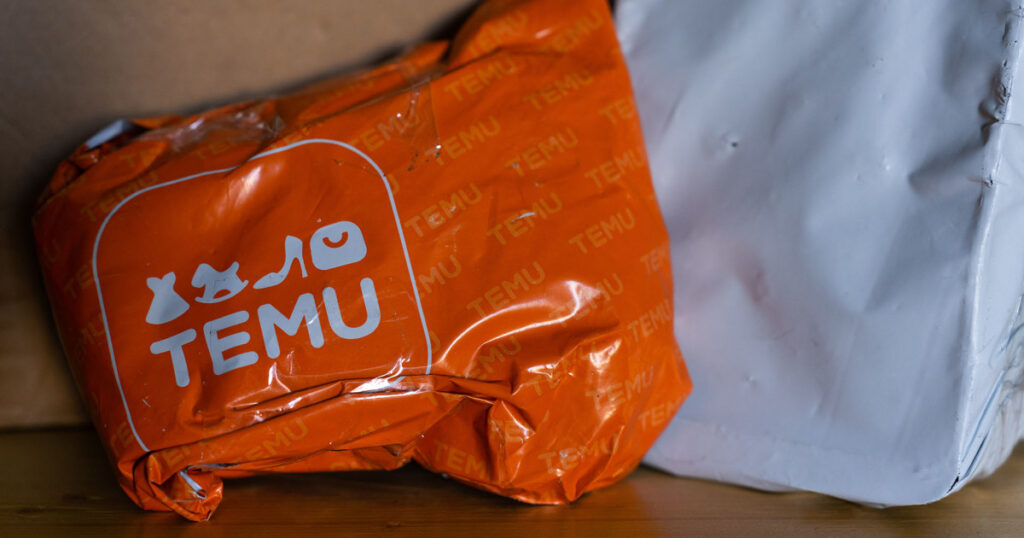
President Donald Trump has announced new tariffs on imports from several Asian nations, including a significant 34% levy on Chinese goods, marking a major shift in U.S. trade policy. The termination of the de minimis trade exemption, effective May 2, is part of a broader strategy to counter perceived unfair trade practices, with additional reciprocal taxes set to impact goods from approximately 90 countries. These measures have sparked concerns about potential global trade disruptions and retaliatory actions, prompting stakeholders to prepare for changes that could affect supply chains and economic stability.
Posts tagged as “Debate Clause of the United States Constitution”
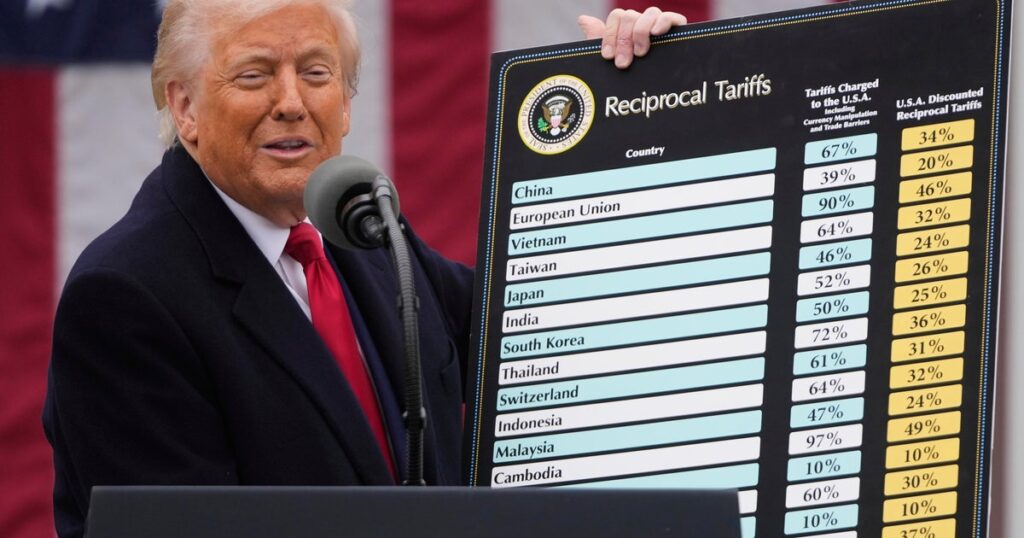
On April 2, President Donald Trump announced new tariffs, including a 10% universal tariff on imports and reciprocal tariffs targeting 60 trade partner countries, aiming to address trade imbalances. The announcement led to significant reactions in global markets, with declines in U.S. stock indexes and concerns about economic impacts, as companies reliant on global supply chains saw their stock values drop. The tariffs are expected to increase costs for U.S. importers like Walmart and Amazon, potentially leading to higher consumer prices and exacerbating financial strain amid existing inflationary pressures.
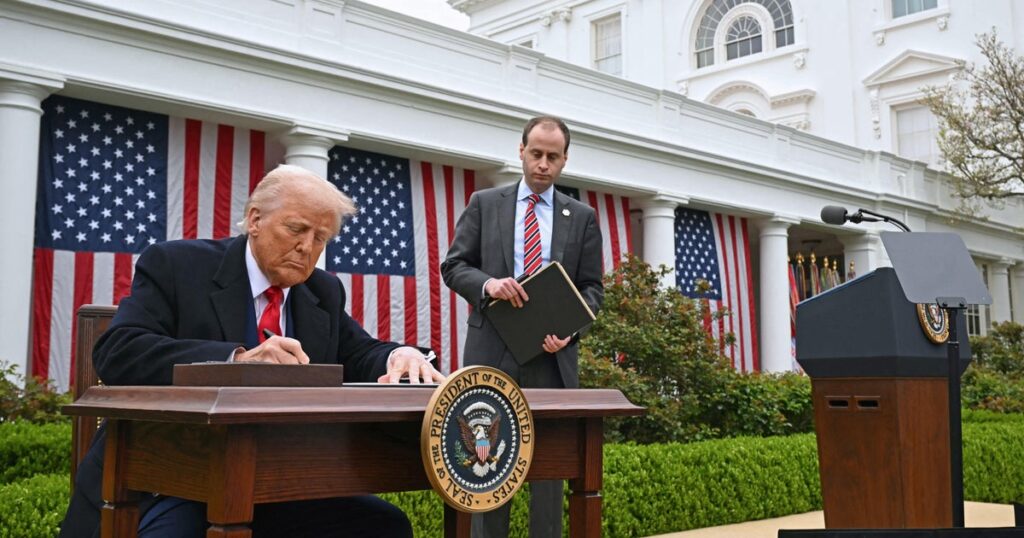
President Donald Trump announced new tariffs on imported goods, implementing a 10% baseline tariff on all foreign imports and higher reciprocal tariffs on countries that impose tariffs on U.S. exports. This marks a shift from his previous targeted approach, aiming to significantly alter the global trade landscape despite warnings of potential price increases. The administration's strategy, intended to address perceived unfair trade practices, risks retaliatory measures from affected countries and could lead to prolonged negotiations in global trade dynamics.

The Trump administration's increased scrutiny of foreign students participating in pro-Palestinian activities has led to the detention and visa revocation of several students at U.S. universities, raising concerns about First Amendment rights. This has sparked a debate over the balance between national security and individual rights, particularly following recent incidents at institutions like Tufts University and Columbia University. As universities express support for their international students, the situation underscores the tension between immigration policies and the rights to political expression, with broader implications for academic freedom and free speech in the U.S.
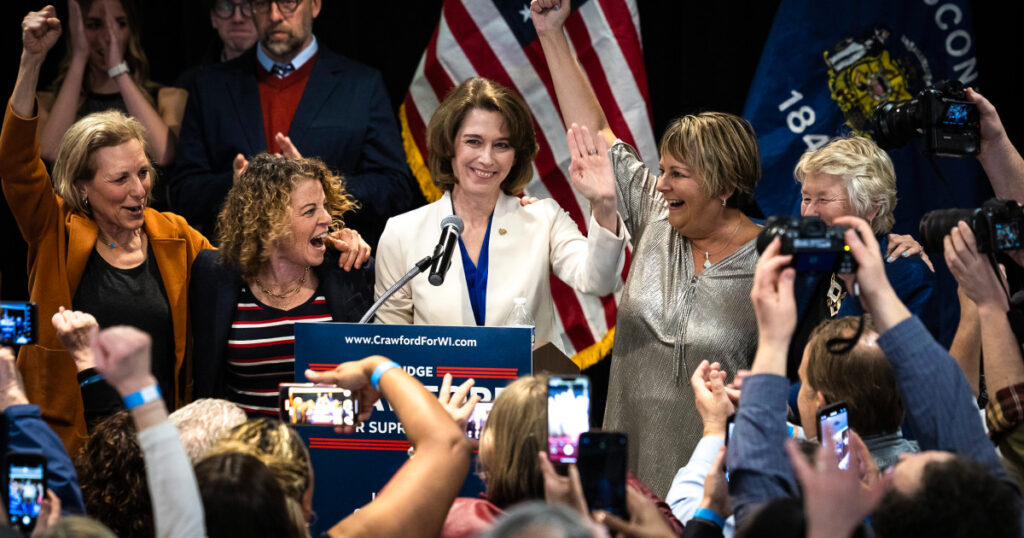
The Trump administration is rapidly advancing its agenda, often bypassing judicial checks and raising concerns about the erosion of legislative powers and due process. President Trump is set to announce a major expansion of trade barriers, introducing the largest set of new tariffs in decades, which will escalate the trade war and target sectors like imported cars and auto parts. Despite legal challenges, such as the U.S. District Judge dismissing a motion by the U.S. Institute of Peace, the administration continues to push forward, while other political and legal developments, including immigration policy disputes and campaign financing issues, highlight the complex landscape of U.S. politics.
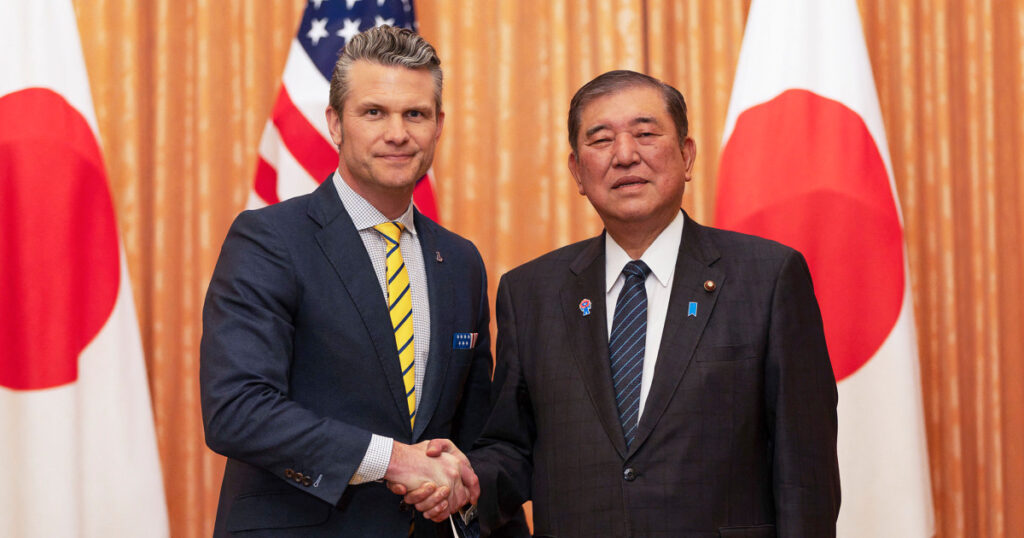
North Korea has criticized a recent agreement between Japan and the United States to co-produce air-to-air missiles, viewing it as part of a broader strategy by Washington to militarize Japan and increase regional security risks. This development, alongside China's announcement of large-scale military drills around Taiwan, underscores the heightened tensions in the region, with both North Korea and China perceiving these actions as threats to regional stability. As the geopolitical landscape becomes more complex, regional powers continue to grapple with issues of security and sovereignty, with Taiwan's pursuit of independence and the U.S.-Japan military collaboration adding to the discourse.

China's military conducted long-range, live-fire drills in the East China Sea, escalating its exercises around Taiwan as a warning against seeking formal independence. These drills, involving various branches of the military, coincide with heightened rhetoric from China against Taiwan's President Lai Ching-te and have drawn criticism from the United States, which is concerned about regional stability. The situation highlights ongoing tensions, with China asserting its claims over Taiwan while most Taiwanese citizens support maintaining their de-facto independence, prompting international observers to closely monitor the potential for conflict.

Denmark's Prime Minister, Mette Frederiksen, is visiting Greenland to strengthen ties with the territory's incoming government amid recent U.S. interest in the Arctic island. Greenland's new Prime Minister, Jens-Frederik Nielsen, views the visit positively, emphasizing Denmark's role as Greenland's closest partner. The visit, following a cool reception to a recent U.S. delegation, aims to reinforce the longstanding partnership and address topics like economic cooperation, climate change, and regional security.