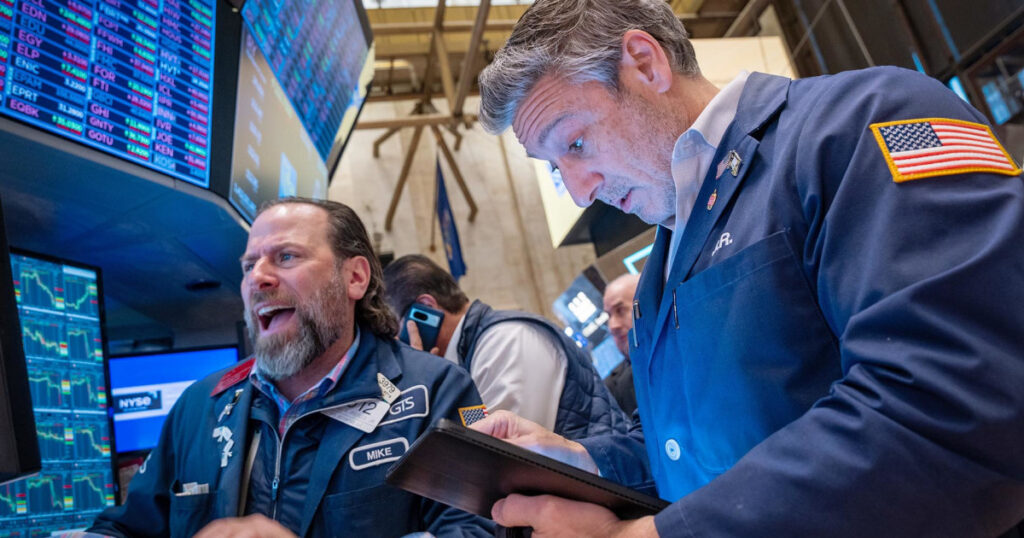
President Trump announced new tariffs on imports from around 90 countries, including a universal 10% tax and additional specific tariffs for certain nations, raising concerns about a global trade war. The tariffs have strained international relationships and contributed to economic uncertainty, particularly affecting countries like China with higher levies. Financial markets have reacted negatively, with significant declines in major indices such as the Russell 2000 and S&P 500, as investors and economists monitor the potential long-term impacts on global trade and economic stability.
Posts tagged as “Debate Clause of the United States Constitution”

In a significant escalation of trade tensions, China has announced a 34% tariff on U.S. imports, effective April 10, following a similar move by the United States under President Donald Trump. The U.S. tariffs were introduced as a response to what the administration describes as unfair trade practices by China, including currency manipulation and existing trade barriers. This reciprocal imposition of tariffs has heightened concerns about global economic stability, as both nations play pivotal roles in international trade, highlighting the complexities of achieving balanced trade agreements.

Christy and Paul Akeo, a couple from Spring Arbor, Michigan, were detained in Mexico for nearly a month due to a dispute over a timeshare with Palace Elite Resorts but have since been released following a settlement. The case, which unfolded in Quintana Roo, was described by the Akeos' family as a "kidnapping and extortion attempt," and drew attention from Michigan Representative Tom Barrett. After a judge dismissed the criminal charges, the couple returned to Lansing, Michigan, highlighting the complexities of international legal issues and the importance of understanding local laws when engaging in financial agreements abroad.
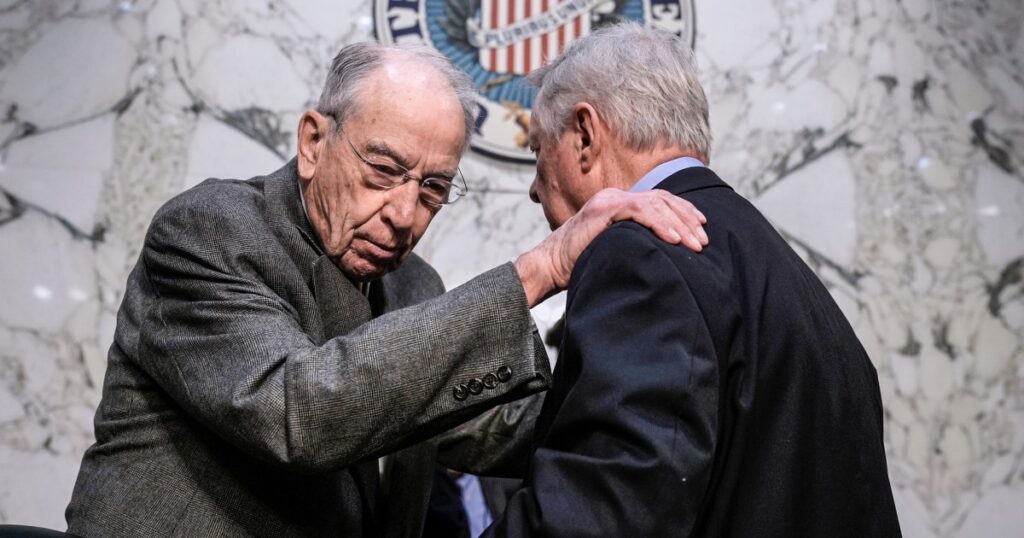
Lawmakers from both major U.S. political parties are actively working to address President Donald Trump's recent tariffs, with many Republicans joining Democrats in opposition due to concerns about their impact on the economy and global trade relationships. Critics argue that the tariffs represent a significant shift toward protectionist policies, potentially undermining established trade systems and echoing economic practices from the late 19th and early 20th centuries. In response, Congress is considering legislative measures to limit the executive branch's authority over such policies, highlighting bipartisan concern over the long-term consequences for domestic and international economic stability.

A legal dispute has arisen involving Rümeysa Öztürk, a Turkish doctoral student at Tufts University, who was detained by ICE and transferred to a detention center in Louisiana, despite a federal judge's order for her to remain in Massachusetts. Tufts University has publicly supported Öztürk and petitioned for her release, highlighting tensions over the treatment of foreign students in the U.S. A hearing in the U.S. District Court for Massachusetts will examine the legality of her detention and transfer, with potential implications for immigration enforcement and international students.
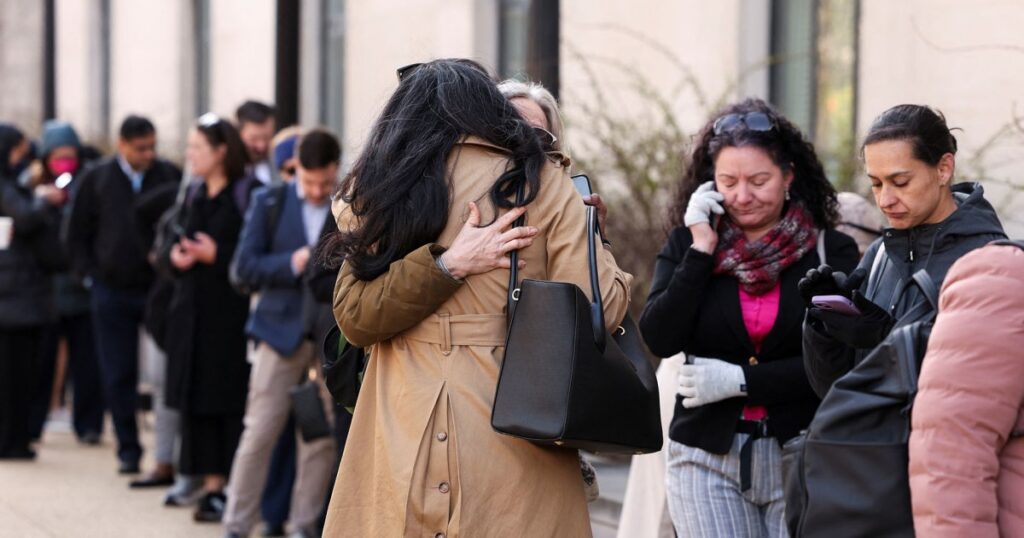
In March, the United States saw a significant rise in announced layoffs, primarily due to federal workforce reductions led by the Department of Government Efficiency under Elon Musk, with approximately 280,253 layoffs announced over two months. This initiative aims to cut government spending and enhance operational efficiency, sparking debates about the balance between cost-cutting and maintaining essential services. As the nation continues to recover from the pandemic's economic impact, the long-term effects of these layoffs on public sector operations and employee morale remain uncertain.

Kilmar Abrego Garcia, a 29-year-old Maryland resident, was mistakenly deported to El Salvador and is currently held in a maximum-security prison, despite having been granted protection from deportation in 2019 due to potential dangers he might face there. This administrative error by the Trump administration has led to legal action and significant concern from his family, particularly affecting his young son who misses his father deeply. As legal proceedings unfold, Abrego Garcia's family and legal team are working to correct the mistake and highlight the broader issues and complexities within the U.S. immigration system.
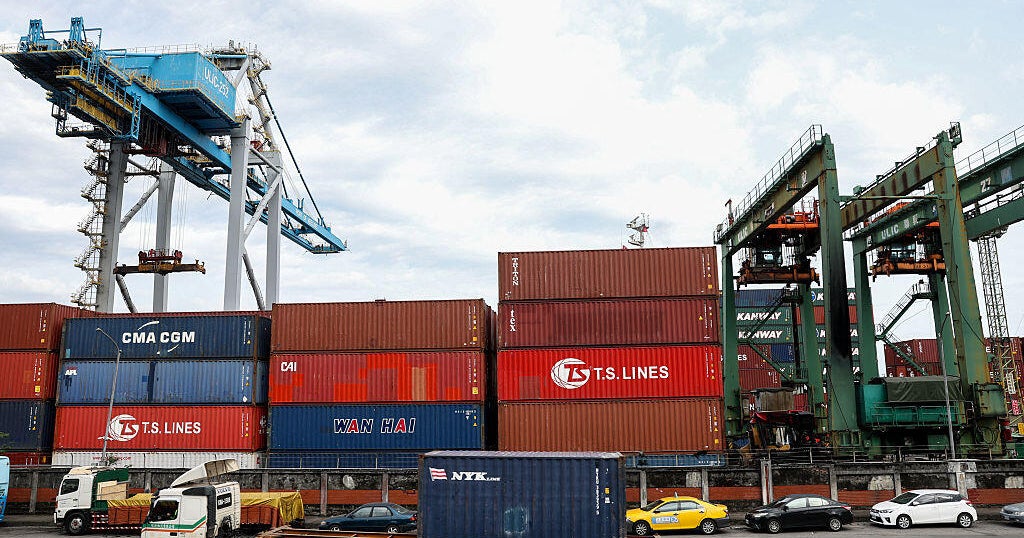
Global stock markets and oil prices fell sharply as investors sought safer assets following President Donald Trump's announcement of new U.S. trade tariffs, raising fears of a global recession. The tariffs, including a 10% baseline levy and additional reciprocal tariffs, particularly target Asian nations like China, which faces a 34% levy, prompting China to plan countermeasures. The tariffs have caused market fluctuations in Europe and sparked a global debate on the future of international trade, as approximately 90 countries will face additional taxes starting April 9.