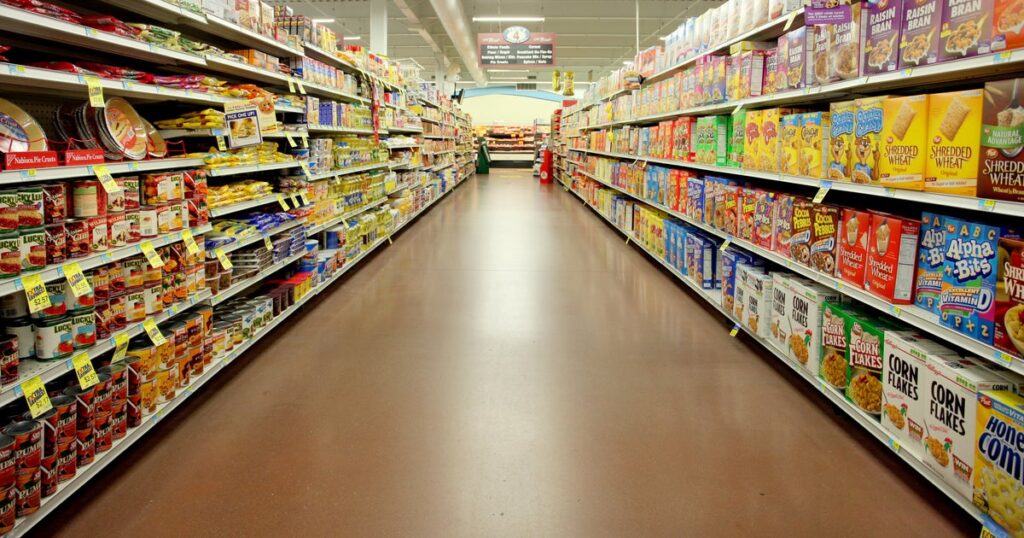
In March, the United States saw a slowdown in consumer price growth, with the Consumer Price Index rising by 2.4% annually, down from February's 2.8%, reflecting progress in the Federal Reserve's inflation reduction efforts. A significant drop in fuel prices, particularly gasoline, contributed to easing inflationary pressures, providing relief to consumers and supporting the trend of slowing inflation. The core inflation measure, excluding food and energy, rose by 2.8% over the past year, marking the smallest increase since March 2021, suggesting stabilizing underlying price pressures and offering optimism for policymakers.
Posts tagged as “Debate Clause of the United States Constitution”

Ksenia Karelina, a dual U.S.-Russian national previously imprisoned in Russia on treason charges, has been released and is returning to the United States, as announced by U.S. Secretary of State Marco Rubio. Her release, reportedly part of a prisoner swap between the U.S. and Russia, underscores ongoing diplomatic negotiations concerning individuals detained on espionage or treason charges. Karelina's case highlights the complexities of international legal and diplomatic proceedings, particularly for dual nationals caught in geopolitical tensions.

President Donald Trump's tariff policy is set to impact electronic device pricing, particularly Apple iPhones, as new tariffs on foreign nations are introduced, though they have been postponed for 90 days except for Chinese imports. The announcement has caused financial market volatility, with the S&P 500 index experiencing a significant rise due to the temporary pause in higher tariff rates for several trading partners, while a baseline 10% tariff remains. The White House's decision to impose a 104% tariff on all Chinese goods, potentially raising consumer prices, underscores the administration's focus on addressing trade issues with China, prompting concerns about increased costs and supply chain disruptions.
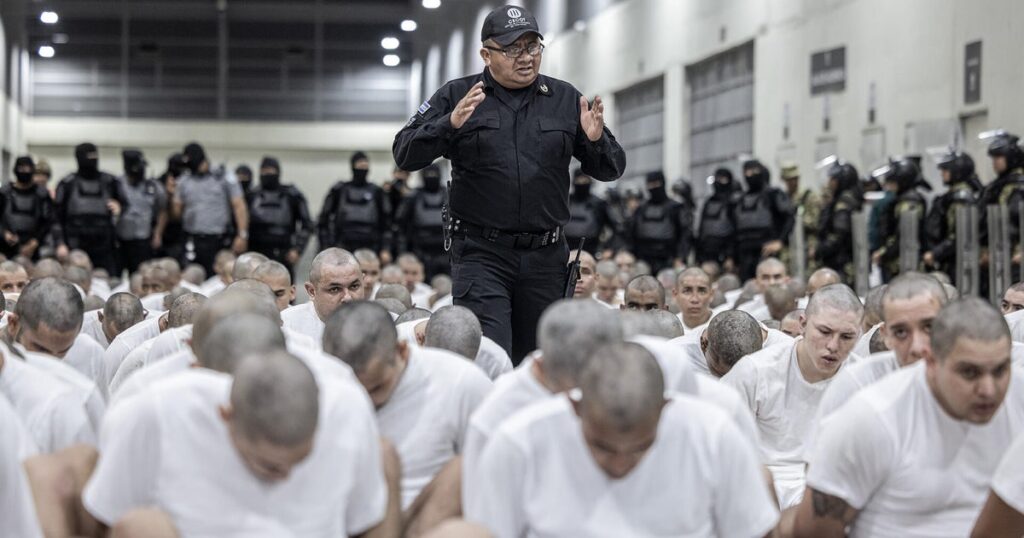
Federal judges in New York and Texas have temporarily blocked the deportation of Venezuelan nationals under the Trump administration's use of the Alien Enemies Act, challenging efforts to expedite their removal. In New York, Judge Alvin Hellerstein granted relief to two Venezuelan men, emphasizing judicial scrutiny over the administration's immigration policies. Meanwhile, the White House faces controversy over potential plans to transfer U.S. citizens convicted of crimes to El Salvador, highlighting broader debates on criminal justice and international cooperation.
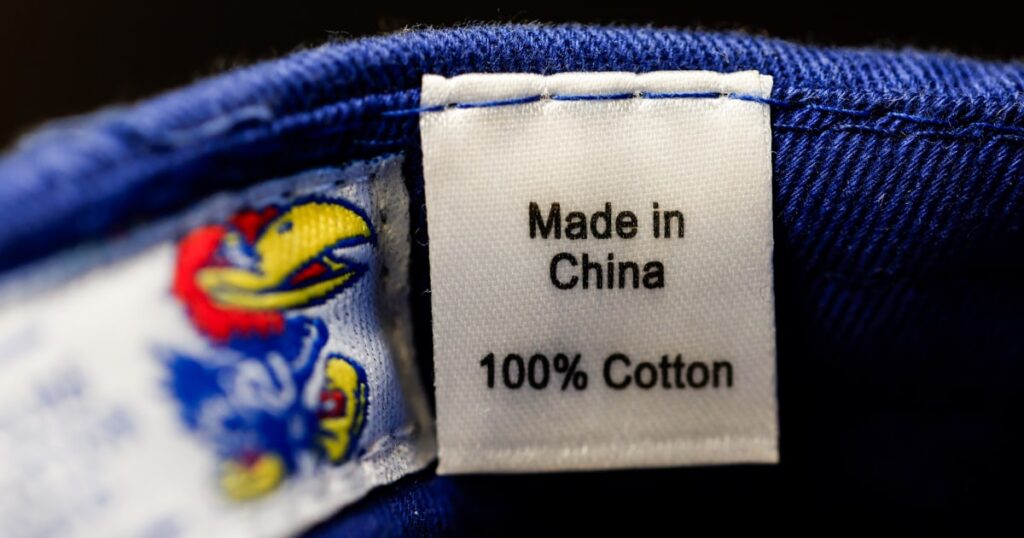
China has retaliated against the United States by increasing tariffs on U.S. goods to 84% following President Donald Trump's imposition of a 104% tariff on Chinese imports, escalating trade tensions between the two nations. While China is committed to a firm stance in the trade conflict, the European Union is opting for a more measured approach, criticizing the U.S. tariffs as "unjustified and damaging" but still deliberating on a collective response. These differing strategies highlight the varied international reactions to U.S. trade policies, with the global community closely watching the potential impacts on trade dynamics and economic stability.

A significant measles outbreak in West Texas has resulted in over 500 confirmed cases, primarily affecting unvaccinated children and teenagers across 22 counties, with Lubbock seeing a notable increase. Dr. Peter Marks has stressed the critical need for vaccination, warning that failing to achieve a 90% vaccination rate nationwide would be a public health failure. Texas health officials are actively working to contain the outbreak, which has already resulted in at least one fatality, by urging parents to vaccinate their children to prevent further spread of the disease.
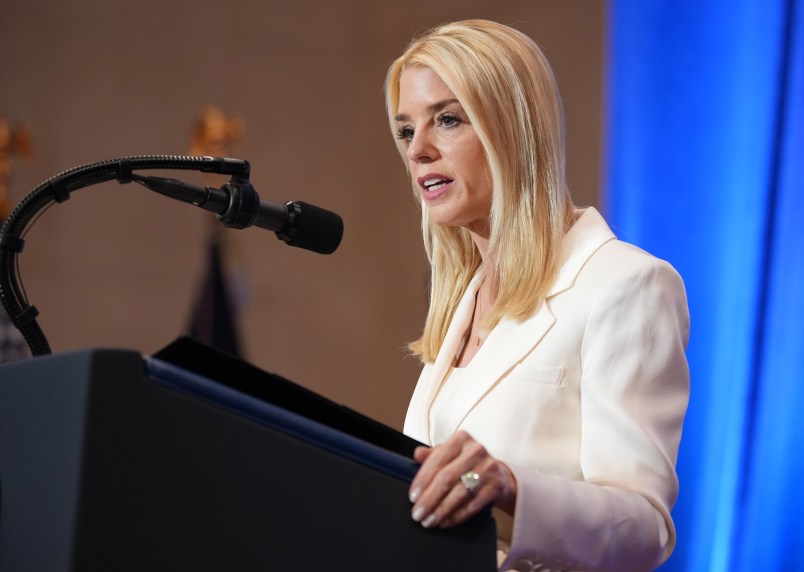
The NBC News Politics Desk's latest evening newsletter provides an overview of the current U.S. political landscape, focusing on President Donald Trump's tariff plans, legislative efforts, and internal Republican Party dynamics. It highlights House Speaker Mike Johnson's controversial stance on federal courts and the potential impeachment of judges, reflecting efforts to unify House Republicans. Additionally, the newsletter discusses the recent Wisconsin election's support for voter ID policies and the economic debates surrounding Trump's tariffs, offering insights into the intersection of politics and economic policy.
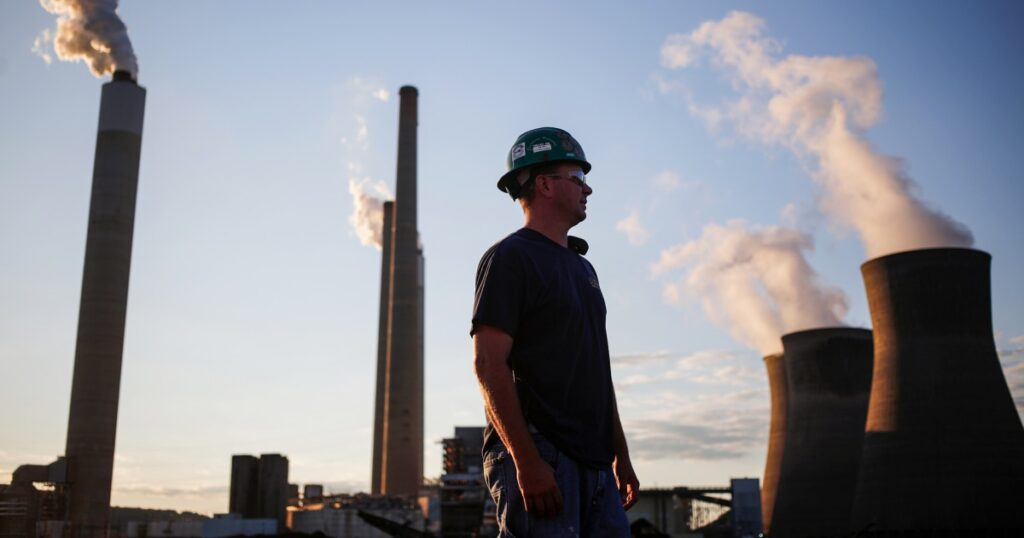
President Donald Trump signed a series of executive orders aimed at revitalizing the U.S. coal industry by relaxing restrictions on coal mining, leasing, and exports, with the goal of meeting the energy demands of AI data centers. The administration emphasized its commitment to supporting the coal industry, highlighting the importance of coal-related jobs, despite international efforts to reduce reliance on coal due to its significant contribution to greenhouse gas emissions. Additionally, Trump mentioned exploring legal avenues to prevent the closure of coal plants, aligning with his broader strategy to support the coal industry and its workforce.