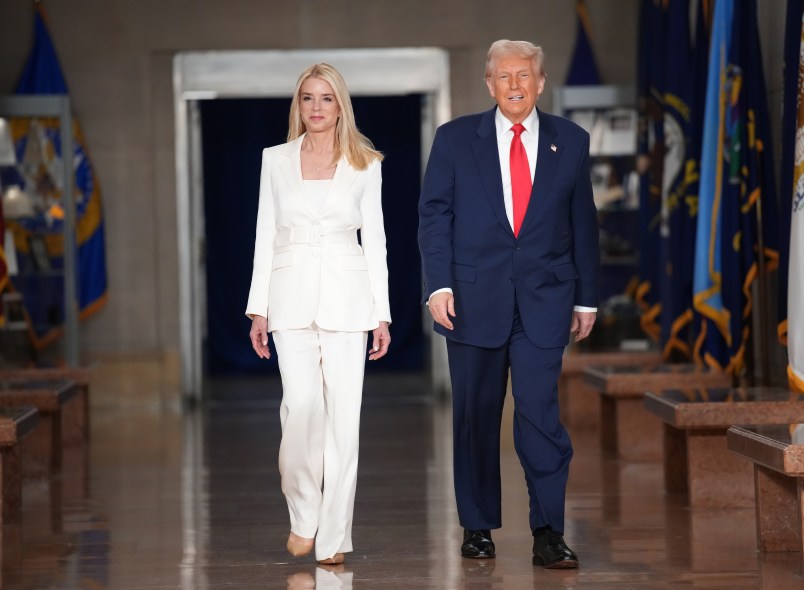
The U.S. Supreme Court has ordered the Trump administration to facilitate the return of Kilmar Abrego Garcia, who was mistakenly deported to El Salvador, emphasizing the need for immediate action to rectify the situation. U.S. District Judge Paula Xinis has mandated a status update from the administration, requiring details on Garcia's location, custodial status, and the steps taken to ensure his return. This case highlights the complexities of immigration enforcement, underscoring the importance of legal protocols and careful oversight to prevent wrongful deportations.
Posts tagged as “Debate Clause of the United States Constitution”
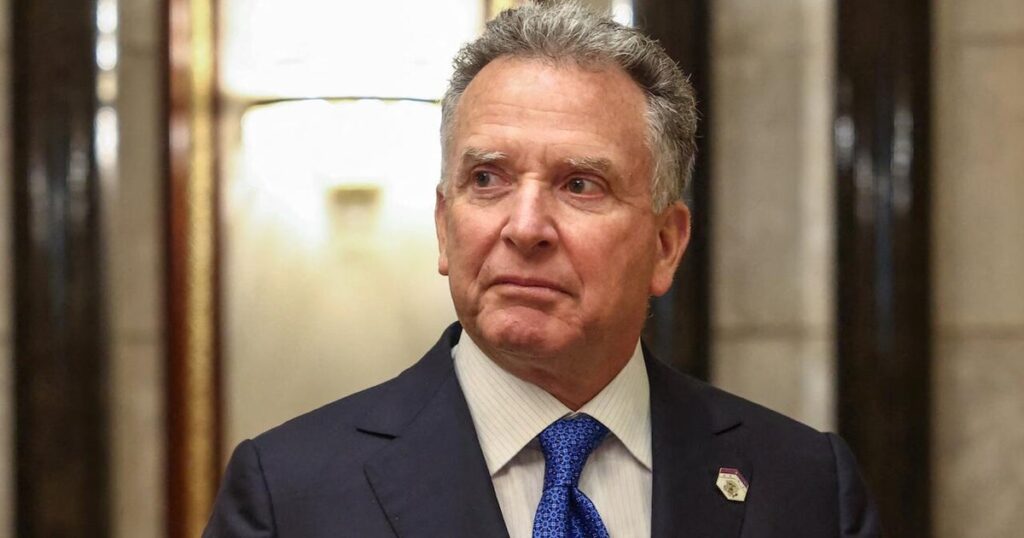
In a recent U.S.-Russia prisoner exchange, dual national Ksenia Karelina, a former ballerina sentenced to 12 years in a Russian penal colony for allegedly supporting Ukraine's military, returned to the United States. The exchange involved Arthur Petrov, accused of forming a global smuggling spy ring, though details of his activities remain undisclosed. Facilitated by U.S. special envoy Steve Witkoff, this exchange underscores the complexities of diplomatic negotiations and marks a significant moment in U.S.-Russia relations.
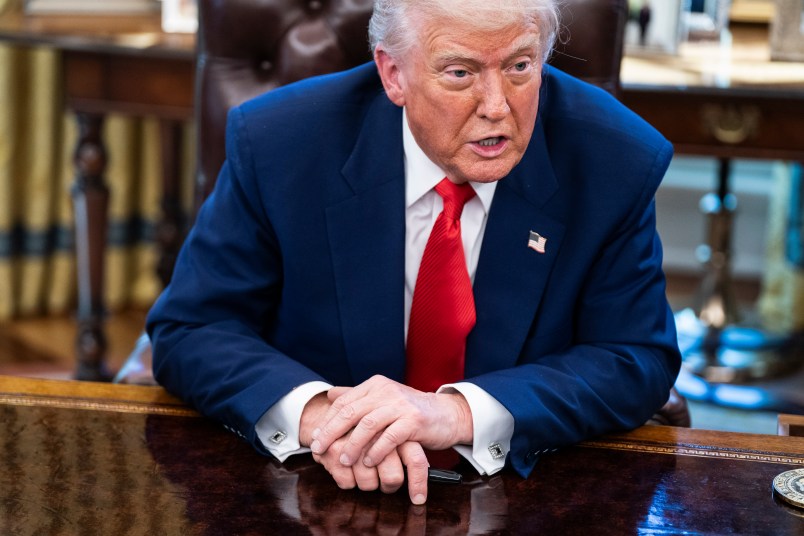
President Donald Trump has issued executive orders for investigations into former officials Chris Krebs and Miles Taylor, raising concerns among current CISA employees about internal pressures from the administration. Krebs, dismissed for refuting election fraud claims, and Taylor, known for his critical op-ed, are perceived as targets of retaliation. This situation has created unease and uncertainty within CISA, impacting morale and highlighting tensions between the administration and former officials.

The Supreme Court has ruled that the Trump administration must facilitate the release of Kilmer Abrego Garcia, who was mistakenly deported to a labor camp in El Salvador, although it did not specify the exact measures required for his release. The decision partially grants an emergency request from the Justice Department but leaves ambiguity regarding the government's obligations, as a lower court must clarify the term "facilitate." This ruling underscores the importance of proper legal procedures in deportation cases and highlights the judicial system's role in protecting individuals' rights internationally.

The Supreme Court issued a decision regarding Kilmar Abrego Garcia, a Maryland resident mistakenly deported to El Salvador, mandating the Trump administration to facilitate his release from custody there. The court's ruling requires additional proceedings in a federal district court to ensure Garcia's case is handled as if he had not been deported, partly granting and partly rejecting the Justice Department's emergency request. While the decision does not mandate Garcia's immediate return to the U.S., it emphasizes the administration's duty to provide information on their efforts to address the situation, highlighting the complexities of immigration and deportation cases.

The Trump administration has submitted a memorandum to a Louisiana immigration court, citing national security concerns to justify the deportation of Mahmoud Khalil, a Columbia University student involved in protests against U.S. foreign policy. The legal argument is based on a provision in the Immigration and Nationality Act of 1952, which allows for the deportation of noncitizens deemed detrimental to national foreign policy interests. The case has garnered attention due to its unusual legal basis and potential implications for student activists and noncitizens engaged in political protests, possibly setting a precedent for future cases at the intersection of immigration law and national security.
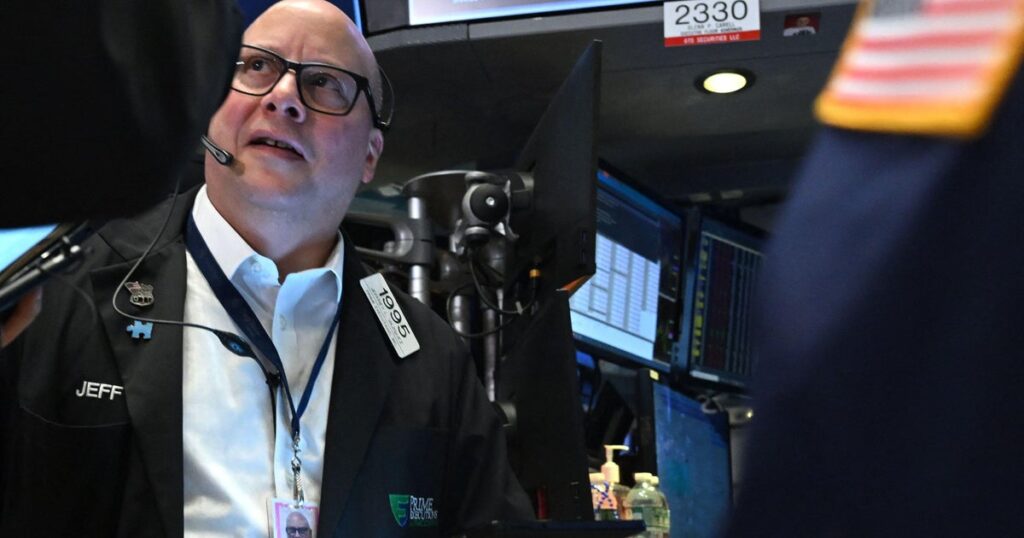
Recent market volatility has been significantly influenced by President Donald Trump's unpredictable policy decisions, leading to investor concerns about the sustainability of future market rallies. The situation has been exacerbated by China's announcement of additional countermeasures in response to the U.S. imposing a higher-than-expected tax on Chinese imports, which has accelerated stock market losses and affected the bond market. UBS strategist Bhanu Baweja and other analysts highlight the ongoing trade war as a threat to the economy, with recent fluctuations partially reversing historic stock gains and contributing to broader economic uncertainty.
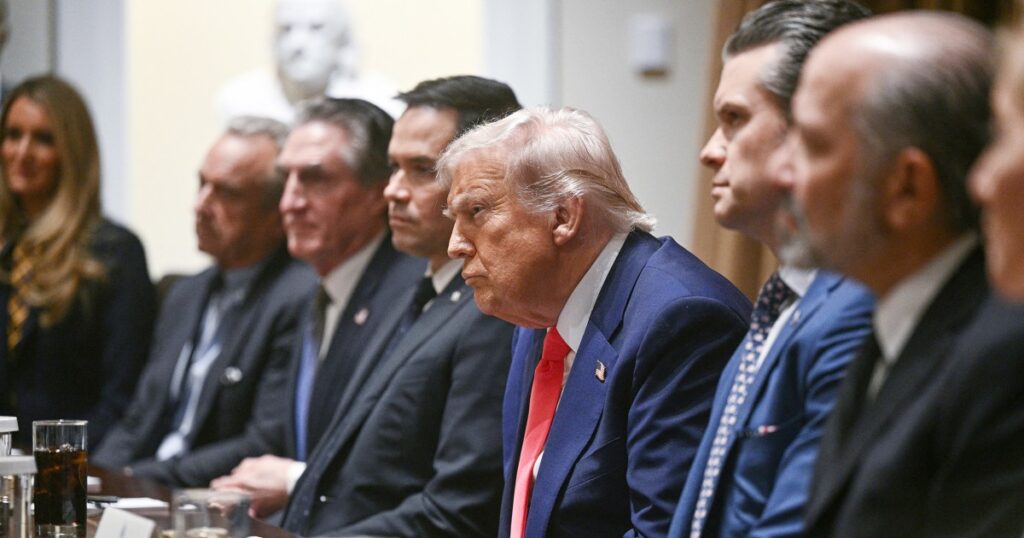
During a Cabinet meeting, President Donald Trump addressed the escalating trade tensions with China, highlighting the administration's decision to increase tariffs on Chinese goods to 145%, which has led to market volatility. Despite the fluctuations, Trump expressed confidence in reaching favorable trade resolutions with various countries within 90 days, aiming to stabilize the economic landscape through strategic negotiations. Treasury Secretary Scott Bessent provided context on market movements, suggesting they are part of broader economic dynamics, while critics voiced concerns about potential inflation and the need for sustained policy efforts.