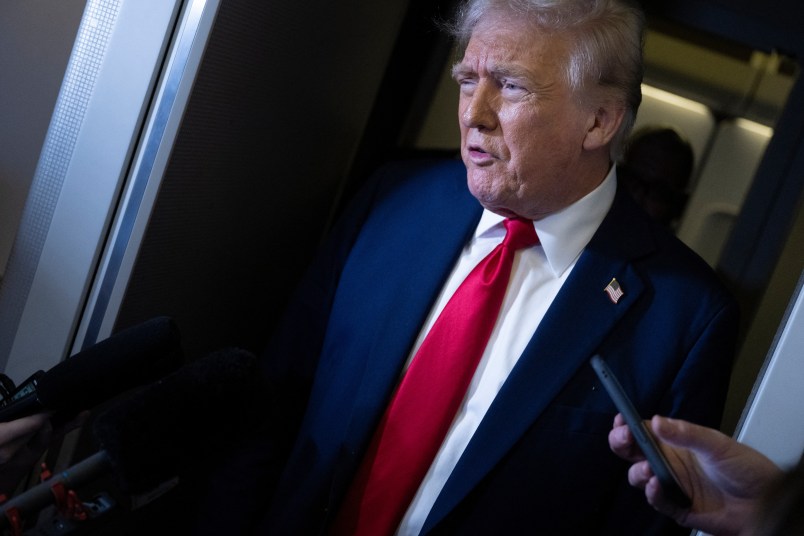
Two federal judges in Washington, D.C., have blocked key parts of executive orders issued by former President Trump, which targeted major U.S. law firms like WilmerHale and Jenner & Block. The judges, Richard Leon and John Bates, highlighted concerns about the retaliatory nature of these orders and the broader implications for the legal community. These rulings emphasize the judiciary's role in checking executive power and reflect ongoing tensions regarding Trump's attempts to influence independent institutions.
Posts tagged as “D.C.”
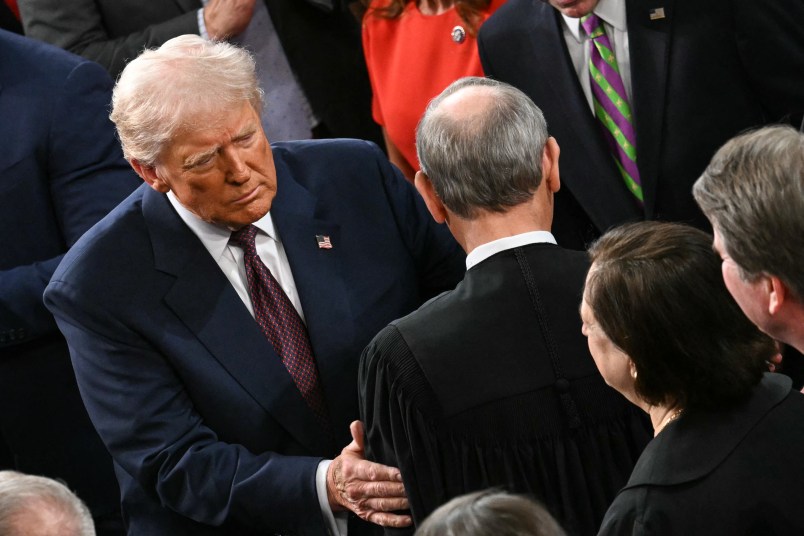
A federal appeals court in Washington, D.C., has permitted the Trump administration to proceed with the dismissal of certain members from the National Labor Relations Board and the Merit Systems Protection Board, overturning a previous district court decision that blocked these removals. The case, involving the removal of Gwynne Wilcox and Cathy Harris, is part of broader legal challenges against the administration's policies, including a separate request to the Supreme Court to lift a block on the deportations of Venezuelan detainees. The district court has extended its restraining order until at least April 12, underscoring the ongoing legal battles over the administration's efforts to enforce its board dismissals and deportation policies.
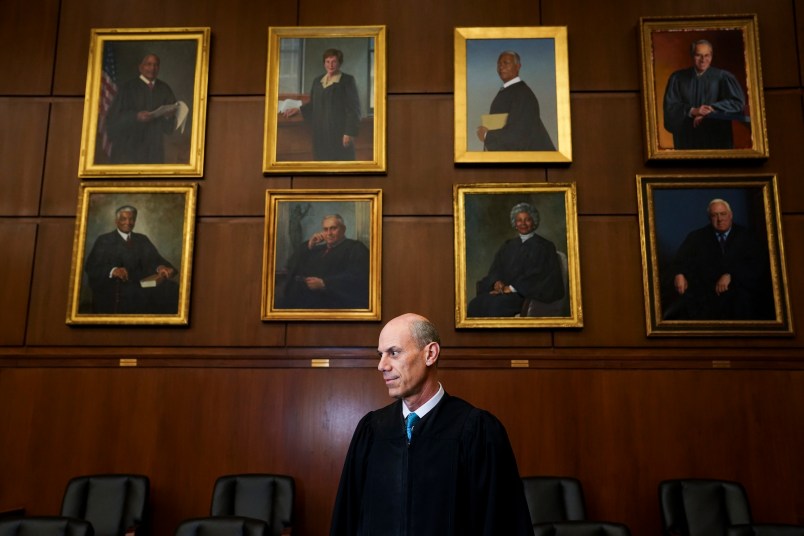
Federal employees from various government agencies have filed a class action complaint against the Trump administration, alleging unlawful termination related to diversity, equity, and inclusion (DEI) activities, which they claim were targeted under an executive order issued by former President Donald Trump. The U.S. Merit Systems Protection Board will review the case to determine if the administration's actions violated federal employees' rights. This legal action coincides with another significant case involving the Trump administration, examining potential violations of a judicial order blocking deportations, both of which could impact the understanding of executive authority and employee rights.
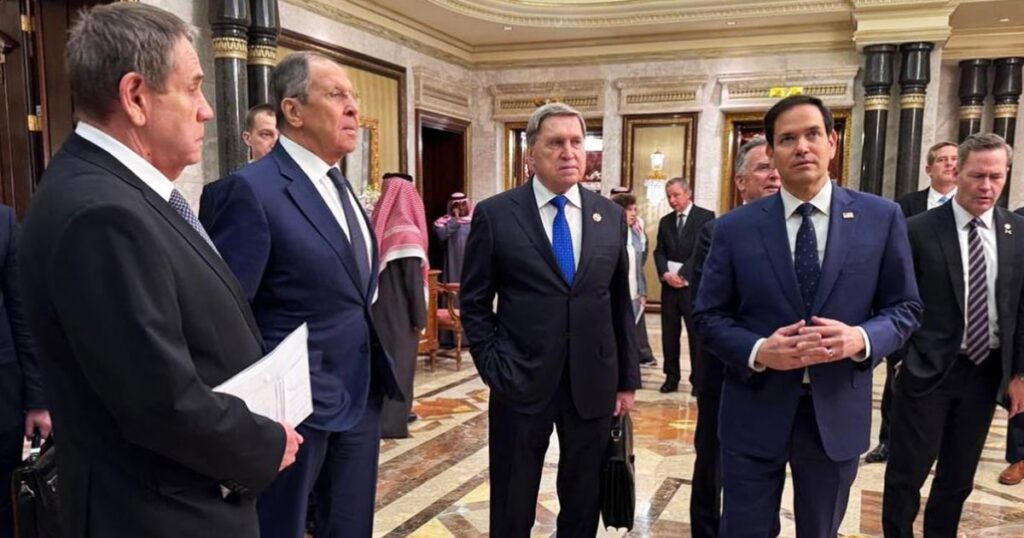
The anticipated joint statement from the United States and Russia regarding a potential ceasefire in Ukraine was not released, as Russian officials continued to review details from recent talks held in Saudi Arabia. These discussions aimed to establish a maritime ceasefire in the Black Sea, but despite initial optimism from the U.S. team, no written agreement was reached. The absence of a formal agreement highlights the ongoing complexities and challenges in achieving a diplomatic resolution to the conflict, as Russian military operations in Ukraine persist.
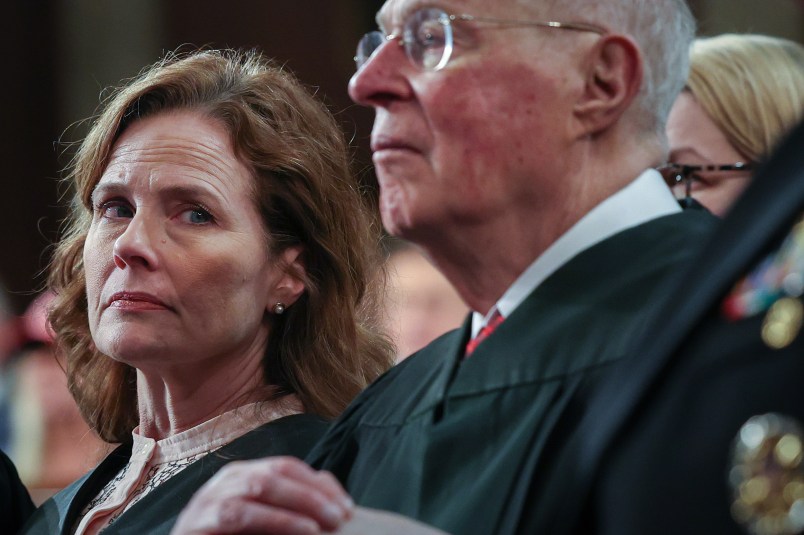
U.S. District Judge James Boasberg has temporarily blocked the Trump administration's attempt to deport migrants using a rarely used wartime law, leading to significant backlash from President Trump and his supporters, who have called for his impeachment. Despite the criticism, Boasberg, a bipartisan appointee with a long-standing career, is seen as asserting judicial independence amidst political tensions over immigration enforcement. The situation has escalated with personal attacks on Boasberg and his family, highlighting the contentious political climate and ongoing tensions between the Trump administration and the federal judiciary.
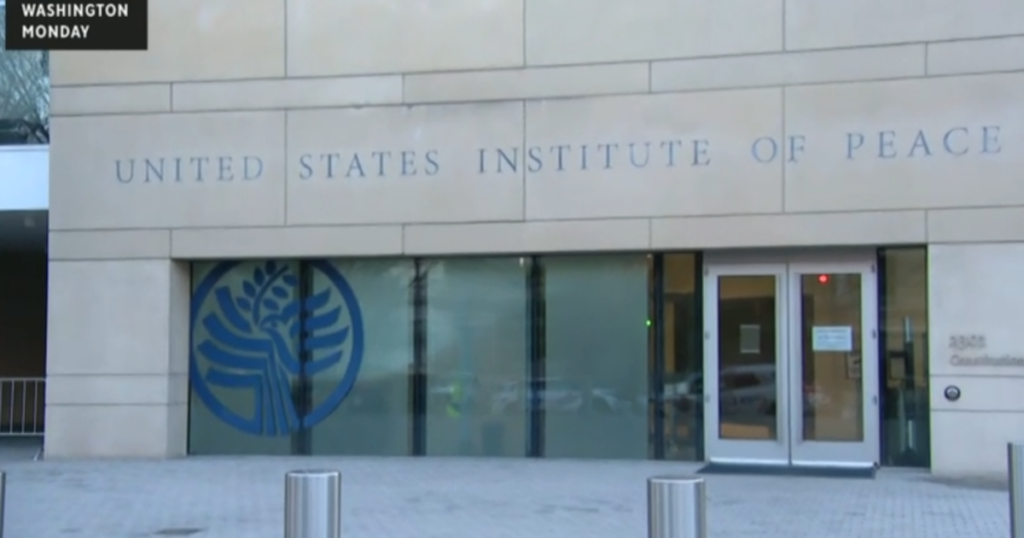
Recent developments at the U.S. Institute of Peace have revealed complex issues involving power dynamics and governance, following the involvement of the DC Metropolitan Police Department and the alleged new directors. U.S. District Judge Beryl Howell is considering nullifying the removal of board members after the White House Presidential Personnel Office issued termination notices, amid broader challenges to the White House Department of Government Efficiency's attempts to control the nonprofit. Despite ongoing legal challenges, a federal judge has declined to halt the White House's takeover efforts, drawing attention to potential abuses of power and raising questions about the Institute's governance.
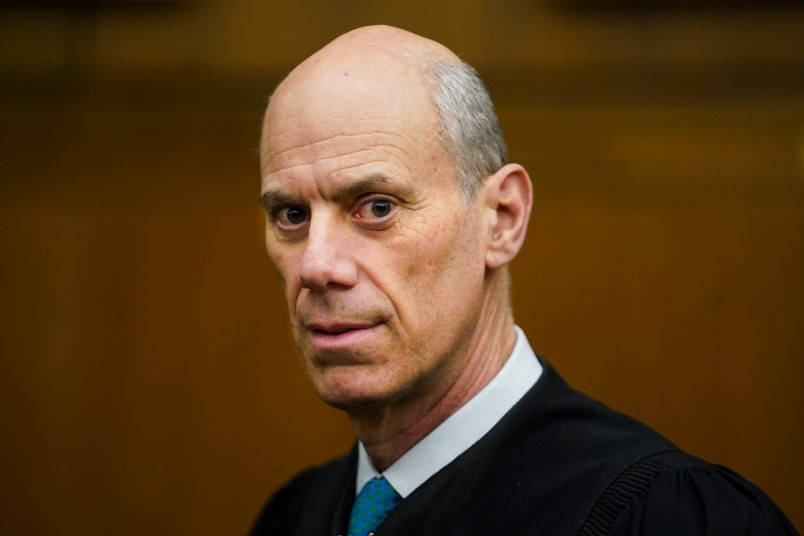
Tensions have risen between the U.S. Department of Justice and D.C. District Chief Judge James Boasberg over the disclosure of details about deportation flights conducted under the Trump administration's Alien Enemies Act. Judge Boasberg has requested specific information to assess compliance with a previous order, while the Justice Department argues that such demands interfere with executive functions and may invoke the state secrets privilege to withhold sensitive information. This legal dispute underscores the broader conflict between judicial oversight and executive authority in immigration enforcement, with potential implications for future interactions between these branches of government.
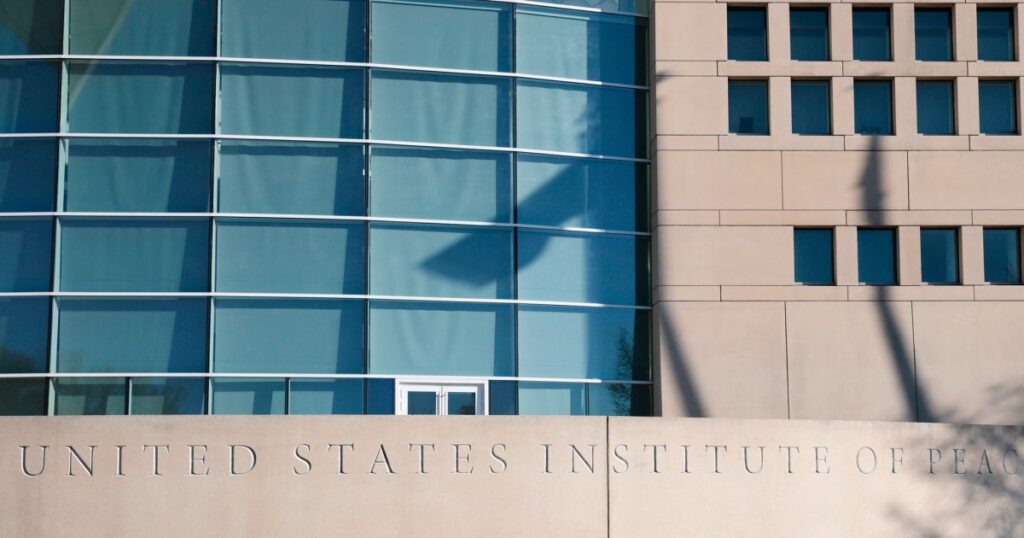
The United States Institute of Peace (USIP) has filed a lawsuit in federal court to prevent its forced shutdown, alleging a "takeover by force" involving the Department of Government Efficiency, the FBI, the Justice Department, and local police. The lawsuit names high-profile defendants, including Kenneth Jackson, Secretary of State Marco Rubio, and former President Donald Trump, accusing the Trump administration of attempting to unlawfully dismiss USIP President George Moose to exert undue influence over the organization. As the USIP seeks legal protection to continue its operations, the case underscores tensions between governmental bodies and independent organizations, with potential implications for the governance of similar entities.