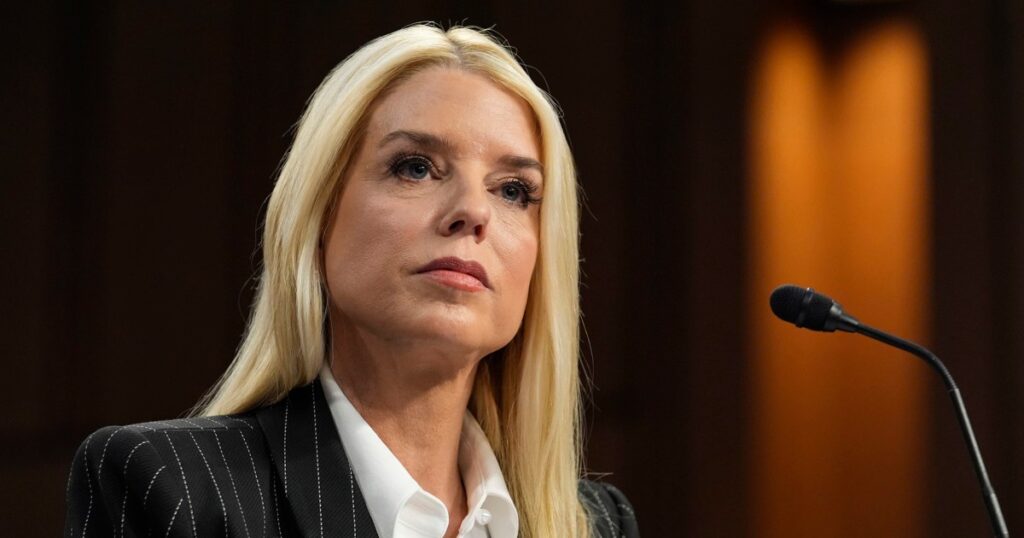
The Trump administration has demanded changes in Columbia University's operations as a condition for restoring $400 million in federal funding, with a compliance deadline set for March 20. This action is part of a broader pattern of the administration's interventions in private institutions, drawing criticism for its perceived authoritarian approach. The situation highlights the administration's strategy of using federal funding as leverage, while Columbia University considers its response to the ultimatum.
Posts tagged as “Columbia University Irving Medical Center”
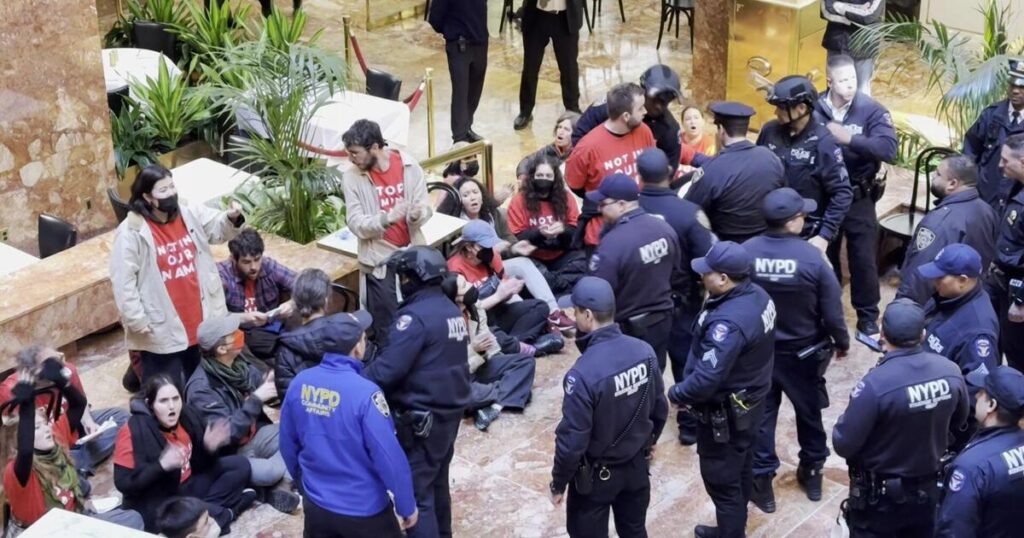
On March 13, 2025, a protest organized by Jewish Voice for Peace took place at Trump Tower in Manhattan, demanding the release of Mahmoud Khalil, a Palestinian activist and Columbia University graduate student detained by ICE. Demonstrators, wearing red T-shirts and chanting "Free Mahmoud," staged a sit-in within the building's lobby, drawing significant attention to Khalil's situation. The protest, which resulted in several arrests by the NYPD, is part of a larger movement advocating for activists' and immigrants' rights, highlighting ongoing debates about immigration enforcement in the United States.
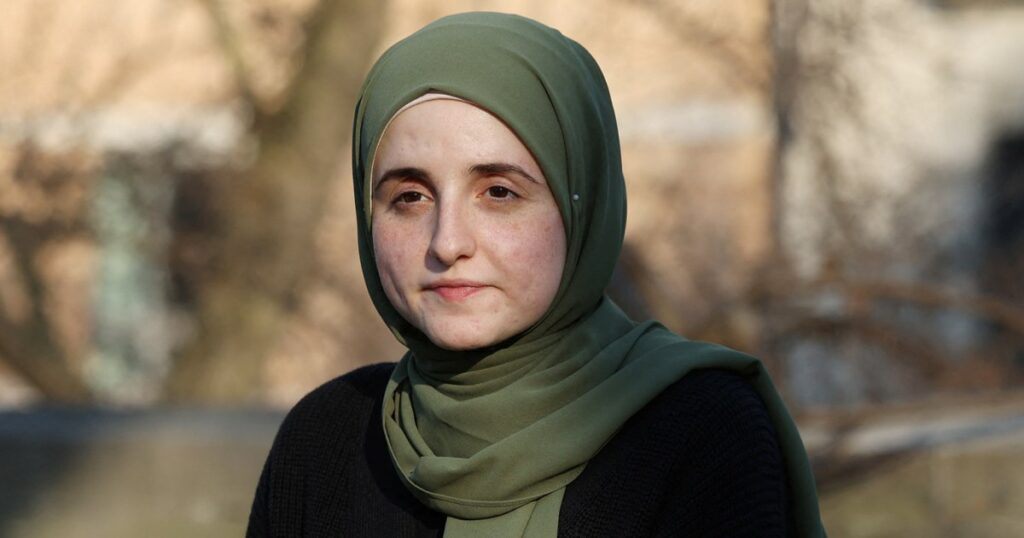
Mahmoud Khalil, a Syrian-origin green card holder and former Columbia University student, was arrested by ICE agents in New York, sparking a debate about the rights of permanent residents in the U.S. His involvement in pro-Palestinian protests has brought his immigration status under scrutiny, raising concerns about the consequences for permanent residents engaging in political activism. The case highlights the complexities faced by lawful U.S. residents participating in politically sensitive activities and may set a precedent for how similar situations are handled, impacting the rights of green card holders to engage in activism without fear of deportation.
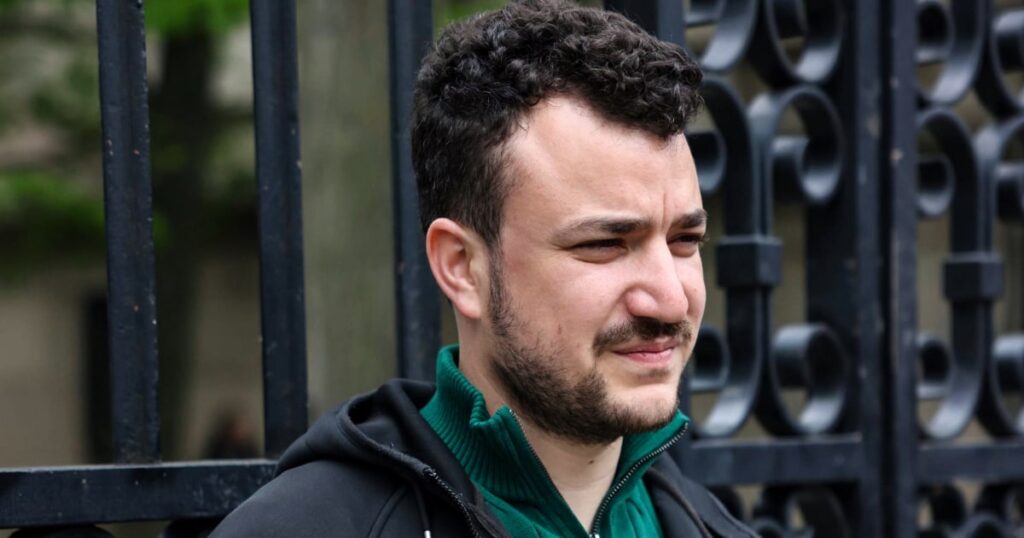
Mahmoud Khalil, a pro-Palestinian activist and legal permanent resident of the U.S., was arrested by federal immigration authorities due to concerns that his presence could negatively impact U.S. foreign policy, potentially leading to his deportation. A federal judge has temporarily halted the deportation process, allowing Khalil's legal team to prepare for a court hearing on Wednesday to challenge the charges. The case has garnered attention because of Khalil's activism and could set a precedent for other legal permanent residents involved in activism perceived as conflicting with U.S. foreign policy.
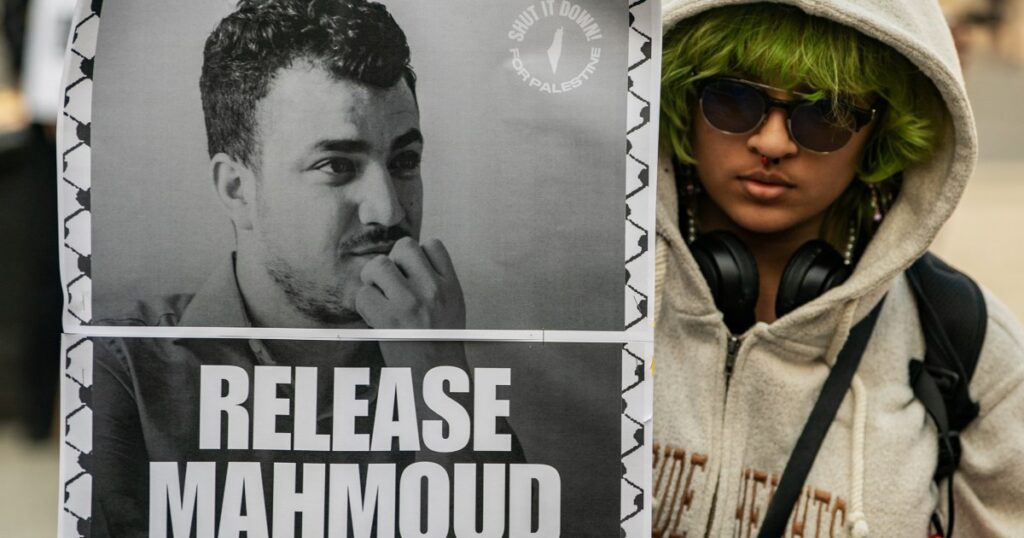
Students gathered in New York City's Washington Square to protest the detention of Mahmoud Khalil, a pro-Palestinian activist and Columbia University student, by U.S. Immigration and Customs Enforcement (ICE). The New York protest, which included a sit-in at Columbia University and a march at Washington Square Park, was part of a larger movement with rallies planned in other cities, such as Chicago. Demonstrators called for Khalil's release and the removal of ICE from college campuses, emphasizing solidarity against oppression and advocating for changes in immigration enforcement policies in educational settings.
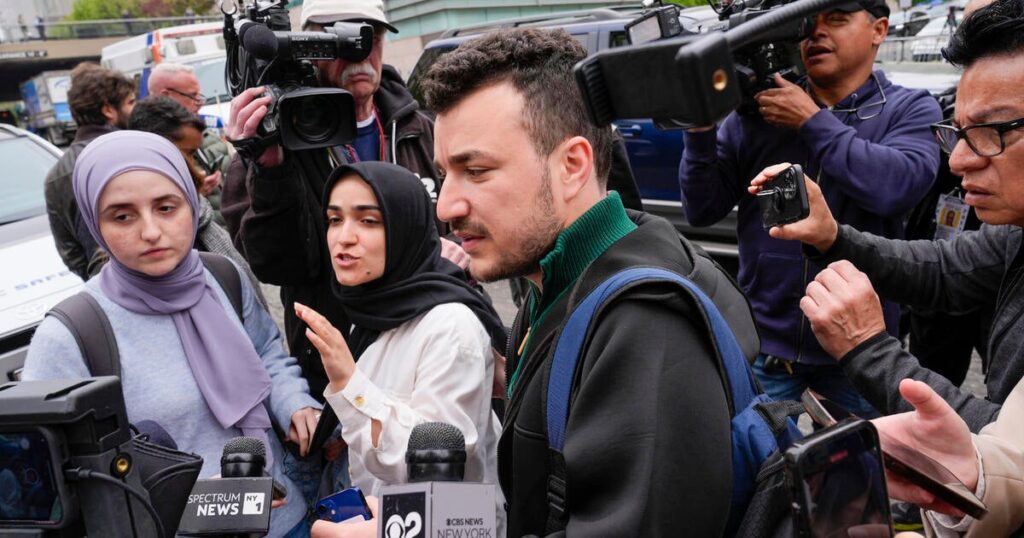
Khalil, a pro-Palestinian activist known for leading student protests at Columbia University, is facing deportation proceedings in the United States, following his detention in Louisiana under executive orders aimed at prohibiting anti-Semitism. His case has garnered attention due to his involvement in nationwide demonstrations advocating for Palestinian rights and has sparked discussions about the legal grounds for deporting a green card holder. A recent judicial intervention by Judge Jesse Furman has temporarily halted Khalil's deportation, highlighting the complexities of immigration law in cases involving activism and political expression.
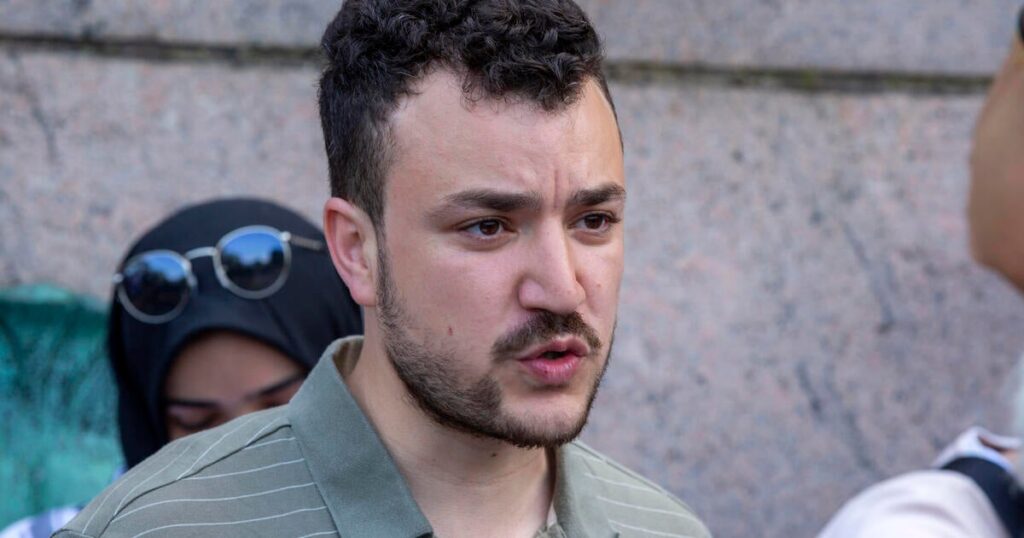
President Donald Trump announced a crackdown on what he described as "pro-terrorist, anti-Semitic, anti-American" activities on college campuses, attributing protests against Israel's conflict with Hamas to "paid agitators." The arrest of Palestinian activist Mahmoud Khalil by federal immigration authorities, following the revocation of his student visa, marks a significant step in this initiative, with more arrests anticipated at other universities. This development has sparked discussions about the balance between national security and freedom of expression, particularly concerning the rights of international students involved in campus activism.
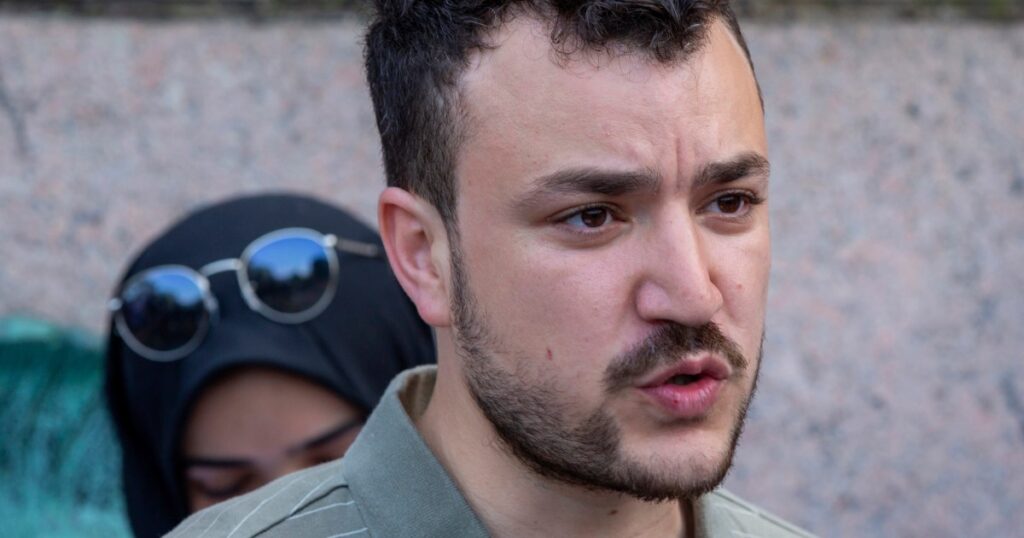
Federal immigration authorities arrested Mahmoud Khalil, a Palestinian graduate student and activist known for leading protests at Columbia University, in New York City. The arrest, carried out by ICE agents, was reportedly based on a State Department order to revoke his green card, though the reasons for this decision remain unclear. Khalil's legal team plans to challenge the arrest, which has garnered attention from advocacy groups concerned about its implications for free speech and activism.