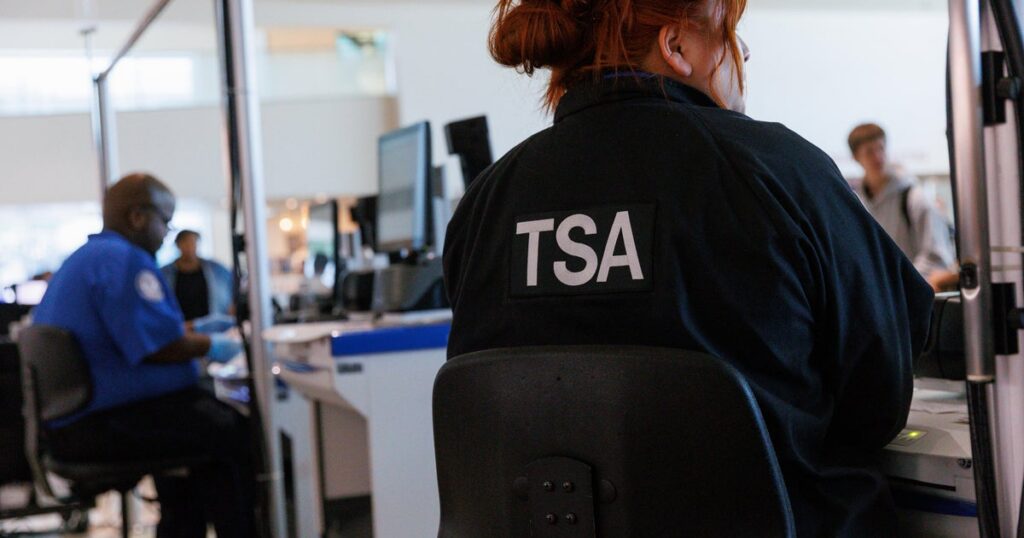
The partial government shutdown has caused major disruptions at U.S. airports, with TSA officers missing paychecks and long security lines, prompting President Trump to order immediate payment to TSA employees to address national security concerns. Despite this relief effort, staffing shortages and low morale persist due to high call-out rates and resignations, while travel experts warn of lasting impacts on TSA operations. The shutdown stems from a political deadlock over DHS funding, particularly disagreements over immigration enforcement funding, with the House and Senate unable to reach a compromise as the stalemate continues beyond 40 days.
Posts tagged as “CBP”
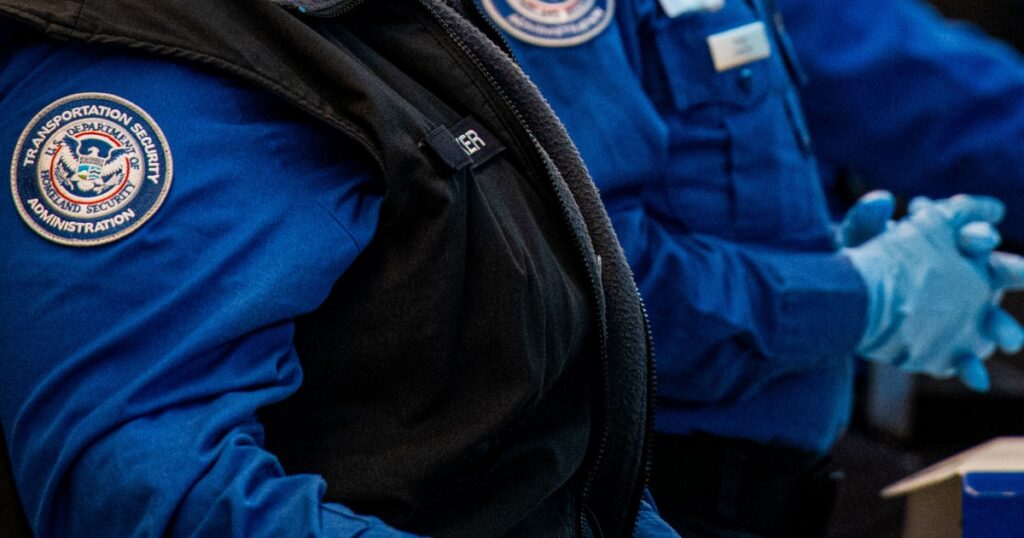
The ongoing partial government shutdown has severely impacted TSA workers, many of whom have gone unpaid for over a month, leading to financial hardship, increased absenteeism, and long wait times at major airports. The shutdown stems from a political deadlock over DHS funding, particularly disagreements over reforms to ICE and CBP, with recent Senate efforts to fund some DHS agencies excluding these two facing uncertain prospects in the House. Meanwhile, President Trump has announced plans to direct DHS to pay TSA employees despite the shutdown, aiming to ease their financial difficulties.

The Senate passed a Democratic-backed bill to fund the Department of Homeland Security excluding Immigration and Customs Enforcement (ICE) and Customs and Border Protection (CBP), with Democrats demanding reforms before supporting these agencies. House Republicans, led by Speaker Mike Johnson, oppose the Senate’s approach and plan to introduce a bill funding the entire DHS, including ICE and CBP, though the timing remains uncertain. The funding impasse has drawn sharp criticism from conservatives and frustration from moderate Democrats, leaving the DHS’s financial future uncertain as lawmakers return from recess.
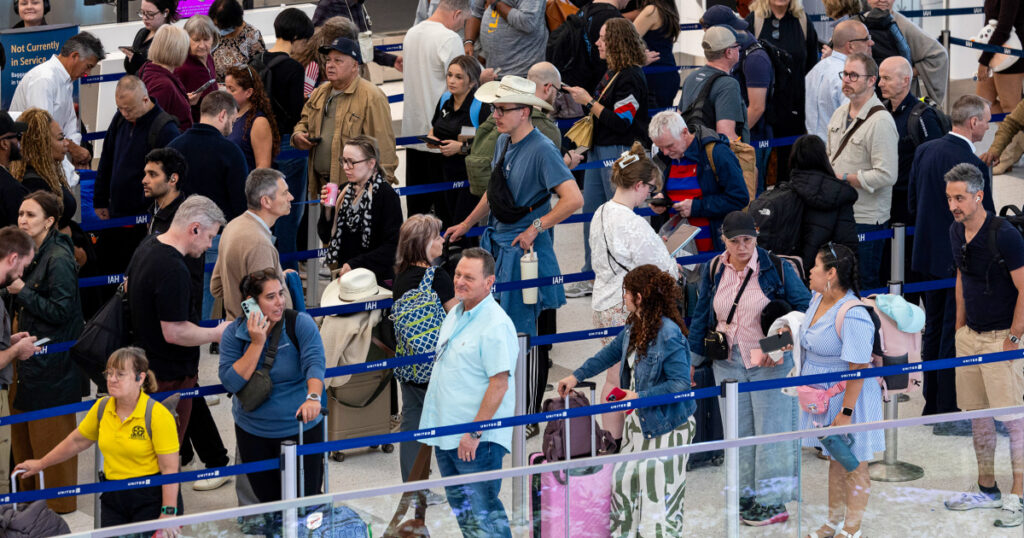
The Senate approved a bill to fund most of the Department of Homeland Security except for Immigration and Customs Enforcement and parts of Customs and Border Protection, continuing a partial government shutdown centered on immigration enforcement funding. The bill aims to restore funding for key agencies like TSA and FEMA amid operational challenges, including TSA staffing shortages and long airport security lines, prompting President Trump to order emergency payments for TSA workers. While Democrats praised the bill for excluding immigration enforcement funding without reforms, House Republican leaders criticized it and have yet to commit to advancing the measure, leaving the shutdown unresolved.
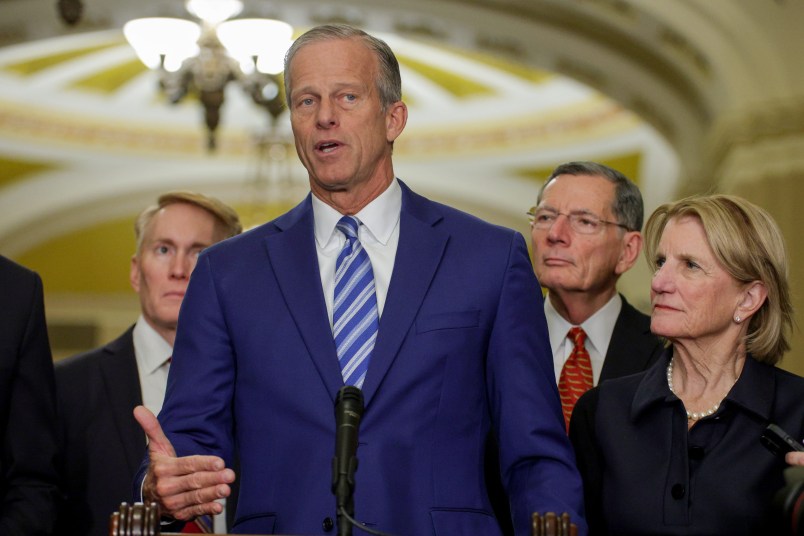
President Donald Trump announced he will sign an executive order to restart pay for TSA officers amid a DHS funding lapse that has caused staffing shortages and airport delays. The shutdown results from a congressional deadlock over DHS funding, with Republicans proposing a bill excluding ICE enforcement and Democrats demanding reforms before agreeing to fund ICE operations. In response, Senator John Kennedy plans to introduce a bill to fund the TSA independently, though it is unclear if Senate GOP leadership will support this measure.
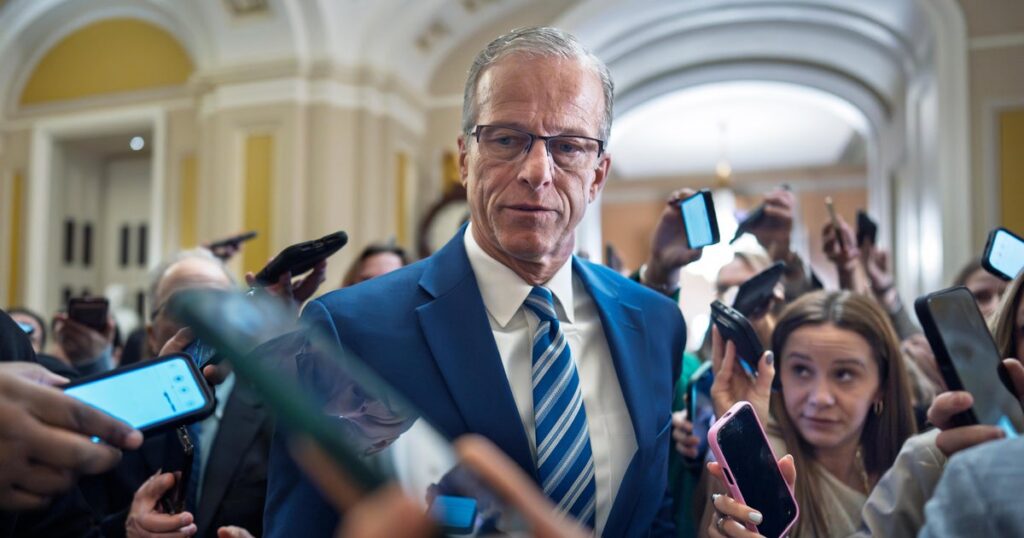
The Department of Homeland Security shutdown has entered its 41st day, causing severe delays at TSA checkpoints and increasing pressure on Senate lawmakers to reach a funding agreement before their upcoming recess. Negotiations remain deadlocked over funding and reform of ICE, with Republicans opposing Democratic demands for immigration enforcement reforms and Democrats insisting on them as part of any DHS funding deal. Meanwhile, internal GOP divisions and calls from former President Trump to end the filibuster complicate efforts to pass a resolution, leaving the shutdown unresolved as the Senate prepares for another vote.

The Department of Homeland Security remains partially shut down for a second month due to stalled congressional negotiations, causing major disruptions like long airport security lines and unpaid TSA workers. The shutdown reflects deep partisan divisions, with Republicans blaming Democrats for blocking funding over ICE reform demands, while Democrats insist on accountability measures for federal agents before restoring full DHS funding. Meanwhile, President Trump’s contradictory stance on mail-in voting and ongoing legal challenges related to federal law enforcement investigations further complicate the political environment surrounding the shutdown and broader administration policies.
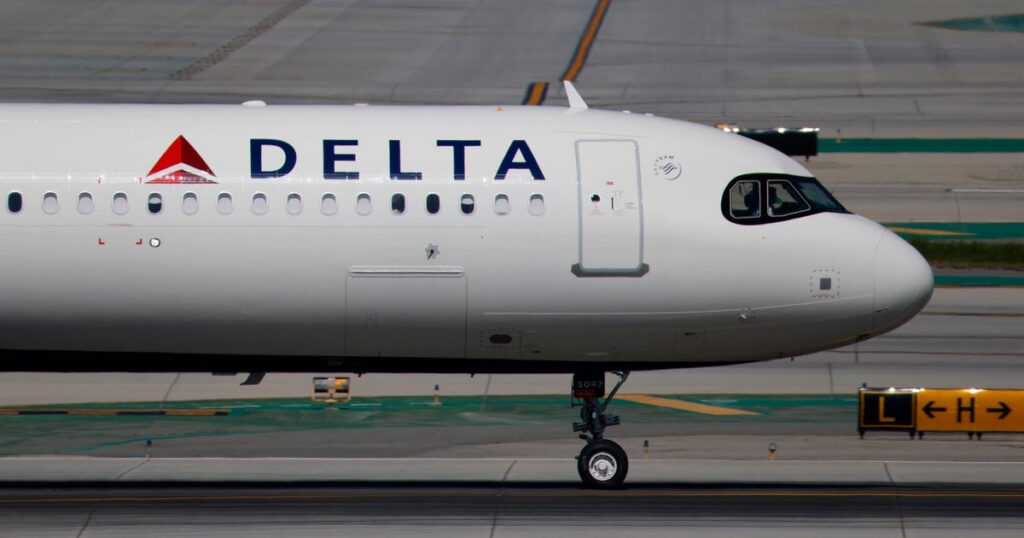
Delta Air Lines has temporarily suspended special services for members of Congress at airports due to operational challenges caused by the ongoing partial U.S. government shutdown and resulting TSA staffing shortages. The shutdown has led to severe workforce reductions, with many TSA employees working without pay and facing financial and mental health hardships, prompting criticism of temporary measures like deploying ICE agents to assist with security. Meanwhile, airlines and airport staff urge Congress to resolve the funding impasse soon, as the Senate nears a potential deal to restore Department of Homeland Security operations and ease widespread travel disruptions.