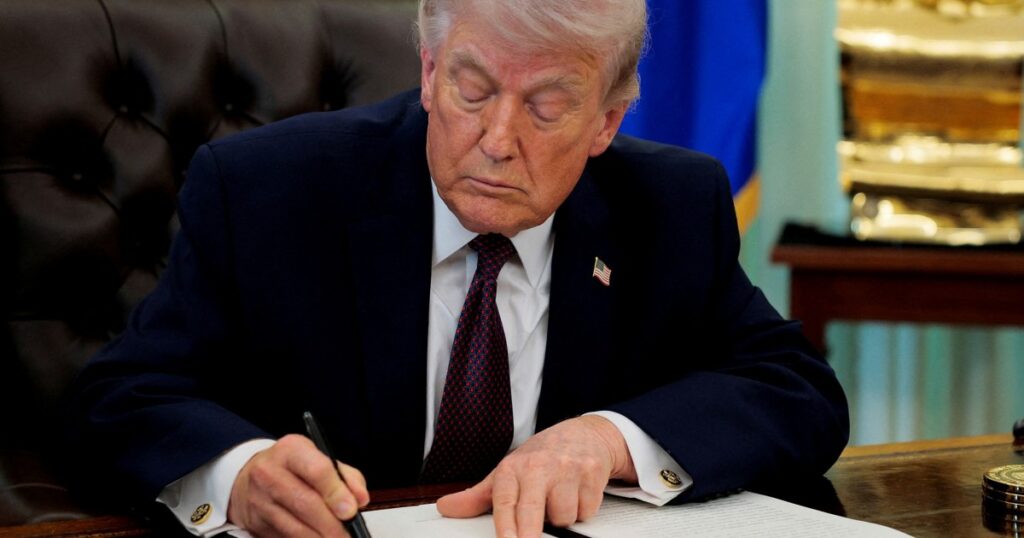
President Trump orders the Department of Homeland Security to pay all employees amid a nearly 50-day shutdown. Over 35,000 workers, including FEMA and Coast Guard civilians, have gone unpaid due to a congressional impasse over immigration policy.
Posts tagged as “CBP”
The Senate advances a plan to fund most of the Department of Homeland Security as President Trump pledges to pay all DHS employees amid a partial government shutdown. Lawmakers face divisions over funding immigration enforcement agencies, with Republicans pursuing a two-track strategy to end the shutdown.
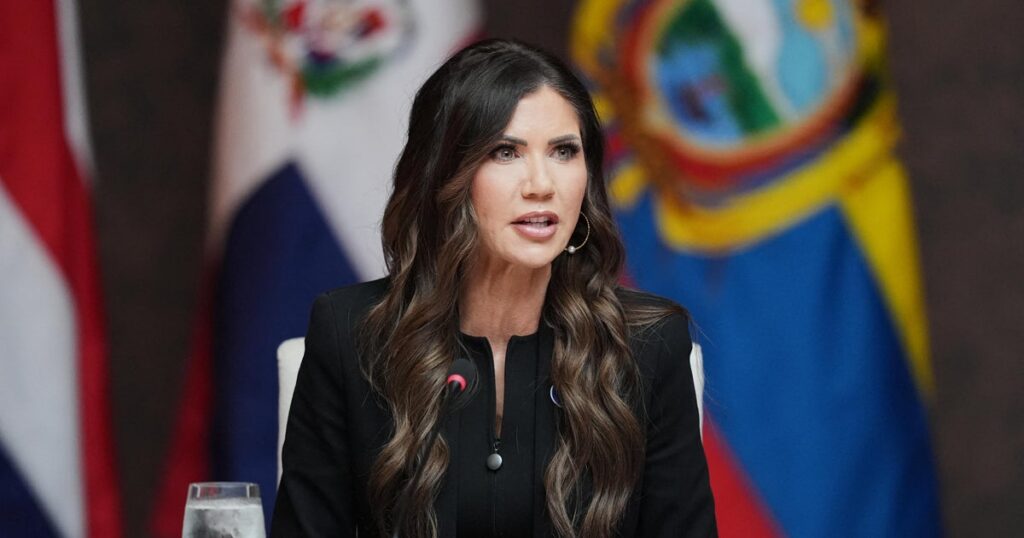
The Department of Homeland Security (DHS) has rescinded a policy requiring the secretary’s personal review of contracts over $100,000, a change expected to reduce procurement delays that previously hindered agencies like FEMA, CBP, and ICE. Secretary Markwayne Mullin emphasized empowering agency components to make decisions and has also begun reevaluating ICE’s detention facility plans. Meanwhile, amid a partial government shutdown affecting DHS operations, congressional leaders proposed a two-track funding plan to reopen DHS and address immigration enforcement funding separately, though political disagreements continue to stall progress.

A federal judge in Massachusetts has ordered the Trump administration to reinstate the temporary parole status of hundreds of thousands of migrants who entered the U.S. lawfully through the Biden-era CBP One app, ruling that the administration’s termination of their status violated federal procedures and exceeded DHS authority. The Trump administration had revoked parole en masse in 2025 without personalized notice, citing border security concerns, but the judge found this action unlawful and sided with immigration advocacy groups representing affected migrants. While the Department of Homeland Security opposes the ruling and plans to appeal, the decision restores legal protections for many migrants, though the full impact remains uncertain.
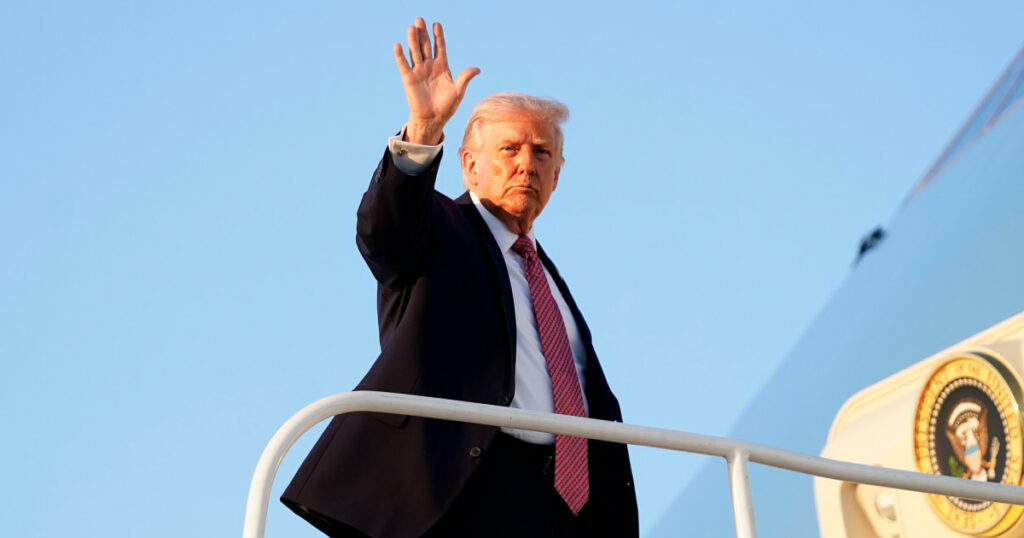
Amid ongoing tensions with Iran, President Trump has continued to play golf, describing it as a way to relax while asserting that the U.S. has significantly weakened Iran’s military and that the conflict is nearing resolution. Meanwhile, the partial shutdown of the Department of Homeland Security has caused operational disruptions and financial strain for TSA workers, with political divisions in Congress preventing a unified funding solution. Concurrently, the Department of Justice is intensifying election-related investigations, sparking debate over election integrity, while multiple legal and political controversies, including immigration enforcement and Supreme Court cases, contribute to a complex national environment.
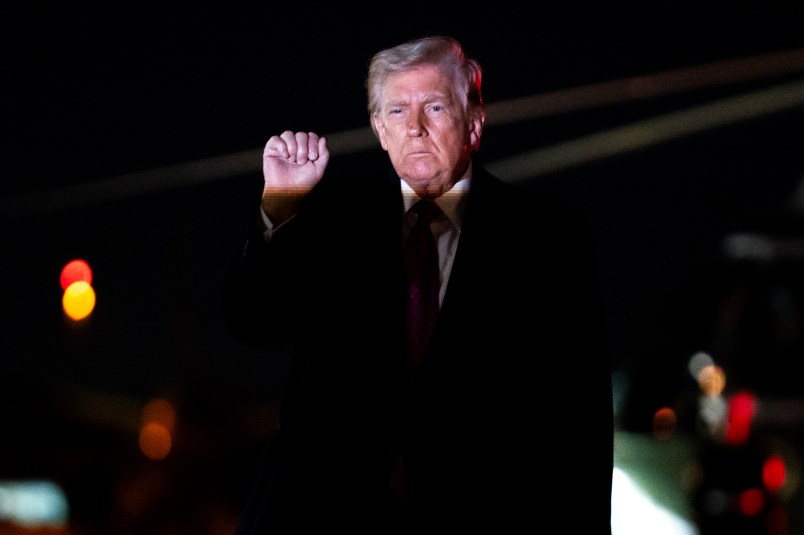
The Department of Homeland Security is undergoing the longest federal shutdown in U.S. history due to deep Republican divisions and unclear White House guidance, with Senate and House leaders unable to agree on funding measures. The shutdown has caused operational disruptions at airports and intensified partisan blame, while some Republicans and former President Trump have called for ending the filibuster to pass funding without Democratic support. Meanwhile, tensions in the Middle East escalate as President Trump threatens severe actions against Iran amid stalled peace talks, raising concerns about further military conflict and global economic impacts.
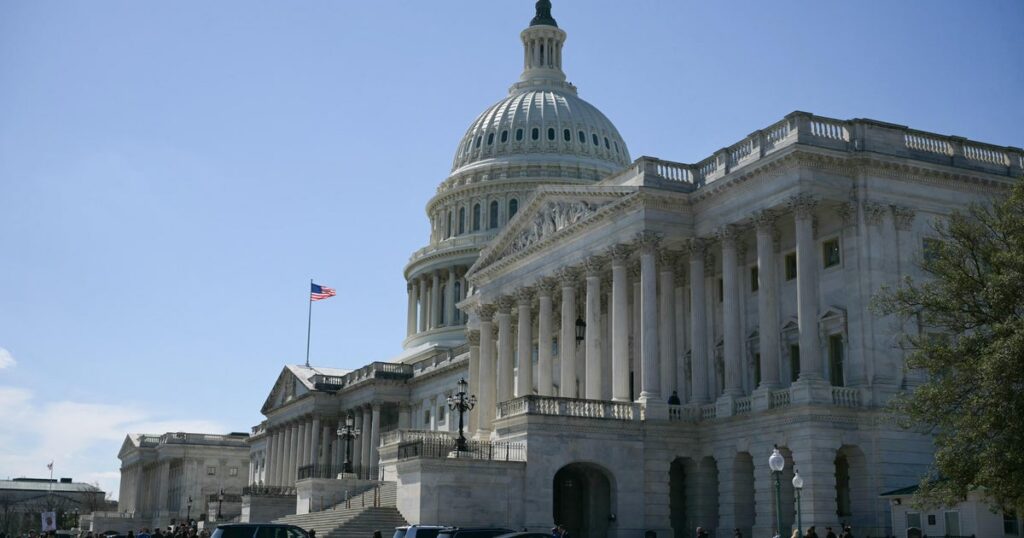
The Department of Homeland Security shutdown has become the longest in U.S. history at 45 days, caused by House Republicans rejecting a Senate bipartisan funding package that excluded ICE and parts of CBP. The shutdown has severely impacted TSA operations, leading to staffing shortages and long airport security lines, with ICE agents temporarily assisting TSA amid ongoing disputes between the chambers. Both the House and Senate have recessed until mid-April, while leaders continue negotiations, and President Trump has issued an executive order to pay TSA workers but has yet to compel Congress to return early to resolve the impasse.
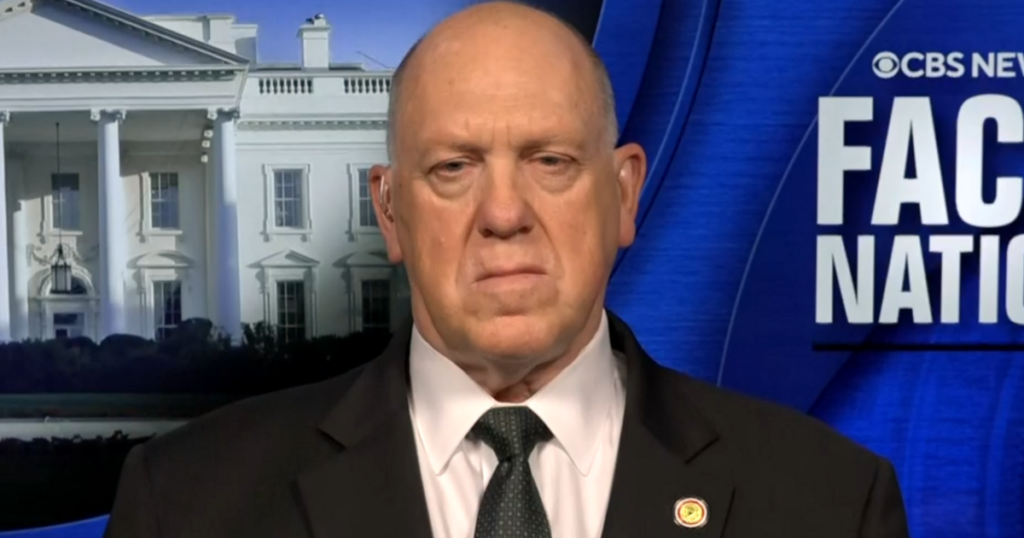
The partial government shutdown of the Department of Homeland Security (DHS) has lasted 44 days, primarily affecting TSA operations while other federal agencies remain funded. Efforts to resolve the impasse have stalled due to disagreements between the Republican-controlled House and the Senate, with Democrats demanding immigration-related restrictions before fully funding DHS. The shutdown has caused significant TSA staffing shortages and financial strain, prompting President Trump to order payments to TSA workers, but with Congress out until mid-April, the situation and airport disruptions are expected to continue.