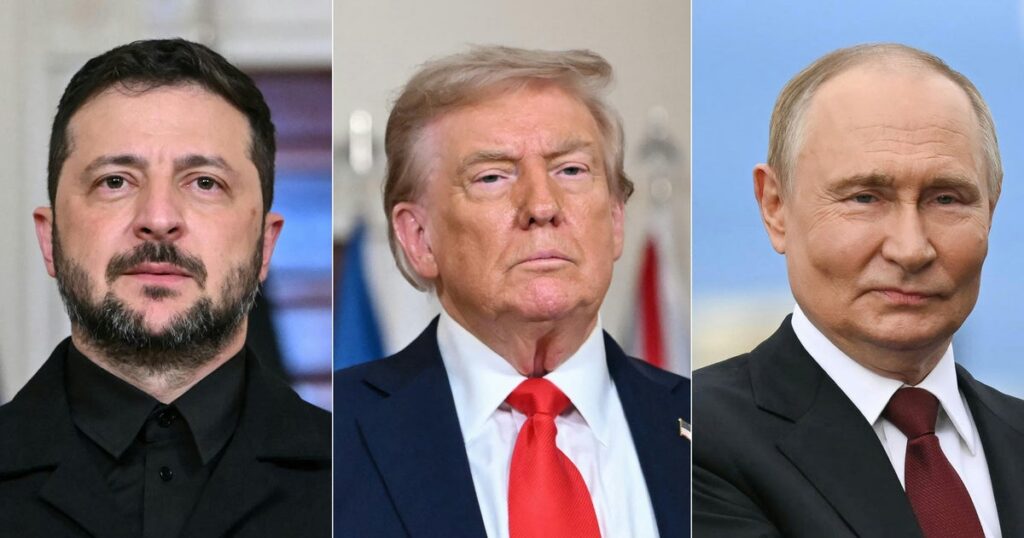
Trump held separate calls with Putin and Zelenskyy as the Ukraine war loomed over the upcoming G7 summit. Russian officials said Trump pushed for an end to hostilities, while Zelenskyy said he and Trump agreed to continue talks at the summit.
Posts tagged as “British European Airway”
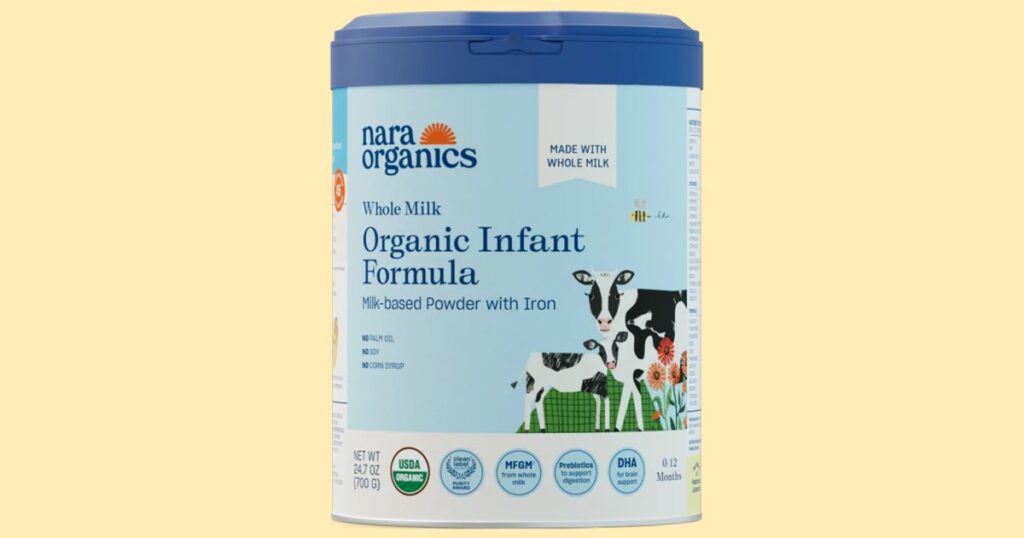
Nara Organics has recalled all Whole Milk Organic Infant Formula sold in the United States after three infants developed botulism and were hospitalized. Federal officials said no deaths have been reported and no tested lots have been positive for Clostridium botulinum.
Pope Leo used his Canary Islands visit to defend migrants, condemn traffickers and press Europe to protect people risking deadly Atlantic crossings. The islands received a record 46,843 migrants in 2024, while thousands died trying to reach Spain.
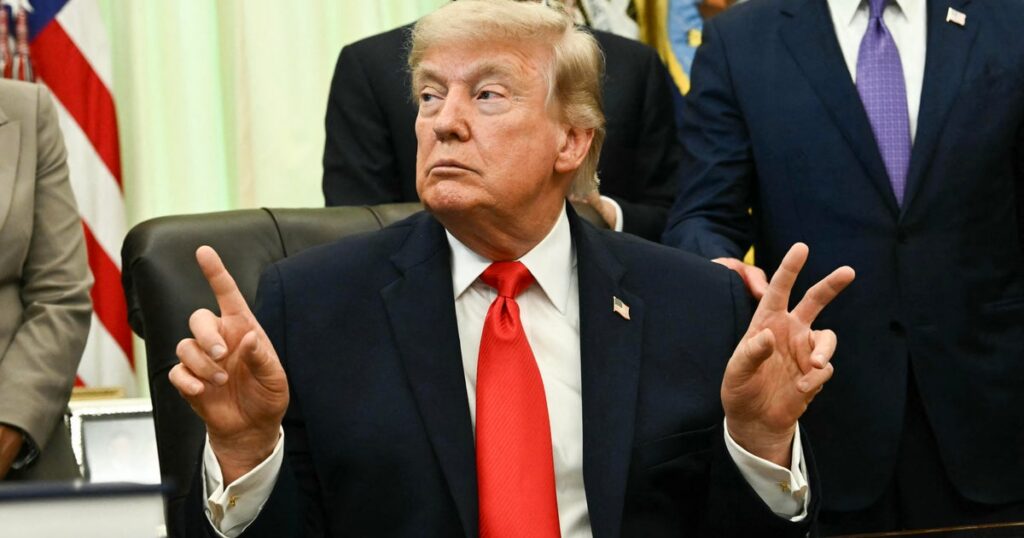
Trump said a settlement to end the Iran war had been reached, but Iranian officials said Tehran had not made a final decision. A proposed memorandum reportedly includes a 60-day ceasefire extension, reopening the Strait of Hormuz and further nuclear talks.
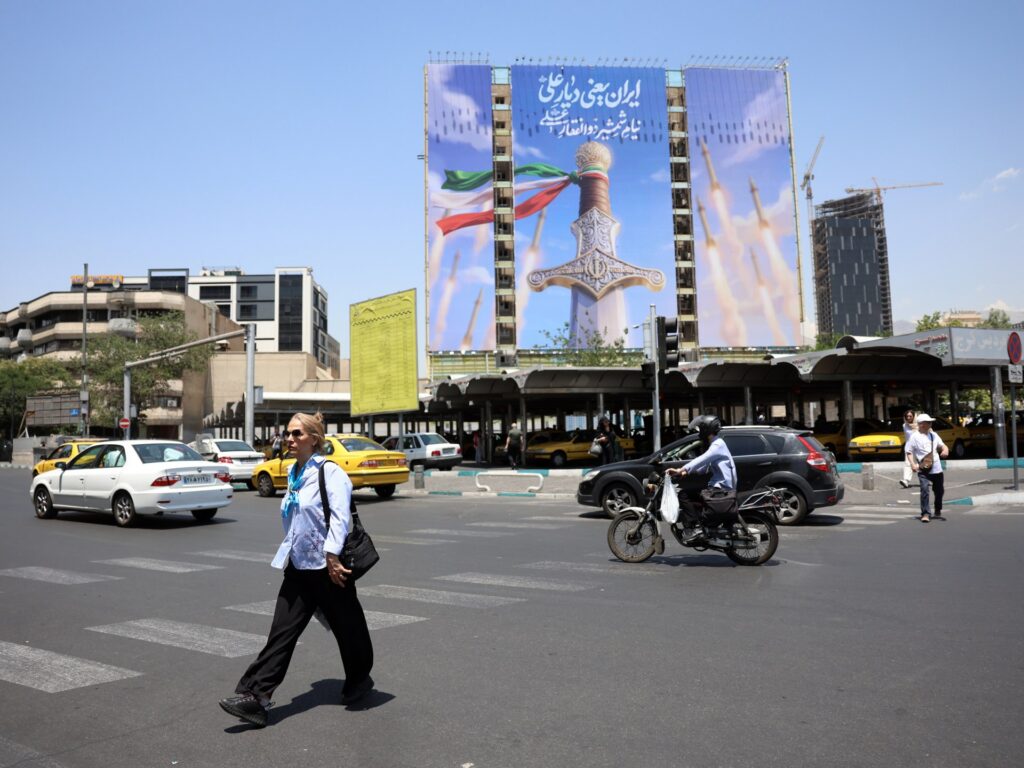
Trump said he canceled planned strikes on Iran and claimed an agreement to end the war was close, but Tehran said nothing had been finalized. The comments followed fresh U.S. and Iranian strikes and new international calls for de-escalation.
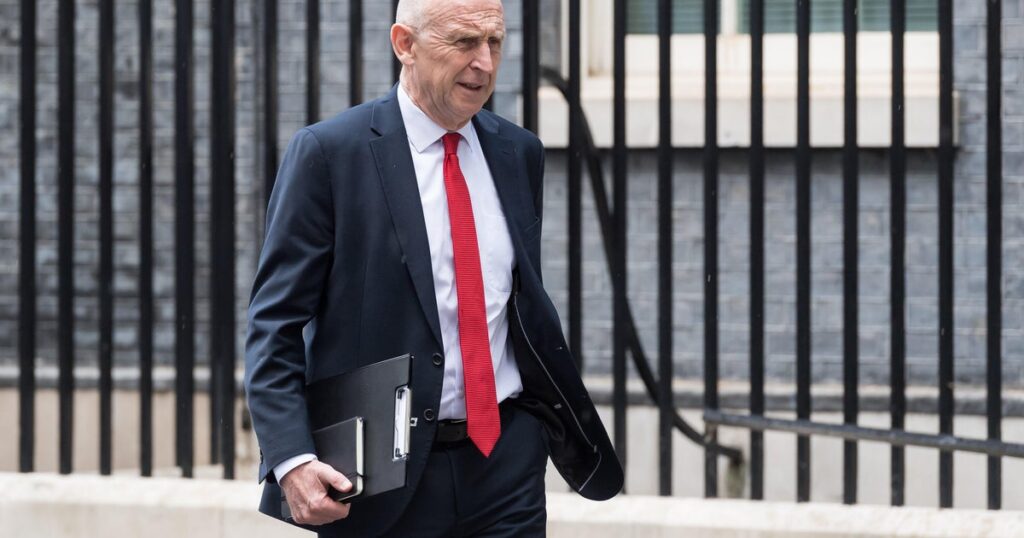
U.K. Defense Secretary John Healey resigned after rejecting the government’s military funding plan, saying it would leave the armed forces under-resourced and could make the country less safe. The BBC reported he had pushed for defense spending to reach 3% of GDP by 2030 but was offered a smaller increase.
NOAA says El Niño has begun in the tropical Pacific, with a 63% chance it becomes one of the strongest events recorded since 1950. Scientists warn it could intensify global heat and disrupt weather, food supplies and economies into 2027.