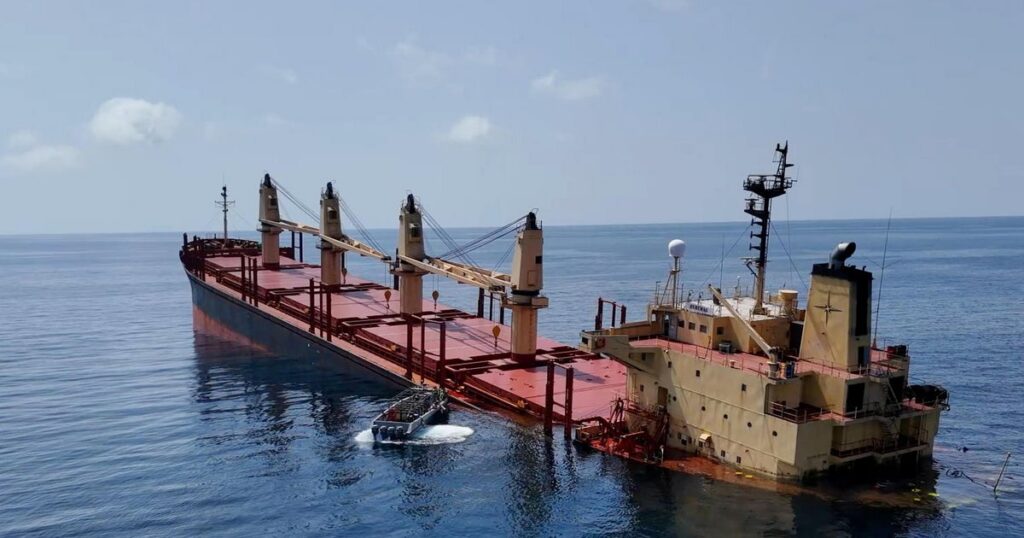
Iran’s Revolutionary Guard Corps has declared the Strait of Hormuz closed to unauthorized ships, significantly disrupting a key maritime route that handles about 20% of the world’s crude oil and causing Brent crude prices to surge above $110 per barrel. Iran has enforced this closure by turning back vessels, imposing hefty fees near Larak Island, and is considering formal legislation for these charges, while also hinting at threats to the Bab el-Mandeb Strait, another critical shipping lane. The closure and ongoing conflict have stranded around 20,000 seafarers in the region, led to casualties, and prompted calls from the UAE for a multinational force to secure the strait and stabilize global energy markets.
Posts tagged as “Brent Bozell”

President Donald Trump faces significant obstacles in advancing the U.S. military campaign against Iran due to uncertain congressional support and growing public opposition, with lawmakers demanding clearer justification and strategy. The conflict has also triggered economic repercussions, including stock market declines and soaring oil and gasoline prices, while Trump downplays these issues and temporarily halts attacks on Iran’s energy infrastructure. Concurrently, the administration is embroiled in controversies over election security, proposing ICE monitoring at polling places and facing criticism over Trump’s own mail-in voting, highlighting internal tensions ahead of the midterm elections.
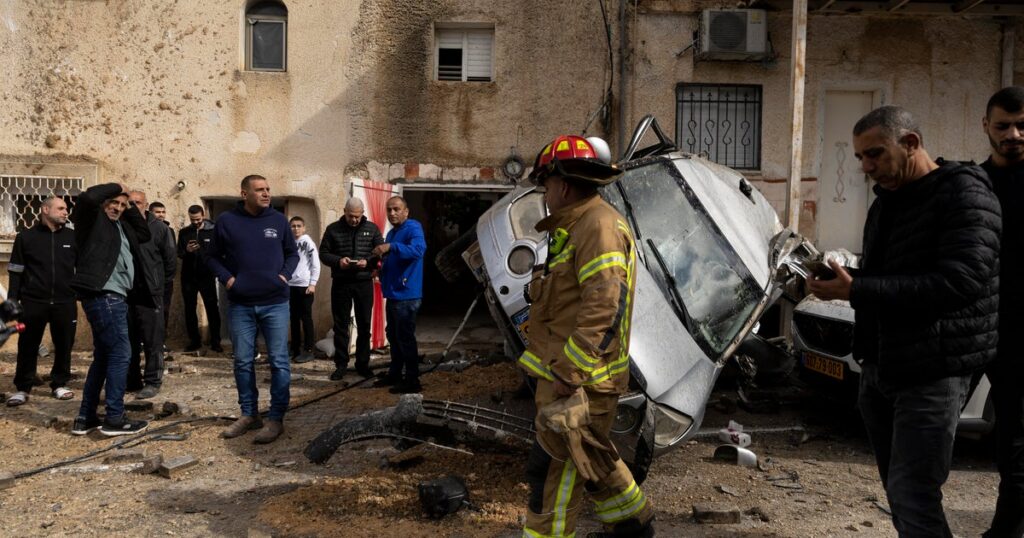
U.S. financial markets declined sharply amid fading hopes for imminent peace talks between the U.S. and Iran, with major stock indexes falling and bond yields rising, leading to increased mortgage rates globally. Oil prices surged over 40% since the conflict began, driven by heightened tensions, while diplomatic efforts stalled as Iran rejected a U.S. peace proposal seen as one-sided. Military actions, including the targeted killing of an Iranian naval commander by Israel and significant U.S. strikes on Iran’s navy, have escalated the conflict, with warnings from President Trump and concerns over Russia’s involvement further complicating the geopolitical landscape.
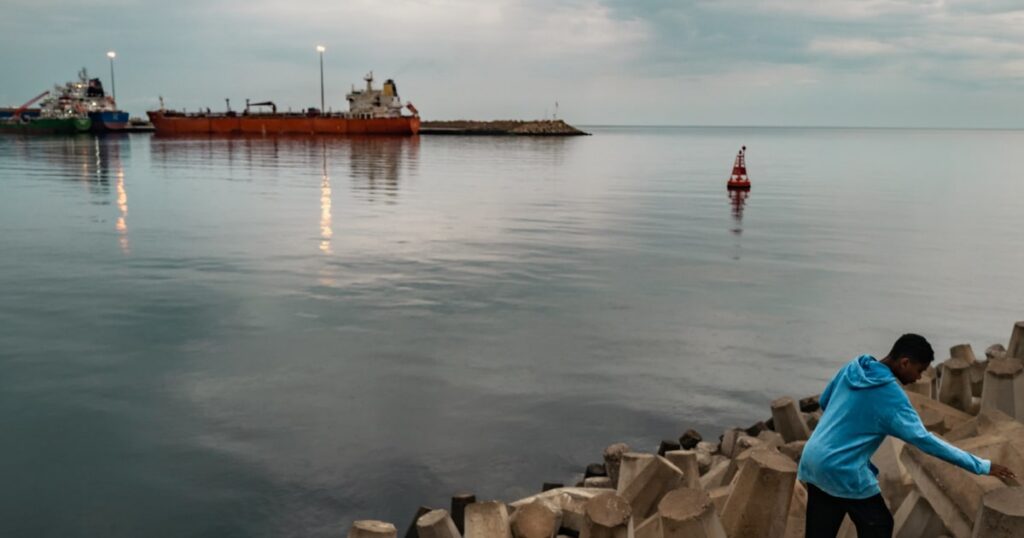
Amid escalating conflict between Iran and Israel following U.S. and Israeli strikes, diplomatic efforts involving indirect talks facilitated by Pakistan and other regional players have reportedly begun, though official confirmations remain pending. The war has caused over 2,000 deaths, displaced millions, and disrupted global energy markets, pushing Brent crude oil prices above $100 a barrel amid fears of supply shortages. Despite ongoing hostilities marked by missile strikes and air raids, U.S. President Donald Trump expressed cautious optimism about potential negotiations, while regional tensions and economic risks continue to mount.
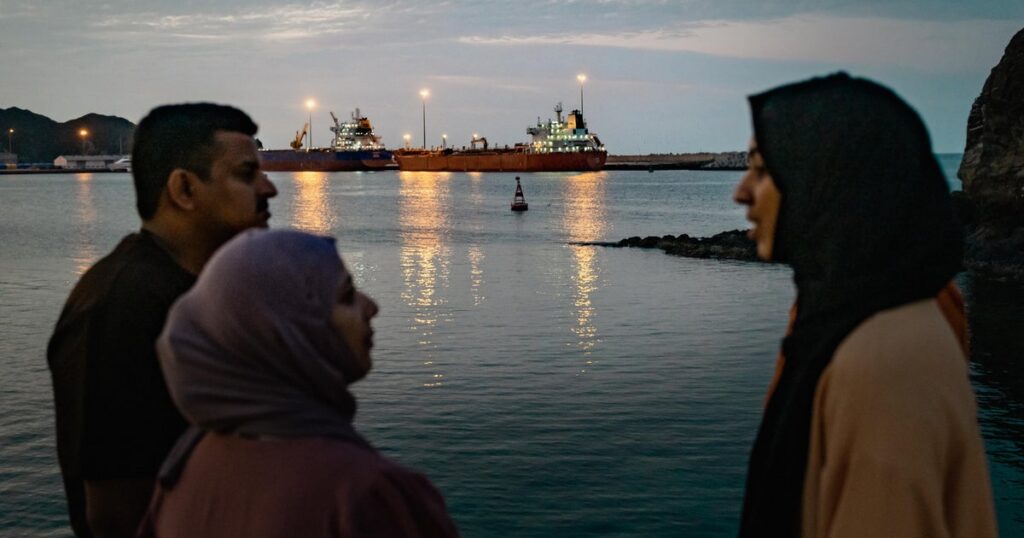
President Donald Trump postponed his ultimatum for Iran to reopen the Strait of Hormuz, citing ongoing "good and productive" negotiations amid escalating regional tensions and threats of military strikes. Iran denied direct talks with the U.S., accusing Washington of initiating the conflict and dismissing claims of missile attacks, while international markets reacted positively to the delay with rising stock futures and falling oil prices. The conflict has caused significant casualties in Iran, prompted internal crackdowns, and led to cautious diplomatic responses, with U.S. officials defending their hardline stance as necessary to de-escalate the situation.

U.S. stock markets surged on Monday after President Donald Trump announced a five-day delay in military strikes on Iranian power plants, easing fears of immediate conflict amid tensions over the Strait of Hormuz. The announcement led to a sharp decline in oil prices, though crude remains significantly higher than pre-conflict levels, contributing to rising gasoline costs in the U.S. Despite the temporary de-escalation, Iranian officials rejected dialogue with Washington, maintaining a tense diplomatic standoff.
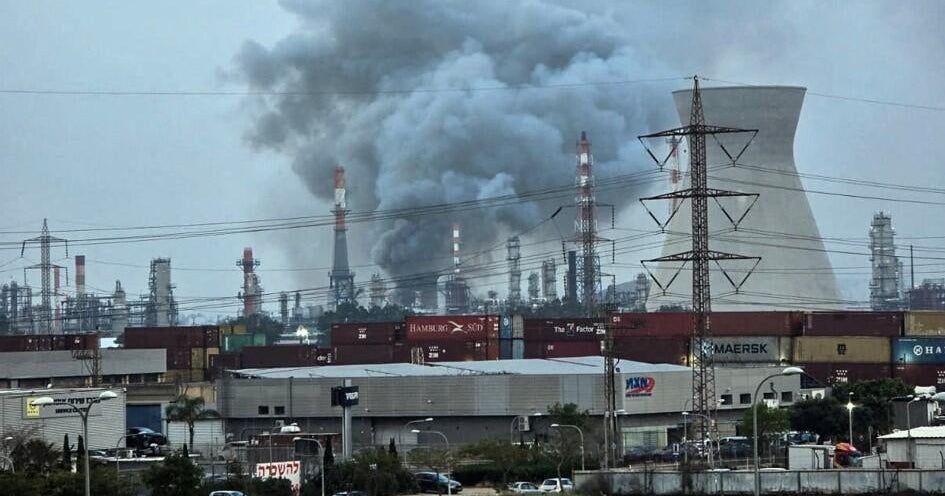
The conflict involving the United States, Israel, and Iran has intensified tensions across the Persian Gulf, with Iran launching retaliatory strikes on energy and civilian infrastructure in neighboring countries, prompting a high-level Gulf states meeting in Riyadh to address the escalating crisis. These attacks have severely impacted regional security and global energy markets, causing significant damage to oil and gas facilities and driving up oil prices, while military confrontations have included missile strikes, air raids, and the emergency landing of a U.S. F-35 jet. Despite widespread alerts and civilian sheltering, Gulf states remain divided on their response, with calls for de-escalation and ceasefire from some, amid fears of broader regional destabilization.
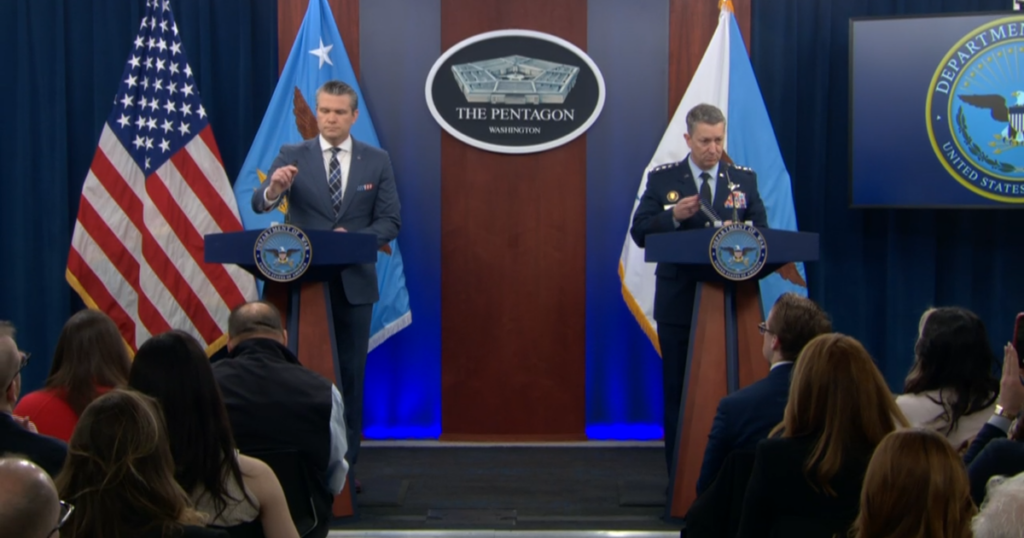
The United States and Israel have escalated military strikes against Iran, with the U.S. conducting over 7,000 attacks on Iranian military and industrial sites as part of Operation Epic Fury, while Israel targeted key Iranian officials and energy infrastructure. These actions have heightened tensions and disrupted global energy markets, prompting President Trump to warn Israel against further attacks on shared resources unless provoked by Iran, and calls for international efforts to reopen the closed Strait of Hormuz. Despite significant damage to Iran’s capabilities, intelligence reports indicate the regime remains intact, amid ongoing investigations into leaks related to the conflict and revelations of covert coordination between the U.S. and Israel.