
The S&P 500 and Nasdaq hit record highs Wednesday as investors remain optimistic despite ongoing Iran conflict and rising energy prices. Strong corporate earnings and expectations of de-escalation in the Middle East have fueled the rally.
Posts tagged as “Brent Bozell”
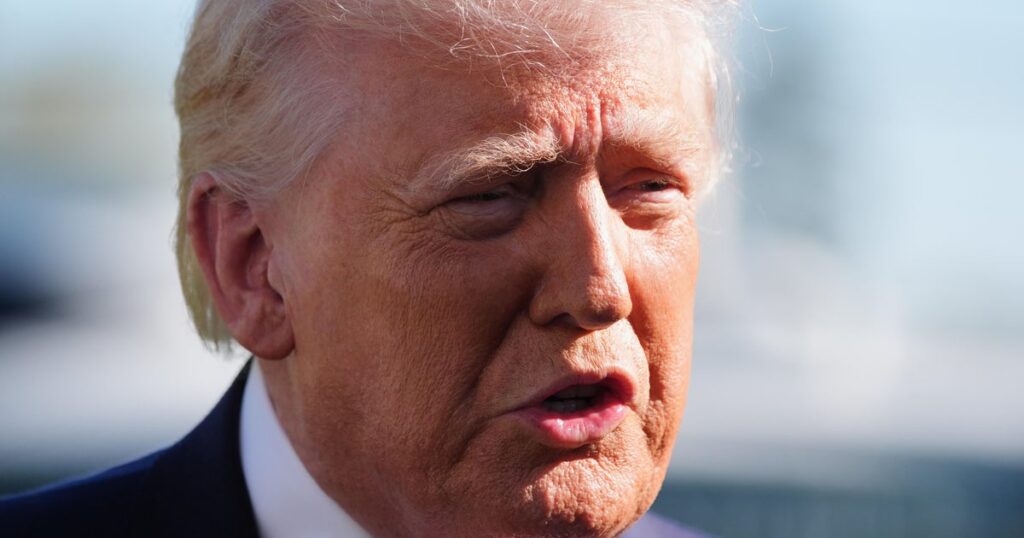
The U.S. will begin blockading ships entering and exiting Iranian ports in the Strait of Hormuz on Monday, escalating tensions after failed peace talks with Iran. The move has sent oil prices soaring and drawn mixed responses from international allies.
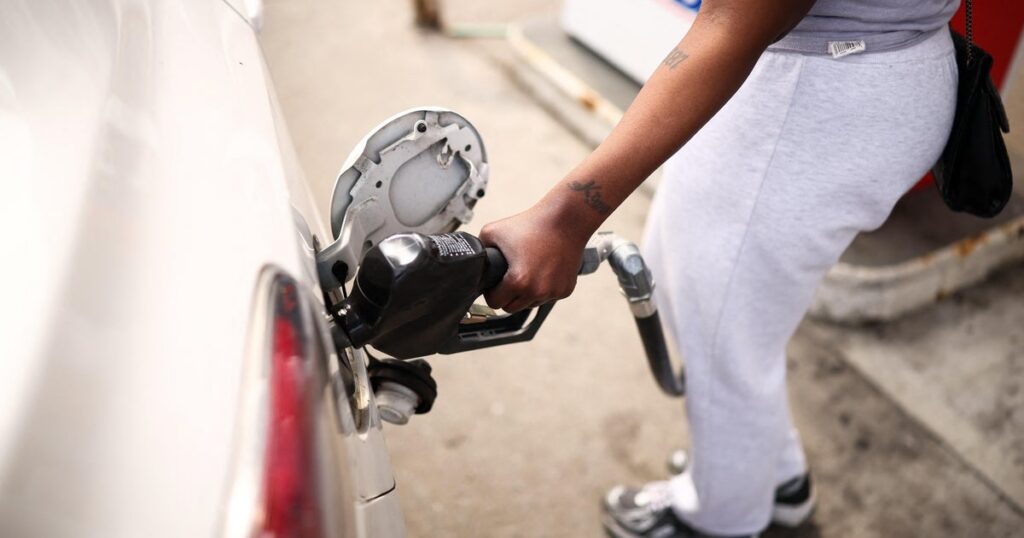
A ceasefire between the U.S. and Iran has eased tensions but gas prices remain high amid uncertainty over the Strait of Hormuz. Experts say any relief at the pump could take weeks and may reverse if the truce falters.

Stocks surged and oil prices plunged after a two-week ceasefire was announced between the U.S. and Iran, easing fears of a prolonged energy crisis. Despite the positive market reaction, analysts caution that uncertainty remains about the future of shipping through the Strait of Hormuz and the durability of the ceasefire.
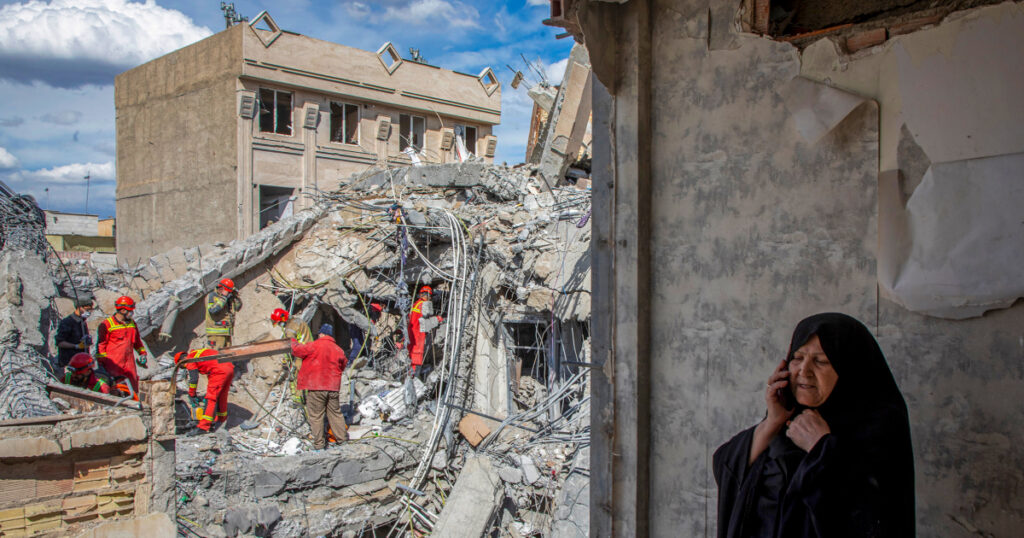
U.S. gasoline prices have surged past $4 per gallon due to disruptions in global oil supplies caused by the Iran conflict and the effective closure of the Strait of Hormuz. President Trump plans a prime-time address to update on the situation, promising a resolution soon and a return to lower fuel prices, though experts warn prices may rise further in the short term. Meanwhile, Trump's threats to target Iranian civilian infrastructure have drawn condemnation from legal experts who warn such actions could constitute war crimes, amid ongoing regional casualties and accusations against all involved parties.
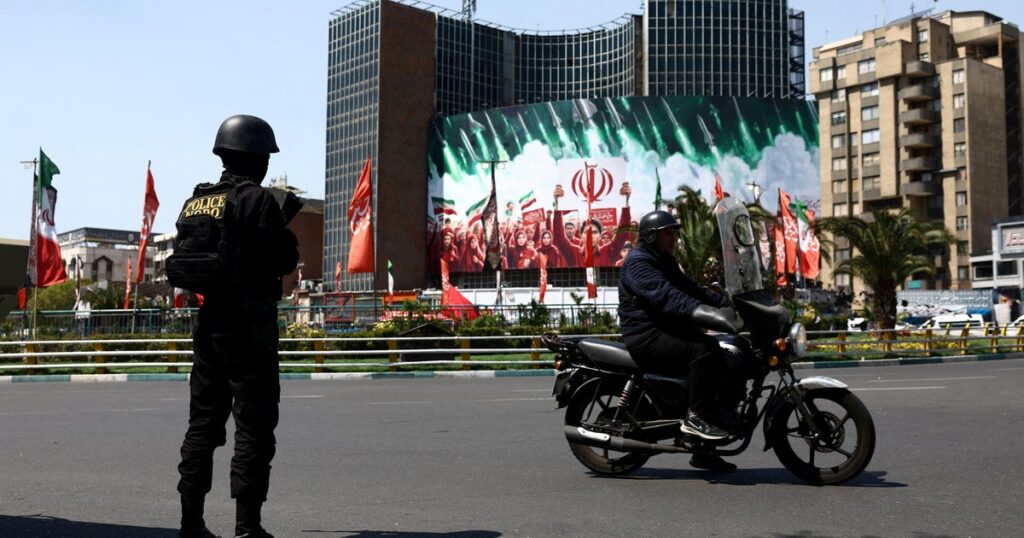
President Donald Trump indicated that U.S. military operations against Iran could end within two to three weeks, leading to a decline in oil prices and gains in global stock markets amid hopes for de-escalation. Trump also threatened to withdraw the U.S. from NATO over European allies’ lack of support for the Iran campaign, raising concerns among members and potentially benefiting Russia. Meanwhile, Pakistan has offered to mediate peace talks between the U.S. and Iran, backed by regional powers, but its efforts are complicated by ongoing conflict with Afghanistan that threatens regional stability.
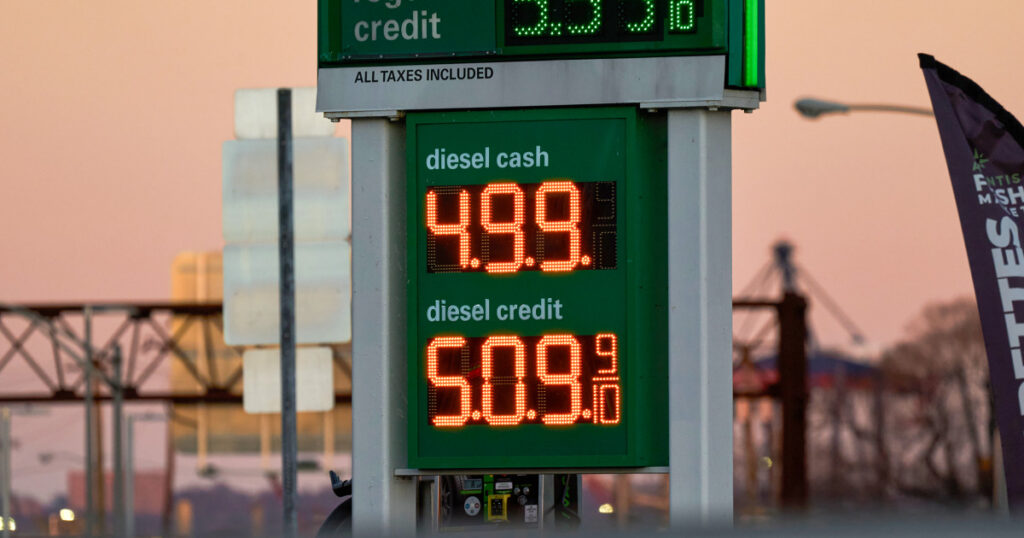
Gasoline and diesel prices in the U.S. have surged to levels not seen since mid-2022, driven by escalating conflict involving Iran and disruptions to oil supply through the Strait of Hormuz. The war has caused crude oil prices to rise sharply, with diesel reaching $5.45 per gallon and gasoline surpassing $4.00, leading to significant economic impacts such as reduced consumer spending and increased household fuel expenses. Globally, energy-dependent countries face inflation and economic slowdowns as the conflict continues to disrupt oil markets.

The conflict between the United States and Iran has drastically reduced shipping traffic through the Strait of Hormuz by up to 95%, causing a sharp rise in oil prices and marine insurance premiums due to heightened risks of missile and drone attacks. Efforts to protect commercial vessels, including potential U.S. military escorts and expanded insurance programs, face delays and are unlikely to restore normal shipping until a ceasefire or de-escalation occurs. Meanwhile, the involvement of Iran-backed Houthi militants in missile attacks against Israel threatens further disruptions in the Red Sea and Bab el-Mandeb Strait, escalating the conflict into a broader regional crisis with significant impacts on global energy supply and maritime commerce.