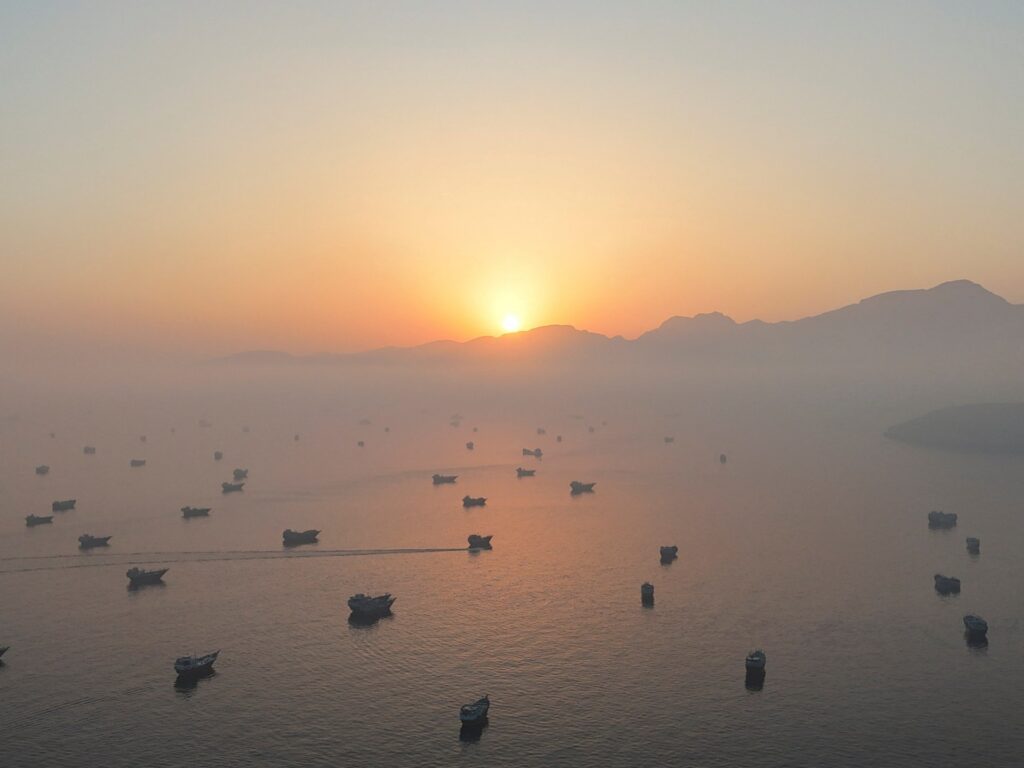
Oil prices dropped after Trump announced an initial US-Iran deal to reopen the Strait of Hormuz, but shipping, insurance and mine-clearing hurdles could delay a return to normal. Analysts warn energy, fertiliser and consumer prices may remain under pressure for months.
Posts tagged as “Brent Bozell”
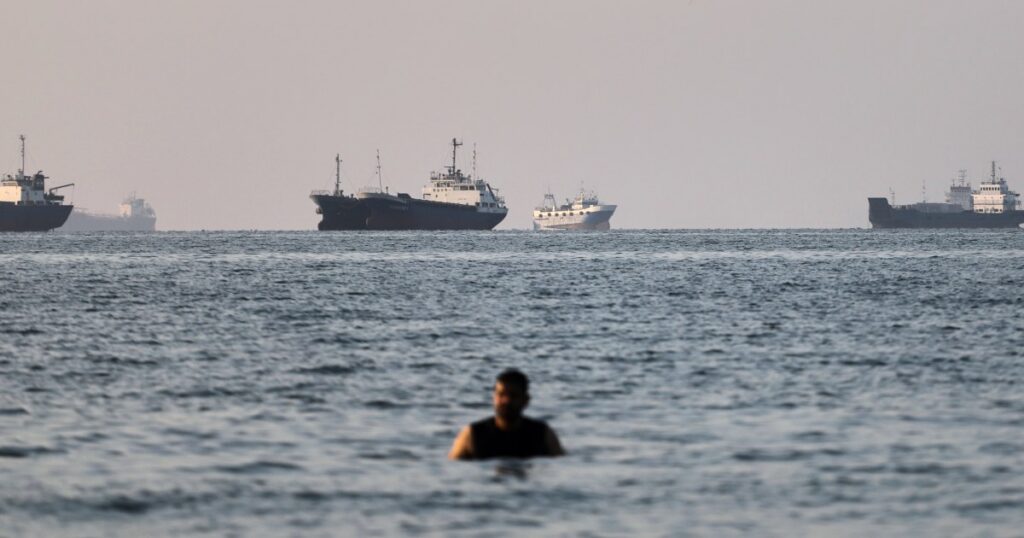
Trump said a U.S.-Iran deal is scheduled to be signed Sunday and would reopen the Strait of Hormuz, but Iran said the memorandum would not be signed that day. Pakistan, a key mediator, said finalization could come within 24 hours.
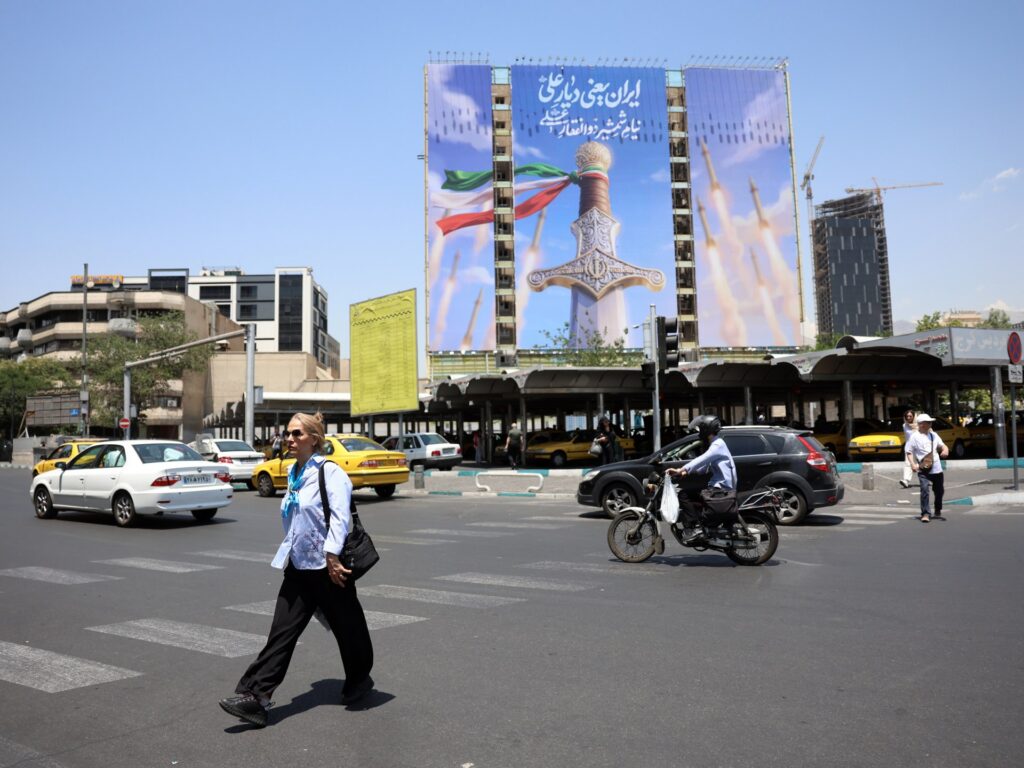
Trump said he canceled planned strikes on Iran and claimed an agreement to end the war was close, but Tehran said nothing had been finalized. The comments followed fresh U.S. and Iranian strikes and new international calls for de-escalation.
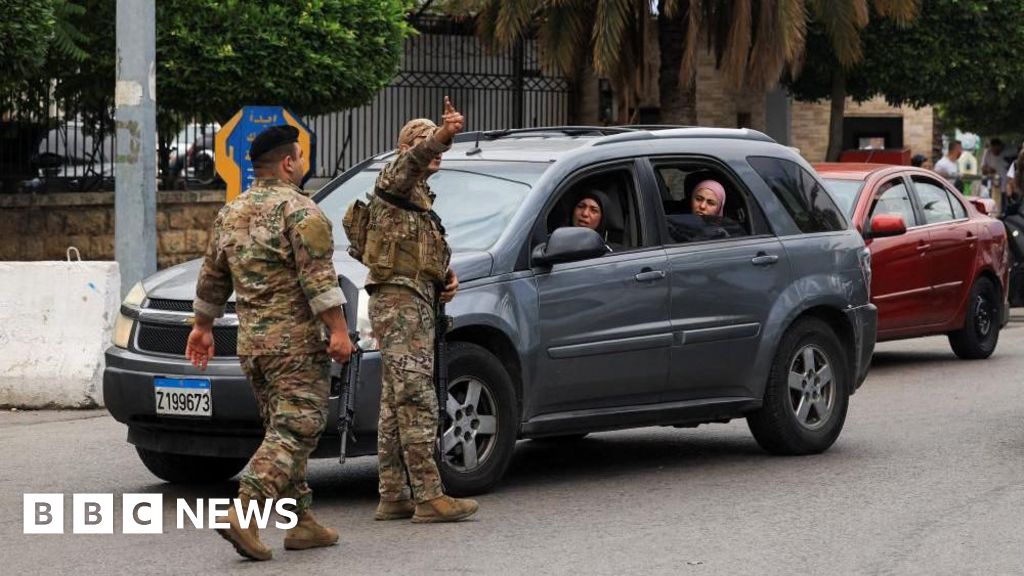
Iran warns Israeli attacks in Lebanon and Gaza threaten the US ceasefire, risking the fragile peace agreement amid escalating regional tensions. Tehran has suspended indirect talks and threatened to open new fronts if hostilities continue.
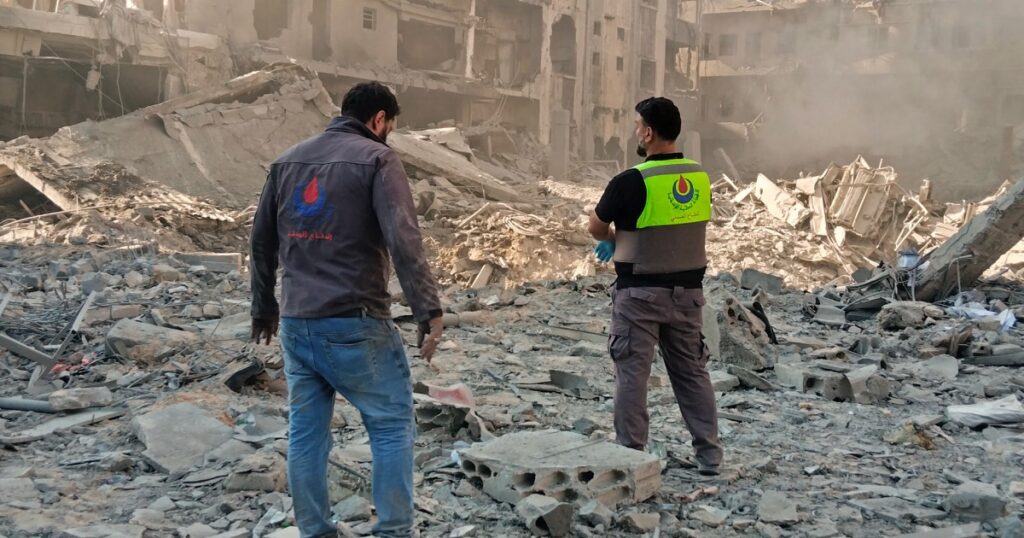
Iran suspends indirect talks with the U.S. amid Israel's intensified Lebanon offensive, as the war that began on March 2 causes thousands of casualties and escalates maritime threats.
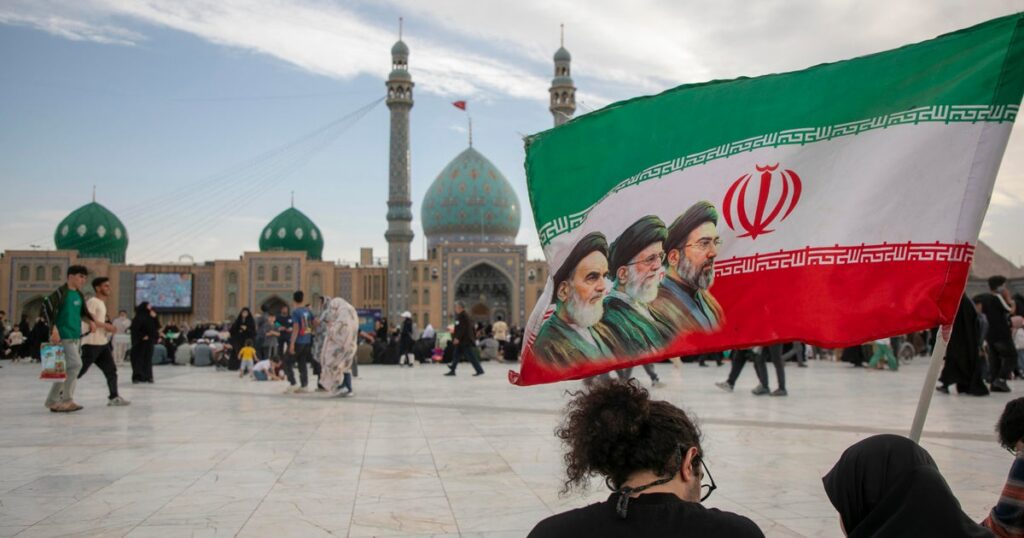
President Trump has not yet decided on a potential ceasefire deal with Iran that would reopen the Strait of Hormuz and address nuclear concerns. Negotiations remain ongoing amid conflicting reports from U.S. and Iranian officials.
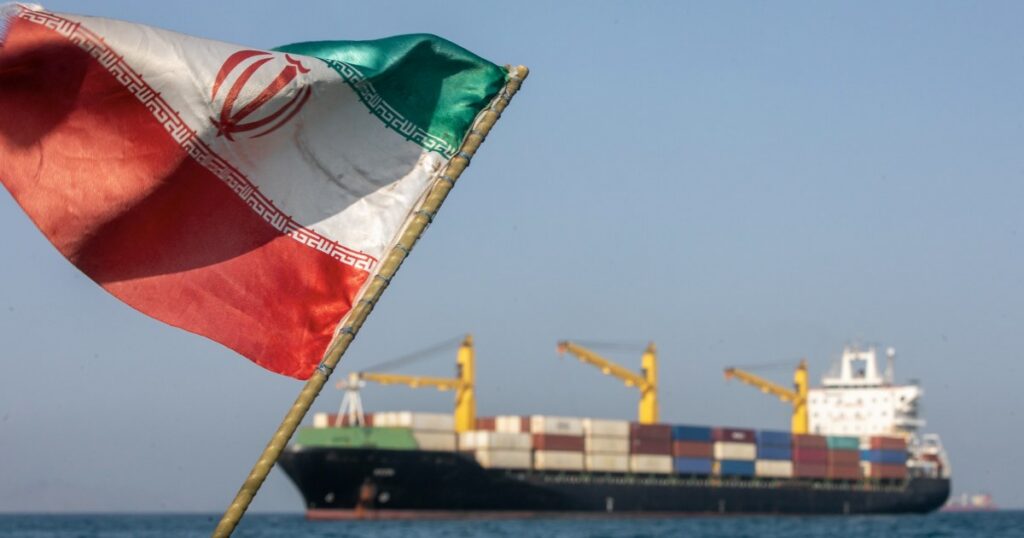
The U.S. conducted self-defense strikes near the Strait of Hormuz targeting Iranian missile sites and boats amid ongoing peace talks. Despite the strikes, Secretary of State Marco Rubio says a deal with Iran remains possible within days.
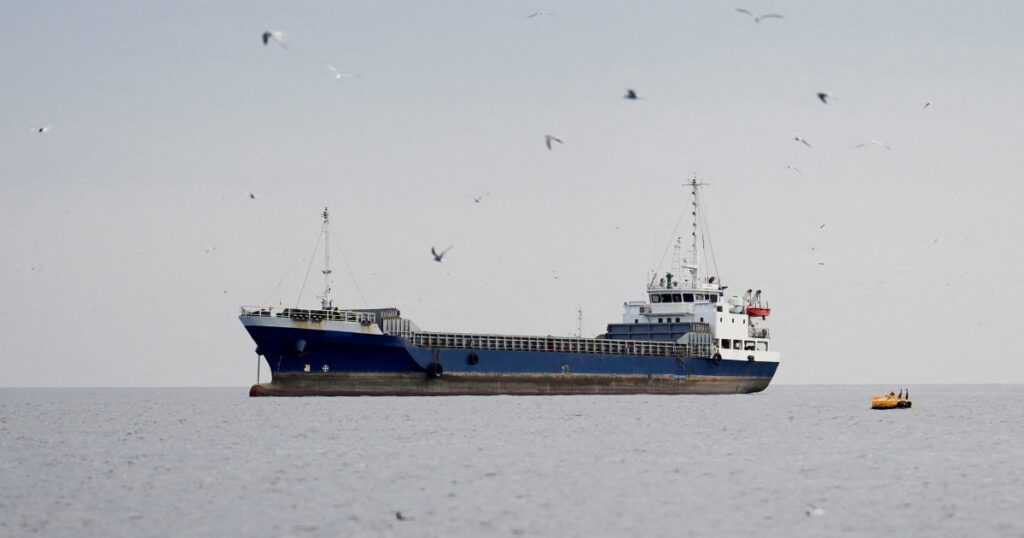
Oil prices fell sharply after Iran declared the Strait of Hormuz open amid a Middle East ceasefire, easing fears of supply disruptions. The announcement boosted global stock markets and lowered U.S. gasoline prices, though uncertainties remain about shipping security and ongoing U.S.-Iran tensions.