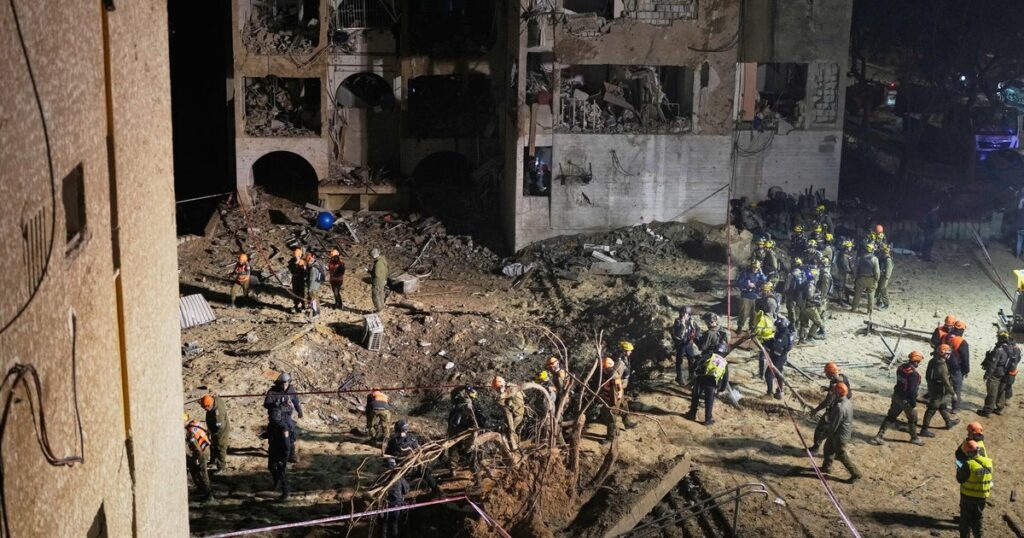
Iranian missile strikes targeted the Israeli towns of Dimona and Arad near the country’s main nuclear research center, injuring at least 90 people and causing significant damage. The attacks followed an airstrike on Iran’s Natanz nuclear facility and marked an escalation in the ongoing conflict, with Israeli officials condemning the strikes as reckless and strategically aimed at civilians. Meanwhile, U.S. intelligence testimony before Congress revealed differing objectives between the U.S. and Israel in the conflict and warned of potential broader regional impacts, including threats to U.S. forces and disruptions to global oil supplies.
Posts tagged as “Benjamin Netanyahu”
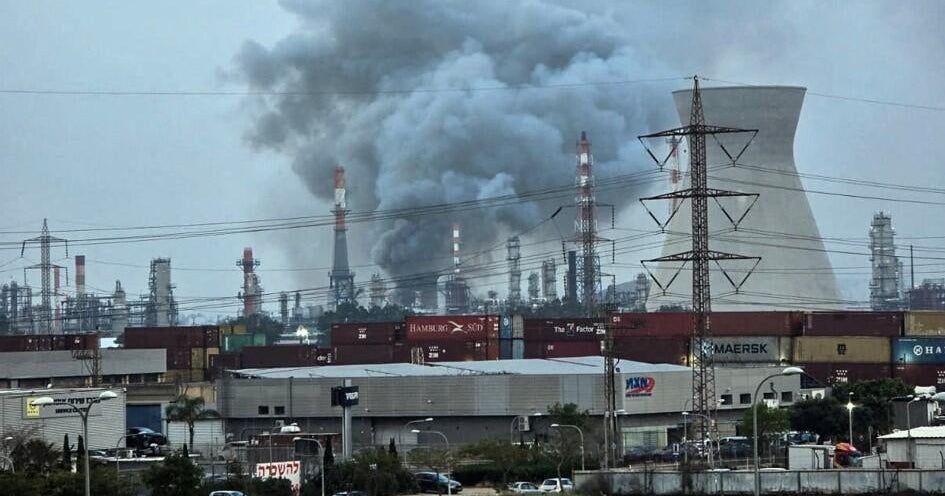
The conflict involving the United States, Israel, and Iran has intensified tensions across the Persian Gulf, with Iran launching retaliatory strikes on energy and civilian infrastructure in neighboring countries, prompting a high-level Gulf states meeting in Riyadh to address the escalating crisis. These attacks have severely impacted regional security and global energy markets, causing significant damage to oil and gas facilities and driving up oil prices, while military confrontations have included missile strikes, air raids, and the emergency landing of a U.S. F-35 jet. Despite widespread alerts and civilian sheltering, Gulf states remain divided on their response, with calls for de-escalation and ceasefire from some, amid fears of broader regional destabilization.
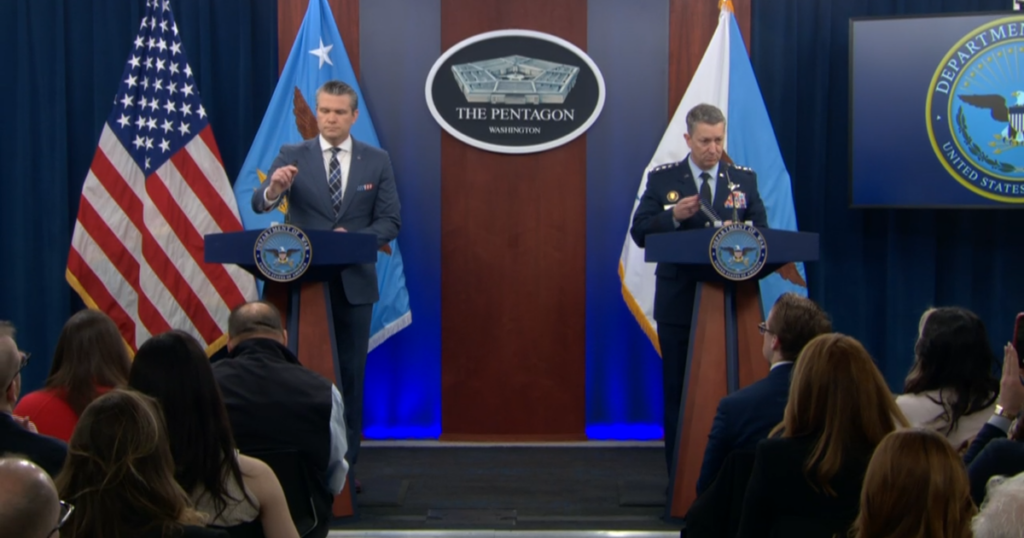
The United States and Israel have escalated military strikes against Iran, with the U.S. conducting over 7,000 attacks on Iranian military and industrial sites as part of Operation Epic Fury, while Israel targeted key Iranian officials and energy infrastructure. These actions have heightened tensions and disrupted global energy markets, prompting President Trump to warn Israel against further attacks on shared resources unless provoked by Iran, and calls for international efforts to reopen the closed Strait of Hormuz. Despite significant damage to Iran’s capabilities, intelligence reports indicate the regime remains intact, amid ongoing investigations into leaks related to the conflict and revelations of covert coordination between the U.S. and Israel.
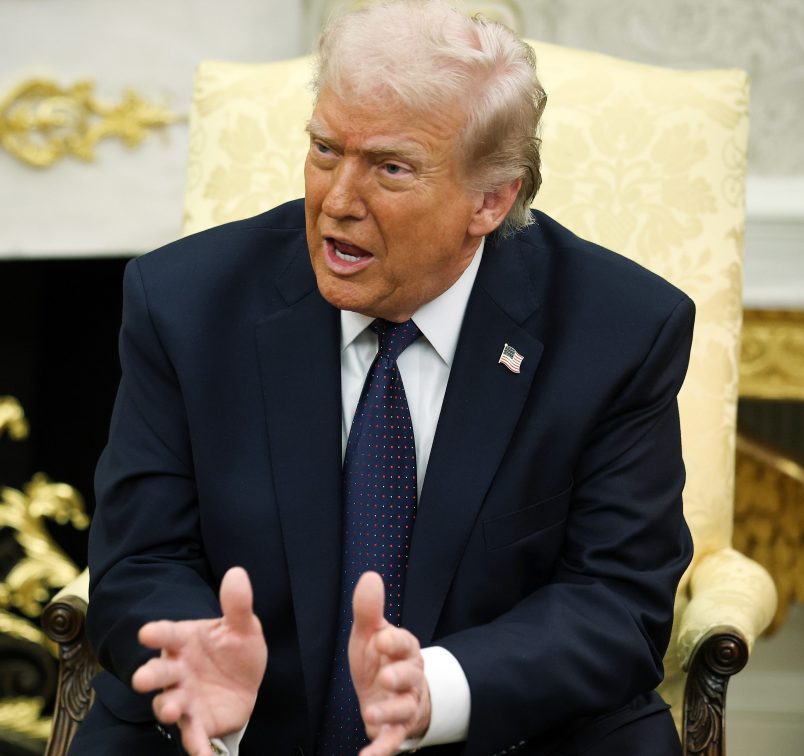
The conflict involving Iran in the Middle East has intensified over nearly two weeks, marked by a tragic U.S. military aircraft crash in Iraq, persistent Iranian drone and missile attacks on Gulf allies, and rising tensions fueled by President Trump’s aggressive rhetoric. These attacks have disrupted critical shipping routes like the Strait of Hormuz, prompting discussions of U.S. naval escorts to protect oil tankers amid soaring global energy prices. Meanwhile, Iran’s internal crackdown on protests and calls from international leaders for regime change highlight the multifaceted and volatile nature of the ongoing crisis.
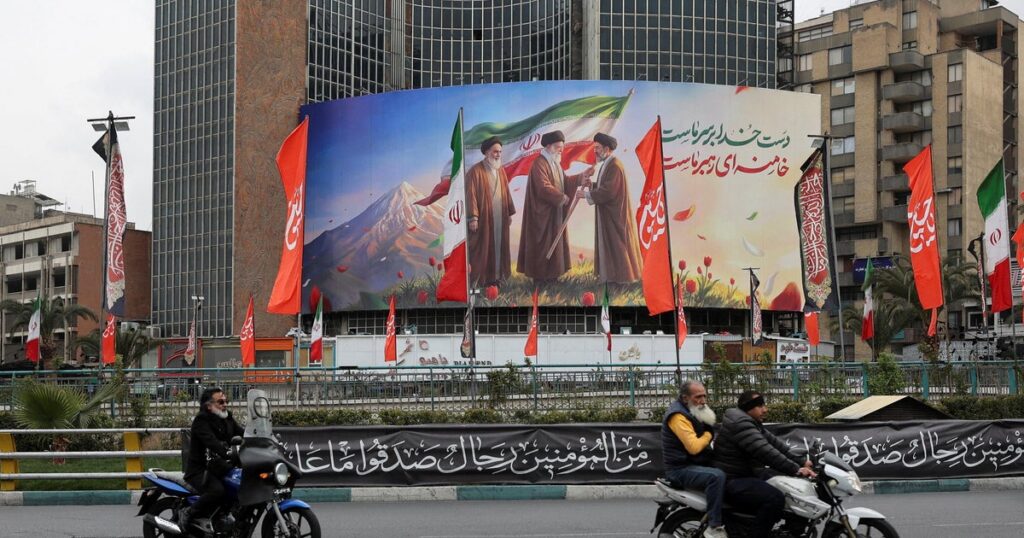
Oil prices have surged due to the escalating Middle East conflict, which has disrupted shipping through the strategic Strait of Hormuz and drawn significant military attention from the U.S. and its allies. Russia has emerged as a key beneficiary of rising energy prices, potentially increasing its oil revenues and military spending amid the ongoing Ukraine war. Meanwhile, the conflict intensifies with attacks on Gulf countries, heightened regional military deployments, and diplomatic efforts to support affected nations and maintain global energy security.
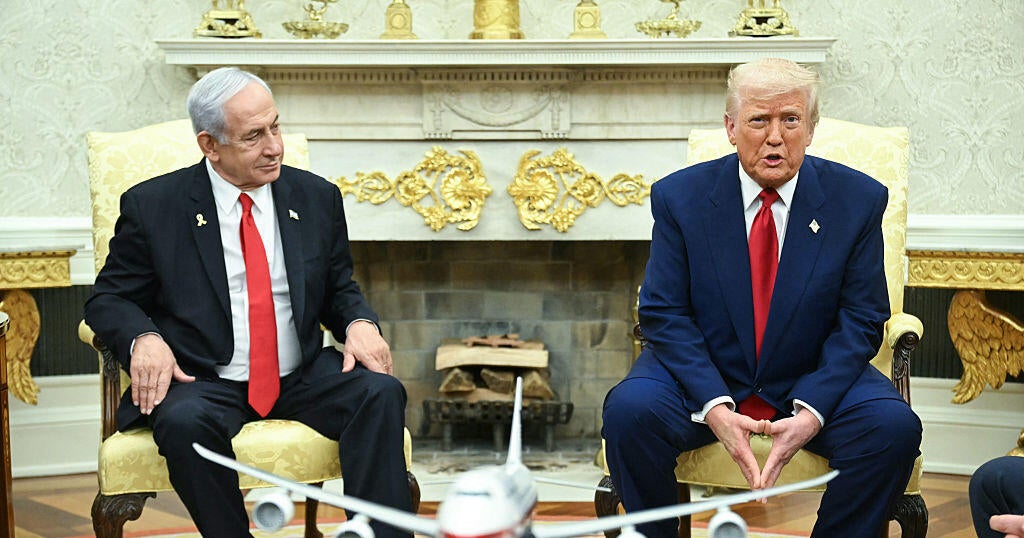
President Donald Trump announced that he will proceed with implementing new tariffs on Wednesday, despite concerns about their impact on the stock market and global economy, emphasizing that countries can adjust trade relations with the U.S. through fair trade deals or by paying tariffs. During a meeting with Israeli Prime Minister Benjamin Netanyahu, Trump also mentioned ongoing talks with Iran, warning of "great danger" if discussions do not go well, and addressed the topic of tariffs on Israel and other countries. Netanyahu indicated that Israel plans to address its trade relationship with the U.S., as part of a broader dialogue involving multiple nations adjusting to the Trump administration's trade policy changes.
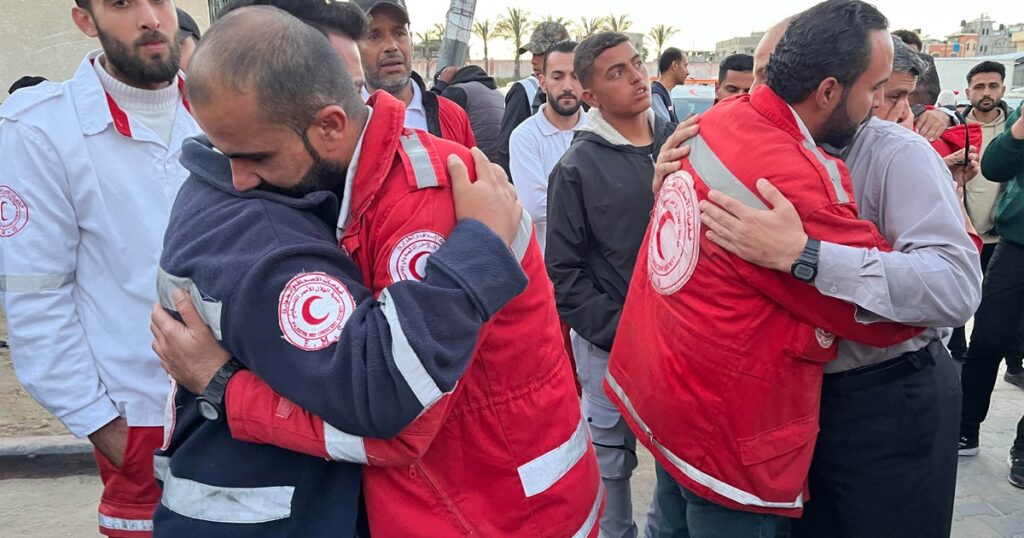
An Israeli soldier has alleged that he was ordered to use Palestinian civilians as human shields in Gaza, amid ongoing regional tensions and the recovery of 14 bodies, including medics and civil defense members, in southern Gaza. The bodies were retrieved after a week of restricted access to Rafah, following evacuation orders from the Israeli military that suggest a potential ground operation. As the conflict persists, international humanitarian organizations express concern over the safety of Gaza's civilian population, especially with one medic still unaccounted for.
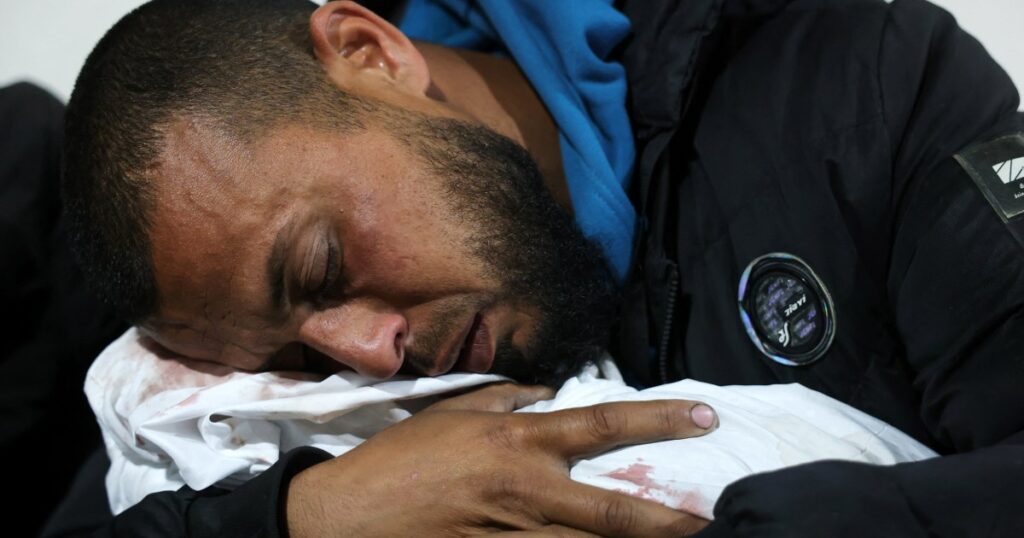
The Gaza Strip has experienced a significant escalation in violence following the breakdown of a truce, with Israeli airstrikes resulting in at least 85 Palestinian deaths overnight, bringing the total fatalities to nearly 600. The surge in hostilities began with Israeli missile barrages on Tuesday, leading to a series of deadly airstrikes, including a devastating attack in Beit Lahiya that killed over a dozen people. In retaliation, Hamas launched rockets towards Israel, highlighting the fragile and volatile nature of the situation as tensions remain high and both sides continue military actions.