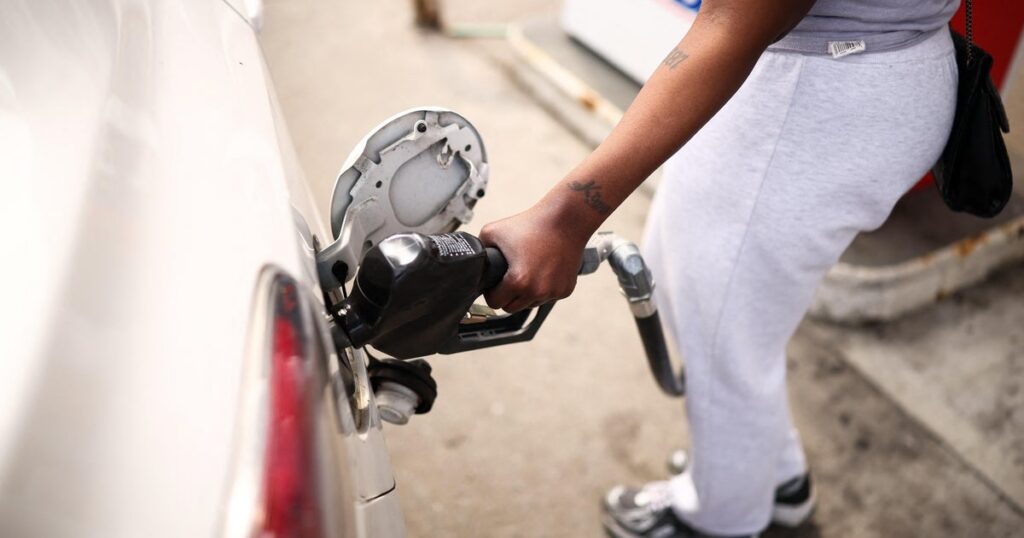
A ceasefire between the U.S. and Iran has eased tensions but gas prices remain high amid uncertainty over the Strait of Hormuz. Experts say any relief at the pump could take weeks and may reverse if the truce falters.
Posts tagged as “Benjamin Netanyahu”
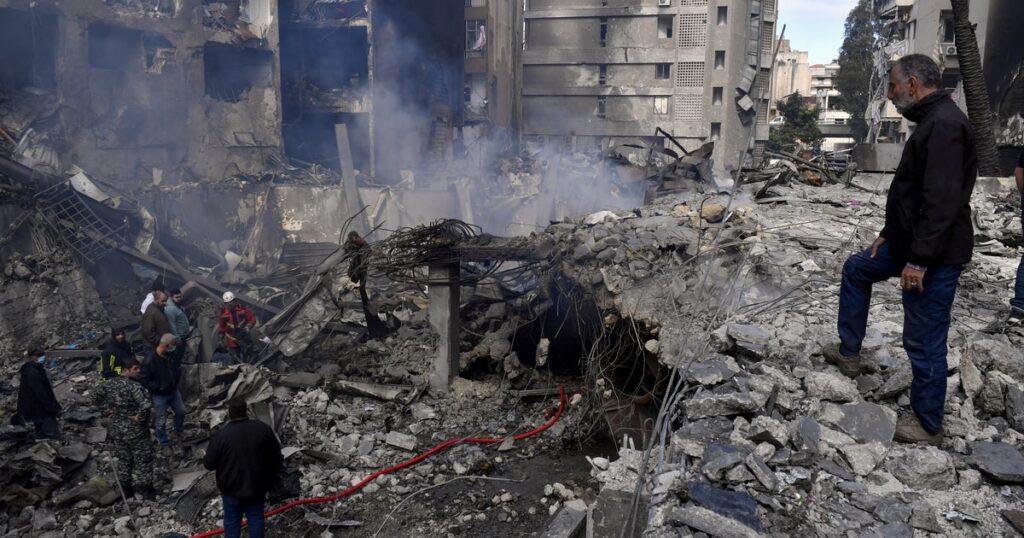
Israel's intensified strikes on Lebanon kill over 200, threatening the fragile US-Iran ceasefire. Global leaders call for inclusion of Lebanon in the truce as Hezbollah retaliates with rocket fire into Israel.
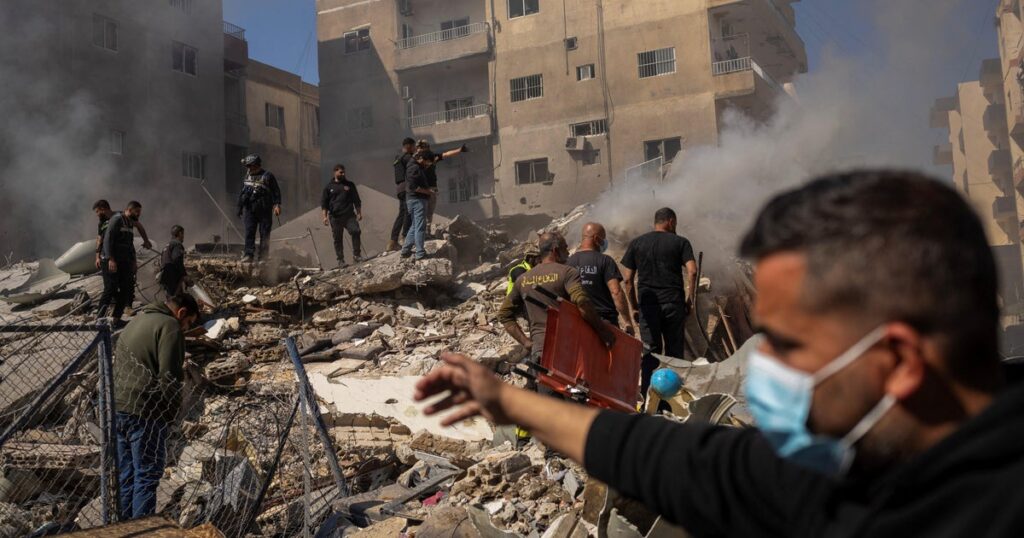
A two-week ceasefire between Iran and the U.S. takes effect amid ongoing Israeli strikes in Lebanon. While markets rally and tanker traffic resumes in the Strait of Hormuz, Israel continues its campaign against Hezbollah, complicating prospects for lasting peace.
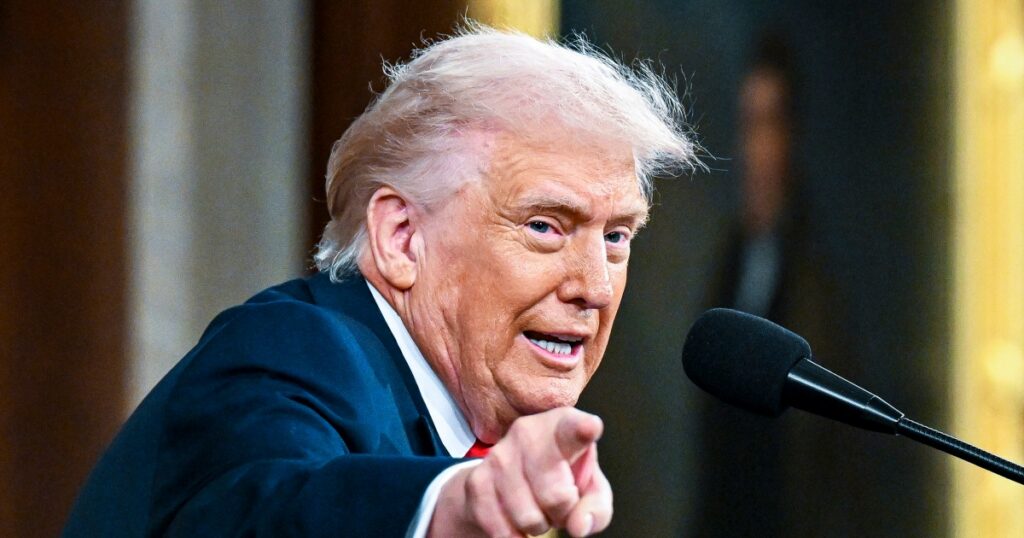
A U.S. airman downed in Iran is rescued in a daring mission as President Trump threatens to strike Iranian power plants and bridges if the Strait of Hormuz remains closed. Iran condemns the threats as war crimes amid ongoing regional tensions.
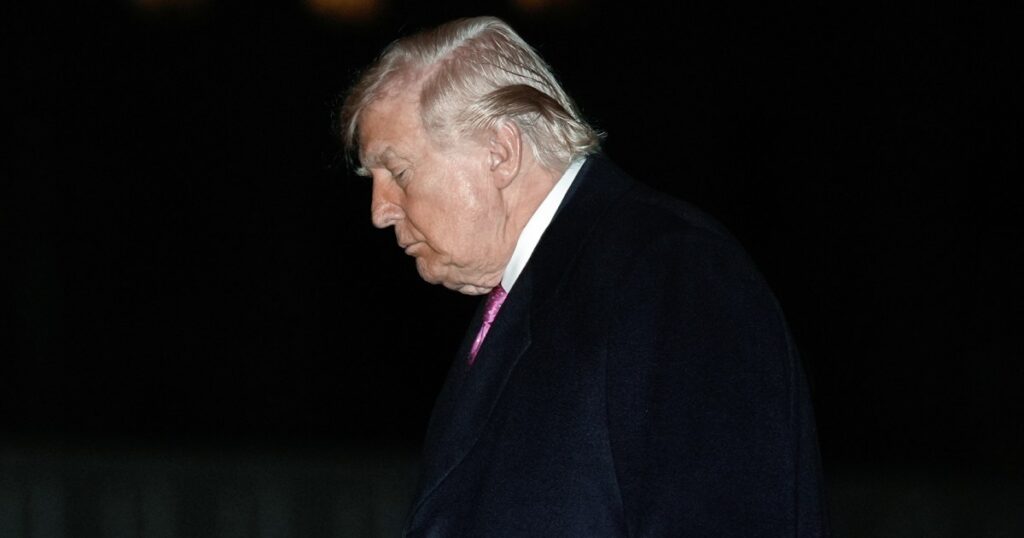
Rising tensions between the United States, Israel, and Iran have led to attacks on critical infrastructure, including a water desalination plant on Qeshm Island and an Iranian drone strike on a Kuwaiti oil tanker, causing regional instability and driving up global energy prices. Israeli Prime Minister Netanyahu claimed significant military progress against Iran and proposed alternative energy routes to bypass Iranian-controlled waterways, while the U.S. considers further military options to secure the Strait of Hormuz. Despite ongoing behind-the-scenes diplomatic efforts, direct negotiations remain stalled as both sides maintain firm demands, prolonging the conflict and uncertainty in the region.

An American-born Israeli soldier, Sgt. Moshe Yitzchak Hacohen Katz, was killed in combat in southern Lebanon amid ongoing hostilities between Israel and Hezbollah, with details of his death undisclosed. The conflict, which has caused nearly 1,200 deaths in Lebanon and significant displacement of over one million people, has intensified as Israel expands its military campaign to establish a security zone along the border. Humanitarian concerns have been raised by the UN and aid organizations, urging a ceasefire to prevent further escalation and suffering.
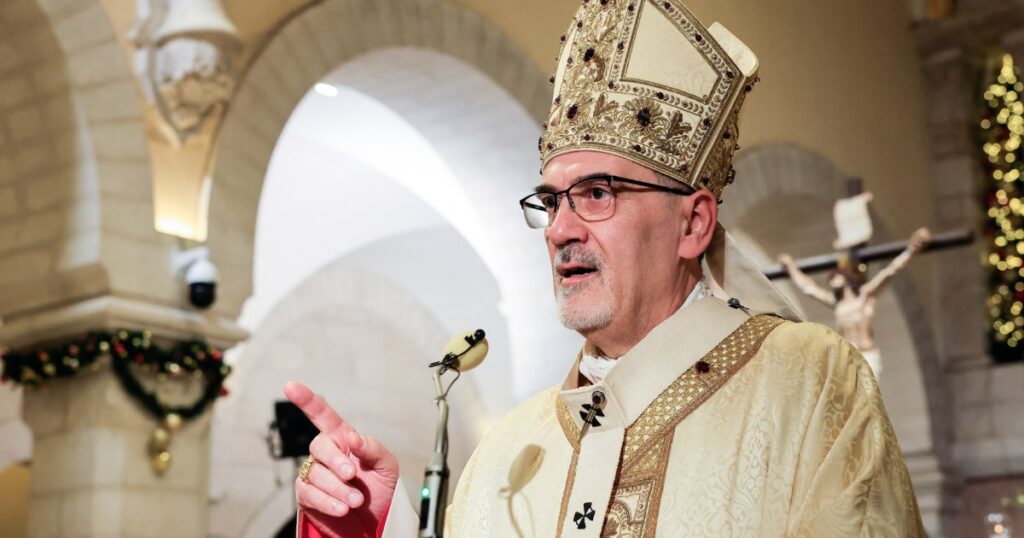
On Palm Sunday, Israeli police prevented Cardinal Pierbattista Pizzaballa and Reverend Francesco Ielpo from entering the Church of the Holy Sepulchre, marking the first time in centuries that the traditional Mass could not be held there, due to heightened security amid conflict between Israel and Iran. The move, justified by Israeli authorities as a safety measure against missile threats, sparked widespread international condemnation for infringing on religious freedoms and access to holy sites. In response to the backlash, Israeli Prime Minister Netanyahu’s office pledged to facilitate worship for church leaders during the remainder of Easter week, highlighting the ongoing tension between security and religious rights in Jerusalem.
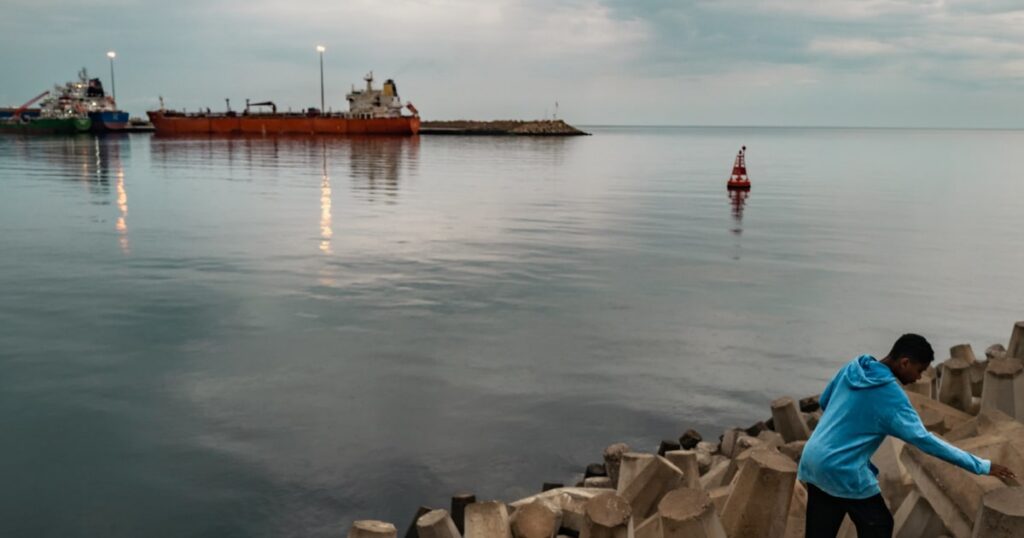
Amid escalating conflict between Iran and Israel following U.S. and Israeli strikes, diplomatic efforts involving indirect talks facilitated by Pakistan and other regional players have reportedly begun, though official confirmations remain pending. The war has caused over 2,000 deaths, displaced millions, and disrupted global energy markets, pushing Brent crude oil prices above $100 a barrel amid fears of supply shortages. Despite ongoing hostilities marked by missile strikes and air raids, U.S. President Donald Trump expressed cautious optimism about potential negotiations, while regional tensions and economic risks continue to mount.