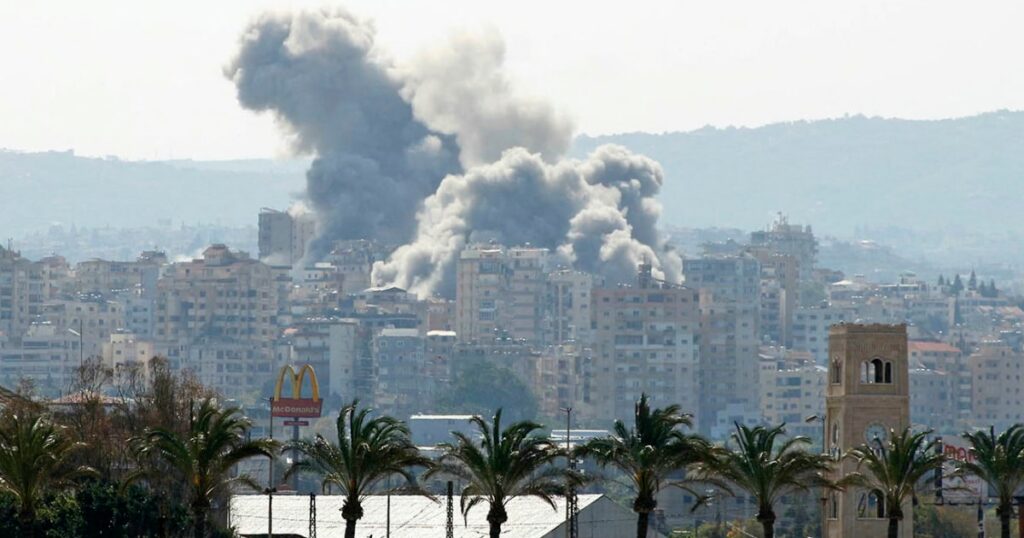
A 10-day ceasefire between Israel and Lebanon begins amid ongoing conflict with Hezbollah and regional tensions involving Iran. The truce aims to pave the way for peace talks, though challenges remain as violations and military deployments continue.
Posts tagged as “Belarussian”

Hungarian Prime Minister Viktor Orbán concedes defeat after 16 years as opposition leader Peter Magyar’s center-right party wins a parliamentary supermajority. European leaders welcome the shift toward European Union values.
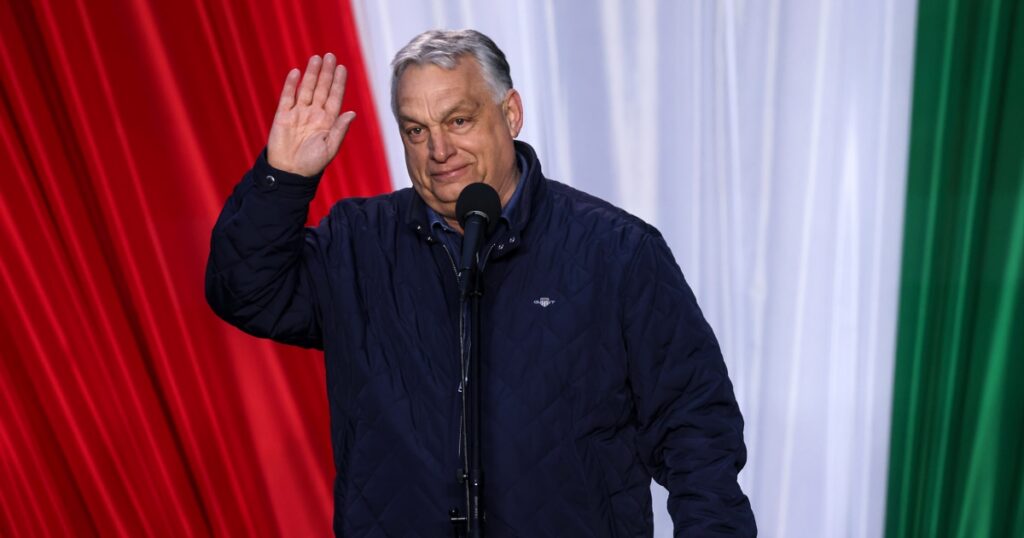
Hungary’s April 12 election could end Viktor Orbán’s 16-year rule amid concerns over electoral fairness and entrenched authoritarian structures. Opposition leader Péter Magyar campaigns for regime change, but systemic obstacles remain.
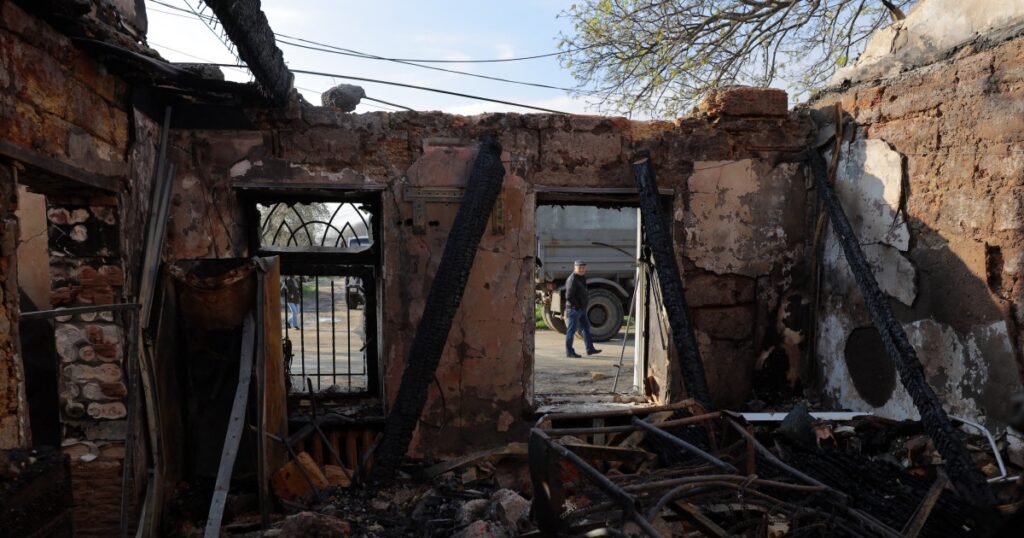
Russian drone strikes killed two and wounded two in Odesa ahead of a 32-hour Orthodox Easter ceasefire. A prisoner exchange returned 175 Russian soldiers, while both sides prepared for the ceasefire amid ongoing tensions.
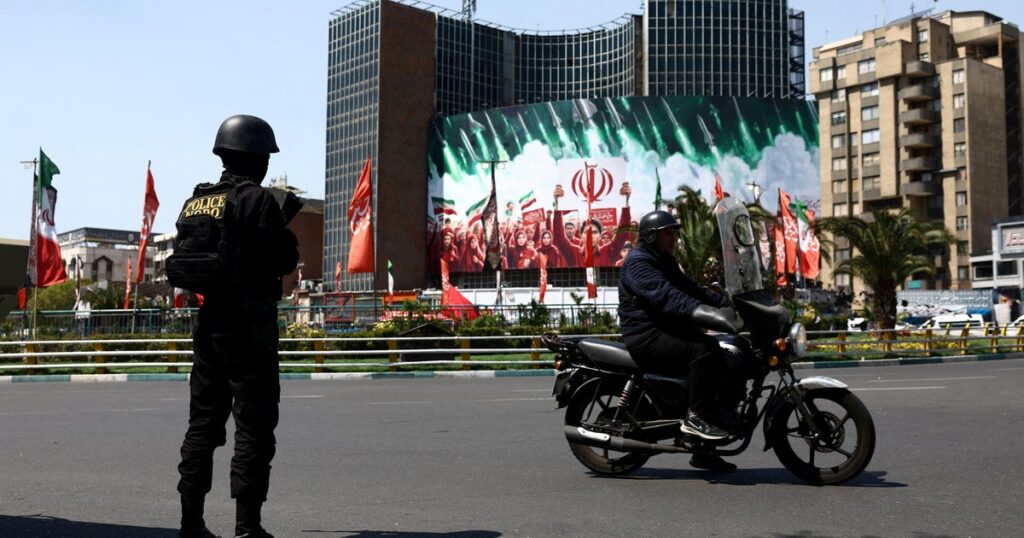
President Donald Trump indicated that U.S. military operations against Iran could end within two to three weeks, leading to a decline in oil prices and gains in global stock markets amid hopes for de-escalation. Trump also threatened to withdraw the U.S. from NATO over European allies’ lack of support for the Iran campaign, raising concerns among members and potentially benefiting Russia. Meanwhile, Pakistan has offered to mediate peace talks between the U.S. and Iran, backed by regional powers, but its efforts are complicated by ongoing conflict with Afghanistan that threatens regional stability.
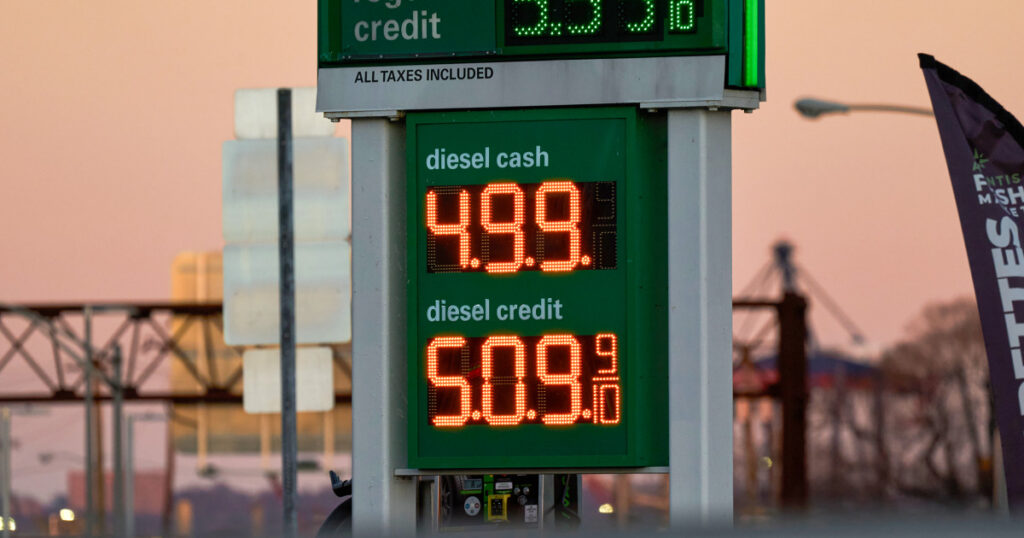
Gasoline and diesel prices in the U.S. have surged to levels not seen since mid-2022, driven by escalating conflict involving Iran and disruptions to oil supply through the Strait of Hormuz. The war has caused crude oil prices to rise sharply, with diesel reaching $5.45 per gallon and gasoline surpassing $4.00, leading to significant economic impacts such as reduced consumer spending and increased household fuel expenses. Globally, energy-dependent countries face inflation and economic slowdowns as the conflict continues to disrupt oil markets.
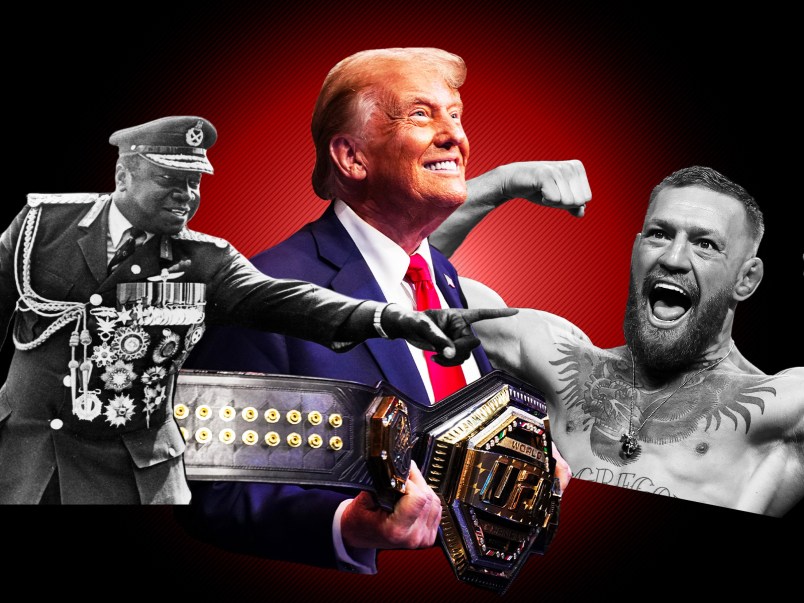
In March 2026, the Trump administration strengthened its ties with the combat sports world through an FBI partnership with the UFC and the appointment of former MMA fighter Senator Markwayne Mullin as Secretary of Homeland Security, highlighting the growing influence of combat sports within conservative politics. This connection is rooted in Trump’s longstanding affinity for combat sports and is further amplified by prominent fighters and media figures like Joe Rogan who promote right-wing ideologies and alternative health views. Concurrently, escalating Middle East tensions involving Russia, Iran, and U.S. forces have intensified debates in the Senate over military responses, amid broader regional conflicts with significant global implications.
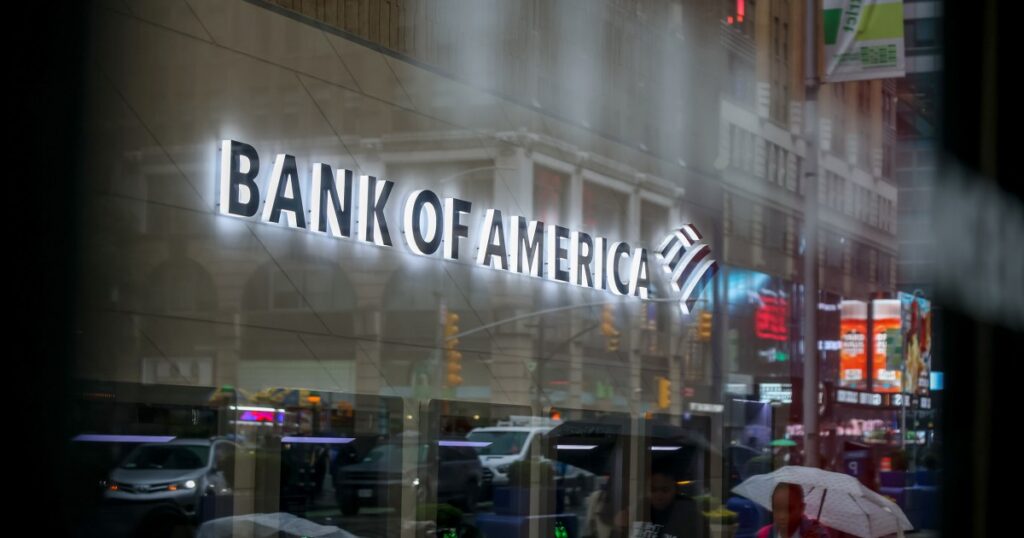
Bank of America has agreed to a $72.5 million settlement in a lawsuit alleging the bank facilitated Jeffrey Epstein’s sex trafficking operation by providing banking services while ignoring warning signs and regulatory duties. The lawsuit, filed on behalf of Epstein’s alleged victims, accuses the bank of enabling Epstein’s control over victims and highlights the involvement of billionaire Leon Black, who allegedly transferred funds used to finance Epstein’s activities. This settlement is part of a broader legal effort targeting financial institutions that supported Epstein, following similar settlements by JPMorgan Chase and Deutsche Bank.