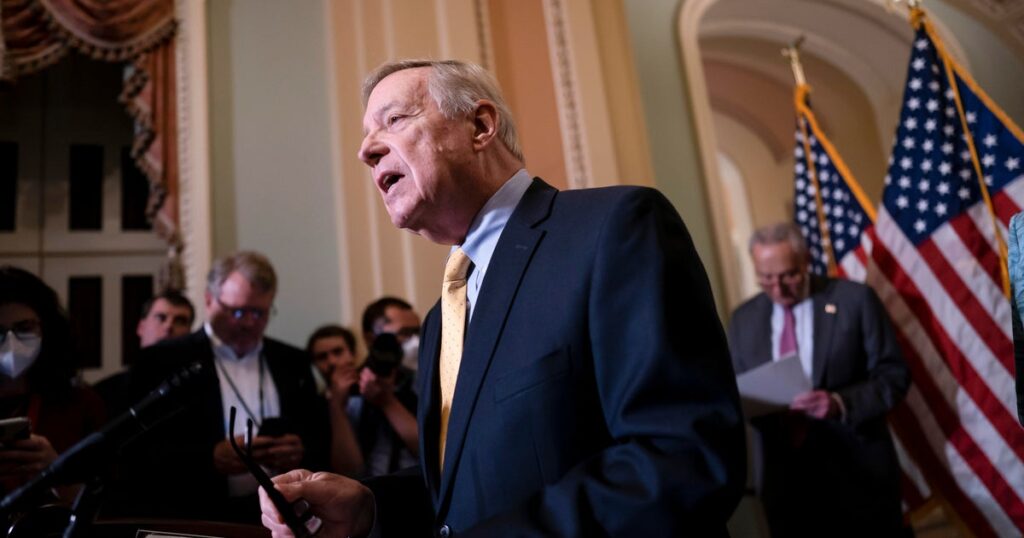
Senator Dick Durbin of Illinois has announced he will not seek re-election in 2026, ending his long tenure in Congress and expressing gratitude for the support from his constituents. His decision will leave a vacancy in the Senate's Democratic leadership and is expected to lead to a competitive primary race in the Democratic-leaning state. Durbin, who has played significant roles in legislative efforts and party leadership, emphasized the importance of passing the torch to a new generation of leaders.
Posts tagged as “Arizona Senate”
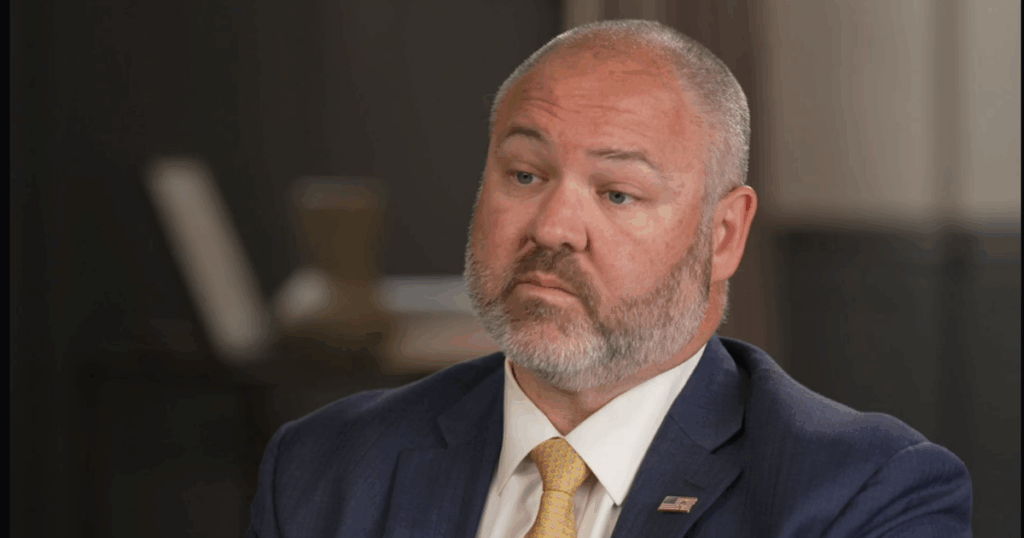
Gary Shapley was replaced as acting commissioner of the IRS just 48 hours after his appointment, following concerns from Treasury Secretary Scott Bessent that Shapley was appointed without President Trump's knowledge and possibly influenced by Elon Musk. Shapley, who succeeded Melanie Krause after her resignation, is expected to continue advising Secretary Bessent despite his brief tenure. The IRS leadership remains uncertain as President Trump's nominee, Billy Long, awaits Senate confirmation amid whistleblower allegations related to President Biden.
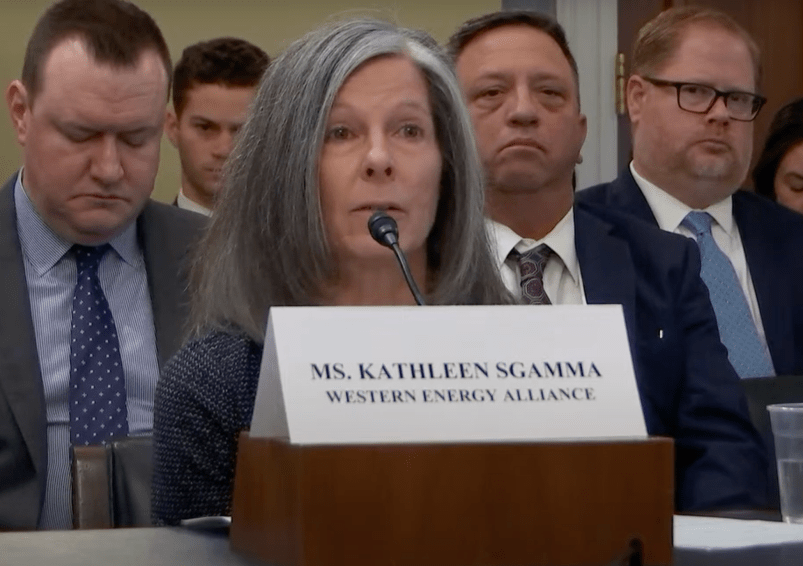
Democratic Senator Michael Bennet is reportedly planning to run for governor of Colorado, aiming to succeed the term-limited Governor Jared Polis, amidst a trend of Democratic support in the state. Despite his current Senate term running until 2028, Bennet's potential gubernatorial bid reflects a broader trend of Democrats seeking roles outside Washington, as several Senate Democrats announce retirements. Meanwhile, Kathleen Sgamma's withdrawal from her nomination to lead the Bureau of Land Management underscores ongoing debates over energy policies, adding another layer of complexity to the political landscape as Bennet prepares to enter the race.
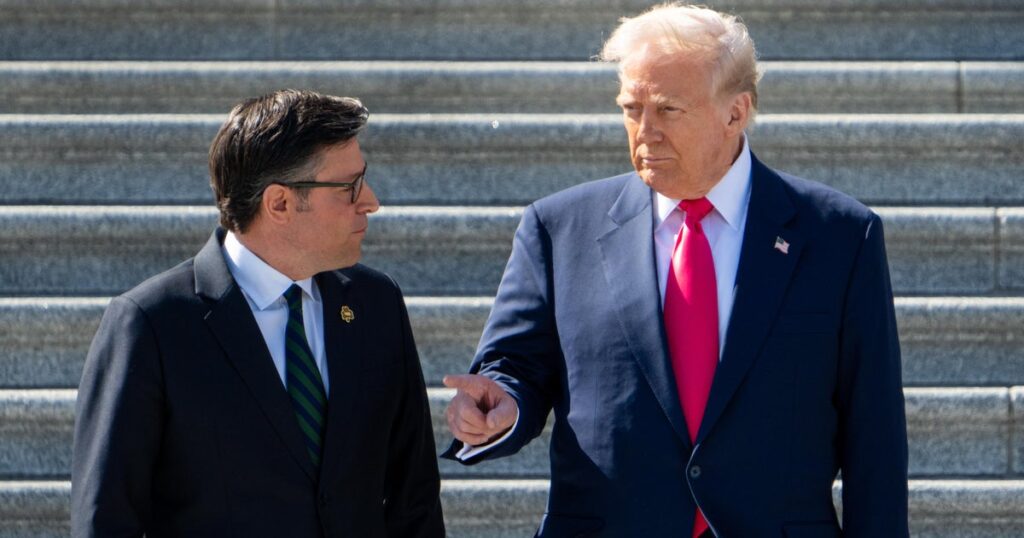
The House of Representatives postponed a vote on a budget resolution due to resistance from conservative members concerned about the proposed spending cuts, which are part of President Donald Trump's legislative priorities. Despite initial delays, House Speaker Mike Johnson expressed optimism about securing enough votes after addressing the concerns of fiscal conservatives. The resolution's passage is critical for advancing Trump's agenda, including border security and tax policy, highlighting the need for consensus within the Republican Party.
House GOP Leaders Push Forward with Budget Vote Amid Internal Divisions and Trump’s Lobbying Efforts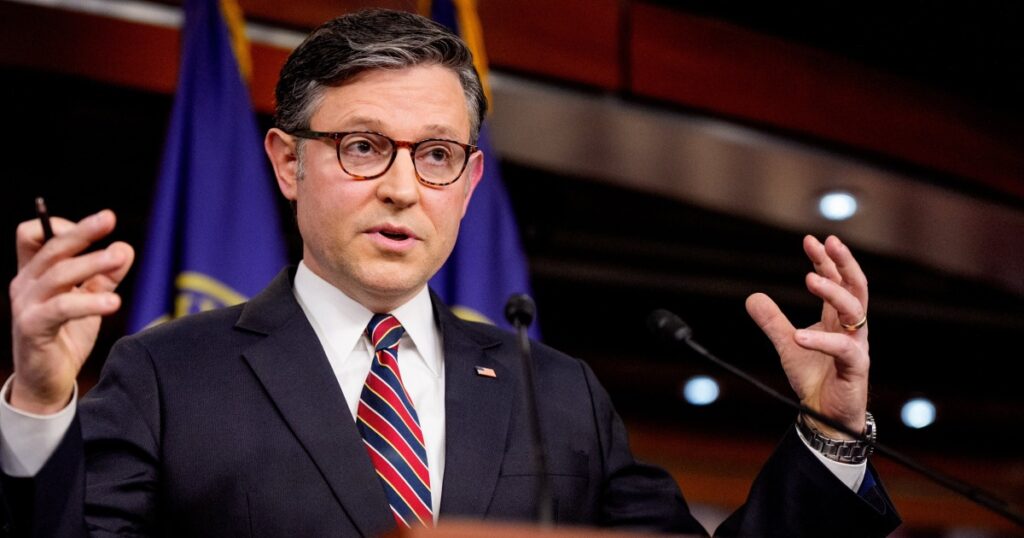
House GOP Leaders Push Forward with Budget Vote Amid Internal Divisions and Trump’s Lobbying Efforts
House Republican leaders are pushing for a vote on a new budget blueprint to advance President Donald Trump's legislative agenda, despite opposition from hard-line conservatives unhappy with the Senate's proposed spending cuts. The budget resolution is essential for extending Trump's tax cuts and implementing his priorities, but its passage in the House is uncertain due to a narrow division among members. President Trump has been actively engaging with Republican lawmakers, including hosting meetings and a fundraising dinner, to rally support for the Senate's version of the resolution, though the outcome of the vote remains unclear.
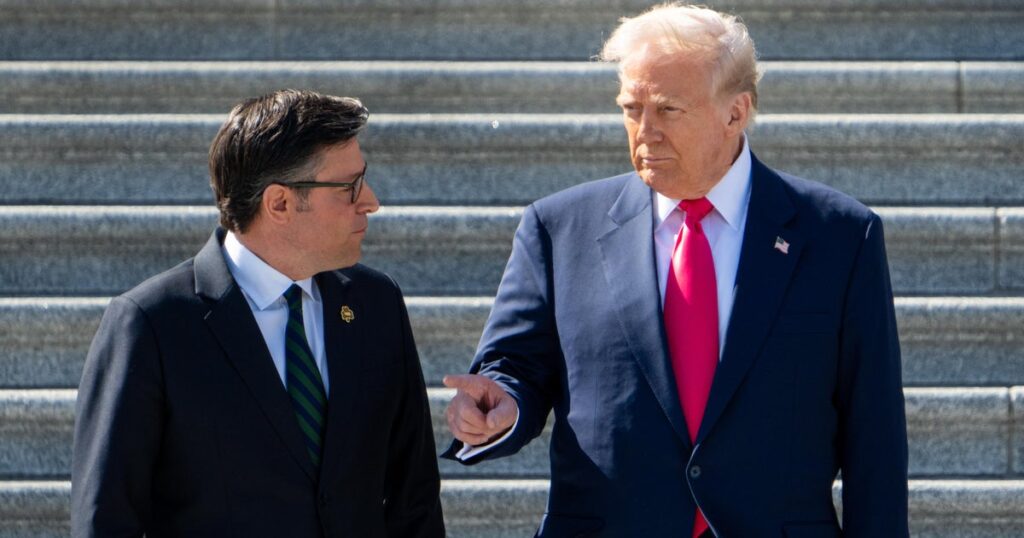
In recent U.S. political developments, President Trump has been influenced by figures like Elon Musk and Stephen Miller to consider measures against judges who rule unfavorably on his executive actions, raising concerns about judicial independence. Trump is seeking support from Republican lawmakers for a 70-page resolution outlining his priorities in border security and defense, but faces opposition from some House Republicans over spending cuts. House Speaker Mike Johnson and Representative Jim Jordan are involved in discussions about the judiciary, with Johnson considering eliminating certain federal courts and Jordan advocating for defunding parts of the judicial branch, highlighting internal Republican debates as the House prepares to vote on the resolution.
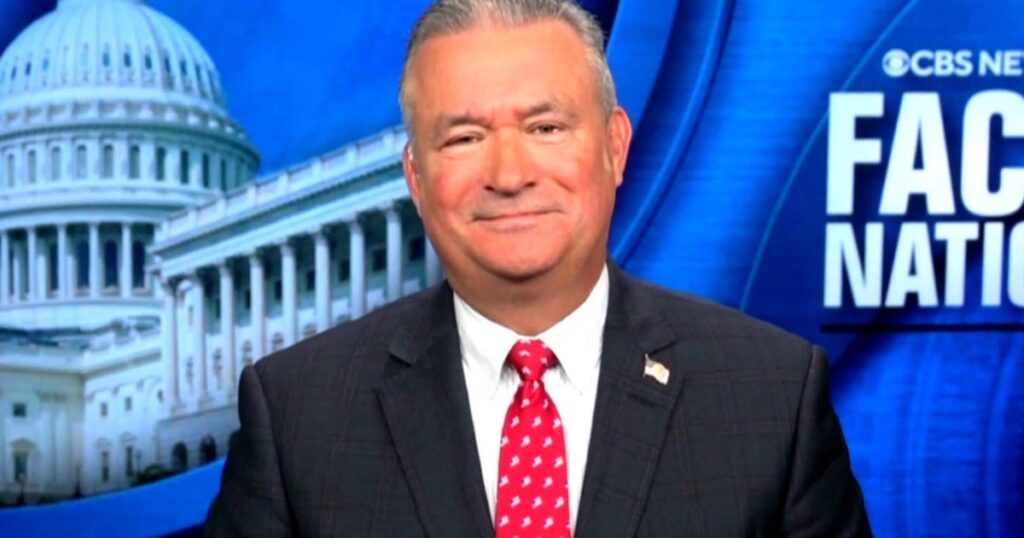
Rep. Don Bacon, a Republican from Nebraska, is advocating for a legislative proposal to restore congressional authority over tariffs, responding to concerns about the executive branch's overreach following President Trump's tariff implementations. This initiative parallels a similar Senate measure, highlighting bipartisan interest in re-evaluating the balance of power between Congress and the executive branch in trade policy. Despite growing support, House Speaker Mike Johnson opposes considering a Senate bill that would limit the President's unilateral tariff powers, reflecting ongoing debates about the separation of powers and congressional oversight in U.S. trade policy.
During a Senate Homeland Security and Governmental Affairs Committee hearing, Eric Ueland discussed the Trump administration's plan to propose a "rescission package" of government spending cuts, which has sparked debate over its constitutional validity. The proposed cuts have already faced legal challenges from conservative groups questioning their legal foundation, but the White House remains confident in its congressional support. Senator John Barrasso emphasized that the administration's intentions with the cuts are genuine and not merely a negotiation tactic, underscoring the complexities of federal budget management and the legal issues involved.