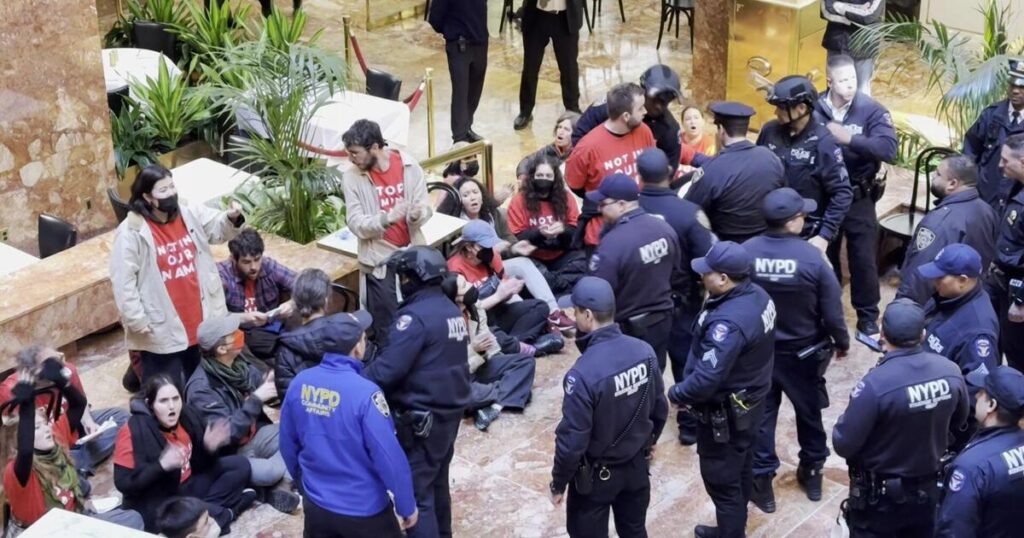
On March 13, 2025, a protest organized by Jewish Voice for Peace took place at Trump Tower in Manhattan, demanding the release of Mahmoud Khalil, a Palestinian activist and Columbia University graduate student detained by ICE. Demonstrators, wearing red T-shirts and chanting "Free Mahmoud," staged a sit-in within the building's lobby, drawing significant attention to Khalil's situation. The protest, which resulted in several arrests by the NYPD, is part of a larger movement advocating for activists' and immigrants' rights, highlighting ongoing debates about immigration enforcement in the United States.
Posts tagged as “anti-Palestinian”
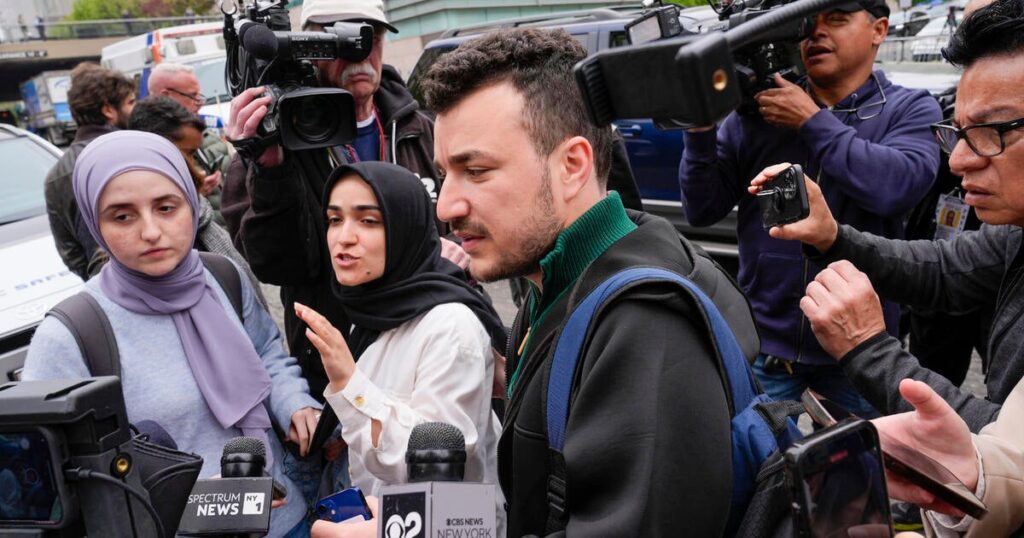
Khalil, a pro-Palestinian activist known for leading student protests at Columbia University, is facing deportation proceedings in the United States, following his detention in Louisiana under executive orders aimed at prohibiting anti-Semitism. His case has garnered attention due to his involvement in nationwide demonstrations advocating for Palestinian rights and has sparked discussions about the legal grounds for deporting a green card holder. A recent judicial intervention by Judge Jesse Furman has temporarily halted Khalil's deportation, highlighting the complexities of immigration law in cases involving activism and political expression.
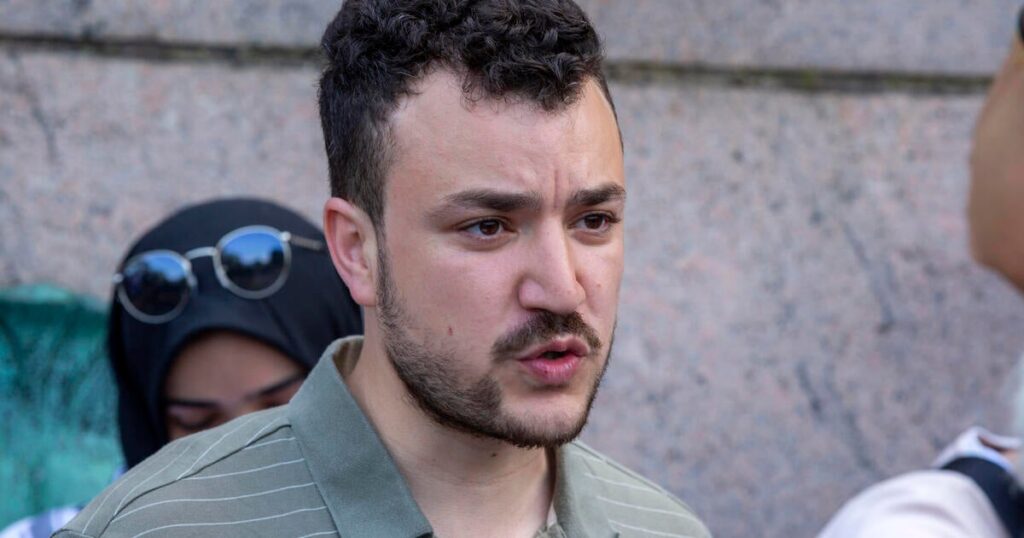
President Donald Trump announced a crackdown on what he described as "pro-terrorist, anti-Semitic, anti-American" activities on college campuses, attributing protests against Israel's conflict with Hamas to "paid agitators." The arrest of Palestinian activist Mahmoud Khalil by federal immigration authorities, following the revocation of his student visa, marks a significant step in this initiative, with more arrests anticipated at other universities. This development has sparked discussions about the balance between national security and freedom of expression, particularly concerning the rights of international students involved in campus activism.
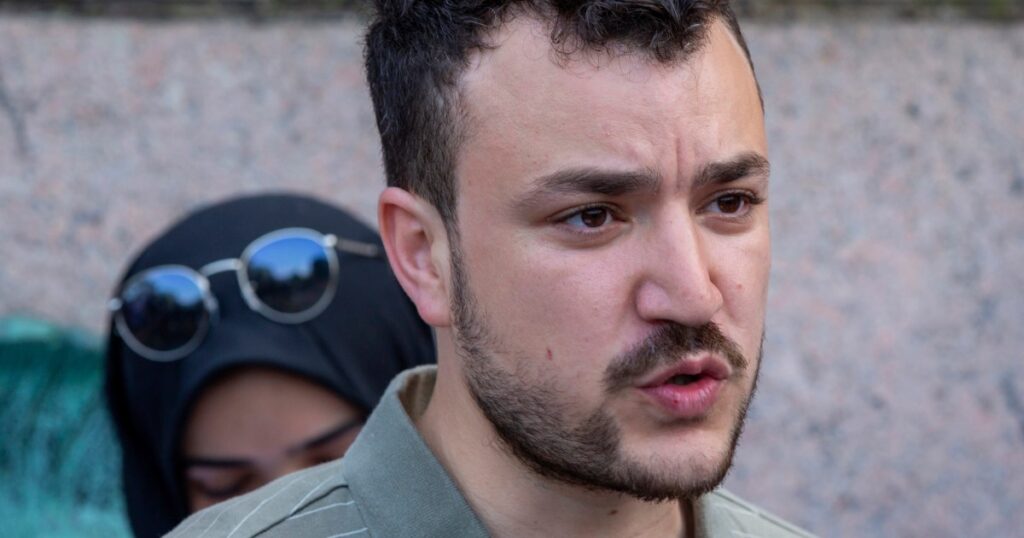
Federal immigration authorities arrested Mahmoud Khalil, a Palestinian graduate student and activist known for leading protests at Columbia University, in New York City. The arrest, carried out by ICE agents, was reportedly based on a State Department order to revoke his green card, though the reasons for this decision remain unclear. Khalil's legal team plans to challenge the arrest, which has garnered attention from advocacy groups concerned about its implications for free speech and activism.
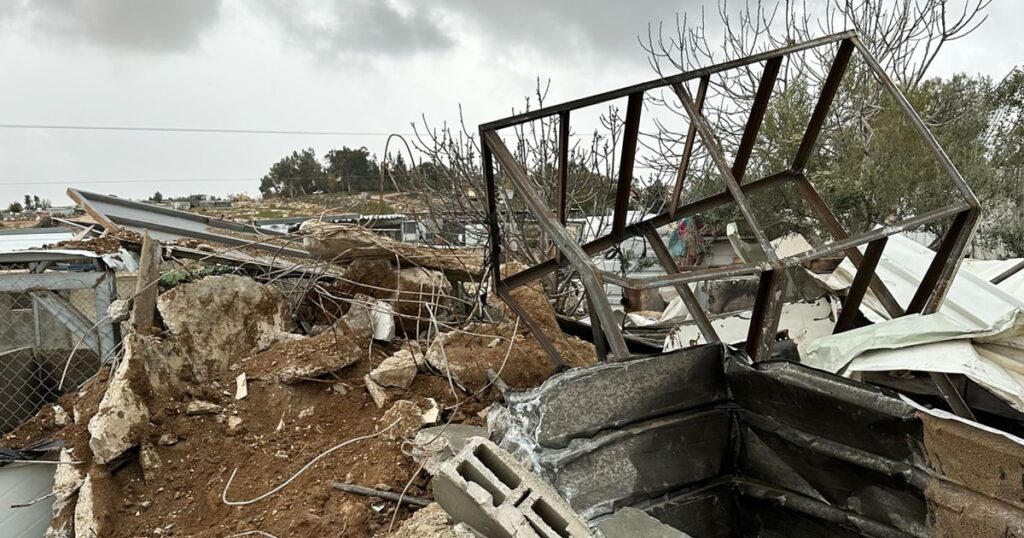
The ceasefire in the Gaza Strip is under threat as tensions rise between Israel and Hamas over the terms of a proposed second phase, following an initial agreement that saw the release of hostages and prisoners. Despite the temporary halt in violence, reluctance from both parties to engage in further negotiations and recent events, such as home demolitions in the West Bank, have strained the fragile peace. The deteriorating humanitarian situation in Gaza, marked by severe food shortages, adds urgency to finding a sustainable resolution, with the international community closely monitoring the situation to prevent renewed conflict.
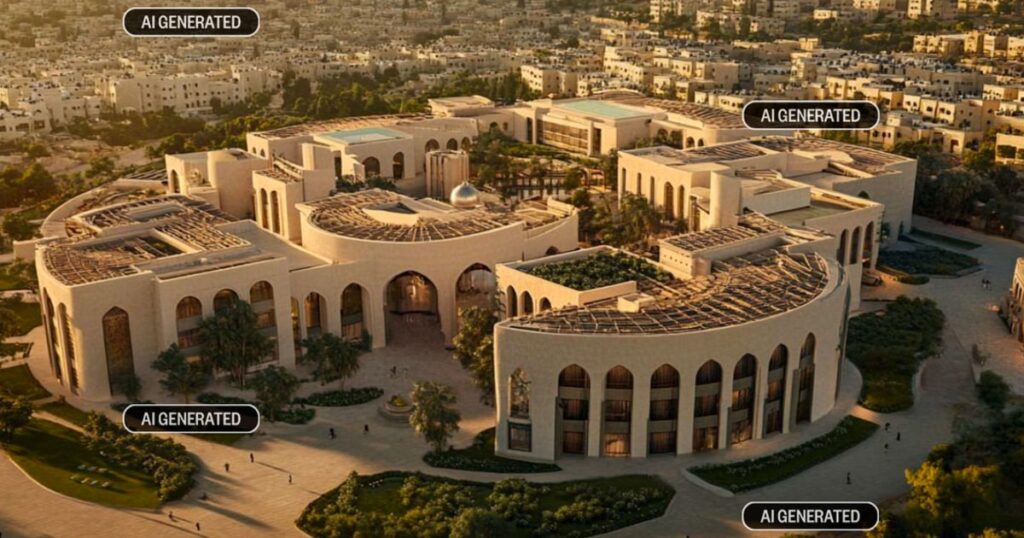
At an emergency summit in Cairo, Arab nations, led by Egypt, proposed a $53 billion plan to reconstruct the Gaza Strip, aiming to rebuild the area without displacing its over 2 million Palestinian residents. This plan, supported by the Arab League, contrasts sharply with a controversial suggestion by former U.S. President Donald Trump, which involved transforming Gaza into a luxury real estate development by displacing its current population. However, the proposal has been rejected by both the United States and Israel, who argue that Gaza is uninhabitable and support Trump's vision of redevelopment, highlighting the ongoing complexities and differing perspectives on addressing the region's challenges.
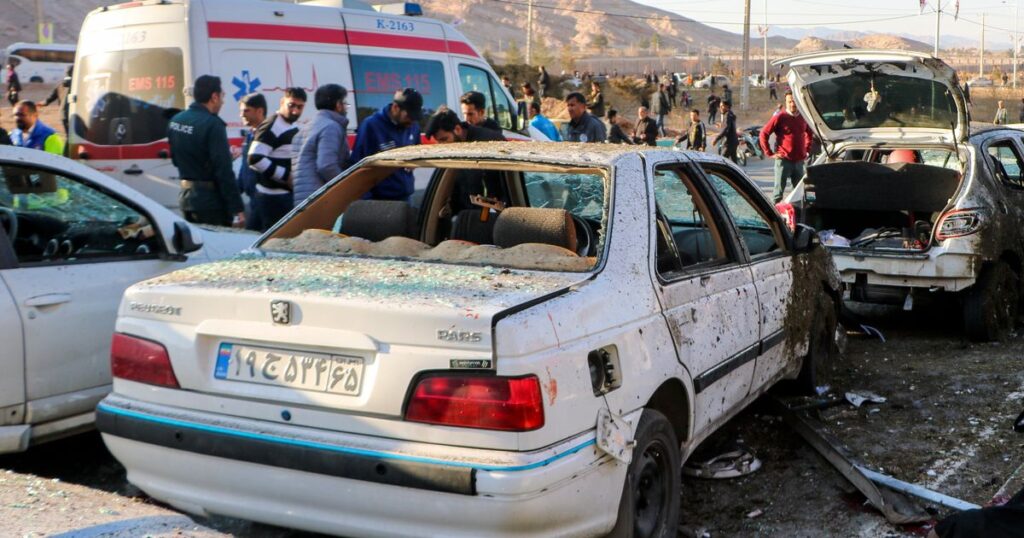
Two bomb blasts at a commemoration event in Kerman, Iran on Wednesday have killed at least 103 people and injured 188. The attack is the deadliest since the 1979 Islamic Revolution and has been blamed on Israel by Hezbollah leader Sayyed Hassan Nasrallah. Iranian officials have promised to investigate the incident and bring those responsible to justice.
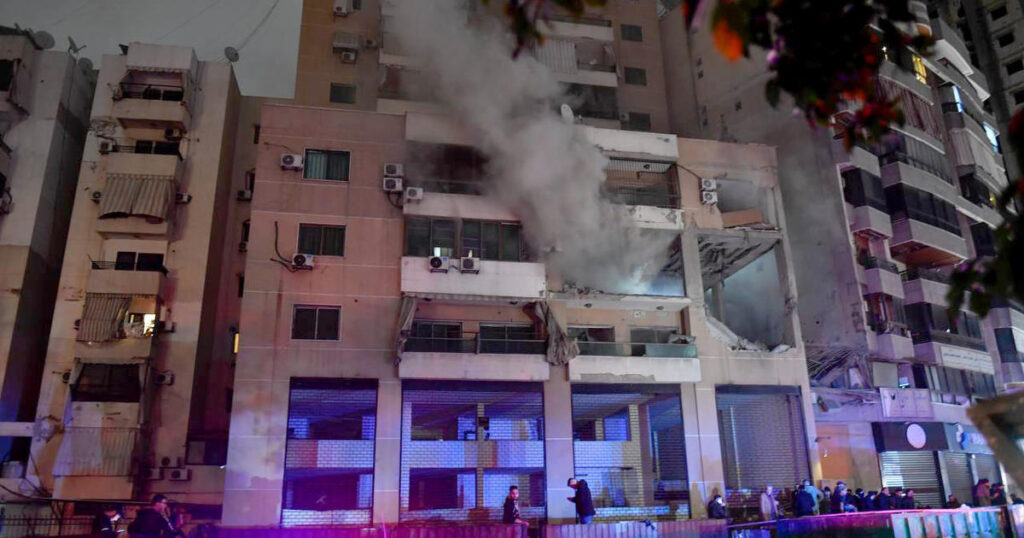
Four people were killed in a suspected Israeli drone attack in Beirut, Lebanon on Tuesday, including a top official with the Palestinian militant group Hamas. Lebanon's Prime Minister Najib Mikati called the attack a "crime" and Hezbollah leader Sayyed Hassan Nasrallah has vowed to retaliate against any Israeli targeting of Palestinian officials in Lebanon. International condemnation has called for an independent investigation into the cause of the explosion, as tensions between Israel and Lebanon continue to rise.