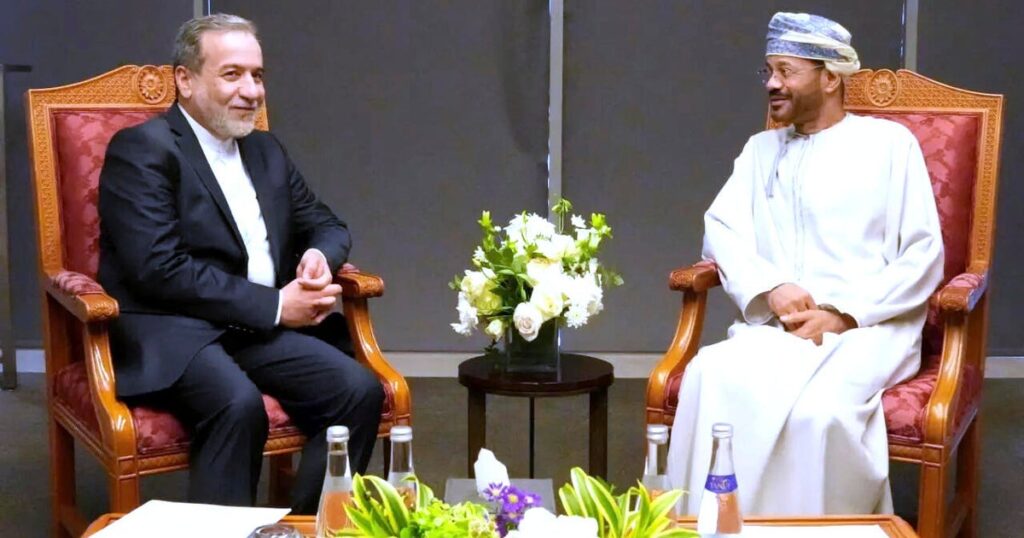
Negotiations between the United States and Iran have begun in Oman to address Iran's advancing nuclear capabilities, a longstanding issue of global concern. Iran faces a critical decision between halting its nuclear ambitions, which could increase its vulnerability, or continuing its development and risking military action from Israel and the United States. The talks are pivotal, as the outcome could significantly affect regional stability and global security, with the international community closely monitoring the situation.
Posts tagged as “anti-Iranian”
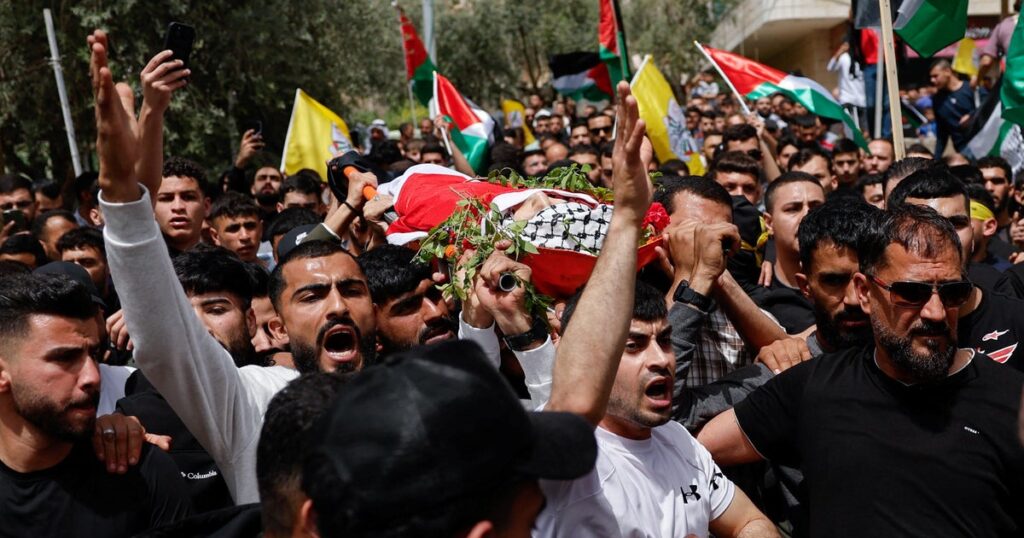
President Donald Trump announced that the United States will engage in direct negotiations with Iran regarding its nuclear program, warning of "great danger" if Iran does not abandon its nuclear ambitions. Concurrently, the Israel Defense Forces reported an incident where soldiers opened fire on individuals allegedly threatening civilian safety, resulting in one fatality. In the Israeli-occupied West Bank, the funeral of 14-year-old Palestinian-American Amir Mohammed Rabee, who was shot and killed, underscores the ongoing regional tensions as the U.S. prepares for talks with Iran.
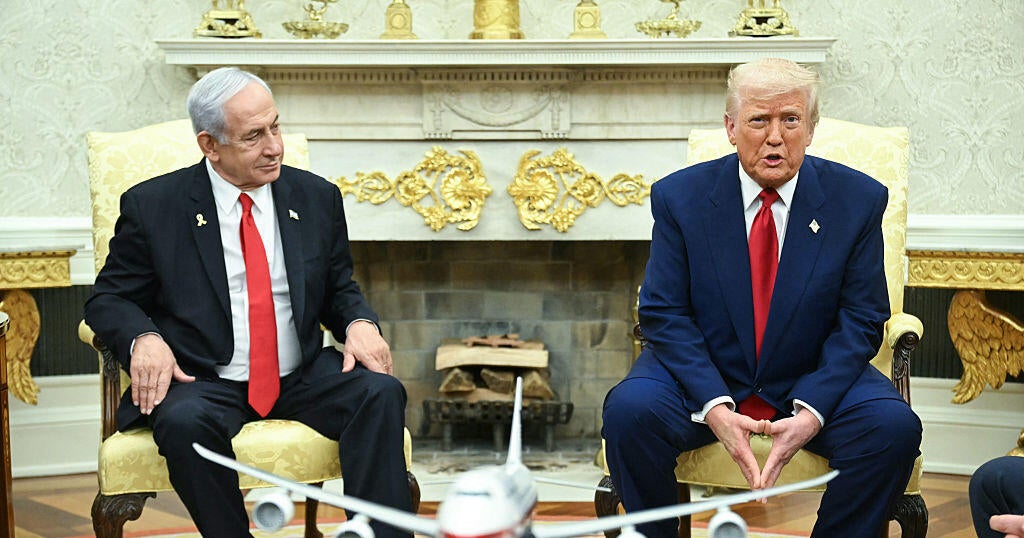
President Donald Trump announced that he will proceed with implementing new tariffs on Wednesday, despite concerns about their impact on the stock market and global economy, emphasizing that countries can adjust trade relations with the U.S. through fair trade deals or by paying tariffs. During a meeting with Israeli Prime Minister Benjamin Netanyahu, Trump also mentioned ongoing talks with Iran, warning of "great danger" if discussions do not go well, and addressed the topic of tariffs on Israel and other countries. Netanyahu indicated that Israel plans to address its trade relationship with the U.S., as part of a broader dialogue involving multiple nations adjusting to the Trump administration's trade policy changes.
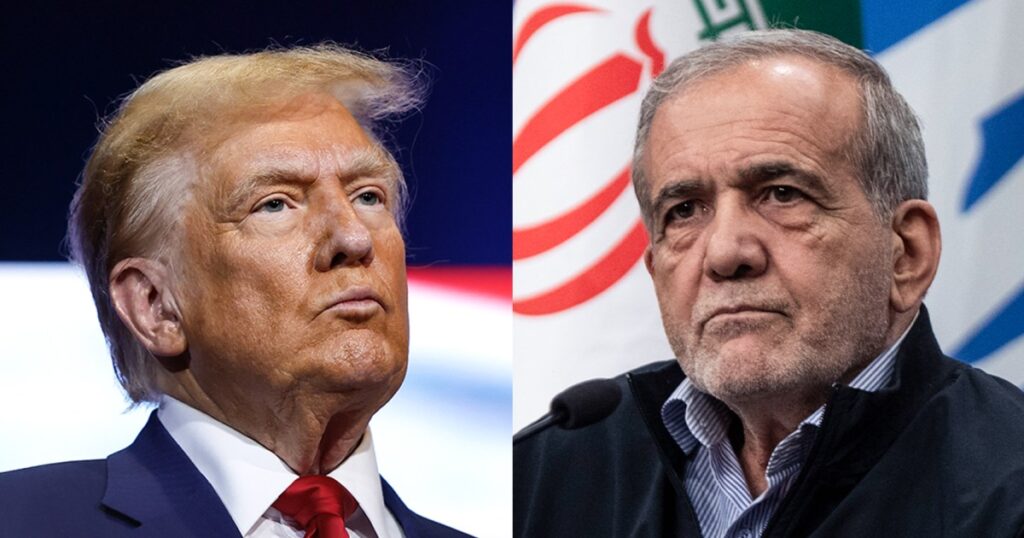
Iran has rejected direct negotiations with the United States over its nuclear program, as stated by Iranian President Masoud Pezeshkian, but remains open to indirect talks through Oman. The history of U.S.-Iran negotiations has been complicated by the U.S.'s withdrawal from the nuclear deal in 2018, leading to stalled diplomatic efforts. The situation is further strained by the Israel-Hamas conflict, which adds tension to U.S.-Iran relations and affects regional stability, leaving the future of negotiations uncertain.

A doctoral student at the University of Alabama, identified as Alireza Doroudi, an Iranian national, has been arrested by federal immigration authorities, reflecting the Trump administration's focus on noncitizens in higher education. The university confirmed the detention but did not provide further details, emphasizing the value of international students to the campus community. This incident is part of a broader pattern of immigration enforcement affecting noncitizen students, amid discussions about the administration's legal stance on immigration, highlighted by a recent visit by DHS Secretary Kristi Noem to a prison in El Salvador.
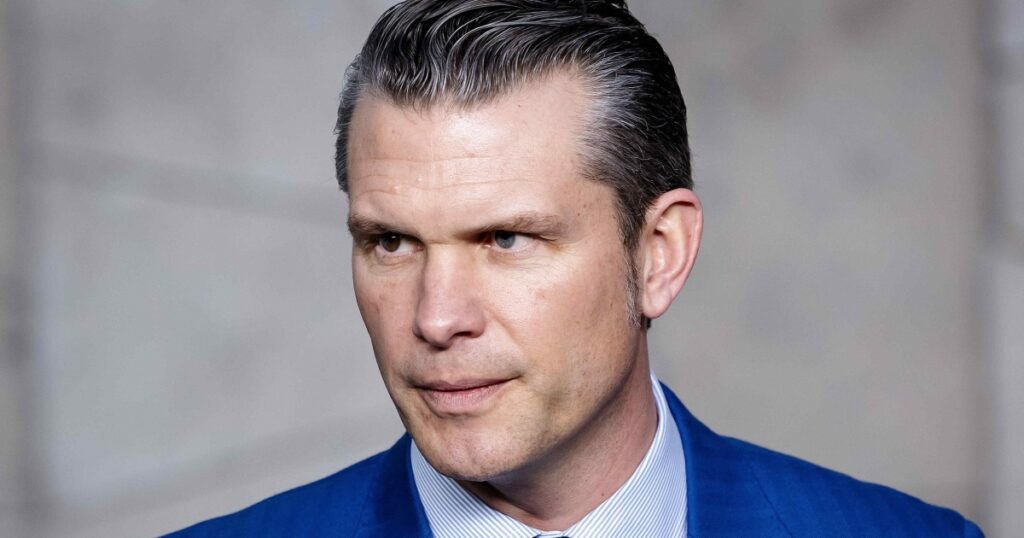
Jeffrey Goldberg, editor-in-chief of The Atlantic, was accidentally included in a Signal group chat where Trump administration officials discussed sensitive national security matters, including a U.S. military operation targeting Iran-backed Houthi forces in Yemen. This incident has raised significant concerns about the handling of classified information, particularly focusing on Defense Secretary Pete Hegseth, who shared operational details in the chat. In response, Director of National Intelligence Tulsi Gabbard and CIA Director John Ratcliffe are set to testify before the House Intelligence Committee to address the leak and discuss protocols for safeguarding classified information.
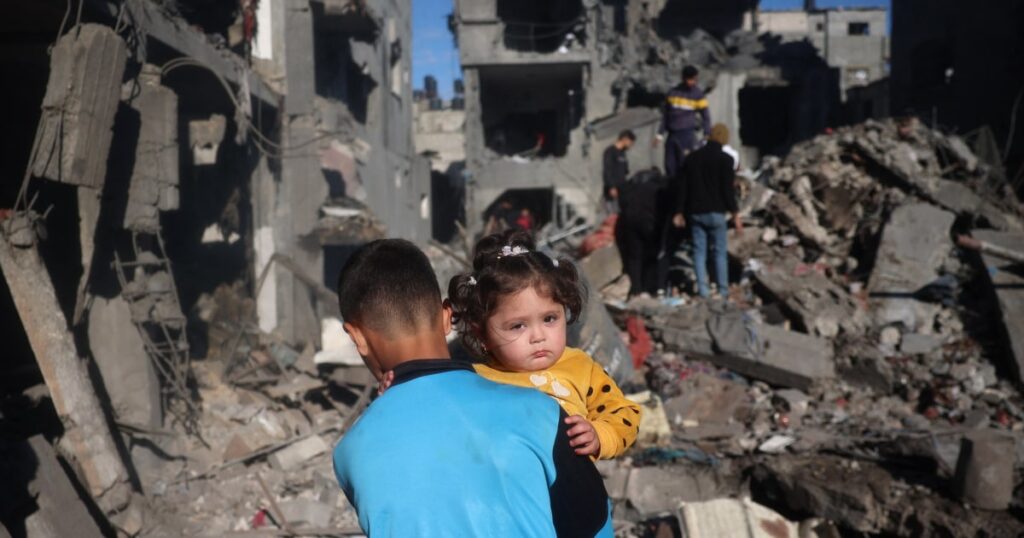
On Saturday, Israel launched a military strike on Lebanon in retaliation for rocket attacks targeting Israeli areas, marking the most significant exchange of fire since a ceasefire with Hezbollah was established nearly four months ago. The escalation has raised concerns about the stability of the ceasefire, particularly in light of Israel's renewed military operations against Hamas in Gaza, where over 50,000 deaths have been reported since October 7, 2023. The international community is closely monitoring the situation, urging restraint and dialogue to prevent further violence and seeking a long-term resolution to the conflict.
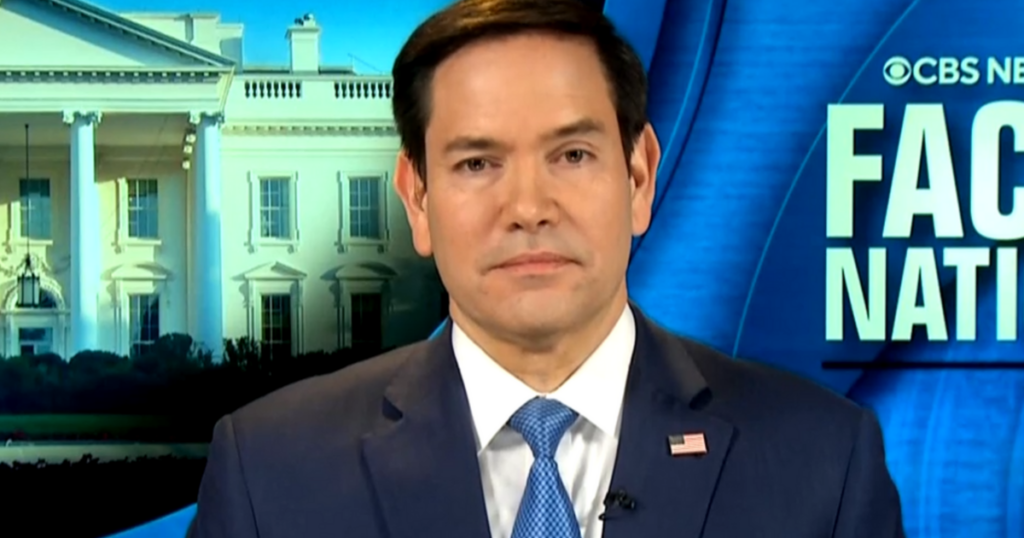
In a recent interview, National Security Adviser Mike Waltz highlighted the U.S. administration's stance that "all options are always on the table" regarding military action against Iran, emphasizing Iran's support for militant groups like the Houthis, Hezbollah, and Hamas. The strategic importance of the Red Sea as a vital shipping route was underscored, with concerns over security due to threats from Iran-backed groups. Secretary of State Marco Rubio and President Donald Trump both reiterated the U.S. commitment to countering Iranian influence and ensuring the safety of global shipping lanes, reflecting a broader strategy to address regional tensions and protect international trade.