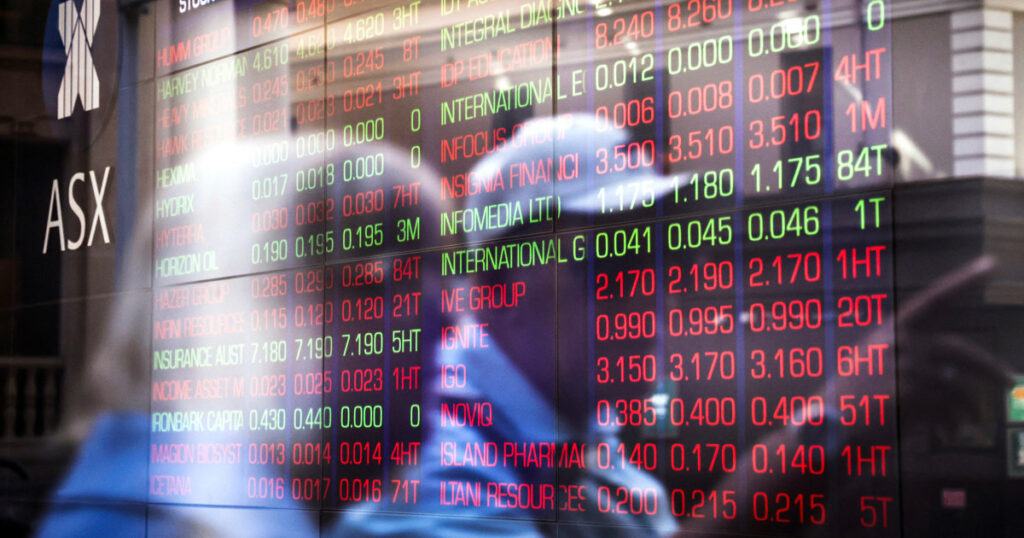
Global financial markets are experiencing significant turbulence due to investor concerns over the economic impact of tariffs imposed by the Trump administration, with U.S. stock futures and international markets showing substantial declines. The imposition of tariffs has introduced a new dynamic in international trade relations, affecting both allies and adversaries, and raising concerns about the potential unraveling of globalization. As markets and governments worldwide monitor the situation, the tariffs have the potential to significantly alter the global economy and impact the financial well-being of billions.
Posts tagged as “anti-Asian”
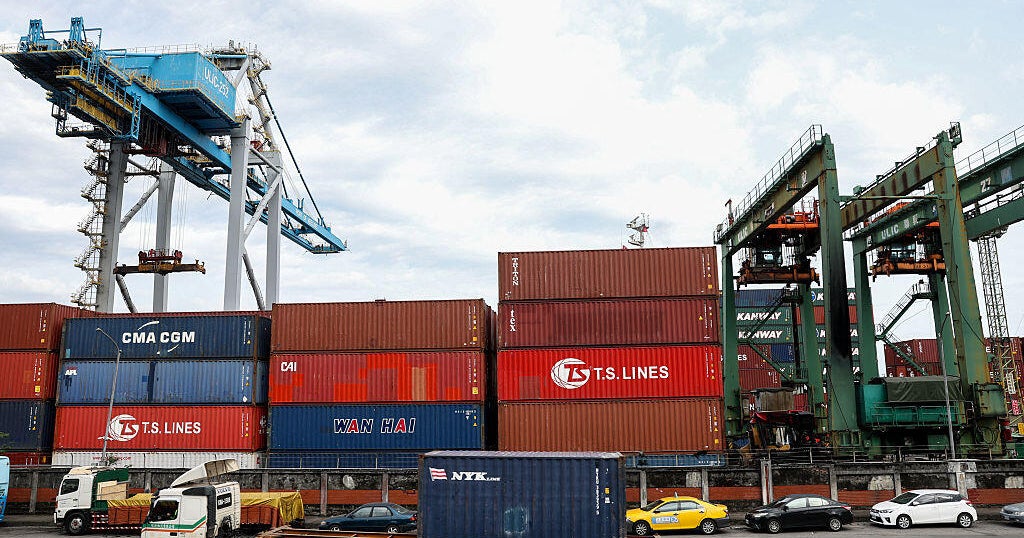
Global stock markets and oil prices fell sharply as investors sought safer assets following President Donald Trump's announcement of new U.S. trade tariffs, raising fears of a global recession. The tariffs, including a 10% baseline levy and additional reciprocal tariffs, particularly target Asian nations like China, which faces a 34% levy, prompting China to plan countermeasures. The tariffs have caused market fluctuations in Europe and sparked a global debate on the future of international trade, as approximately 90 countries will face additional taxes starting April 9.
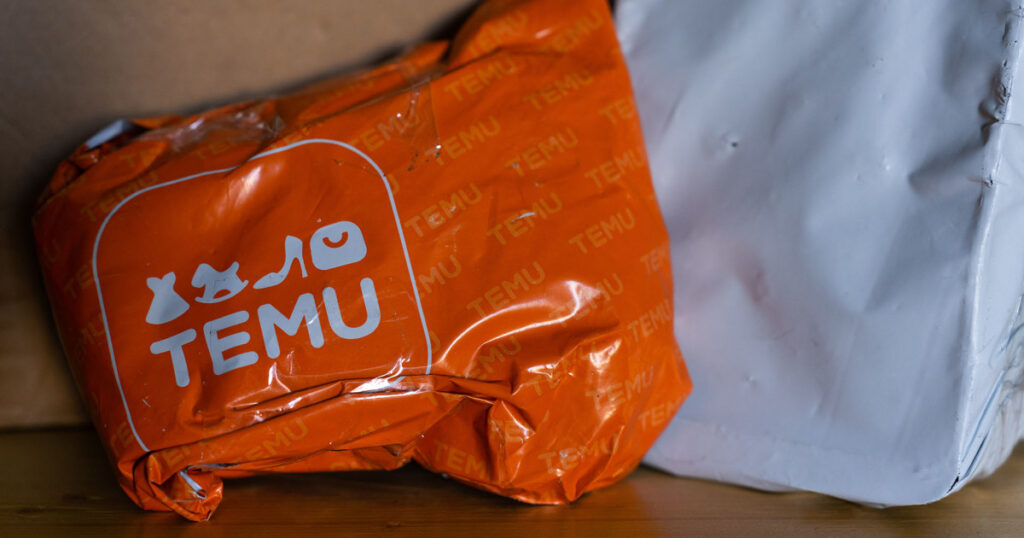
President Donald Trump has announced new tariffs on imports from several Asian nations, including a significant 34% levy on Chinese goods, marking a major shift in U.S. trade policy. The termination of the de minimis trade exemption, effective May 2, is part of a broader strategy to counter perceived unfair trade practices, with additional reciprocal taxes set to impact goods from approximately 90 countries. These measures have sparked concerns about potential global trade disruptions and retaliatory actions, prompting stakeholders to prepare for changes that could affect supply chains and economic stability.

China's military conducted long-range, live-fire drills in the East China Sea, escalating its exercises around Taiwan as a warning against seeking formal independence. These drills, involving various branches of the military, coincide with heightened rhetoric from China against Taiwan's President Lai Ching-te and have drawn criticism from the United States, which is concerned about regional stability. The situation highlights ongoing tensions, with China asserting its claims over Taiwan while most Taiwanese citizens support maintaining their de-facto independence, prompting international observers to closely monitor the potential for conflict.
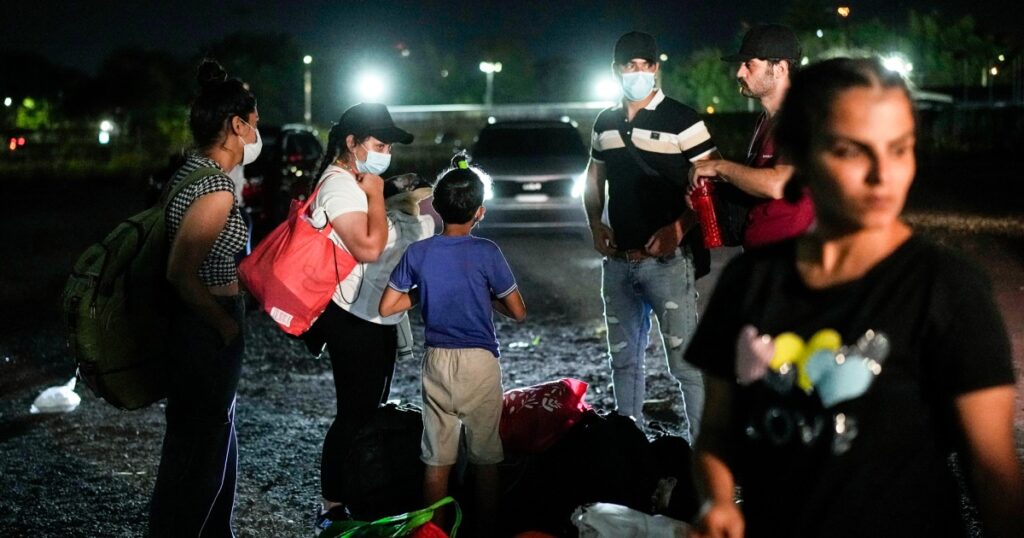
Panama has released dozens of migrants, primarily from Asian countries, who were detained after being deported from the United States, following legal challenges and human rights criticism. These migrants, part of an agreement between the Trump administration and the governments of Panama and Costa Rica to expedite deportations, now face uncertainty with 30 days to leave Panama and limited resources to support themselves. The situation underscores the challenges of international migration and the human impact of immigration policies, as individuals like Hayatullah Omagh, who fled Afghanistan, struggle to find accommodation and plan their next steps.

Ikea has warned of possible product shortages due to the mass diversion of shipping containers from the Red Sea over safety concerns caused by Houthi militants from Yemen. At least $80 billion worth of cargo has been diverted from the waterway which provides access to the Suez Canal, and Ikea is evaluating other options to secure the availability of products. The full impact of the Houthi threat remains to be seen.
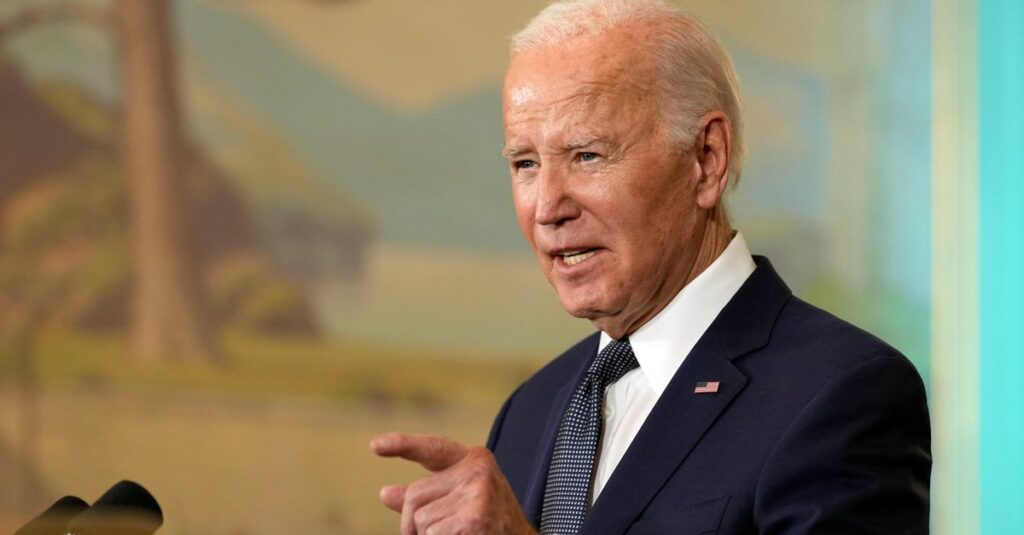
President Joe Biden has signed a bipartisan short-term spending bill, preventing a potential government shutdown and giving lawmakers more time to sort out their differences over the federal budget. The bill was signed at the Legion of Honor Museum in San Francisco while attending the Asian-Pacific Economic Cooperation summit, and passed the House and Senate by wide bipartisan margins. President Biden has urged Congress to pass a long-term spending bill that would provide more certainty for the federal budget, but it remains to be seen if lawmakers can reach a compromise in the new year.
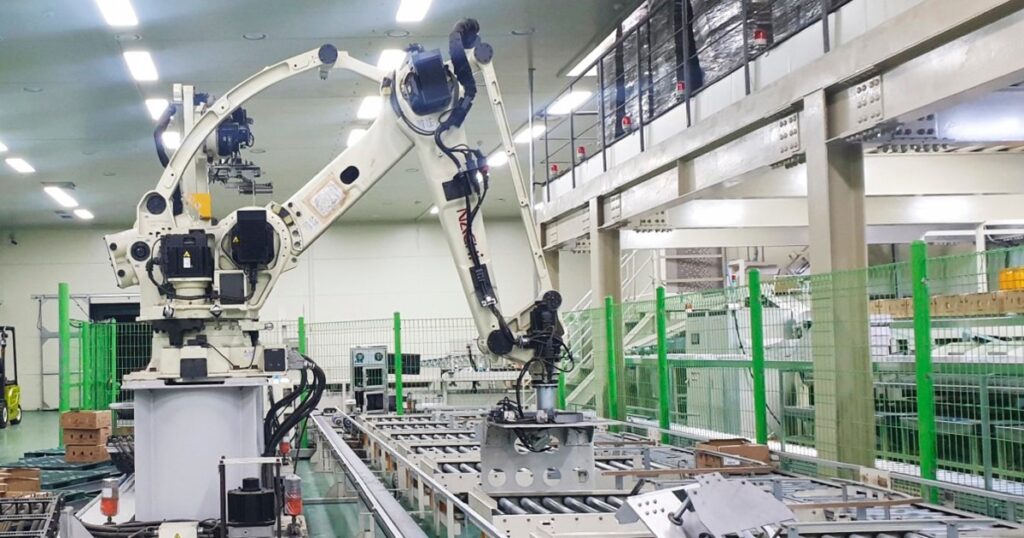
A tragic incident occurred Tuesday at a vegetable packaging plant in South Korea when an industrial robot crushed a worker to death. Police are investigating whether the machine was unsafe or had potential defects, and the incident has raised questions about the safety of industrial robots and the potential risks they pose to workers. It is essential that employers take the necessary steps to protect their workers from potential hazards.