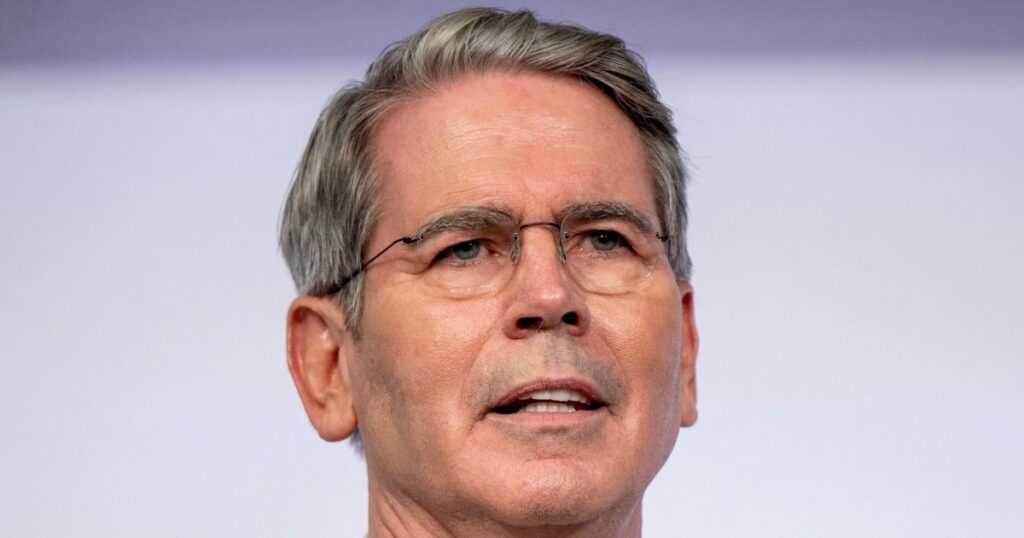
U.S. Treasury Secretary Scott Bessent defended recent U.S. military strikes on Iranian infrastructure as necessary escalations to de-escalate tensions, while also explaining the easing of sanctions to release Iranian oil onto global markets as a strategic move against Iran. Iran warned of retaliatory attacks on U.S. and allied infrastructure if its fuel and energy facilities were targeted, though the U.S. has so far avoided directly hitting Iran’s oil infrastructure. Meanwhile, growing political opposition in Congress criticized the administration for lack of authorization, transparency, and a clear strategy, calling for an end to the conflict.
Posts tagged as “anti-Asian”

K-pop supergroup BTS reunited for their first concert in nearly four years at Seoul's historic Gwanghwamun Square, drawing tens of thousands of fans and marking a symbolic return after completing their mandatory military service. The performance featured traditional Korean elements, songs from their new album "Arirang," and global hits, and was live-streamed on Netflix to a worldwide audience. This concert launched BTS's extensive global tour, highlighting their enduring cultural impact and resilience.

The conflict between the United States, Israel, and Iran has led to the near closure of the Strait of Hormuz, severely disrupting global oil supplies and causing sharp price increases, particularly impacting energy-dependent Asian countries that have implemented emergency measures to cope with shortages. This disruption has triggered broader economic consequences, including rising costs for fuel and essential products like fertilizers, stock market declines, and a shift toward alternative energy sources. Meanwhile, maritime operations in the strait have become increasingly dangerous due to attacks and military tensions, with shipping largely deterred despite U.S. efforts to secure the vital waterway.
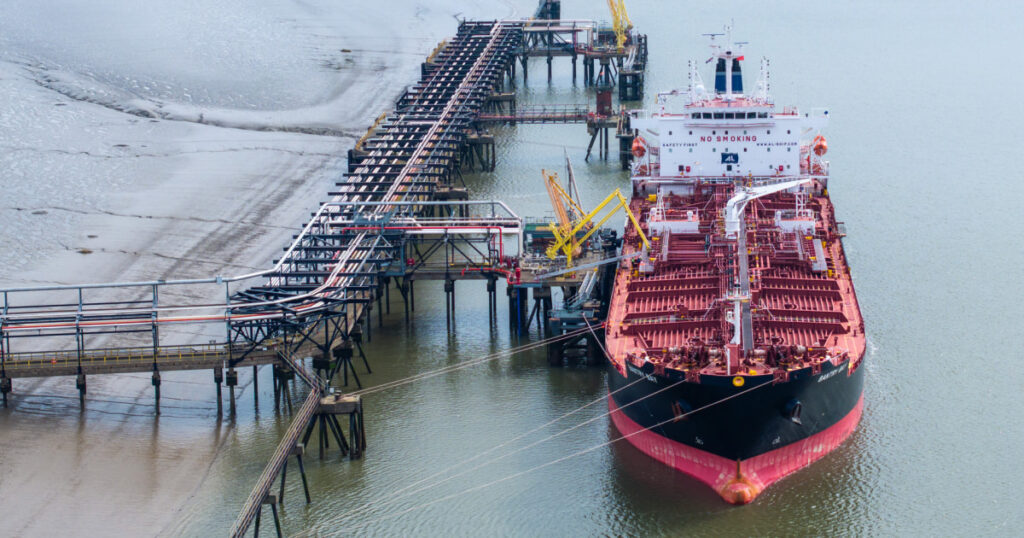
The International Energy Agency (IEA) announced a historic release of 400 million barrels of oil from emergency reserves to counter soaring energy prices caused by the closure of the Strait of Hormuz amid tensions with Iran. This unprecedented collective action by 32 member countries aims to mitigate significant supply disruptions, though analysts warn it may only provide limited short-term relief given the scale of the deficit and logistical delays. The situation remains volatile, with sustained price stability dependent on reopening the crucial maritime route and securing long-term energy supply solutions.
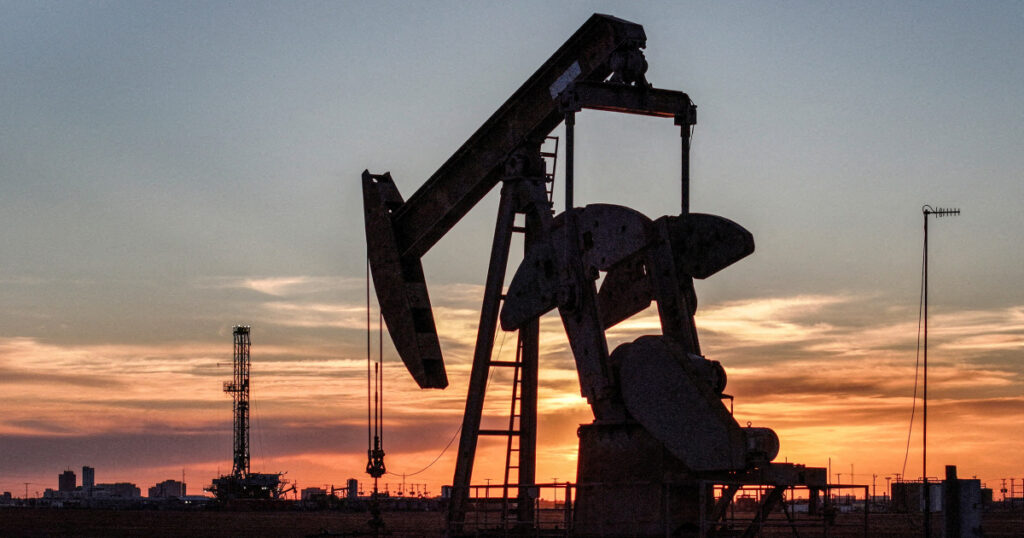
U.S. gasoline prices surged sharply amid escalating tensions involving Iran, with the national average reaching $3.48 per gallon and crude oil briefly surpassing $100 per barrel due to disruptions in the Strait of Hormuz. Analysts warn that fuel costs may remain high through the summer because of ongoing supply uncertainties and increased demand, despite some recent price volatility. International markets reacted with significant fluctuations, and major industrialized nations are considering coordinated measures to stabilize energy supplies amid concerns over further production cuts and transit challenges.
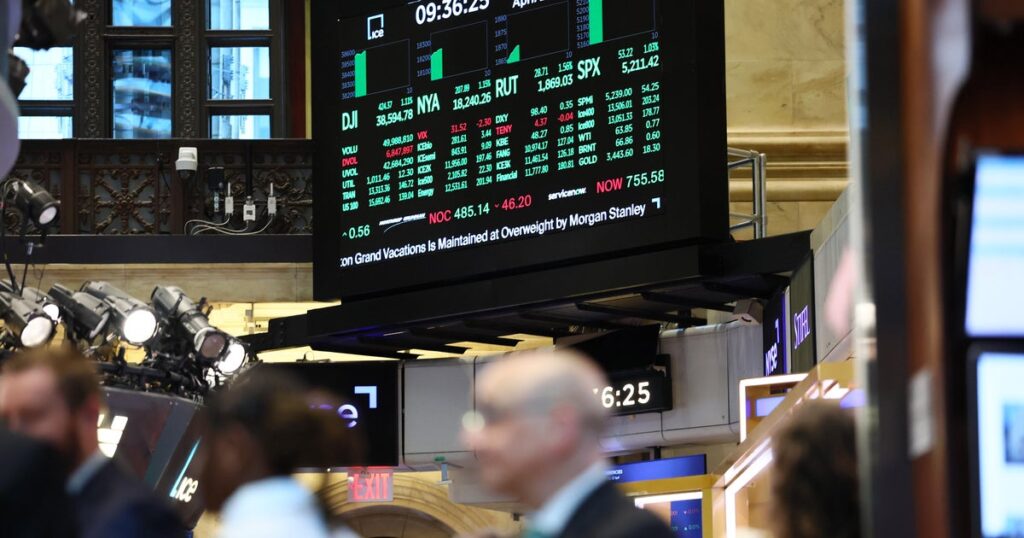
Recent developments in U.S. stock markets show an uplift following President Trump's conciliatory approach towards China tariffs and his assurance of no immediate changes in Federal Reserve leadership, particularly retaining Jerome Powell as Chair. This shift in stance led to a positive response in stock futures, with significant gains in S&P 500, Nasdaq Composite, and Dow Jones Industrial Average futures, as analysts noted increased demand for U.S. assets. Additionally, Elon Musk's decision to focus more on Tesla by reducing his advisory role to the Trump administration has been positively received, contributing to the overall optimistic outlook among investors.
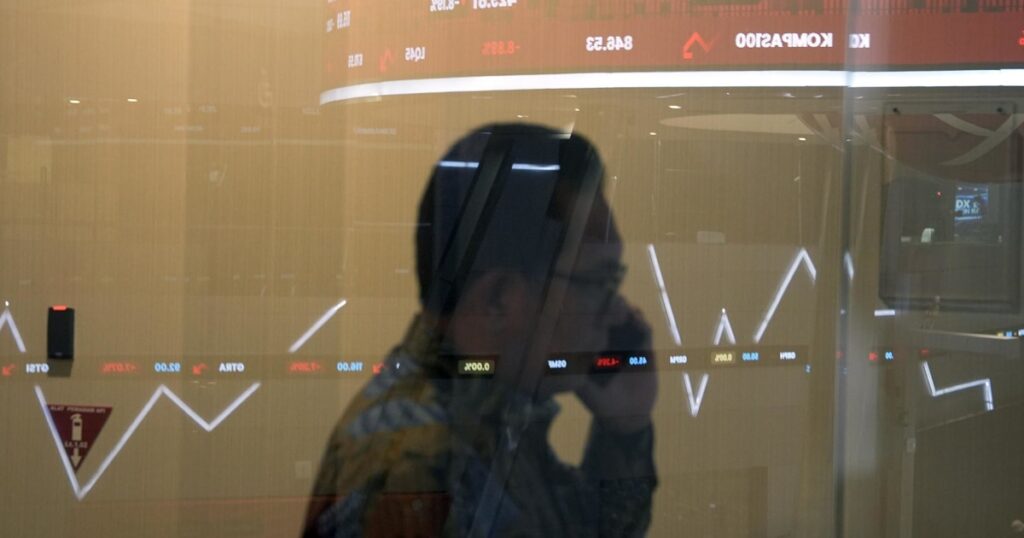
In pre-market trading on Tuesday, U.S. stock indices showed gains of 1% to 2%, reflecting similar positive movements in European and Asian markets despite ongoing U.S.-China trade tensions. The market's cautious optimism follows a volatile Monday session marked by sharp fluctuations due to uncertainty over potential tariffs and trade policies. Economists warn of the risk of a U.S. recession, advising caution as the trade disputes continue to unsettle global markets.
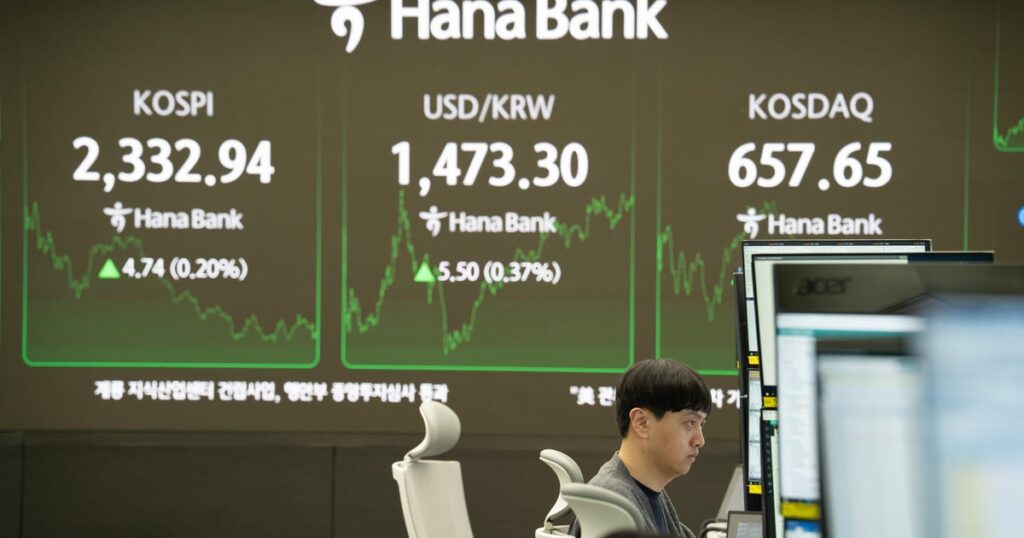
In pre-market trading on Tuesday, major U.S. stock indexes, including the S&P 500, Nasdaq, and Dow Jones Industrial Average, showed gains of between 1% and 2%, reflecting cautious optimism despite recent volatility. The ongoing trade conflict between the U.S. and China, exacerbated by President Trump's announcement of potential additional tariffs, continues to create uncertainty in global markets. Despite these tensions, global stocks, including the Nikkei 225 index in Tokyo, managed to recover some losses, indicating a modest rebound and signs of stabilization in financial markets.