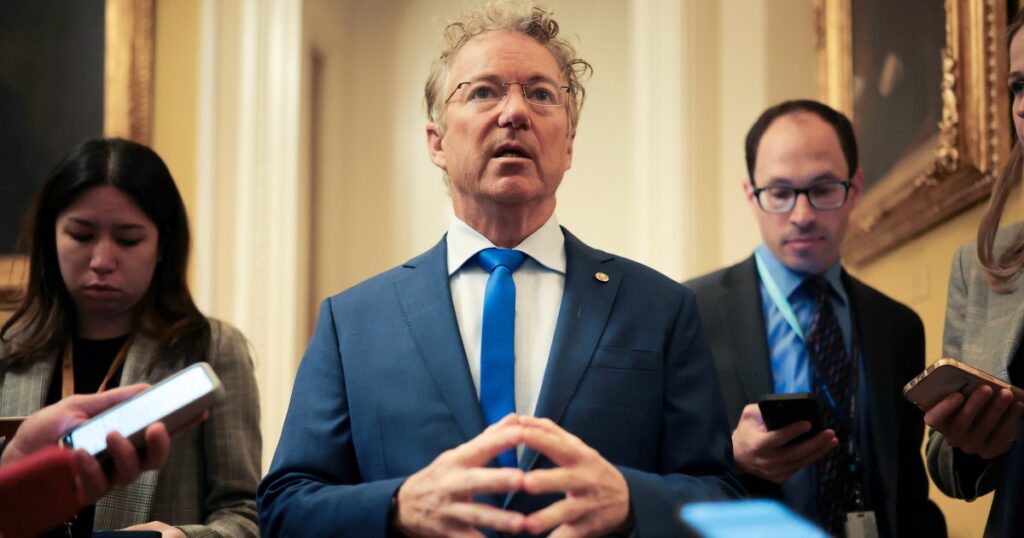
The United States Senate is set to vote on a resolution to block President Trump's "Liberation Day" tariffs, which were imposed under a national emergency declaration. Spearheaded by Senators Ron Wyden and Rand Paul, the bipartisan effort seeks to nullify the tariffs due to concerns about their economic impact, though it faces an uncertain future in the Republican-controlled House of Representatives. The vote highlights the ongoing tension between the executive and legislative branches over trade policy, with significant implications for international trade and the domestic economy.
Posts tagged as “Alabama Republican”

The United States Supreme Court is set to hear a pivotal case regarding the establishment of St. Isidore of Seville Catholic Virtual School in Oklahoma, which could become the nation's first religious charter school. This case has sparked debate over the potential impact on laws in 45 states, the District of Columbia, and the federal charter school program, all of which currently require charter schools to be nonsectarian. A ruling in favor of the school could lead to public funds being directed to religious institutions, challenging the separation of church and state and potentially setting a precedent for the future of public funding for religious education nationwide.
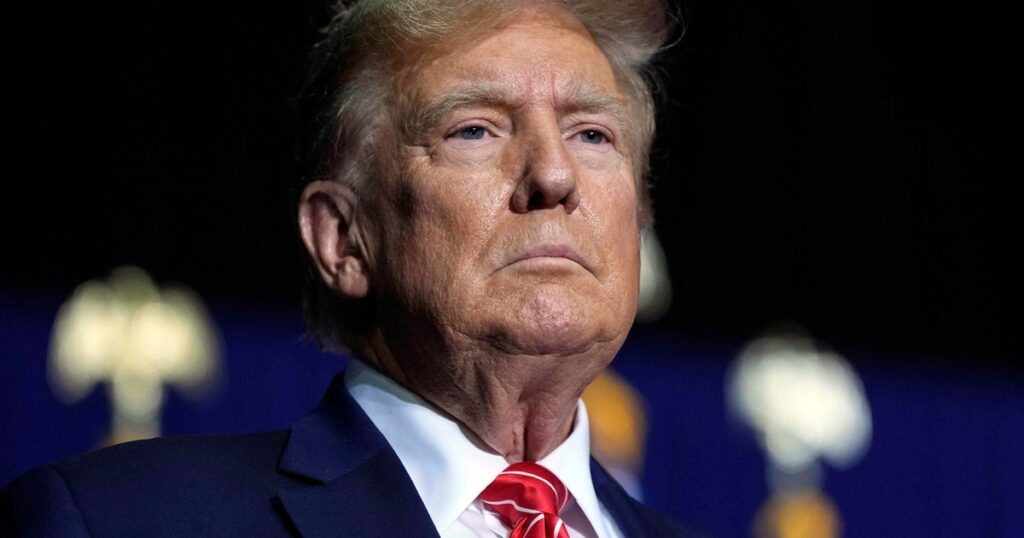
President Donald Trump is set to deliver a speech in Macomb County, Michigan, marking the 100-day milestone of his second term, where he will highlight key initiatives such as mass deportation operations, government reduction efforts, and changes to global trade. Despite facing challenges, including divided public opinion on economic management and legal opposition to his policies, Trump has seen slightly higher approval ratings compared to his first term, supported by a solid Republican base and some positive economic indicators. The speech will be an opportunity for Trump to reinforce his policy agenda and rally support as he navigates the complexities of his second term.
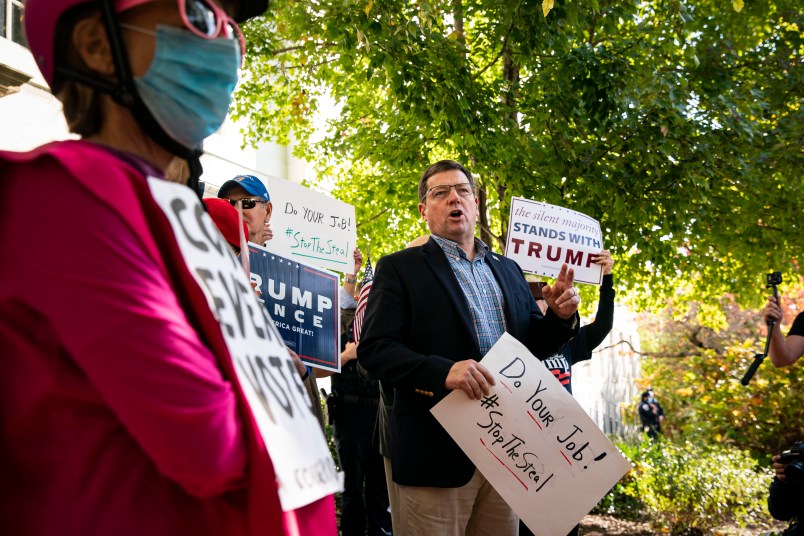
Congressional committees are set to begin work on a major legislative initiative central to President Trump's first-year agenda, following the adoption of a budget resolution by both the House and Senate. In opposition to the Republican budget plan, House Minority Leader Hakeem Jeffries and Senator Cory Booker staged a sit-in protest at the Capitol, criticizing the ethics of the plan and expressing concerns about a judicial ruling involving Judge John Barberis. The protest, which was livestreamed, highlighted a legal case over control of the Eagle Forum and was described by Senator Booker as a "moment of moral urgency" as Congress reconvenes after a recess.
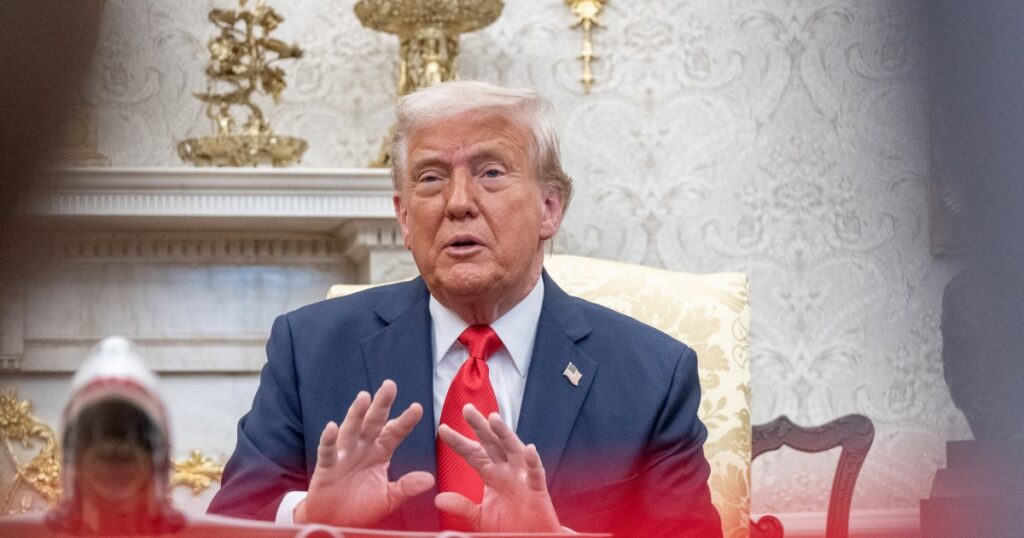
U.S. District Judge Paula Xinis has criticized the Trump administration for providing "vague, evasive, and incomplete" responses in the deportation case of Kilmar Abrego Garcia, who was mistakenly deported to a prison in El Salvador. The Justice Department's refusal to fully comply with discovery obligations has drawn further scrutiny from the judiciary and lawmakers, with California Representative Robert Garcia and other Democratic lawmakers visiting El Salvador to advocate for Abrego Garcia's return. This case highlights broader issues with deportation practices and international diplomatic efforts, as well as the complexities faced by individuals in such legal situations.
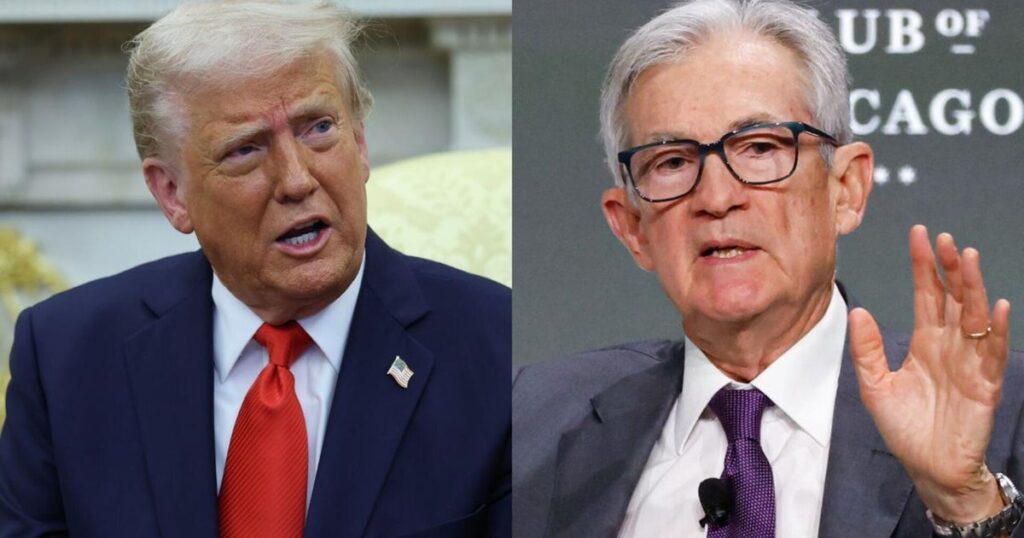
President Donald Trump has escalated his criticism of Federal Reserve Chair Jerome Powell, demanding immediate interest rate cuts to reduce borrowing costs, which he believes would boost economic growth. This public confrontation has led to declines in U.S. stock markets and a bond sell-off, as investors grow concerned about economic policy stability. The situation underscores broader political debates about the balance of power, with a recent survey revealing partisan divides over presidential authority, particularly among Republicans who tend to support Trump's assertive approach to influencing Federal Reserve decisions.
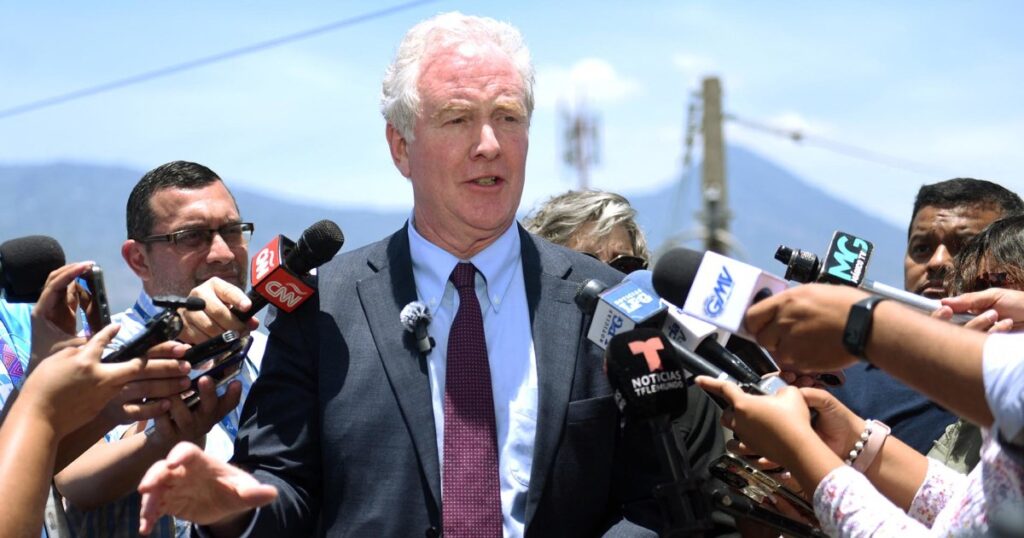
Judge J. Harvie Wilkinson III, previously considered a potential nominee for Chief Justice by President George W. Bush, has become a vocal critic of the perceived erosion of constitutional order in the United States, despite his conservative background. His critique is set against the backdrop of a controversial deportation case involving Kilmar Abrego Garcia, which has exposed divisions within the Democratic Party regarding President Trump's immigration policies. Wilkinson's recent opinion for the Fourth Circuit Court of Appeals, rejecting a Trump administration position, highlights the complexities of the current legal and political landscape and the shifting nature of political alliances.
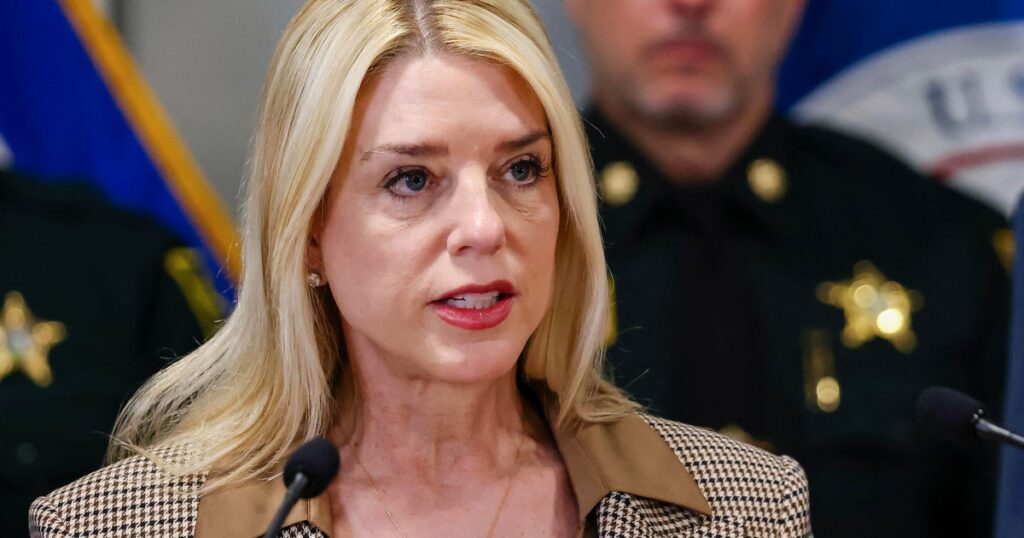
In February, President Trump signed an executive order to ban transgender girls and women from participating in sports teams that align with their gender identity, interpreting Title IX to exclude transgender athletes from girls' and women's sports. This move has led to legal and political debates, including a lawsuit against Maine's Department of Education for allegedly not complying with the federal interpretation of Title IX. The conflict has escalated into a broader confrontation between the Republican-led federal government and Democratic Governor Janet Mills, who has resisted the directive and is prepared to challenge it in court.