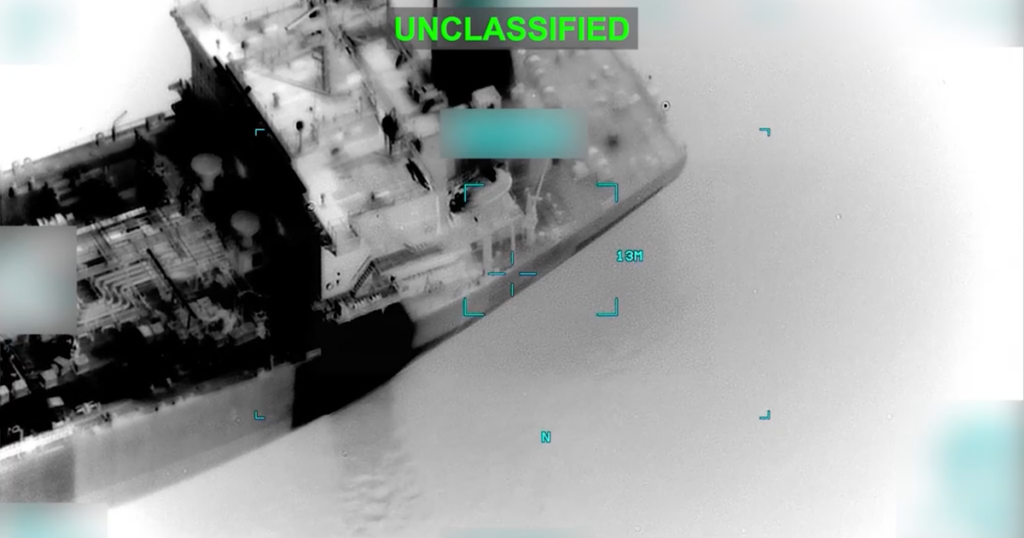
India lodged a “strong protest” with the United States after three Indian sailors were killed in a U.S. strike on the Palau-flagged M/T Settebello in the Gulf of Oman. U.S. forces also disabled two other tankers this week as part of a naval blockade linked to Iran.
Posts tagged as “Air India”
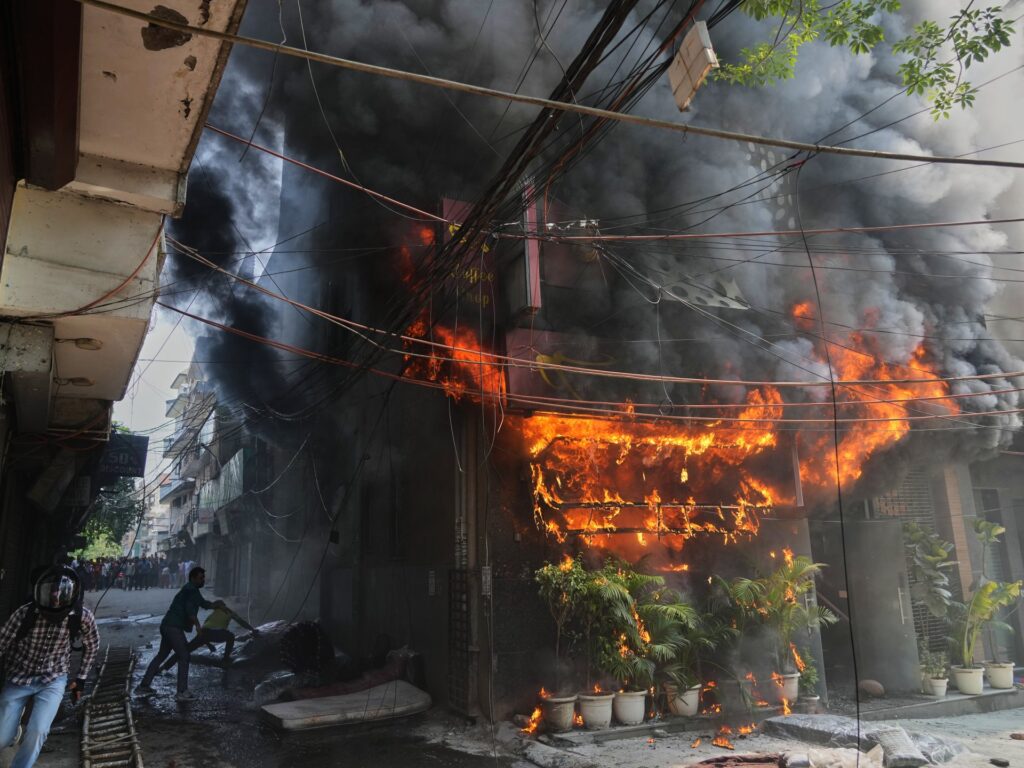
At least 21 people were killed when a fire tore through a hotel in southern Delhi, where many guests were reportedly visiting for medical treatment. Authorities said the building lacked a valid fire safety certificate, and police opened a culpable homicide case.

At least 21 people, including foreign nationals, were killed when a fire swept through a multi-storey building in Delhi’s Malviya Nagar. More than 40 people were rescued as authorities investigated the cause and whether the building had proper permissions.
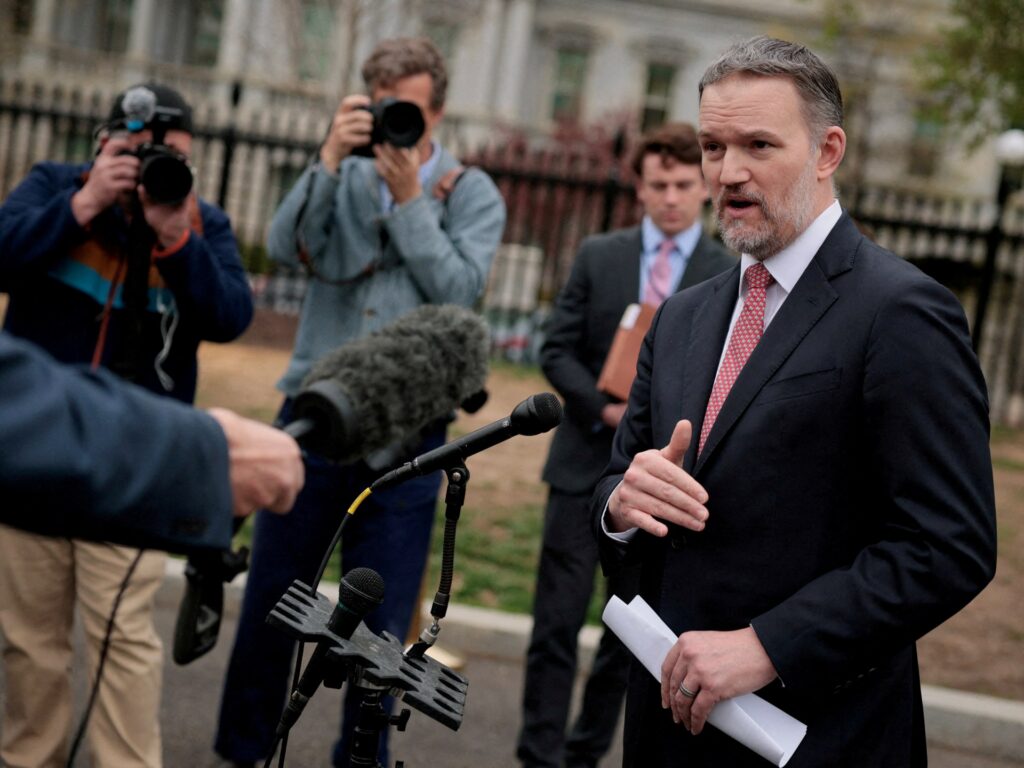
The Trump administration proposed 25% tariffs on Brazilian imports after a Section 301 investigation into trade practices including digital trade, deforestation and anti-corruption enforcement. Brazil’s President Luiz Inácio Lula da Silva denounced the move and said his government could retaliate.
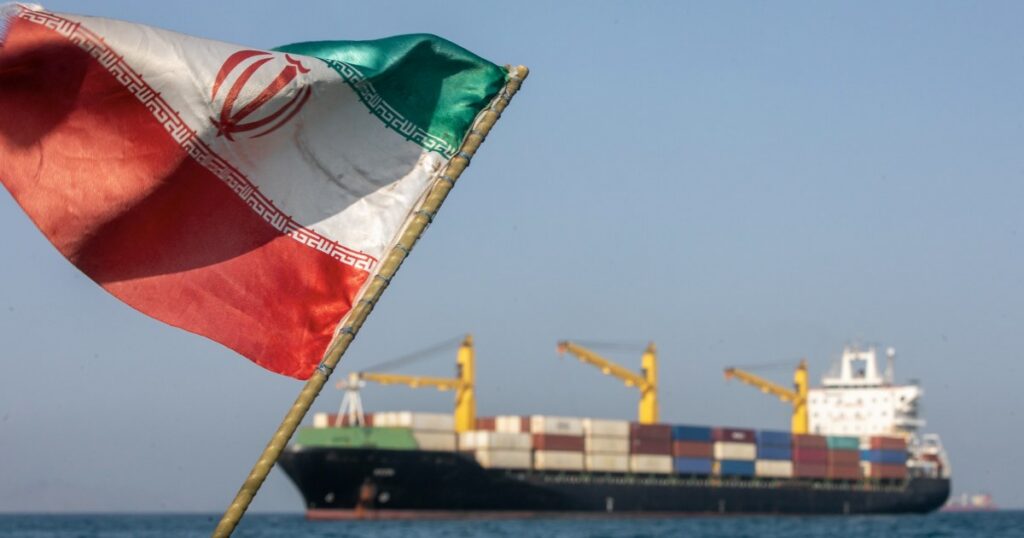
The U.S. conducted self-defense strikes near the Strait of Hormuz targeting Iranian missile sites and boats amid ongoing peace talks. Despite the strikes, Secretary of State Marco Rubio says a deal with Iran remains possible within days.
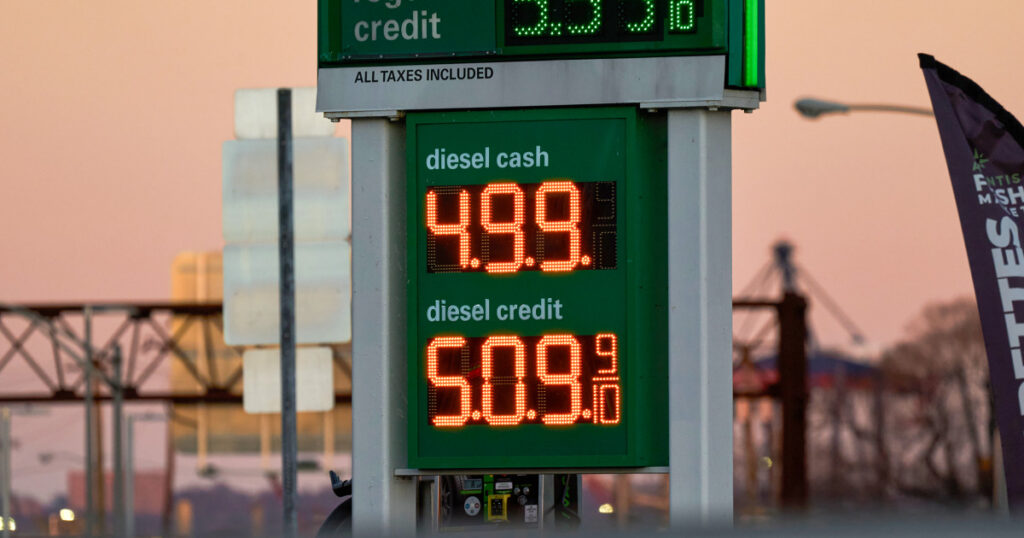
Gasoline and diesel prices in the U.S. have surged to levels not seen since mid-2022, driven by escalating conflict involving Iran and disruptions to oil supply through the Strait of Hormuz. The war has caused crude oil prices to rise sharply, with diesel reaching $5.45 per gallon and gasoline surpassing $4.00, leading to significant economic impacts such as reduced consumer spending and increased household fuel expenses. Globally, energy-dependent countries face inflation and economic slowdowns as the conflict continues to disrupt oil markets.
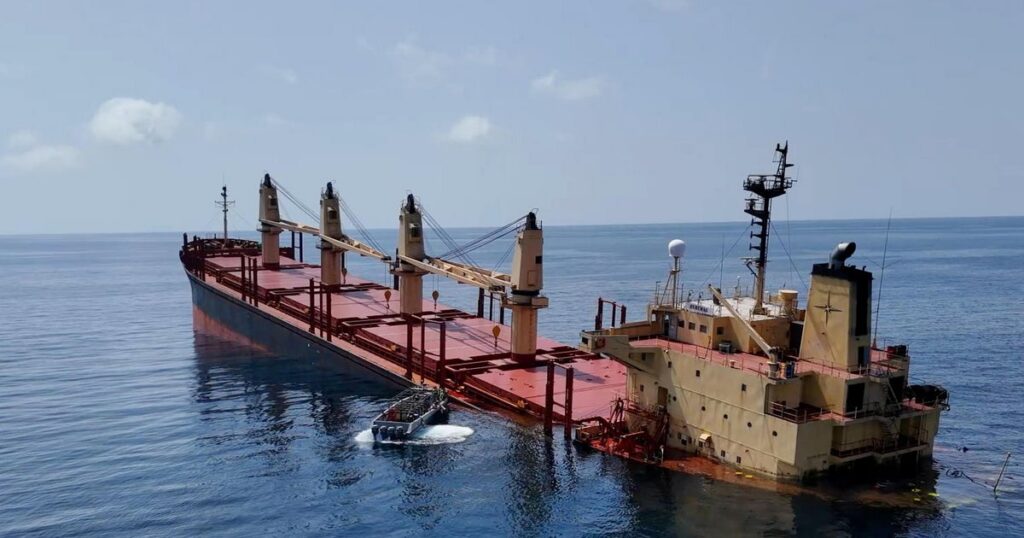
Iran’s Revolutionary Guard Corps has declared the Strait of Hormuz closed to unauthorized ships, significantly disrupting a key maritime route that handles about 20% of the world’s crude oil and causing Brent crude prices to surge above $110 per barrel. Iran has enforced this closure by turning back vessels, imposing hefty fees near Larak Island, and is considering formal legislation for these charges, while also hinting at threats to the Bab el-Mandeb Strait, another critical shipping lane. The closure and ongoing conflict have stranded around 20,000 seafarers in the region, led to casualties, and prompted calls from the UAE for a multinational force to secure the strait and stabilize global energy markets.

The conflict between the United States, Israel, and Iran has led to the near closure of the Strait of Hormuz, severely disrupting global oil supplies and causing sharp price increases, particularly impacting energy-dependent Asian countries that have implemented emergency measures to cope with shortages. This disruption has triggered broader economic consequences, including rising costs for fuel and essential products like fertilizers, stock market declines, and a shift toward alternative energy sources. Meanwhile, maritime operations in the strait have become increasingly dangerous due to attacks and military tensions, with shipping largely deterred despite U.S. efforts to secure the vital waterway.