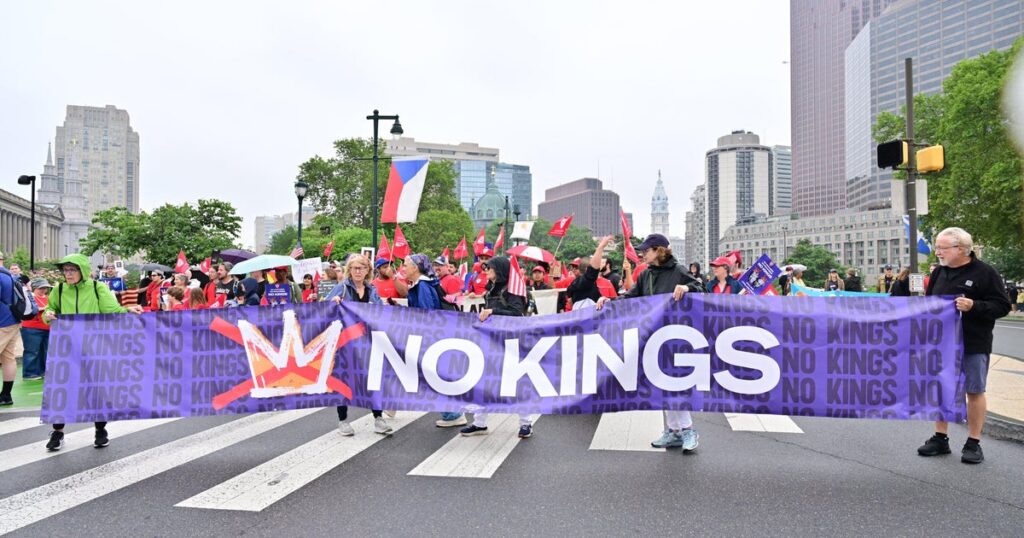
Millions are expected to participate in the nationwide "No Kings" protests against President Trump, with over 3,100 events planned across the U.S. and a flagship rally in St. Paul, Minnesota, drawing significant attention due to recent federal immigration enforcement controversies. The movement, which began with a smaller demonstration in Paris, aims to oppose various Trump administration policies, including immigration enforcement, healthcare cuts, and perceived abuses of power, and features appearances by notable activists and musicians. Despite White House dismissals of the protests as politically motivated, organizers highlight widespread support from diverse regions, including rural and suburban areas, and the movement has gained international traction with events planned globally.
Posts tagged as “Advancing American Freedom”
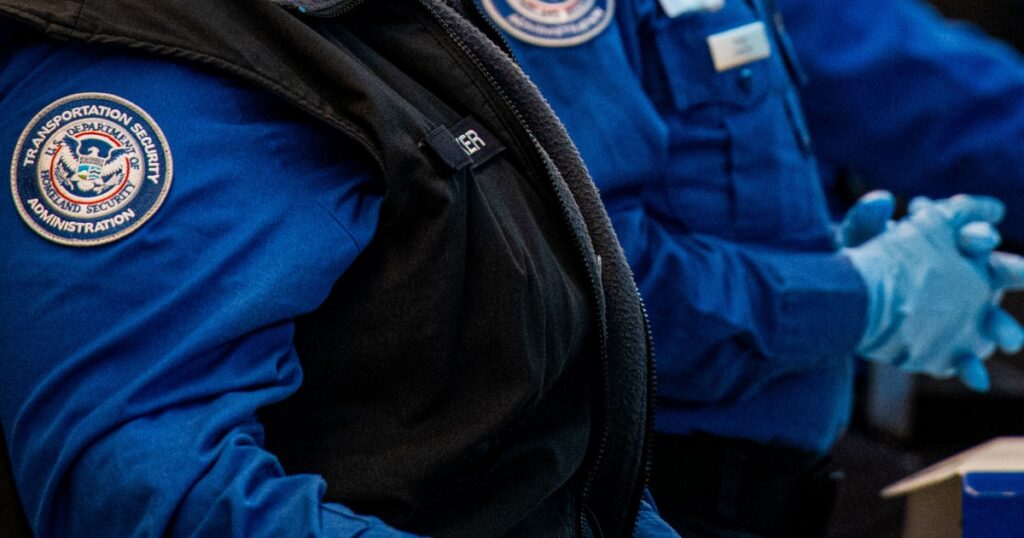
The ongoing partial government shutdown has severely impacted TSA workers, many of whom have gone unpaid for over a month, leading to financial hardship, increased absenteeism, and long wait times at major airports. The shutdown stems from a political deadlock over DHS funding, particularly disagreements over reforms to ICE and CBP, with recent Senate efforts to fund some DHS agencies excluding these two facing uncertain prospects in the House. Meanwhile, President Trump has announced plans to direct DHS to pay TSA employees despite the shutdown, aiming to ease their financial difficulties.
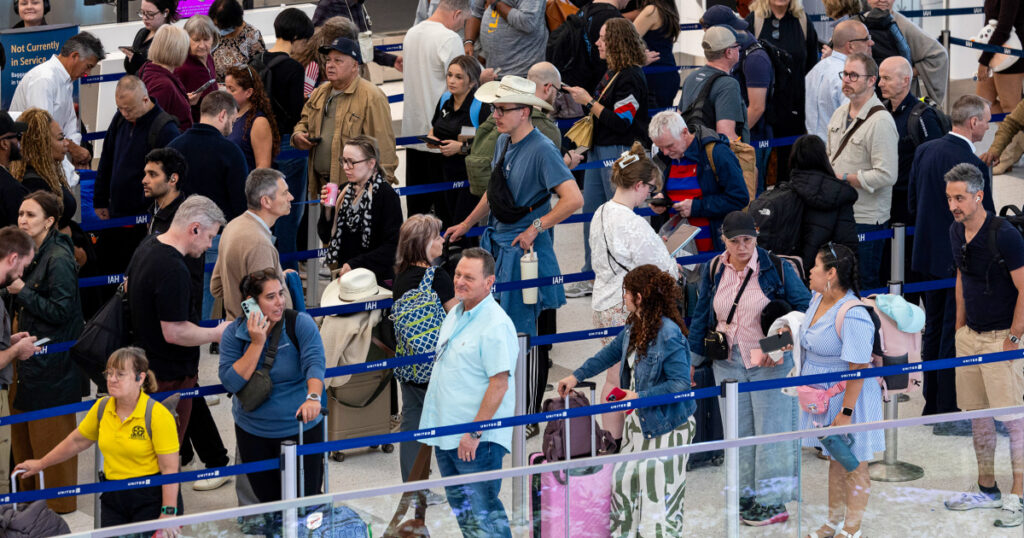
The Senate approved a bill to fund most of the Department of Homeland Security except for Immigration and Customs Enforcement and parts of Customs and Border Protection, continuing a partial government shutdown centered on immigration enforcement funding. The bill aims to restore funding for key agencies like TSA and FEMA amid operational challenges, including TSA staffing shortages and long airport security lines, prompting President Trump to order emergency payments for TSA workers. While Democrats praised the bill for excluding immigration enforcement funding without reforms, House Republican leaders criticized it and have yet to commit to advancing the measure, leaving the shutdown unresolved.

A federal judge in California has blocked the Trump administration from designating AI company Anthropic as a "supply chain risk" and banning federal use of its technology, ruling the government's actions likely unlawful and arbitrary. The dispute arose after Anthropic restricted military use of its AI for surveillance and autonomous weapons, leading to the Pentagon’s prohibition and a presidential order to cease using its services. The injunction restores the status quo pending appeal, allowing agencies to choose AI providers freely while Anthropic continues legal challenges against what it calls retaliatory government actions.
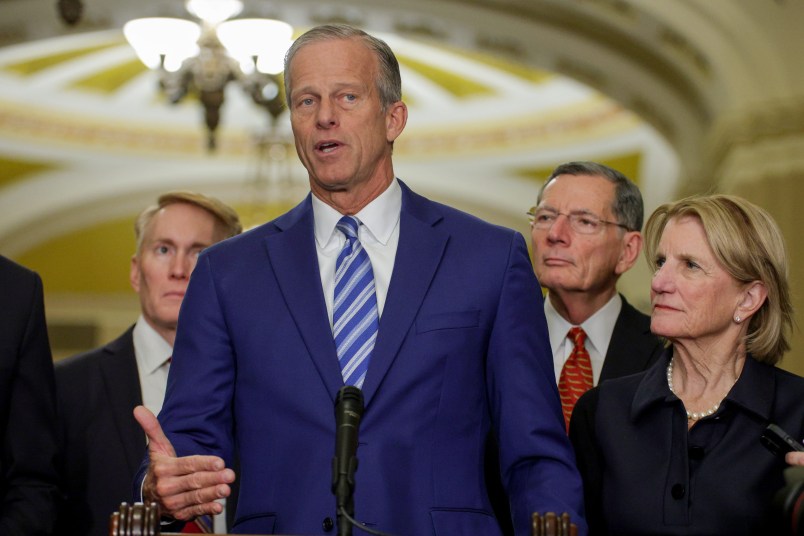
President Donald Trump announced he will sign an executive order to restart pay for TSA officers amid a DHS funding lapse that has caused staffing shortages and airport delays. The shutdown results from a congressional deadlock over DHS funding, with Republicans proposing a bill excluding ICE enforcement and Democrats demanding reforms before agreeing to fund ICE operations. In response, Senator John Kennedy plans to introduce a bill to fund the TSA independently, though it is unclear if Senate GOP leadership will support this measure.
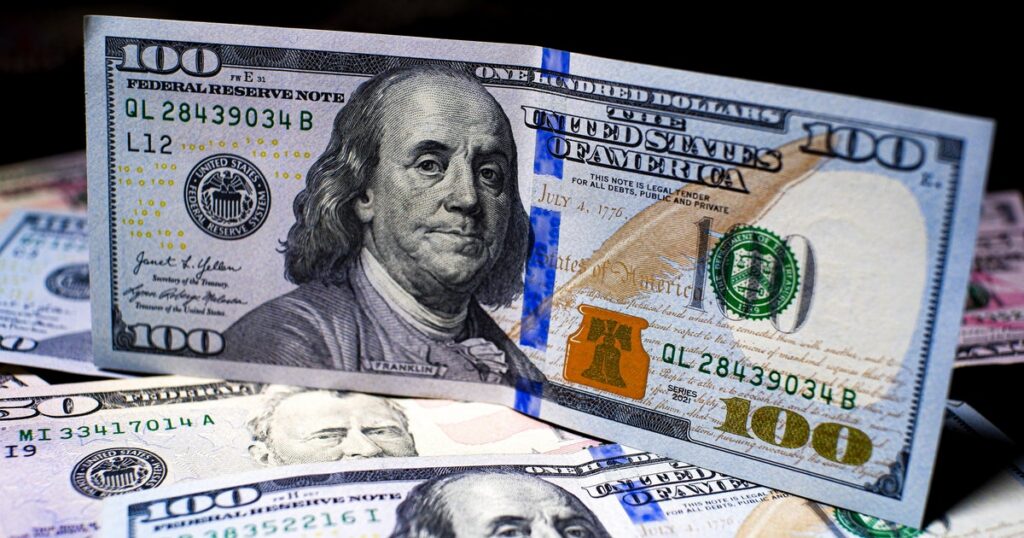
The U.S. Treasury Department announced that President Donald Trump’s signature will be added to new paper currency for the first time, commemorating the nation’s 250th anniversary alongside Treasury Secretary Scott Bessent’s signature. This change coincides with plans for a 24-karat gold commemorative coin featuring Trump’s likeness, both intended to honor the country’s historic milestone and Trump’s recent economic leadership. The new currency is expected to be introduced later this year amid ongoing economic challenges, with the Treasury praising Trump’s impact on the nation’s economic revival.
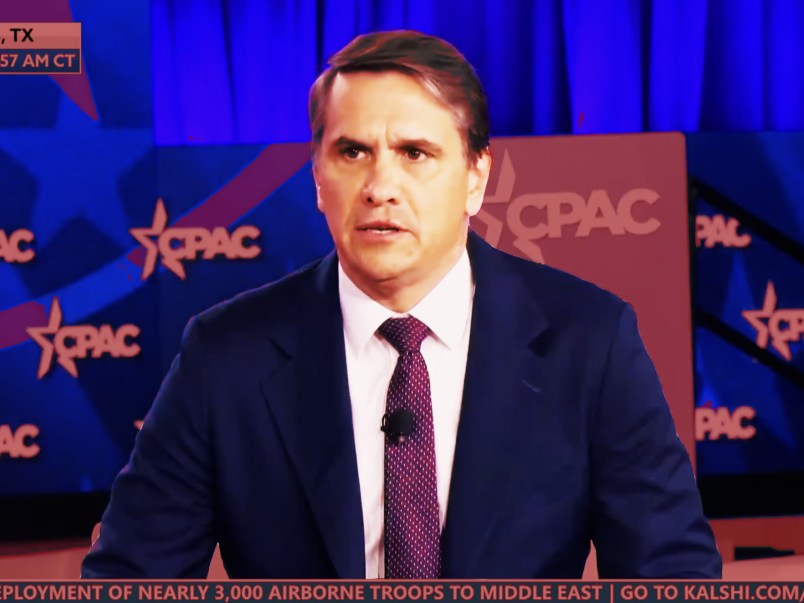
President Donald Trump faces significant obstacles in advancing the U.S. military campaign against Iran due to uncertain congressional support and growing public opposition, with lawmakers demanding clearer justification and strategy. The conflict has also triggered economic repercussions, including stock market declines and soaring oil and gasoline prices, while Trump downplays these issues and temporarily halts attacks on Iran’s energy infrastructure. Concurrently, the administration is embroiled in controversies over election security, proposing ICE monitoring at polling places and facing criticism over Trump’s own mail-in voting, highlighting internal tensions ahead of the midterm elections.
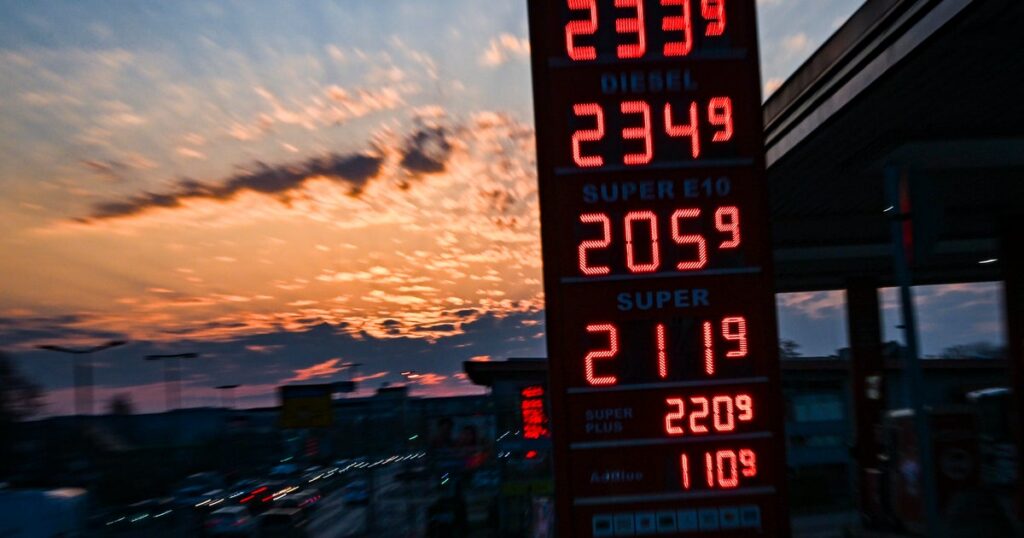
The conflict involving Iran has severely disrupted global oil supplies by blocking the Strait of Hormuz, a vital route for about 20% of the world’s oil shipments, with vessel traffic dropping drastically and Iran imposing tolls on passage. The International Energy Agency recommends reducing oil demand through measures like remote work and increased public transit use, but experts note challenges in changing American driving habits due to limited transit options and the cost of electric vehicles. Meanwhile, ongoing tensions have led to attacks on shipping vessels, and Iran insists on sovereignty over the strait as a condition for ending the conflict, signaling a long-term assertion of control.