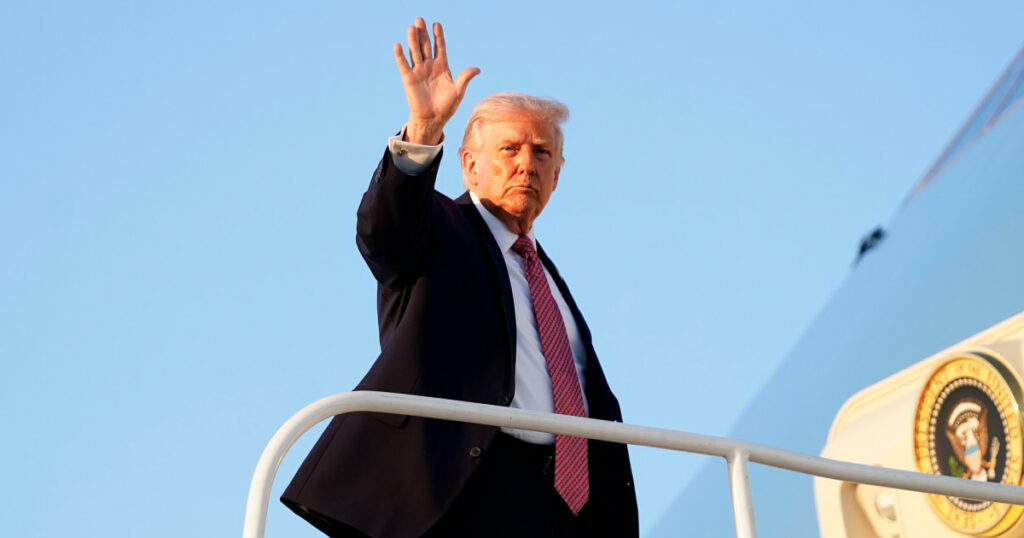
Amid ongoing tensions with Iran, President Trump has continued to play golf, describing it as a way to relax while asserting that the U.S. has significantly weakened Iran’s military and that the conflict is nearing resolution. Meanwhile, the partial shutdown of the Department of Homeland Security has caused operational disruptions and financial strain for TSA workers, with political divisions in Congress preventing a unified funding solution. Concurrently, the Department of Justice is intensifying election-related investigations, sparking debate over election integrity, while multiple legal and political controversies, including immigration enforcement and Supreme Court cases, contribute to a complex national environment.
Posts tagged as “Advancing American Freedom”
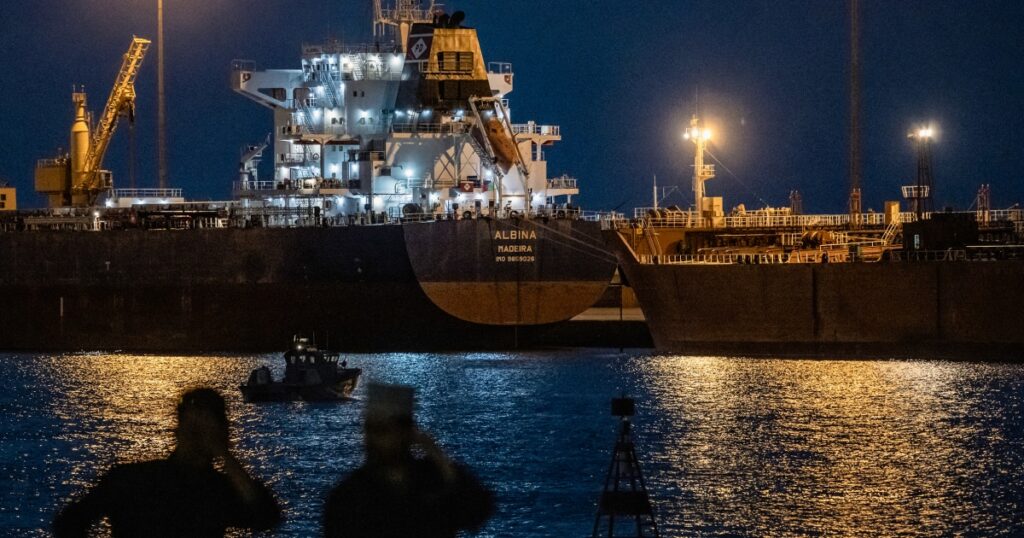
Global oil prices surged to new highs as escalating conflict between the United States, Israel, and Iran intensified missile and drone attacks across the Middle East, raising concerns about prolonged regional instability. Iran and its allied forces targeted Israeli infrastructure and U.S. military assets, while diplomatic efforts for resolution remain stalled amid threats of severe retaliation. The conflict has disrupted global energy markets, particularly impacting Asian oil supplies and driving U.S. gasoline prices to their highest levels since mid-2022, with experts warning of further price spikes and inflationary risks.

In March 2026, the Trump administration strengthened its ties with the combat sports world through an FBI partnership with the UFC and the appointment of former MMA fighter Senator Markwayne Mullin as Secretary of Homeland Security, highlighting the growing influence of combat sports within conservative politics. This connection is rooted in Trump’s longstanding affinity for combat sports and is further amplified by prominent fighters and media figures like Joe Rogan who promote right-wing ideologies and alternative health views. Concurrently, escalating Middle East tensions involving Russia, Iran, and U.S. forces have intensified debates in the Senate over military responses, amid broader regional conflicts with significant global implications.
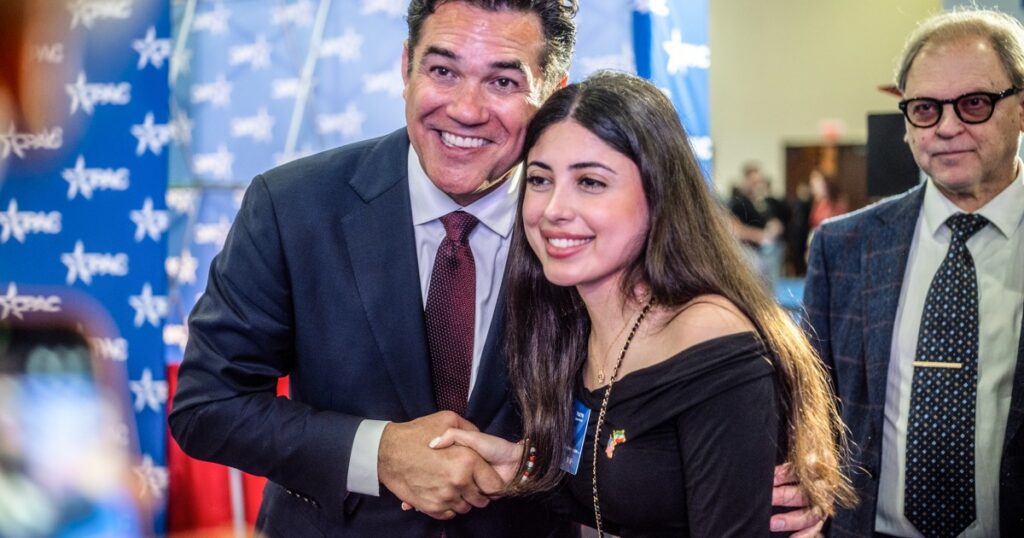
Conservative activists at CPAC in Texas largely support former President Trump’s military action against Iran but express concerns about economic strain, rising gas prices, and avoiding U.S. ground troop deployment. The conflict’s impact on the economy and Republican Party unity has raised worries about the upcoming midterm elections, even as loyalty to Trump remains strong among many attendees. Meanwhile, broader political tensions persist, including a historic DHS shutdown linked to immigration funding disputes, highlighting the complex domestic challenges amid the ongoing war.
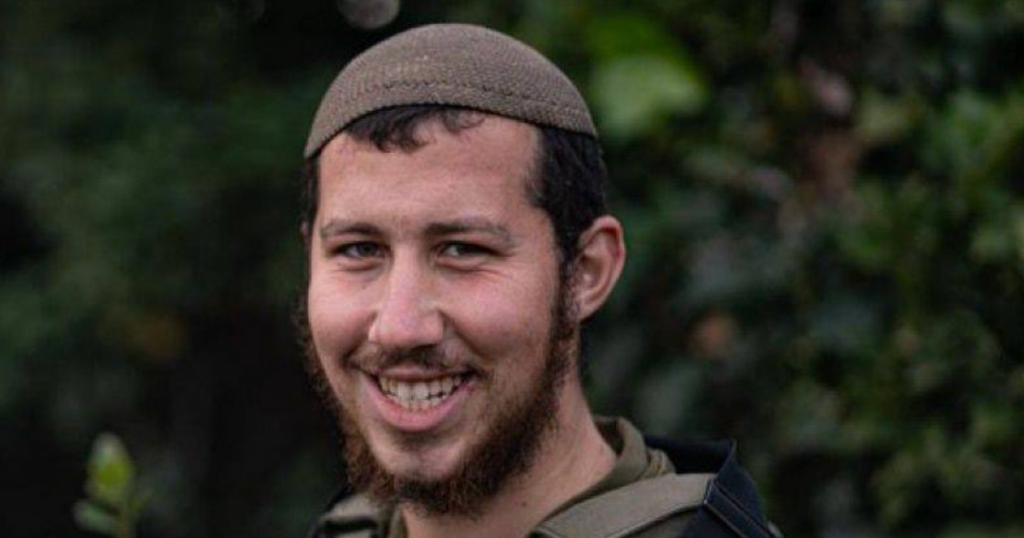
An American-born Israeli soldier, Sgt. Moshe Yitzchak Hacohen Katz, was killed in combat in southern Lebanon amid ongoing hostilities between Israel and Hezbollah, with details of his death undisclosed. The conflict, which has caused nearly 1,200 deaths in Lebanon and significant displacement of over one million people, has intensified as Israel expands its military campaign to establish a security zone along the border. Humanitarian concerns have been raised by the UN and aid organizations, urging a ceasefire to prevent further escalation and suffering.
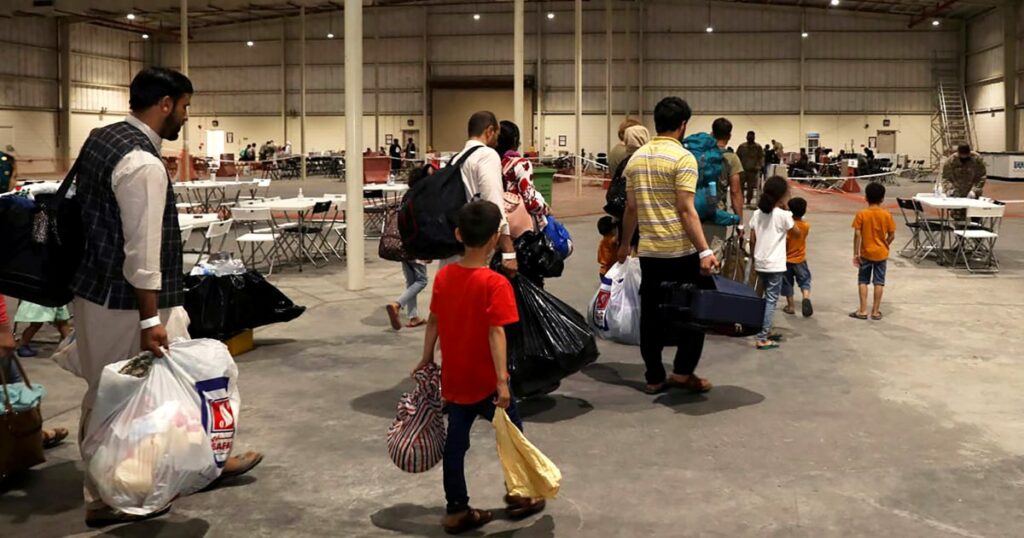
More than 1,100 Afghan refugees who supported the U.S. remain stranded at Camp As Sayliyah in Qatar, facing a March 31 deadline to relocate to an unspecified third country or return to Taliban-controlled Afghanistan, despite risks of persecution. Advocacy groups criticize the Trump administration’s handling of the situation, calling the camp a “prison camp” and expressing concerns about the refugees’ uncertain futures, while the State Department defends the closure as necessary and humane. Meanwhile, escalating tensions in the Middle East, particularly involving Iran’s unyielding stance and militia activities, complicate regional security and diplomatic efforts, highlighting the broader challenges affecting both refugees and U.S. foreign policy.
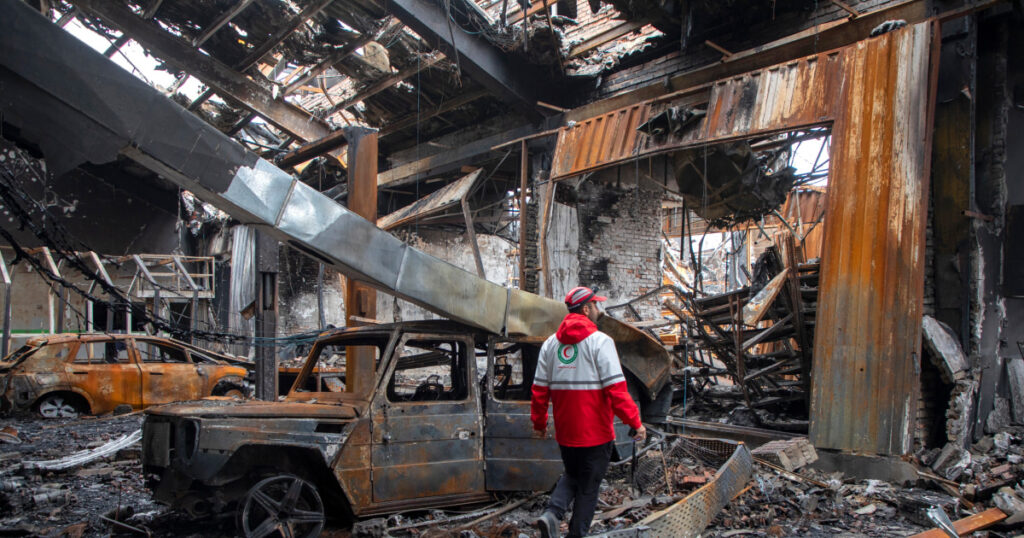
More than 3,500 U.S. troops, including approximately 2,500 Marines aboard the USS Tripoli, have been deployed to the Middle East amid escalating tensions with Iran following recent missile and drone attacks on Saudi Arabia that injured U.S. personnel. The conflict has disrupted global oil exports and shipping routes, with Iranian-backed Houthi rebels also entering the fray, raising concerns over maritime security. Despite rising hostilities and military preparations, diplomatic efforts continue, with the U.S. proposing a peace plan that Iran has rejected, while both sides maintain readiness for further confrontation.

European officials and Ukrainian President Volodymyr Zelenskyy have raised alarms over Russia’s deepening military cooperation with Iran, particularly involving intelligence sharing and drone technology that targets U.S. forces in the Middle East and supports Russia’s efforts in Ukraine. Zelenskyy provided evidence of Russian satellites aiding Iranian attacks on American bases and highlighted Ukraine’s efforts to share anti-drone technology with Gulf states facing Iranian aggression. This growing alliance complicates U.S. military resource allocation and diplomatic negotiations, with Zelenskyy emphasizing the need for sustained Western support amid stalled peace talks and shifting geopolitical priorities.