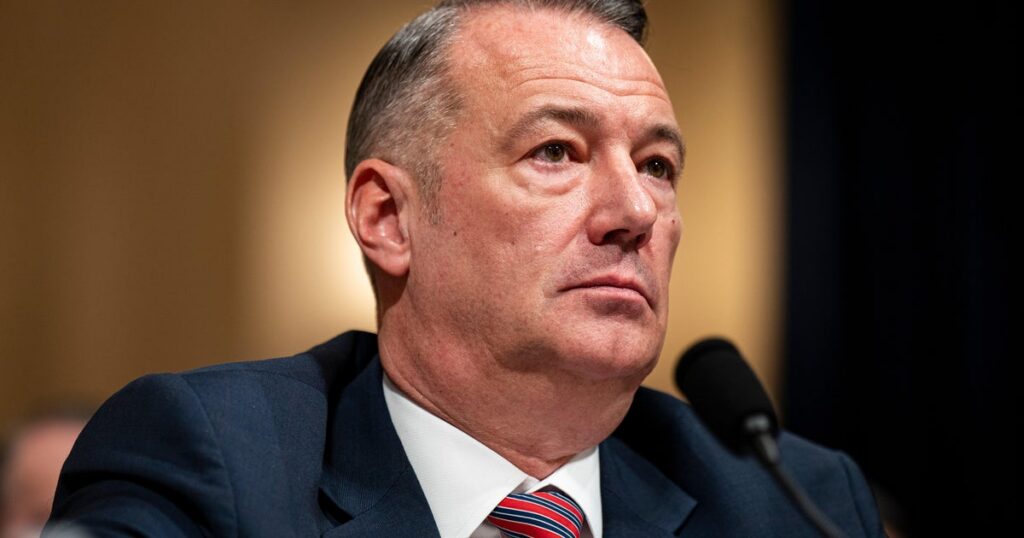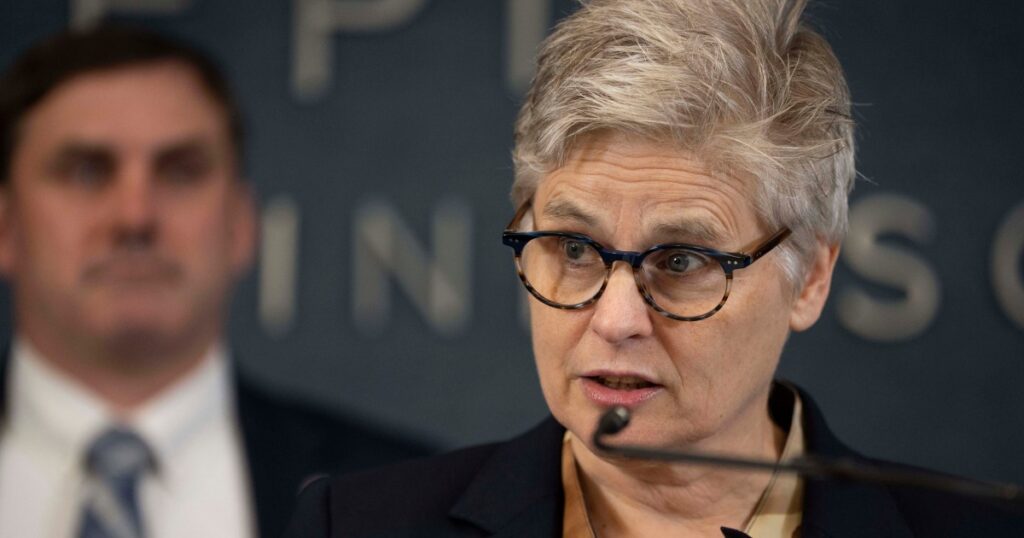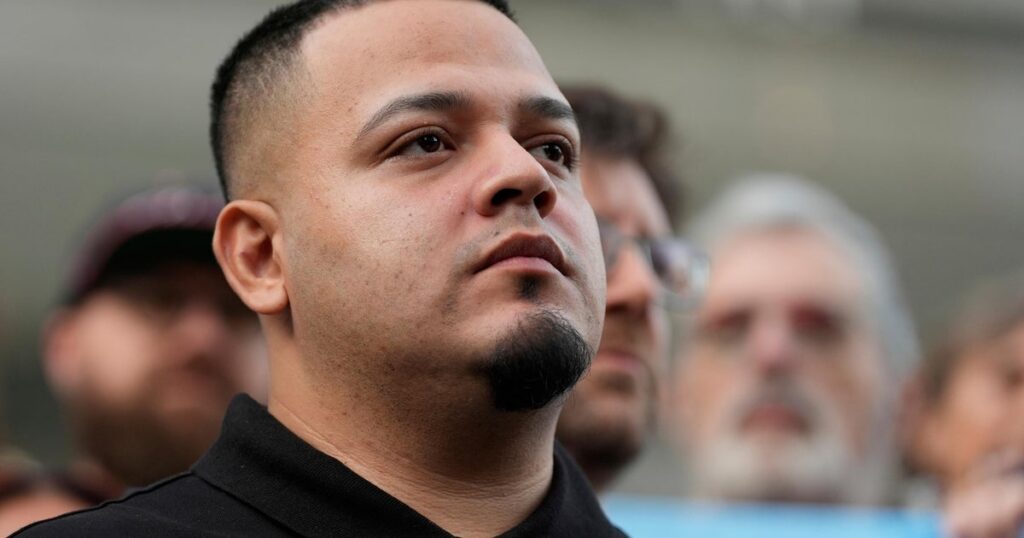
A Senate amendment requiring photo identification for voting failed to advance after a 53-47 vote, amid heated debate over the broader SAVE America Act, which seeks to impose stricter voter ID and citizenship verification measures. Democrats opposed the amendment, citing concerns about voter access and ballot secrecy, while Republicans argued it was necessary for election integrity and reflected public opinion favoring voter ID laws. Additional election-related controversies include fears of ICE presence at polling places and a lawsuit demanding transparency over a voter data sharing agreement involving Social Security Administration staff, highlighting ongoing tensions ahead of the 2026 midterms.
Posts tagged as “Adrián through Immigration and Customs Enforcement”
The Department of Homeland Security shutdown has entered its 41st day, causing severe delays at TSA checkpoints and increasing pressure on Senate lawmakers to reach a funding agreement before their upcoming recess. Negotiations remain deadlocked over funding and reform of ICE, with Republicans opposing Democratic demands for immigration enforcement reforms and Democrats insisting on them as part of any DHS funding deal. Meanwhile, internal GOP divisions and calls from former President Trump to end the filibuster complicate efforts to pass a resolution, leaving the shutdown unresolved as the Senate prepares for another vote.
A recent DHS Office of Inspector General report revealed significant vulnerabilities in TSA airport screening linked to a 2025 policy allowing passengers to keep their shoes on, but TSA has not responded due to the report’s Top Secret classification limiting access. This classification has prevented TSA leadership from addressing security gaps amid ongoing staffing shortages caused by a prolonged DHS funding lapse, which has left agents unpaid and forced many to leave. Meanwhile, congressional efforts to resolve DHS funding are stalled by partisan disputes over immigration enforcement reforms, complicating the resolution of both security and operational challenges.
The Department of Homeland Security remains partially shut down for a second month due to stalled congressional negotiations, causing major disruptions like long airport security lines and unpaid TSA workers. The shutdown reflects deep partisan divisions, with Republicans blaming Democrats for blocking funding over ICE reform demands, while Democrats insist on accountability measures for federal agents before restoring full DHS funding. Meanwhile, President Trump’s contradictory stance on mail-in voting and ongoing legal challenges related to federal law enforcement investigations further complicate the political environment surrounding the shutdown and broader administration policies.
In April, several key elections—including special congressional races in Georgia and New Jersey, a Wisconsin Supreme Court contest, and a Virginia redistricting referendum—will test party strengths and influence the U.S. political landscape. Meanwhile, the Department of Homeland Security remains partially shut down due to partisan disputes, with Senate Republicans and former President Trump clashing over funding tied to controversial voting legislation. These events highlight the ongoing challenges in bipartisan cooperation amid a highly polarized political environment.
Delta Air Lines has temporarily suspended special services for members of Congress at airports due to operational challenges caused by the ongoing partial U.S. government shutdown and resulting TSA staffing shortages. The shutdown has led to severe workforce reductions, with many TSA employees working without pay and facing financial and mental health hardships, prompting criticism of temporary measures like deploying ICE agents to assist with security. Meanwhile, airlines and airport staff urge Congress to resolve the funding impasse soon, as the Senate nears a potential deal to restore Department of Homeland Security operations and ease widespread travel disruptions.
Senator Markwayne Mullin was confirmed as the new Secretary of the Department of Homeland Security by a 54-45 Senate vote, replacing Kristi Noem amid controversy over her leadership. Mullin’s appointment comes during a prolonged DHS shutdown caused by Democratic demands for immigration enforcement reforms, which remain unresolved despite the leadership change. Known for bipartisan relationships, Mullin has pledged to empower personnel and implement policy shifts such as requiring judicial warrants for enforcement actions, while his confirmation drew both cross-party support and criticism.