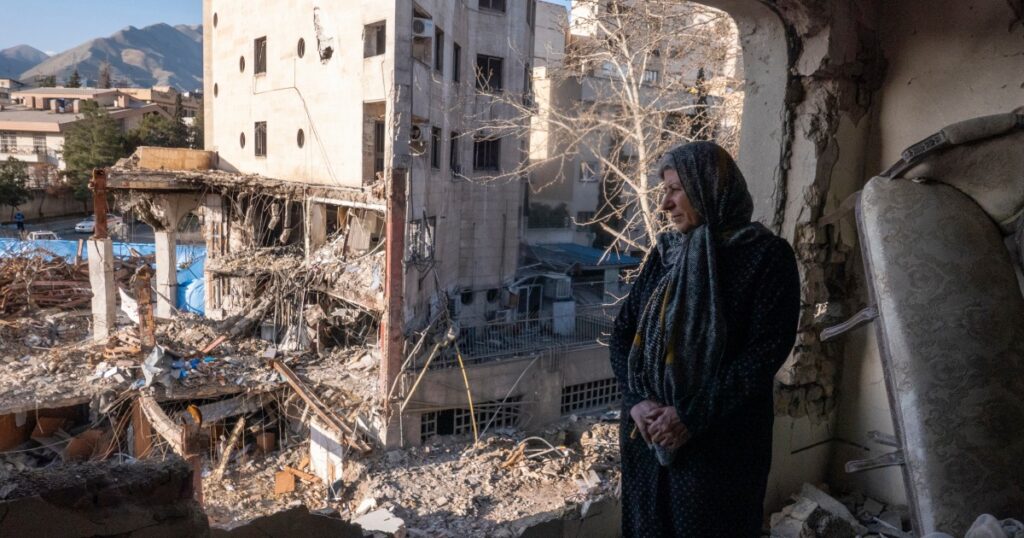
Tensions between the United States and Iran have sharply escalated over the closure of the strategic Strait of Hormuz, with the U.S. issuing an ultimatum threatening to target Iran’s energy infrastructure and Iran responding with warnings of retaliatory strikes on U.S. and Israeli assets. Military engagements have already occurred, causing significant disruptions to global oil supplies and surging prices, while international efforts to secure the strait face challenges due to Iran’s control over critical infrastructure through the IRGC. Experts warn that military action alone may not resolve the crisis and highlight the potential humanitarian risks of targeting energy infrastructure linked to civilian services, prompting calls for careful strategic decisions amid growing regional instability.
Posts tagged as “a Japan Coast Guard”

Venezuela won its first-ever World Baseball Classic championship by narrowly defeating the United States 3-2 in a thrilling final, becoming the second Latin American country to claim the title. Key moments included Wilyer Abreu’s solo home run, Bryce Harper’s late two-run homer to tie the game, and Eugenio Suárez’s decisive ninth-inning double that sealed the victory. Despite a star-studded U.S. lineup, Venezuela’s strong pitching and timely hitting propelled them past top teams like Japan and Italy to capture the historic win.
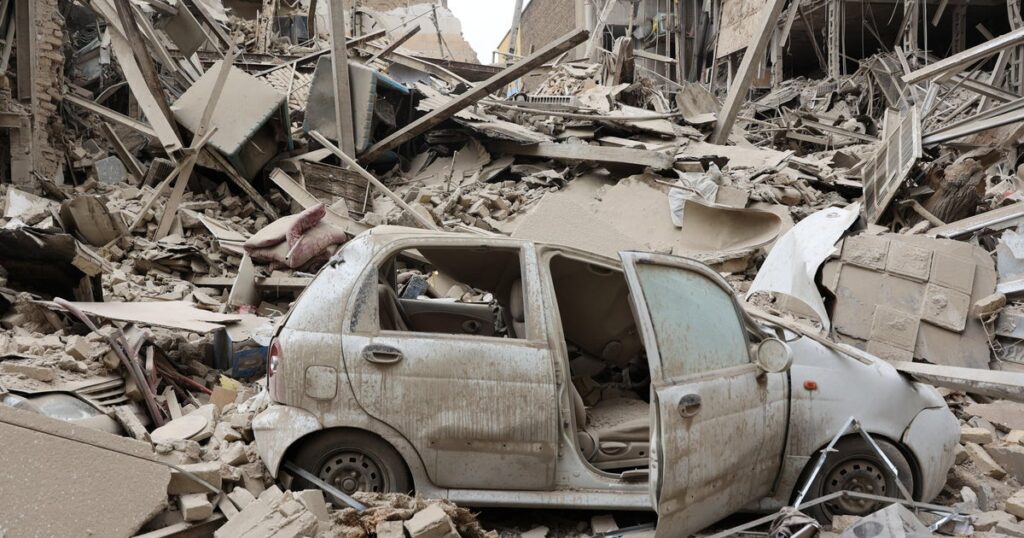
President Donald Trump has urged countries dependent on oil shipments through the Strait of Hormuz to help reopen the waterway, which Iran has effectively closed amid escalating regional conflict following a U.S.-Israeli military campaign. However, many traditional U.S. allies, including European and Pacific nations, have declined to participate in securing the strait, emphasizing diplomacy and conflict resolution over military involvement. The ongoing tensions have driven up global oil prices, strained international relations, and resulted in significant military engagements and regional instability.

The conflict between the United States, Israel, and Iran has led to the near closure of the Strait of Hormuz, severely disrupting global oil supplies and causing sharp price increases, particularly impacting energy-dependent Asian countries that have implemented emergency measures to cope with shortages. This disruption has triggered broader economic consequences, including rising costs for fuel and essential products like fertilizers, stock market declines, and a shift toward alternative energy sources. Meanwhile, maritime operations in the strait have become increasingly dangerous due to attacks and military tensions, with shipping largely deterred despite U.S. efforts to secure the vital waterway.
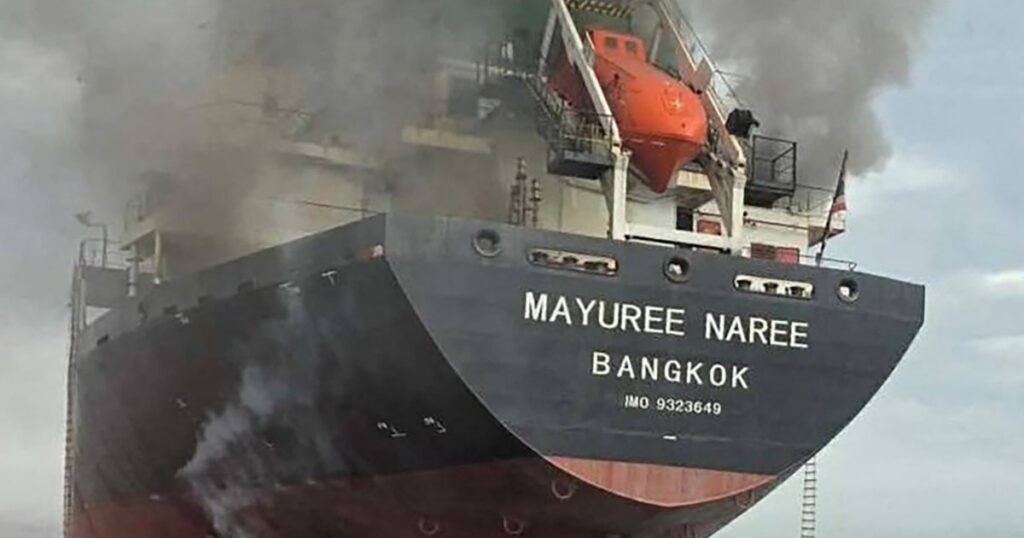
U.S. President Donald Trump has called on allied and rival nations to jointly patrol the Strait of Hormuz to secure the vital oil shipping route amid escalating tensions, but countries like Japan, France, China, the UK, and South Korea have responded cautiously without committing to military involvement. Iran maintains its stance of self-defense, denying closure of the strait and blaming U.S. actions for the insecurity, while allowing some vessels safe passage. Experts warn that even a multinational naval presence may not ensure security due to the strait’s narrowness and asymmetric threats, suggesting that diplomatic solutions may be more effective than military intervention.
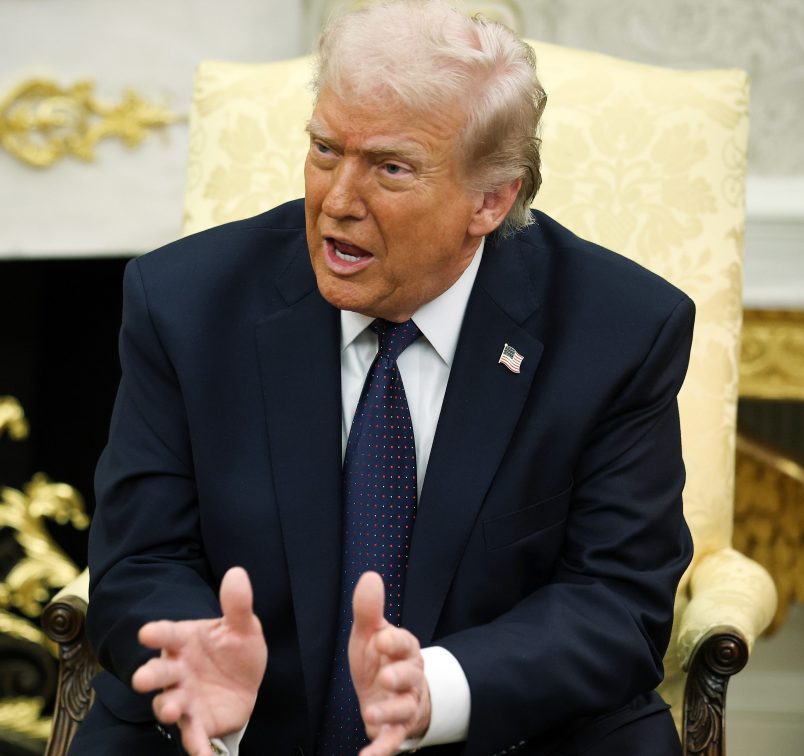
The conflict involving Iran in the Middle East has intensified over nearly two weeks, marked by a tragic U.S. military aircraft crash in Iraq, persistent Iranian drone and missile attacks on Gulf allies, and rising tensions fueled by President Trump’s aggressive rhetoric. These attacks have disrupted critical shipping routes like the Strait of Hormuz, prompting discussions of U.S. naval escorts to protect oil tankers amid soaring global energy prices. Meanwhile, Iran’s internal crackdown on protests and calls from international leaders for regime change highlight the multifaceted and volatile nature of the ongoing crisis.
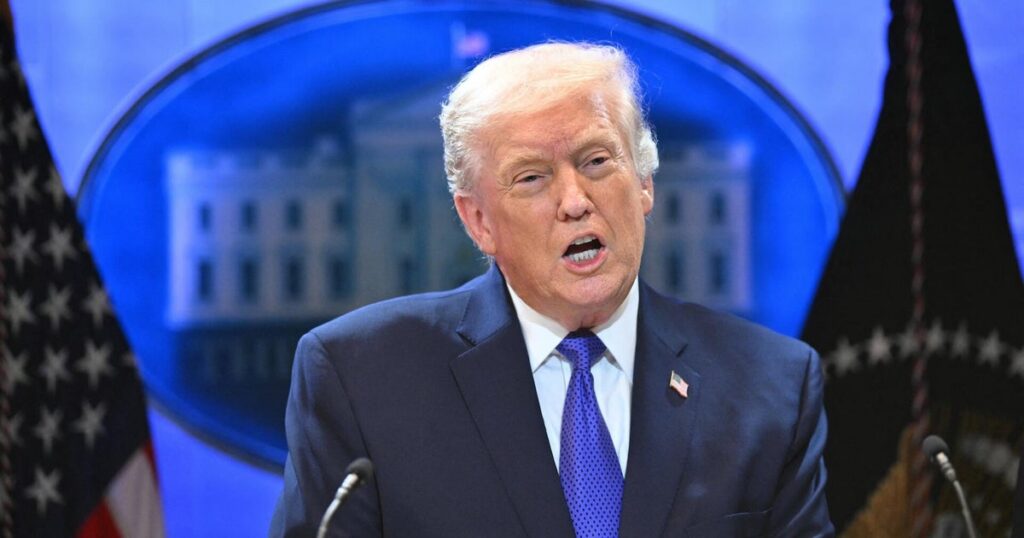
The Trump administration has launched multiple trade investigations into over a dozen countries, including the EU, China, and Mexico, focusing on "structural excess capacity" in manufacturing that may harm U.S. wages and market access. These probes, conducted under Section 301 of the Trade Act, aim to determine whether new tariffs should be imposed before the current global 10% tariff expires in July, with potential increases to 15% also under consideration. Additionally, separate investigations will target forced labor compliance in about 60 countries, raising concerns among U.S. trading partners and threatening recent trade agreements.
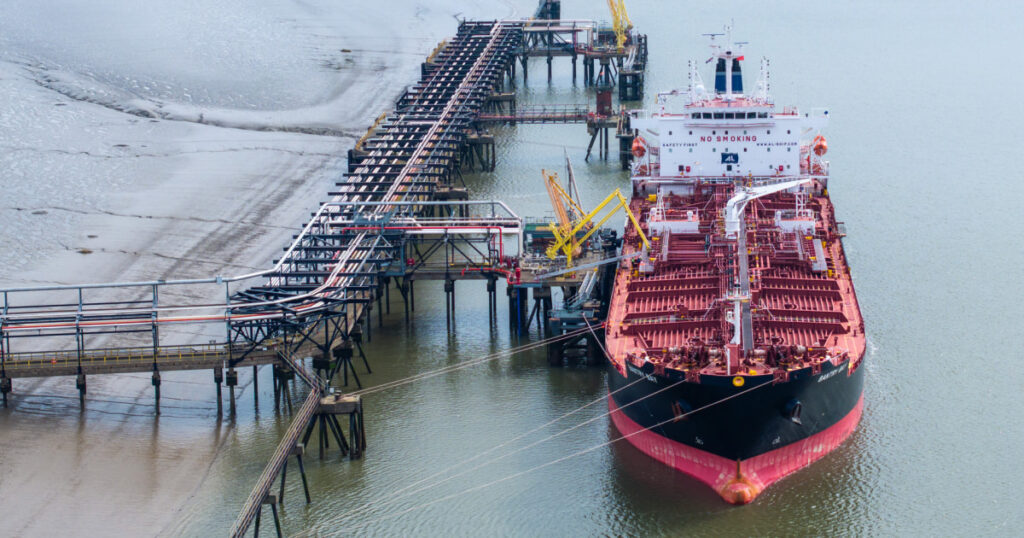
The International Energy Agency (IEA) announced a historic release of 400 million barrels of oil from emergency reserves to counter soaring energy prices caused by the closure of the Strait of Hormuz amid tensions with Iran. This unprecedented collective action by 32 member countries aims to mitigate significant supply disruptions, though analysts warn it may only provide limited short-term relief given the scale of the deficit and logistical delays. The situation remains volatile, with sustained price stability dependent on reopening the crucial maritime route and securing long-term energy supply solutions.