
The 2026 Kentucky Derby features a full field of 20 horses competing at Churchill Downs on Saturday. Renegade is the morning-line favorite, with notable contenders including Commandment, Further Ado, and two horses trained by Bob Baffert.
Posts tagged as “a Japan Coast Guard”
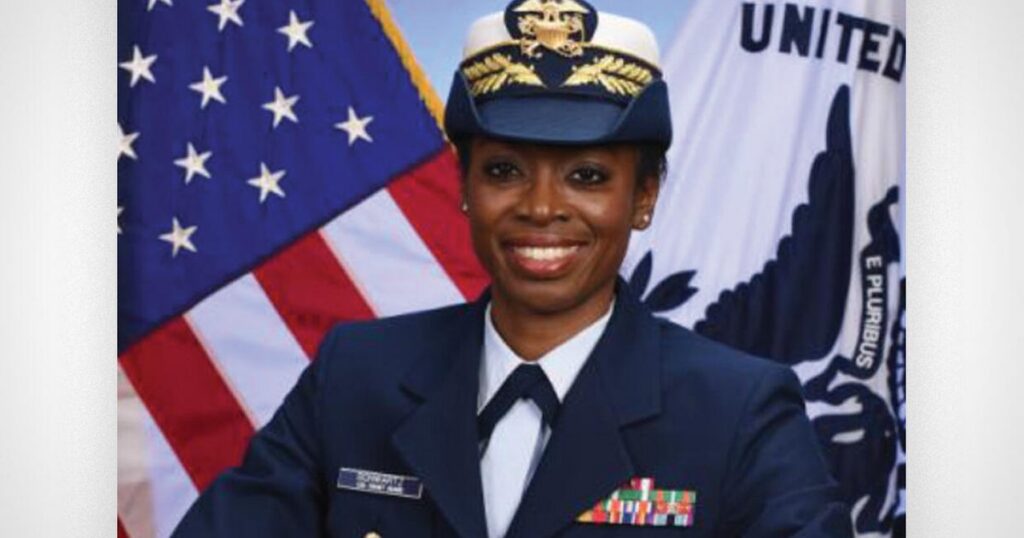
Dr. Erica Schwartz, a former deputy U.S. surgeon general and Coast Guard rear admiral, is the leading candidate to become the next CDC director. The nomination requires former President Trump’s approval amid ongoing agency challenges and vaccine policy controversies.

American YouTuber Johnny Somali is sentenced to six months in a South Korean prison for offensive stunts, including disrespecting a statue honoring wartime sexual slavery victims. The court cited multiple charges and ordered his immediate detention.

Stocks surged and oil prices plunged after a two-week ceasefire was announced between the U.S. and Iran, easing fears of a prolonged energy crisis. Despite the positive market reaction, analysts caution that uncertainty remains about the future of shipping through the Strait of Hormuz and the durability of the ceasefire.
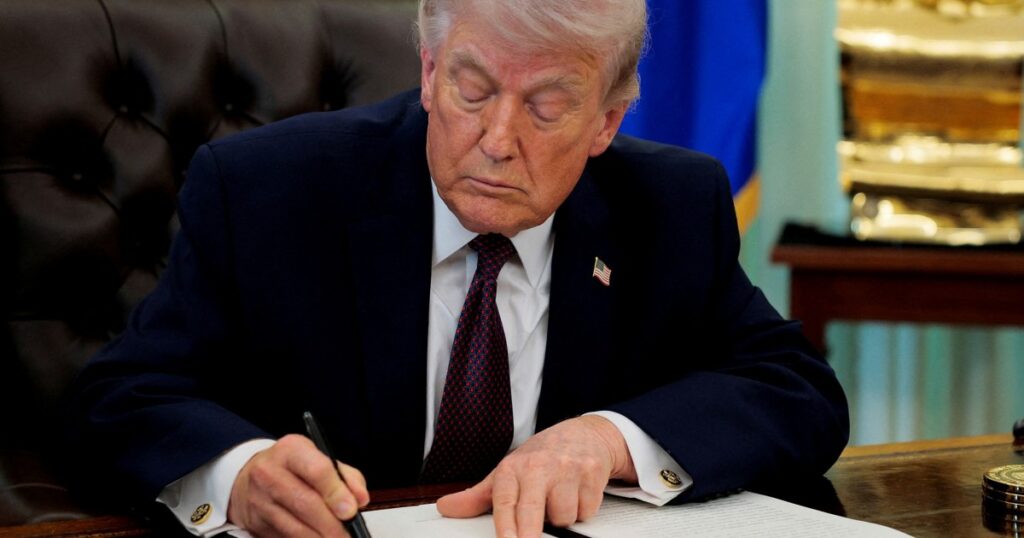
President Trump orders the Department of Homeland Security to pay all employees amid a nearly 50-day shutdown. Over 35,000 workers, including FEMA and Coast Guard civilians, have gone unpaid due to a congressional impasse over immigration policy.
The Senate advances a plan to fund most of the Department of Homeland Security as President Trump pledges to pay all DHS employees amid a partial government shutdown. Lawmakers face divisions over funding immigration enforcement agencies, with Republicans pursuing a two-track strategy to end the shutdown.
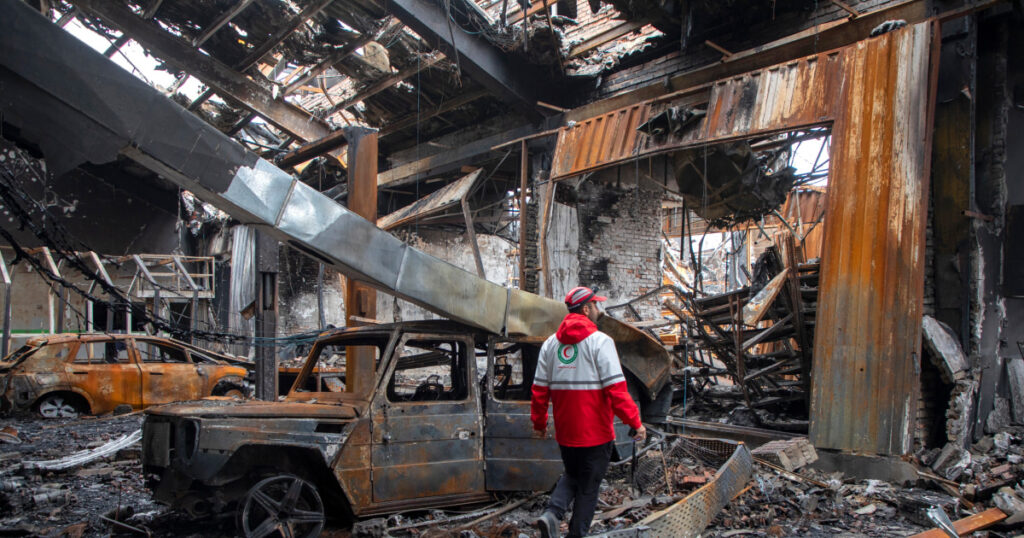
More than 3,500 U.S. troops, including approximately 2,500 Marines aboard the USS Tripoli, have been deployed to the Middle East amid escalating tensions with Iran following recent missile and drone attacks on Saudi Arabia that injured U.S. personnel. The conflict has disrupted global oil exports and shipping routes, with Iranian-backed Houthi rebels also entering the fray, raising concerns over maritime security. Despite rising hostilities and military preparations, diplomatic efforts continue, with the U.S. proposing a peace plan that Iran has rejected, while both sides maintain readiness for further confrontation.
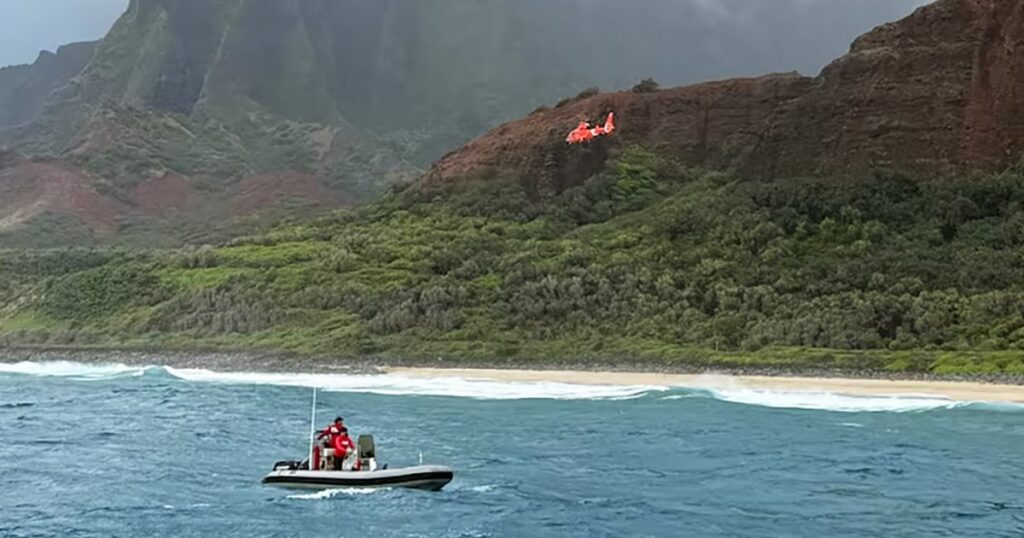
A helicopter operated by Airborne Aviation crashed off the coast of Kauai near Kalalau Beach, resulting in three deaths and two injuries among the pilot and four passengers. Emergency teams from multiple agencies quickly responded, rescuing survivors and transporting them to Wilcox Medical Center, while the FAA and NTSB have launched an investigation into the incident. The crash occurred during a period of severe weather in Hawaii, and authorities have yet to release details on the cause.