
President Donald Trump announced a 25% tariff on all imported automobiles to encourage domestic manufacturing and reduce reliance on foreign imports, expecting auto manufacturers to relocate operations to the U.S. The tariffs, set to take effect on April 2, are intended to stimulate domestic production and job creation, despite concerns about potential increases in consumer prices and impacts on economic growth. The financial markets reacted negatively to the news, with the S&P 500 dropping 1.2%, as investors worried about the broader economic implications of the tariffs.
Posts tagged as “4th U.S. Circuit Court of Appeal”
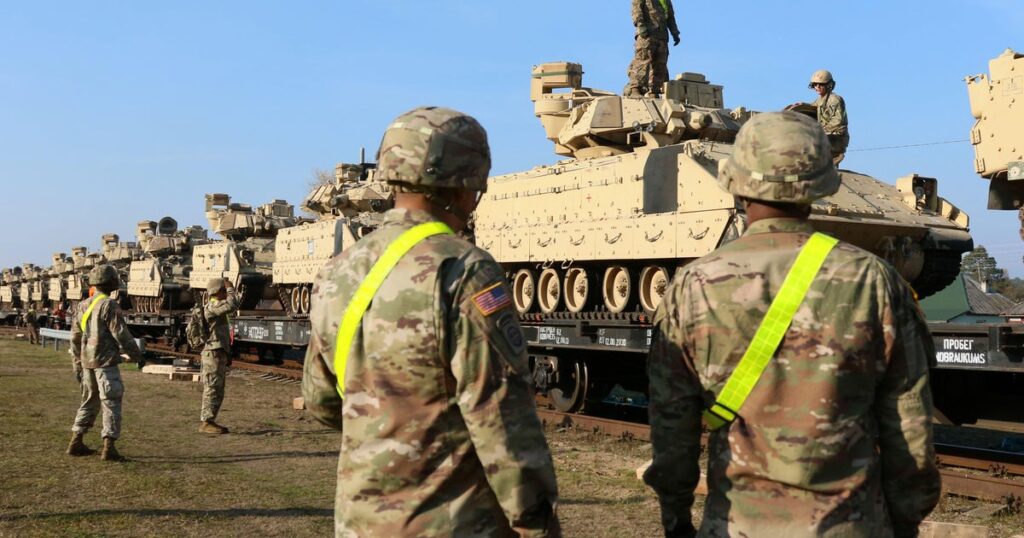
Four U.S. Army soldiers were reported missing and later confirmed dead during a joint training exercise with Lithuanian forces near Pabradė, close to the Belarus border. The U.S. embassy in Vilnius and NATO Secretary General Mark Rutte acknowledged the incident, highlighting the collaborative nature of the training aimed at enhancing military readiness among NATO allies. The Pentagon described the event as a training accident, and efforts to recover the soldiers, who were part of the 1st Brigade, 3rd Infantry Division, are ongoing, with gratitude expressed for the support from Lithuanian military and police.
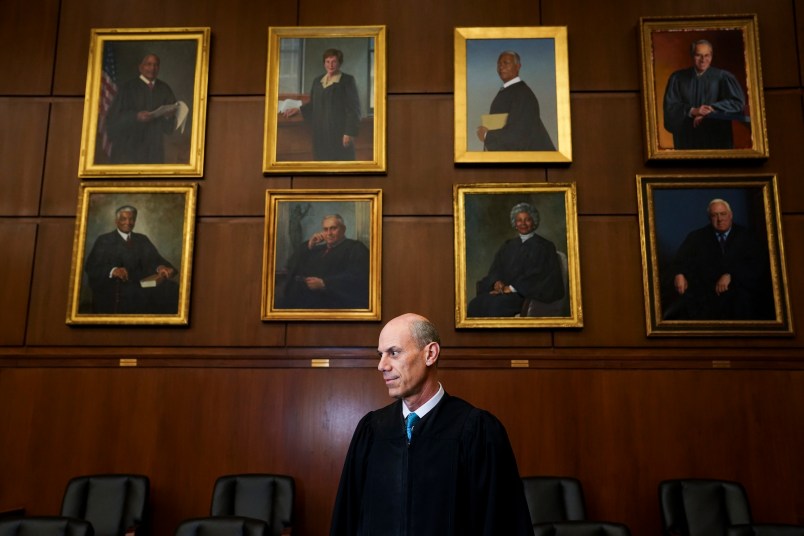
Federal employees from various government agencies have filed a class action complaint against the Trump administration, alleging unlawful termination related to diversity, equity, and inclusion (DEI) activities, which they claim were targeted under an executive order issued by former President Donald Trump. The U.S. Merit Systems Protection Board will review the case to determine if the administration's actions violated federal employees' rights. This legal action coincides with another significant case involving the Trump administration, examining potential violations of a judicial order blocking deportations, both of which could impact the understanding of executive authority and employee rights.
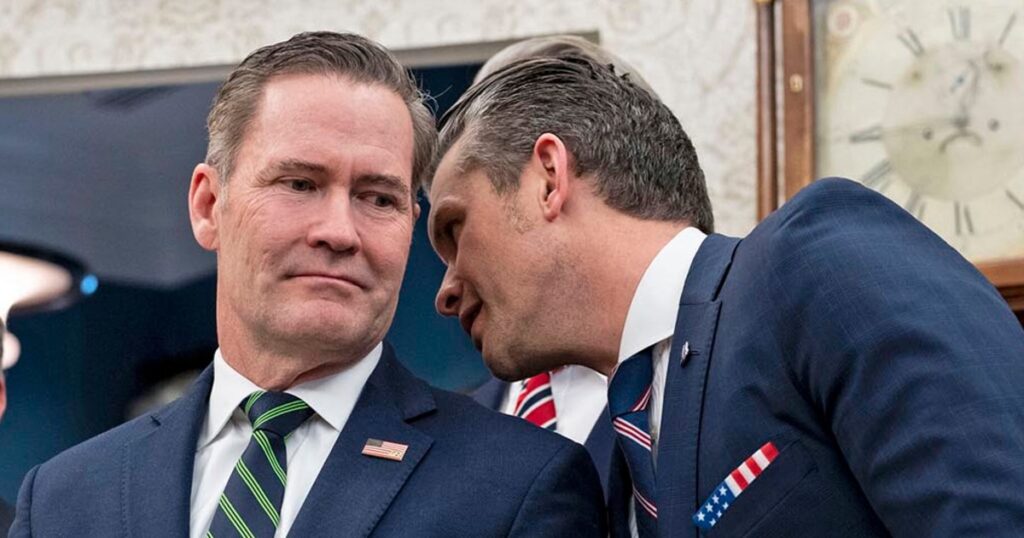
The Atlantic published screenshots and a transcript from a Signal group chat that mistakenly included its editor-in-chief, Jeffrey Goldberg, revealing details about U.S. military operations in Yemen. The chat, involving high-ranking U.S. officials, disclosed specifics such as the types of military aircraft used and the timing of airstrikes, sparking controversy over the handling of sensitive information. Despite the White House's insistence that the information was not classified, the incident has raised concerns about the security of military communications and the risks associated with using digital platforms for discussing sensitive operations.
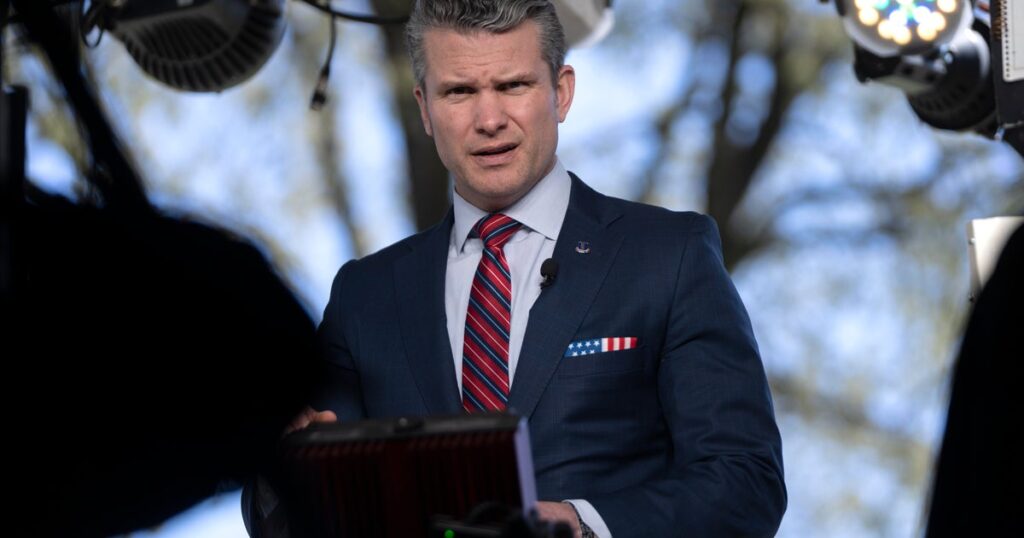
A recent survey has come under scrutiny due to revelations about a Signal chat involving senior Trump administration officials discussing potential airstrikes against Houthi militants, with specific plans such as timing and aircraft types. The Atlantic published screenshots of the chat, which inadvertently included a journalist, leading to public disclosure despite White House claims that no classified "war plans" were discussed. The incident has sparked debate over the handling of sensitive information, with concerns about operational security and the communication practices of government officials.

Jeffrey Goldberg, editor-in-chief of The Atlantic, was accidentally included in a Signal group chat where Trump administration officials discussed sensitive national security matters, including a U.S. military operation targeting Iran-backed Houthi forces in Yemen. This incident has raised significant concerns about the handling of classified information, particularly focusing on Defense Secretary Pete Hegseth, who shared operational details in the chat. In response, Director of National Intelligence Tulsi Gabbard and CIA Director John Ratcliffe are set to testify before the House Intelligence Committee to address the leak and discuss protocols for safeguarding classified information.
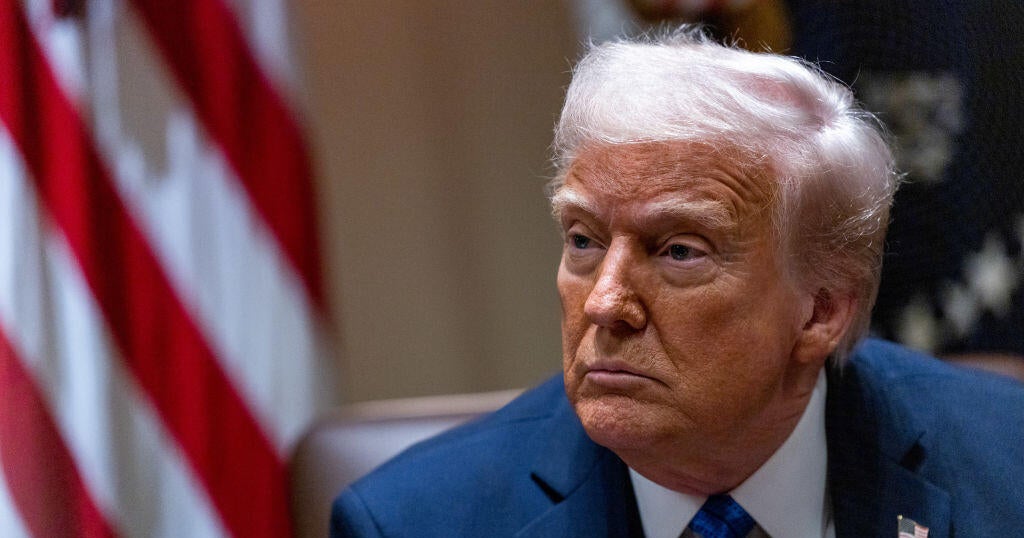
At a Senate Intelligence Committee hearing, Trump administration officials addressed concerns over the accidental inclusion of a journalist in a Signal group chat discussing U.S. military plans, leading to accusations from Democrats of compromising national security. President Trump defended his national security adviser, Mike Waltz, asserting that the information shared was not classified and expressing confidence in Waltz's abilities. Officials downplayed the incident, attributing it to a technological mishap and suggesting future caution in using such communication methods.
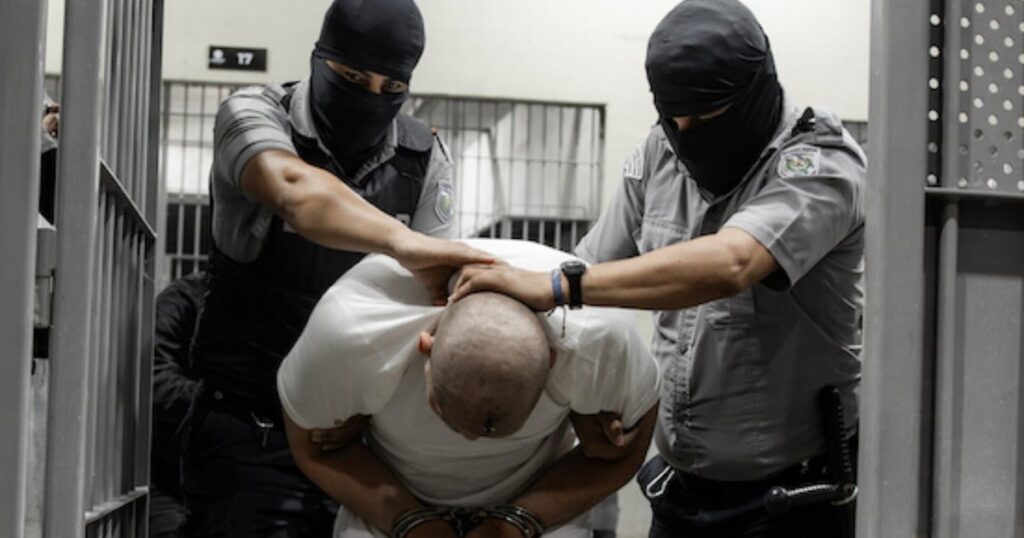
A woman was distressed to see her partner in a video from an El Salvador prison after his deportation, highlighting the controversy surrounding the Trump administration's handling of Venezuelan migrant deportations. The administration is under scrutiny for potentially defying a federal judge's order to halt deportations, raising questions about its efforts to circumvent legal intervention. This case underscores the tension between the executive branch and the judiciary over immigration policies, with conflicting information from ICE agents further complicating the legal and humanitarian aspects.