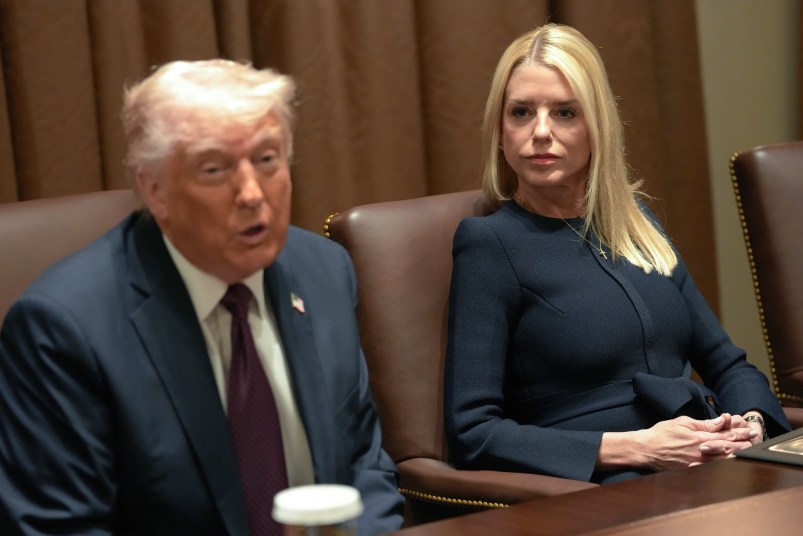
Attorney General Pam Bondi has publicly addressed a significant breach involving a Signal group chat at the highest levels of the U.S. government, ruling out an investigation and instead defending the Trump administration while criticizing its detractors. This decision has sparked debate over whether Bondi's stance serves as a protective measure for the administration or a strategic focus on other priorities, with the controversy becoming a key point in discussions about the Trump administration's national security handling. Concurrently, President Trump withdrew Elise Stefanik's nomination for U.N. ambassador, fueling speculation about the administration's internal dynamics and approach to appointments, all within a rapidly evolving political landscape.
Posts tagged as “4th U.S. Circuit Court of Appeal”
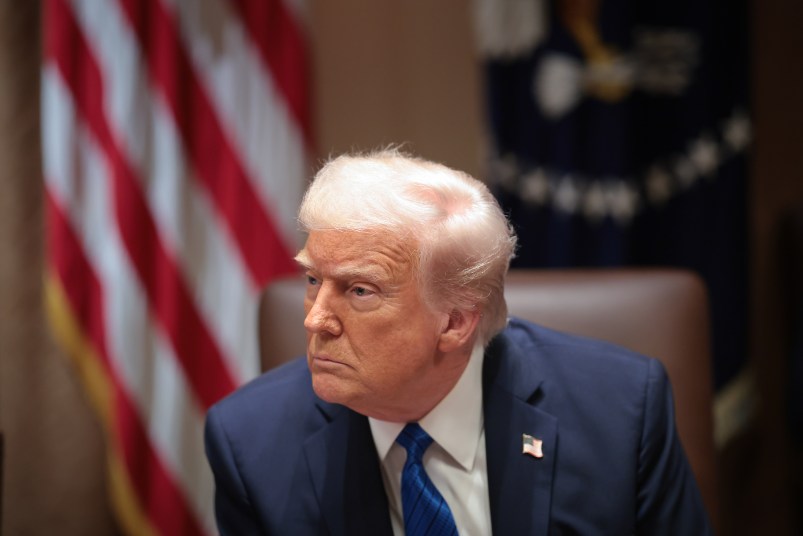
The Justice Department has requested emergency intervention from the Supreme Court after a federal appeals court in Washington blocked the deportation of individuals suspected to be members of the Tren de Aragua gang to El Salvador, a move initially pursued under the Trump administration using the wartime Alien Enemies Act. This legal conflict, which involves U.S. District Judge James Boasberg deliberating on potential contempt of court by the administration, highlights the ongoing tension between the executive branch and the judiciary over immigration policies and the use of wartime authority. The split decision by the appeals court, with Judges Karen Henderson and Patricia Millett in the majority and Judge Justin Walker dissenting, underscores differing judicial perspectives on national security and immigration enforcement, with Acting Solicitor General Sarah Harris noting the case's potential impact on the separation of powers.
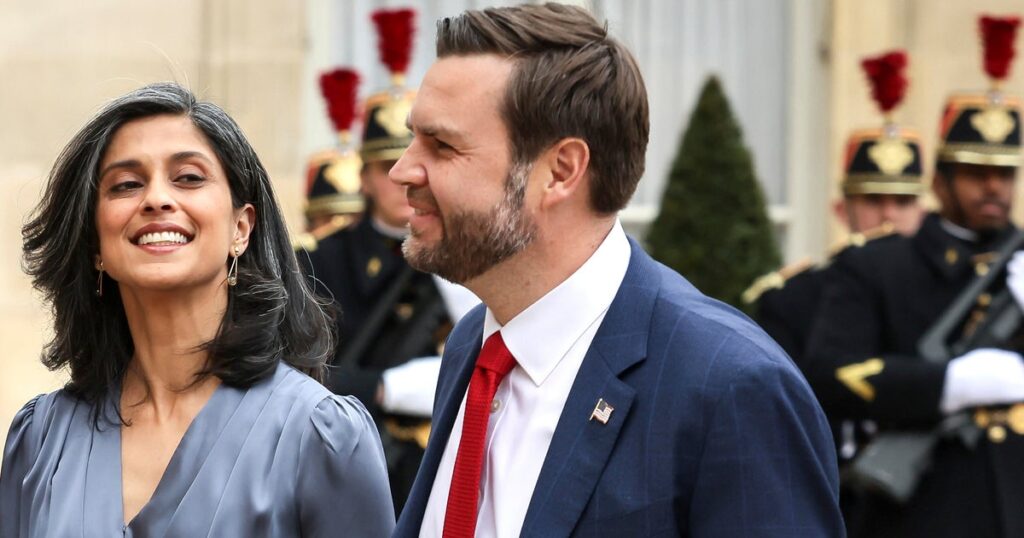
Vice President JD Vance's visit to Greenland, initially planned as a cultural trip, has shifted focus to U.S. policy and defense strategies amidst the Trump administration's interest in acquiring the territory. The visit, which includes a stop at a U.S. military base, underscores Greenland's strategic importance in U.S. Arctic policy, accompanied by Energy Secretary Chris Wright and National Security Adviser Michael Waltz. Russian President Vladimir Putin has acknowledged Trump's interest, citing historical precedents, as the U.S. explores expanding its Arctic influence, drawing international attention and debate.
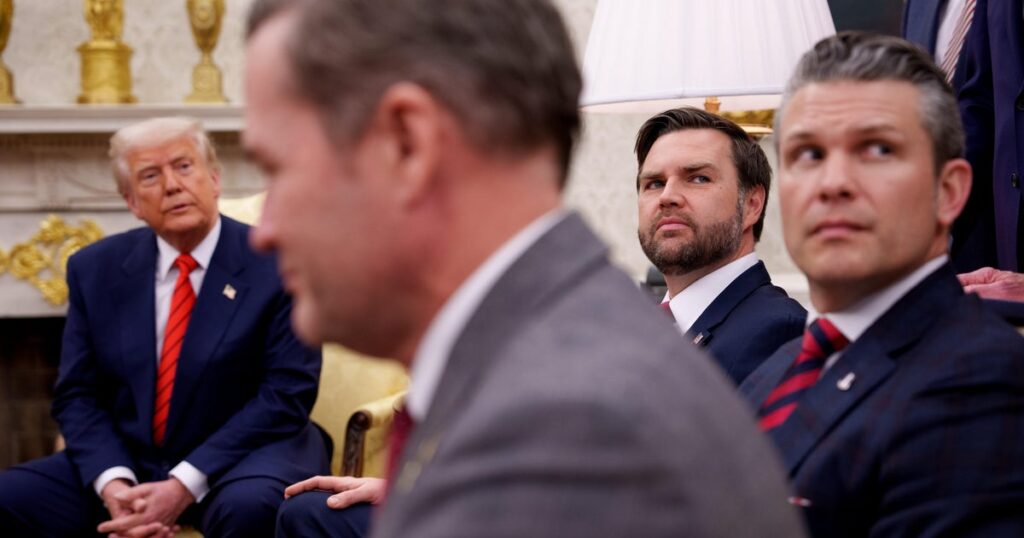
President Donald Trump has expressed frustration with national security adviser Michael Waltz over the use of the Signal app for discussing sensitive military operations, which inadvertently included journalist Jeffrey Goldberg in a group chat. The incident has raised security concerns, but Trump's irritation is reportedly more about Waltz having Goldberg's contact information than the app's use. Additionally, Trump's discussions with Waltz about withdrawing Rep. Elise Stefanik’s nomination as U.S. ambassador to the UN have added to his frustration, though both Waltz and Defense Secretary Pete Hegseth remain in their positions.
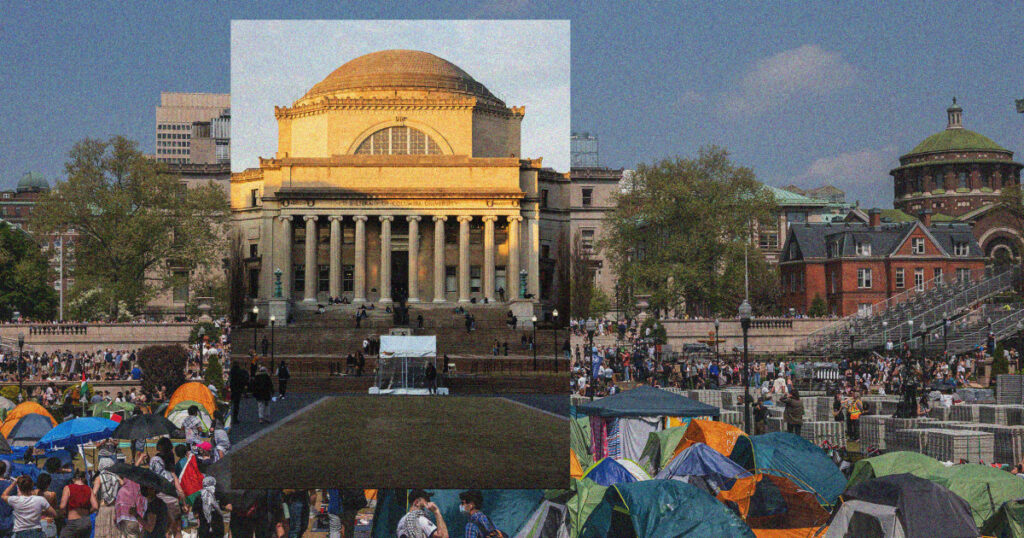
The U.S. government, led by Secretary of State Marco Rubio, has revoked 300 student visas as part of efforts to curb international student involvement in campus protests, citing activities like vandalism and harassment as grounds for such actions. This decision follows heightened scrutiny after protests at Columbia University related to the Gaza conflict, which involved significant student activism and drew national attention. The revocations have sparked concerns about due process and free speech rights, leading to a decline in student activism as international students fear losing their visas and facing severe penalties.
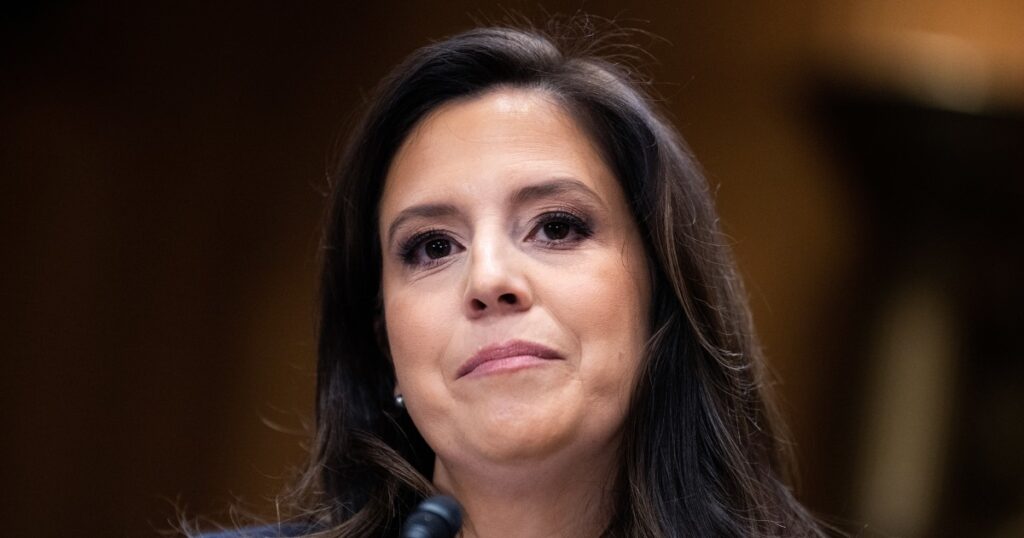
President Donald Trump has withdrawn the nomination of Representative Elise Stefanik for U.S. ambassador to the United Nations, asking her to continue her work in Congress due to the Republican Party's narrow majority in the House. This decision ends a two-month period of uncertainty for Stefanik, who is recognized for her loyalty to Trump and influence within the party. By keeping Stefanik in Congress, Trump aims to bolster Republican legislative efforts on key issues like tax cuts and border security, highlighting the strategic importance of her role in maintaining the party's legislative momentum.
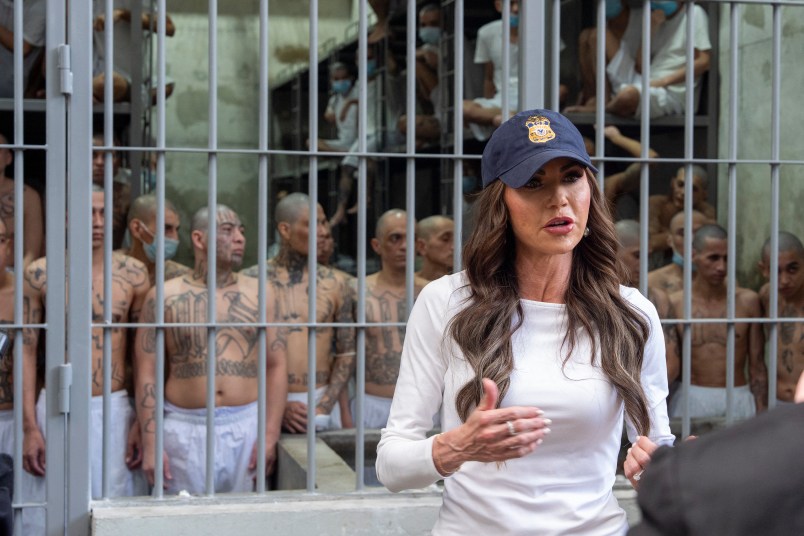
A doctoral student at the University of Alabama, identified as Alireza Doroudi, an Iranian national, has been arrested by federal immigration authorities, reflecting the Trump administration's focus on noncitizens in higher education. The university confirmed the detention but did not provide further details, emphasizing the value of international students to the campus community. This incident is part of a broader pattern of immigration enforcement affecting noncitizen students, amid discussions about the administration's legal stance on immigration, highlighted by a recent visit by DHS Secretary Kristi Noem to a prison in El Salvador.
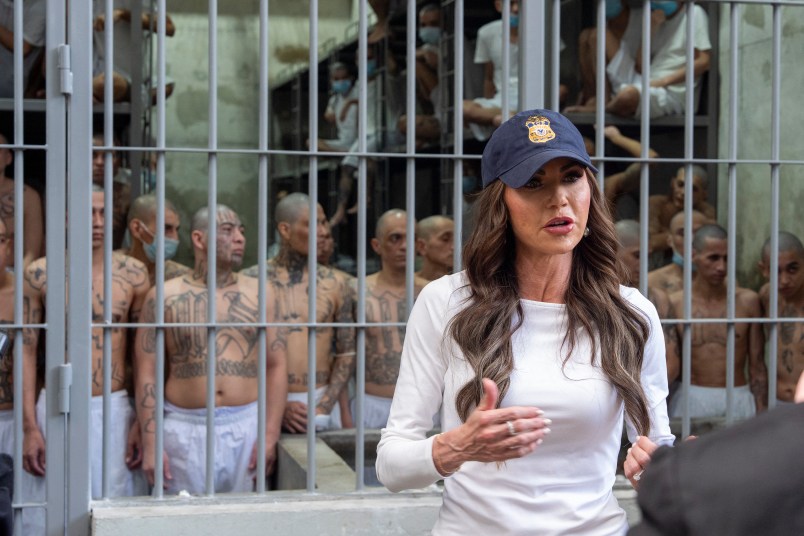
A recent report has uncovered a Signal group chat involving 18 Trump administration officials and Atlantic editor-in-chief Jeffrey Goldberg, discussing a planned attack against the Houthis in Yemen. The National Security Council has confirmed the chat's authenticity, and none of the participants have denied involvement, raising concerns about the implications for U.S. foreign policy and humanitarian norms. Additionally, Department of Homeland Security Secretary Kristi Noem's visit to a prison in El Salvador, detaining Venezuelan nationals, has sparked further controversy, potentially undermining previous legal arguments by the Trump administration.