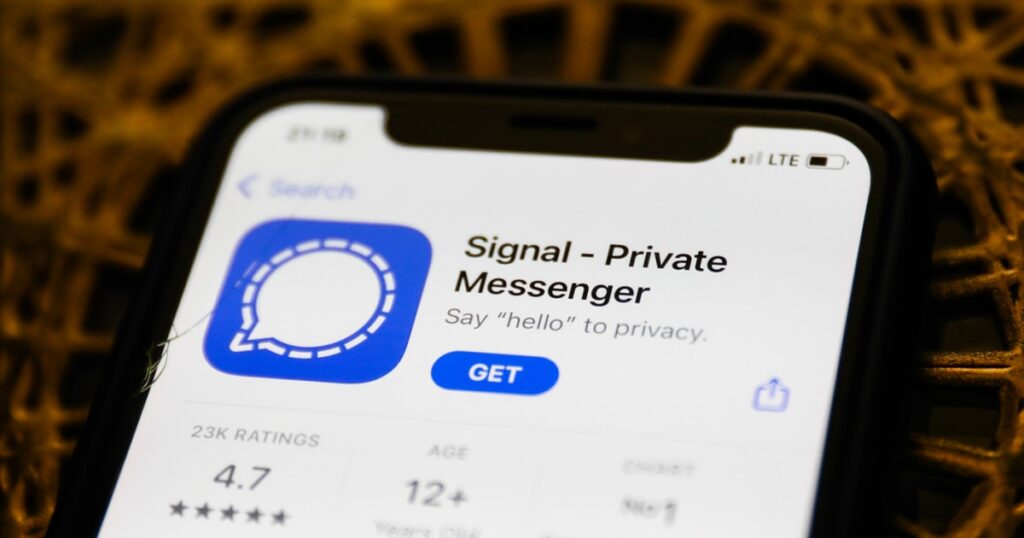
In February 2025, the NSA issued a bulletin warning about vulnerabilities in the encrypted messaging app Signal, following an incident where sensitive military plans were accidentally shared with journalist Jeffrey Goldberg via the app. This incident, involving Defense Secretary Pete Hegseth and a Signal group chat discussing military operations in Yemen, has raised concerns about the app's suitability for sensitive government communications. The disclosure has sparked a broader debate on the security of encrypted messaging applications and the need for stringent operational security measures to prevent similar breaches in the future.
Posts tagged as “4th U.S. Circuit Court of Appeal”

Speaker of the House Mike Johnson has suggested that Congress might consider eliminating certain federal courts, a proposal that has stirred significant reactions, particularly among House Democrats concerned about judicial independence. This suggestion aligns with efforts by Trump and his allies to challenge judicial decisions that have blocked the administration's policies, including calls for the impeachment of judges like U.S. District Judge James Boasberg. Critics argue that dissolving courts over disagreements with rulings threatens the balance of power and the judiciary's role in checking executive actions, raising concerns about the implications for the judicial system's independence.
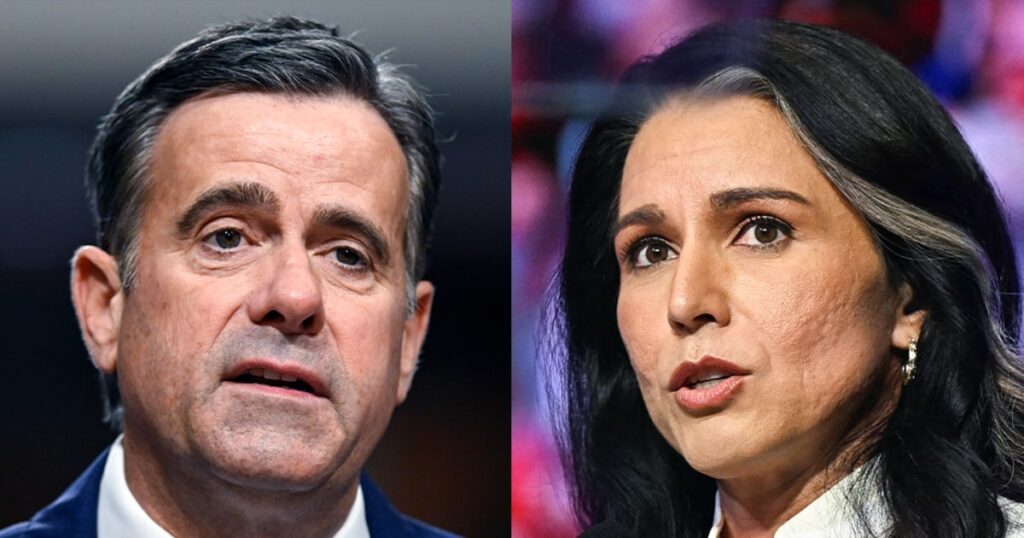
A recent incident involving the use of the messaging app Signal by senior officials from the Trump administration has raised concerns about the handling of sensitive information, as a group chat discussing U.S. military plans inadvertently included a journalist. Despite the potential security risks highlighted by this mishap, top intelligence officials assured that no classified materials were shared and downplayed the significance of the incident during a Senate Intelligence Committee hearing. The situation has sparked a broader discussion about the administration's communication practices and the importance of secure channels, especially in light of reported attempts by Russia to compromise Signal.
Signal, a messaging app known for its privacy features, faced scrutiny after U.S. military officials used it to discuss sensitive operations, raising concerns about its security. The issue surfaced when Jeffrey Goldberg of The Atlantic was accidentally added to a Signal group chat discussing military plans, leading to questions about the app's security protocols. Despite reassurances from intelligence officials that no classified information was shared, the incident has sparked a broader debate on the use of digital platforms for sensitive communications and the need for robust security measures.

Recent U.S.-Russia talks in Saudi Arabia have led to agreements aimed at reducing military tensions and ensuring safe navigation in the Black Sea, with both Russia and Ukraine committing to a ceasefire and a ban on attacks on energy facilities. These discussions, facilitated by American negotiators, focused on maritime security and the protection of energy infrastructure, marking a potential step forward in mediating peace between the two nations. While the agreements represent progress, the broader conflict remains complex, necessitating further negotiations and continued U.S. mediation efforts.
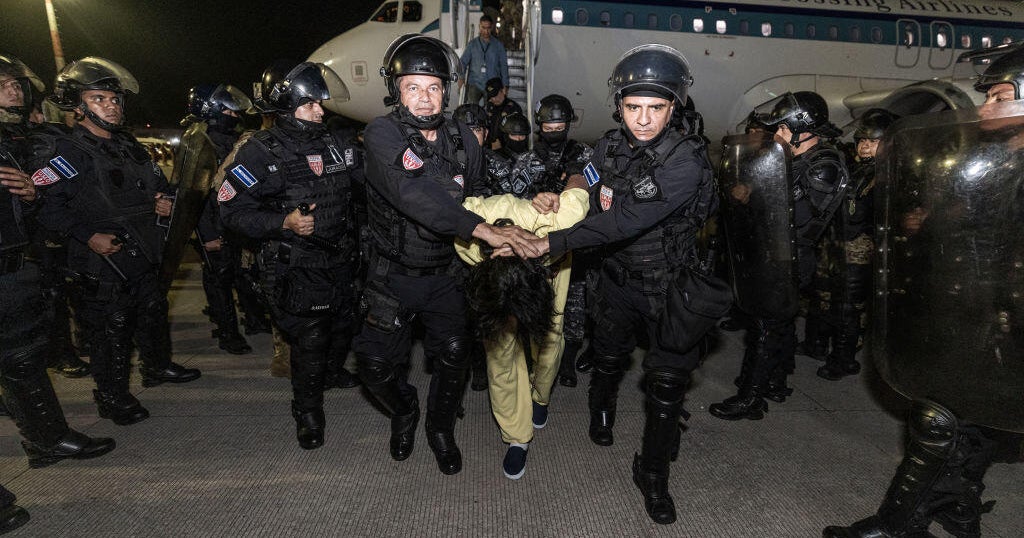
The Trump administration has invoked the state secrets privilege in response to a federal judge's inquiry about potential violations of a deportation order involving Venezuelan migrants, citing concerns over diplomatic and national security issues. This move, overseen by U.S. District Judge James Boasberg, has raised questions about compliance with a previous order to halt deportations without due process, as the administration refused to disclose specific details about the deportation flights. The invocation of this privilege highlights ongoing tensions between the executive branch and the federal judiciary, with significant implications for immigration enforcement and the balance of power between these branches.

Representative Darrell Issa has introduced the "No Rogue Rulings Act" to prevent district court judges from issuing nationwide injunctions, which have previously hindered the implementation of former President Trump's policies. Concurrently, U.S. District Judge James Boasberg is involved in a legal case about the deportation of Venezuelan migrants, with the Trump administration invoking the state secrets privilege to withhold information, citing national security concerns. Issa's bill offers a political avenue for lawmakers to support Trump's policies by limiting judicial intervention, highlighting the ongoing debate over the balance of power between the judiciary and the executive branch.
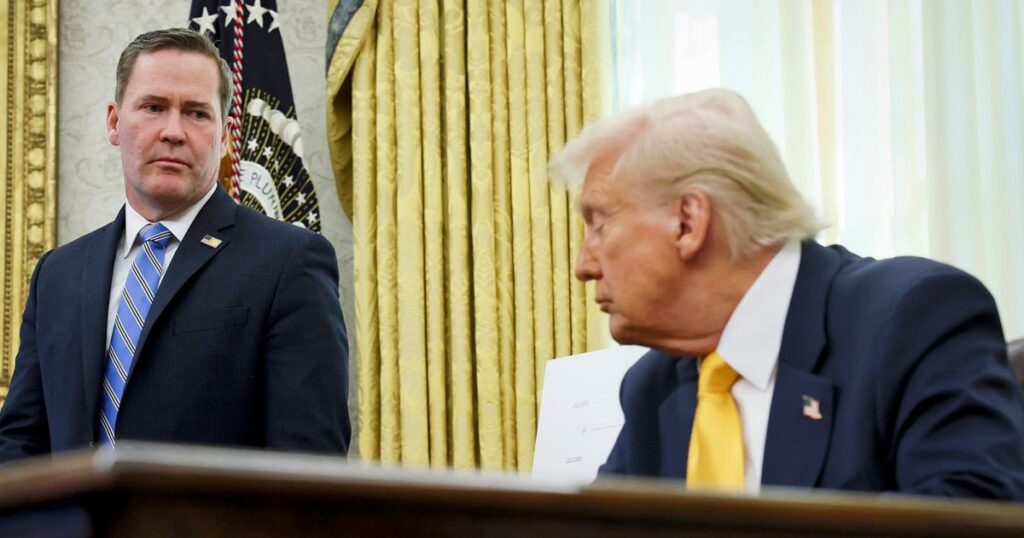
President Donald Trump has voiced his support for National Security Adviser Mike Waltz after an incident where The Atlantic's editor-in-chief was accidentally included in a private Signal chat discussing military plans against Houthi positions in Yemen. This breach, which exposed highly classified military strategies, has raised concerns about the security of communications within the Trump administration. A congressional hearing is scheduled to investigate the incident, with testimony expected from several high-ranking intelligence and defense officials to understand the breach's implications for national security.