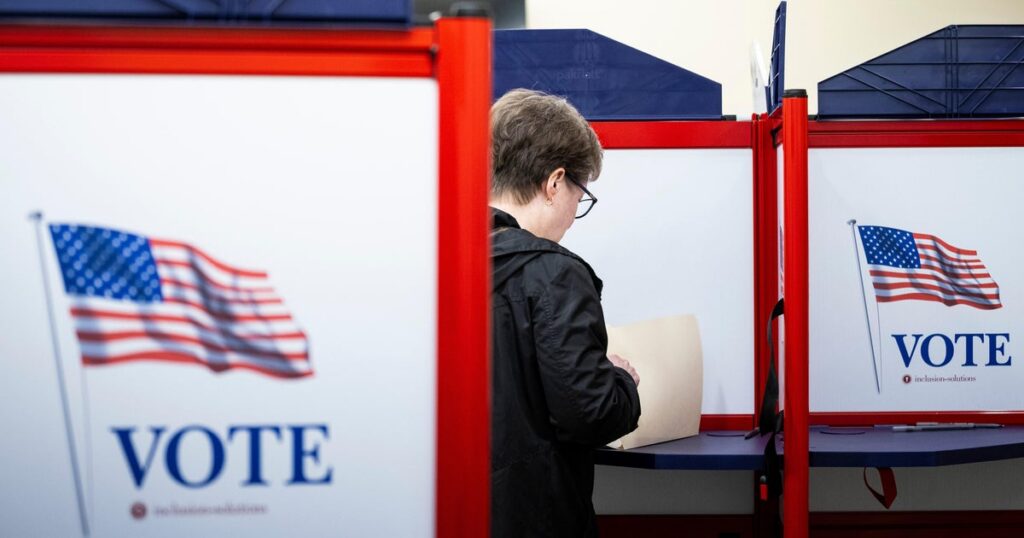
Virginia voters decide on a constitutional amendment to redraw congressional districts favoring Democrats, amid a national battle over redistricting ahead of the 2026 midterms. The referendum would temporarily suspend a bipartisan commission and could shift up to four House seats to Democrats.
Posts tagged as “― Trump”
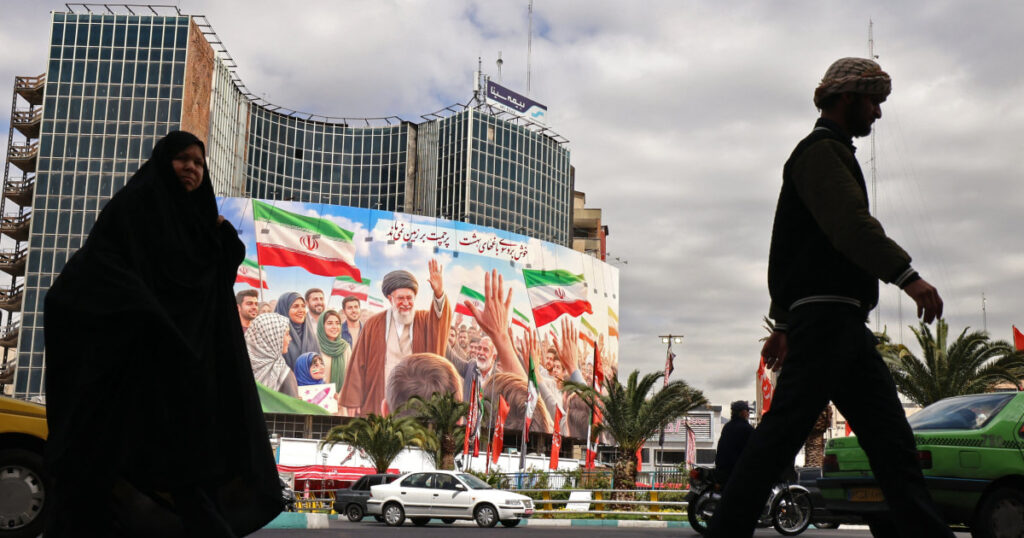
As the ceasefire between the U.S. and Iran nears expiration, American envoys head to Pakistan for talks amid Iran's closure of the Strait of Hormuz and escalating threats. Iran demands the U.S. lift its naval blockade, while President Trump warns of attacks on Iranian infrastructure if a deal is not reached.
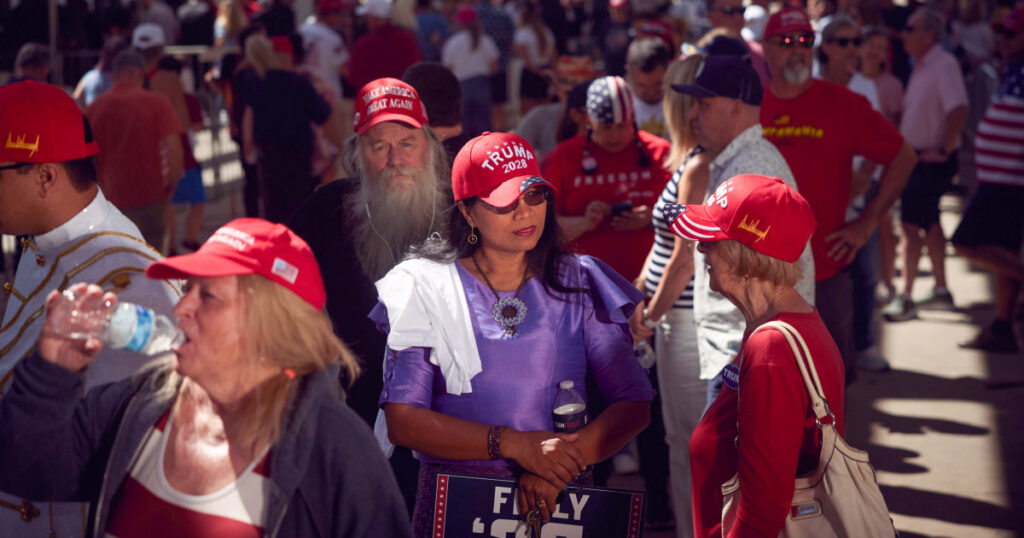
President Donald Trump and Pope Leo XIV have engaged in a public dispute over the U.S. war in Iran, with Trump criticizing the pope's calls for peace and the pope urging an end to violence. The conflict has divided opinions among Trump supporters and religious leaders about the roles of political and spiritual authority in war.
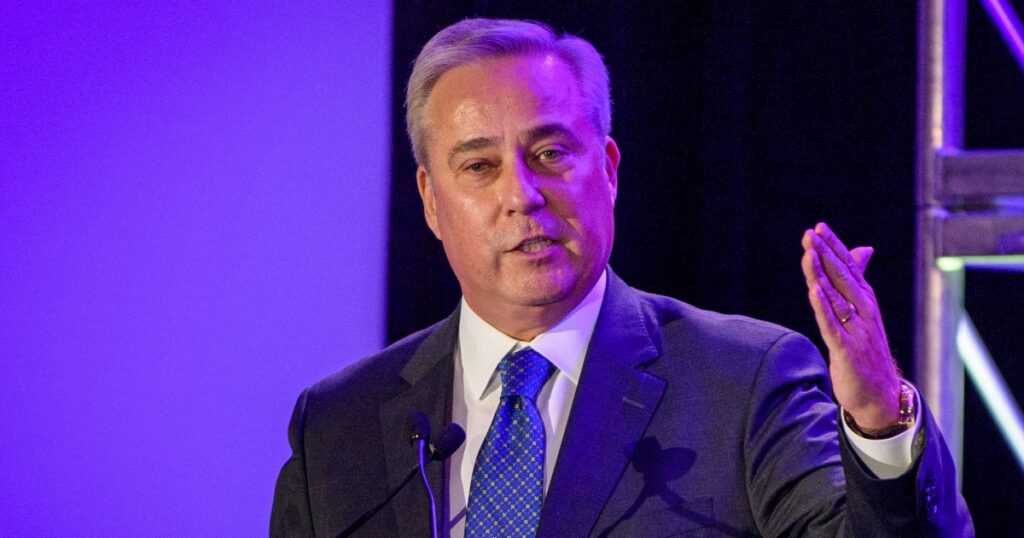
A federal judge blocks Nexstar Media Group's $6.2 billion acquisition of Tegna, citing antitrust concerns raised by state attorneys general and DirecTV. The merger, which would create a media giant owning 265 TV stations, is paused pending resolution of a lawsuit alleging harm to competition and local journalism.
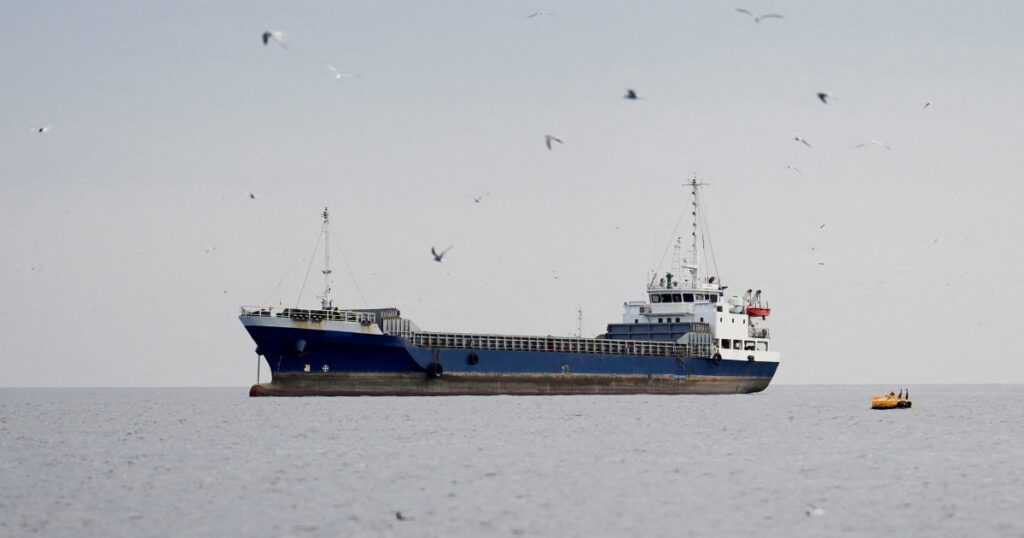
Oil prices fell sharply after Iran declared the Strait of Hormuz open amid a Middle East ceasefire, easing fears of supply disruptions. The announcement boosted global stock markets and lowered U.S. gasoline prices, though uncertainties remain about shipping security and ongoing U.S.-Iran tensions.
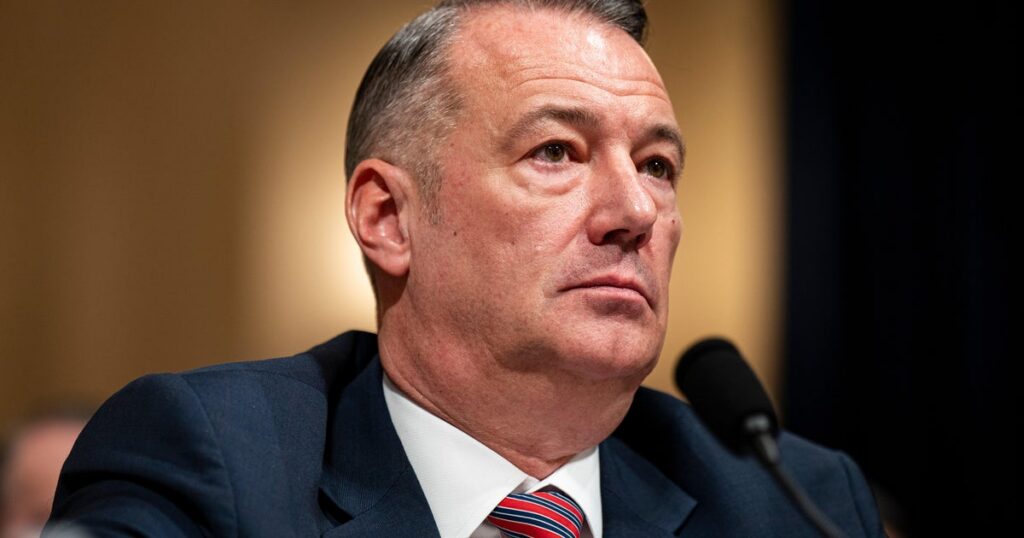
Todd Lyons, acting director of U.S. Immigration and Customs Enforcement, will leave the agency on May 31 after leading aggressive deportation efforts under President Trump. Homeland Security Secretary Markwayne Mullin praised Lyons' leadership but did not name a successor.
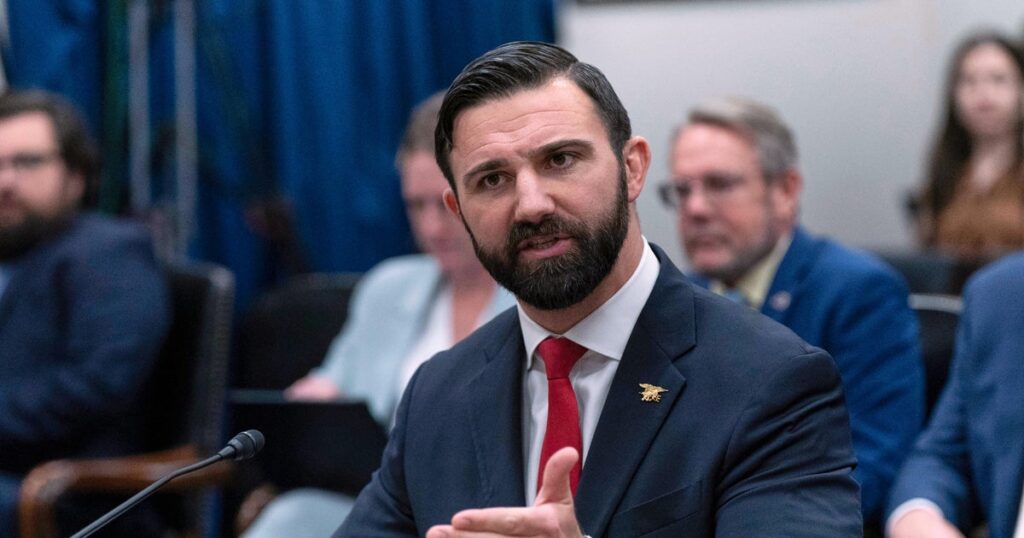
President Trump plans to nominate Cameron Hamilton as FEMA administrator nearly a year after his removal following testimony defending the agency. Hamilton, a former Navy SEAL, previously led FEMA in an acting capacity and criticized plans to dismantle the agency.
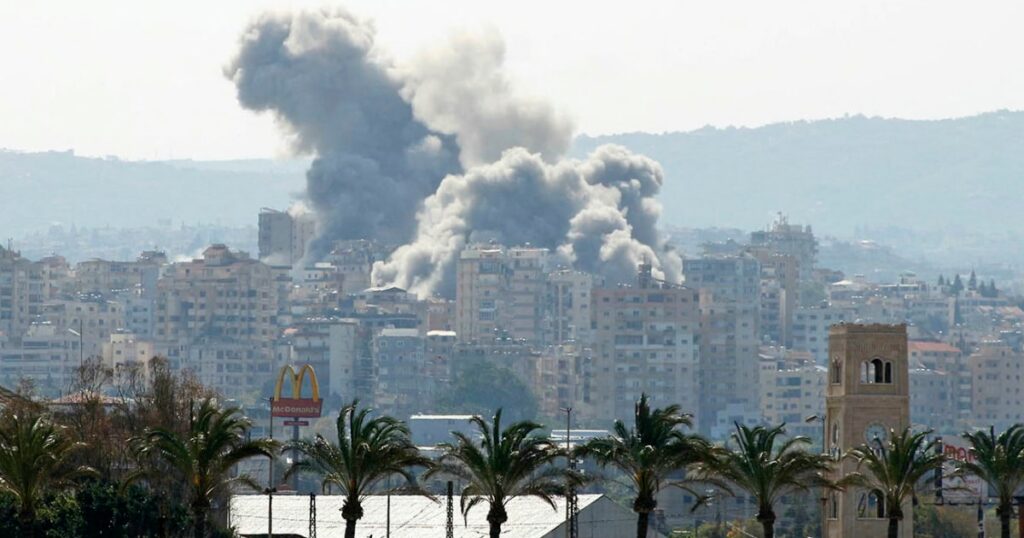
A 10-day ceasefire between Israel and Lebanon begins amid ongoing conflict with Hezbollah and regional tensions involving Iran. The truce aims to pave the way for peace talks, though challenges remain as violations and military deployments continue.