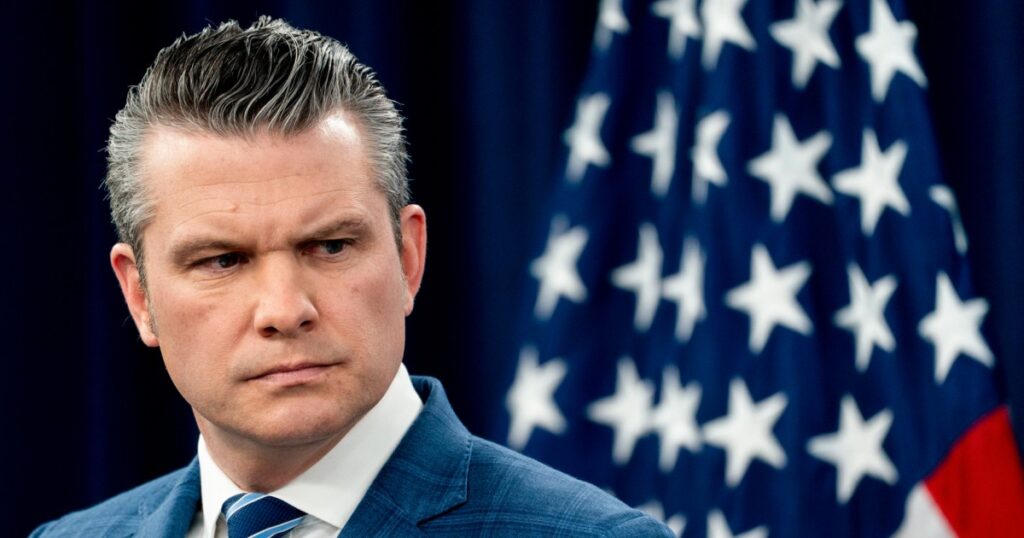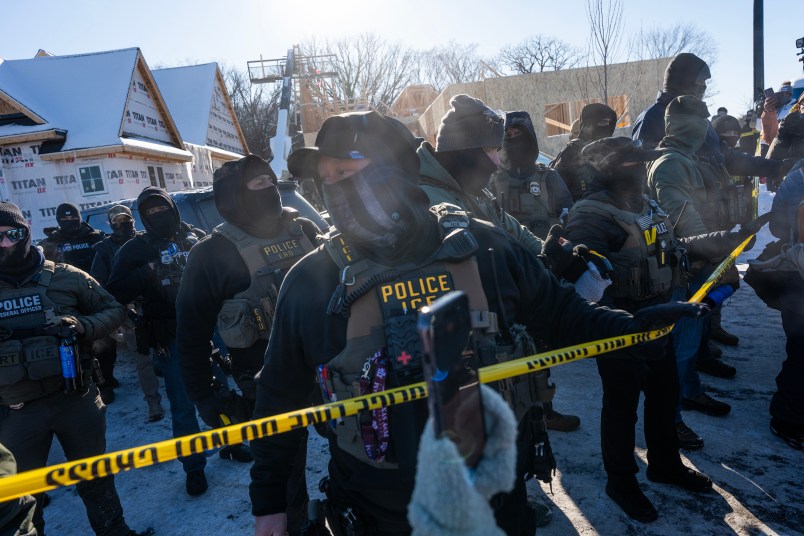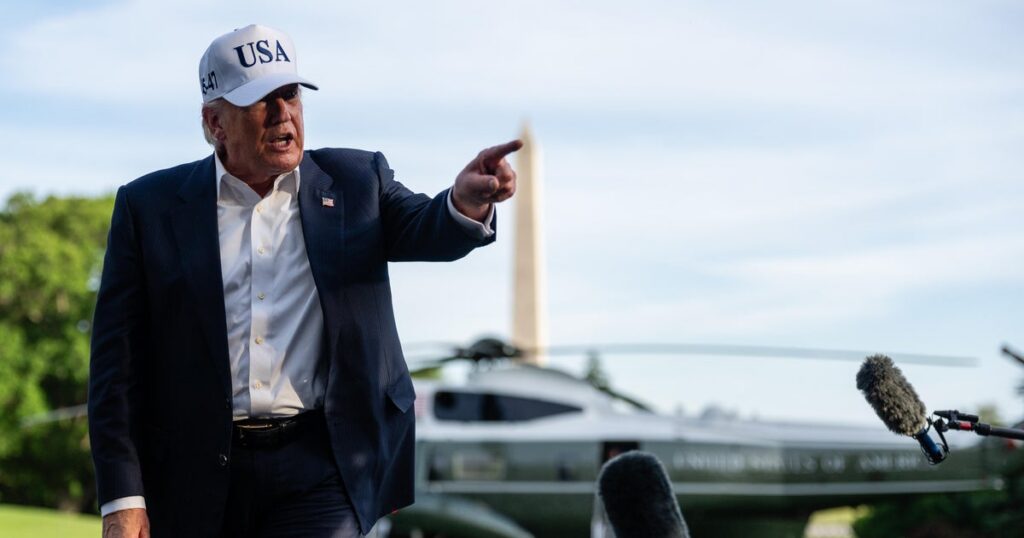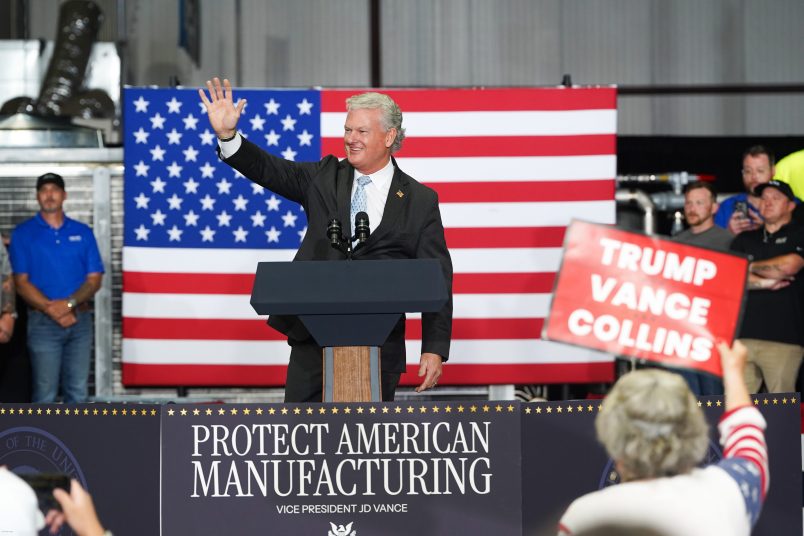
Senator Rand Paul is the only Senate Republican opposing President Trump’s military strikes against Iran, citing the lack of congressional authorization and emphasizing constitutional checks and balances. He warned of political and economic fallout from escalating conflict and plans to block a $200 billion supplemental war funding request, linking it to ongoing fiscal disputes like the prolonged DHS shutdown. The shutdown has severely impacted airport security, causing TSA staffing shortages and long wait times, with ICE agents temporarily filling gaps amid stalled legislative efforts to end the funding impasse.
Posts tagged as “― Trump”
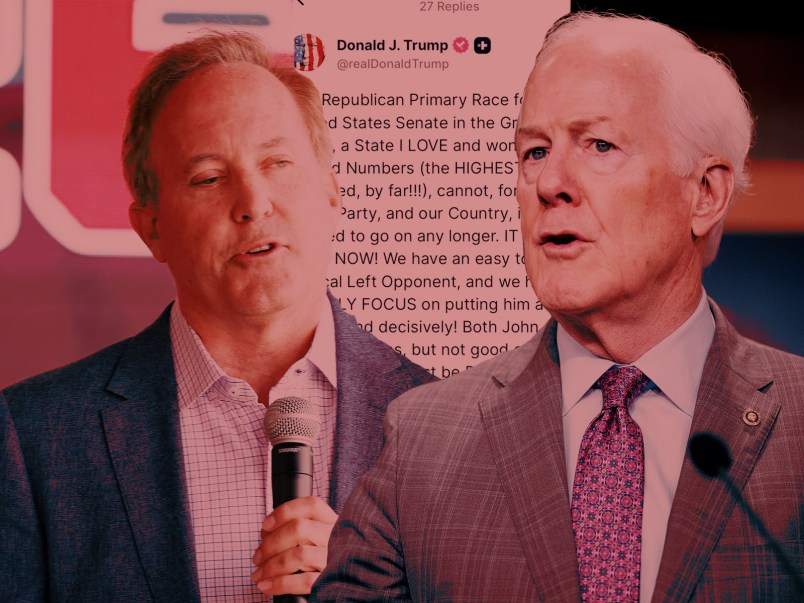
Conservative activists at CPAC in Texas largely support former President Trump’s military action against Iran but express concerns about economic strain, rising gas prices, and avoiding U.S. ground troop deployment. The conflict’s impact on the economy and Republican Party unity has raised worries about the upcoming midterm elections, even as loyalty to Trump remains strong among many attendees. Meanwhile, broader political tensions persist, including a historic DHS shutdown linked to immigration funding disputes, highlighting the complex domestic challenges amid the ongoing war.
More than 1,100 Afghan refugees who supported the U.S. remain stranded at Camp As Sayliyah in Qatar, facing a March 31 deadline to relocate to an unspecified third country or return to Taliban-controlled Afghanistan, despite risks of persecution. Advocacy groups criticize the Trump administration’s handling of the situation, calling the camp a “prison camp” and expressing concerns about the refugees’ uncertain futures, while the State Department defends the closure as necessary and humane. Meanwhile, escalating tensions in the Middle East, particularly involving Iran’s unyielding stance and militia activities, complicate regional security and diplomatic efforts, highlighting the broader challenges affecting both refugees and U.S. foreign policy.
More than 3,500 U.S. troops, including approximately 2,500 Marines aboard the USS Tripoli, have been deployed to the Middle East amid escalating tensions with Iran following recent missile and drone attacks on Saudi Arabia that injured U.S. personnel. The conflict has disrupted global oil exports and shipping routes, with Iranian-backed Houthi rebels also entering the fray, raising concerns over maritime security. Despite rising hostilities and military preparations, diplomatic efforts continue, with the U.S. proposing a peace plan that Iran has rejected, while both sides maintain readiness for further confrontation.
Millions are expected to participate in the nationwide "No Kings" protests against President Trump, with over 3,100 events planned across the U.S. and a flagship rally in St. Paul, Minnesota, drawing significant attention due to recent federal immigration enforcement controversies. The movement, which began with a smaller demonstration in Paris, aims to oppose various Trump administration policies, including immigration enforcement, healthcare cuts, and perceived abuses of power, and features appearances by notable activists and musicians. Despite White House dismissals of the protests as politically motivated, organizers highlight widespread support from diverse regions, including rural and suburban areas, and the movement has gained international traction with events planned globally.
The conflict between the United States and Iran has drastically reduced shipping traffic through the Strait of Hormuz by up to 95%, causing a sharp rise in oil prices and marine insurance premiums due to heightened risks of missile and drone attacks. Efforts to protect commercial vessels, including potential U.S. military escorts and expanded insurance programs, face delays and are unlikely to restore normal shipping until a ceasefire or de-escalation occurs. Meanwhile, the involvement of Iran-backed Houthi militants in missile attacks against Israel threatens further disruptions in the Red Sea and Bab el-Mandeb Strait, escalating the conflict into a broader regional crisis with significant impacts on global energy supply and maritime commerce.
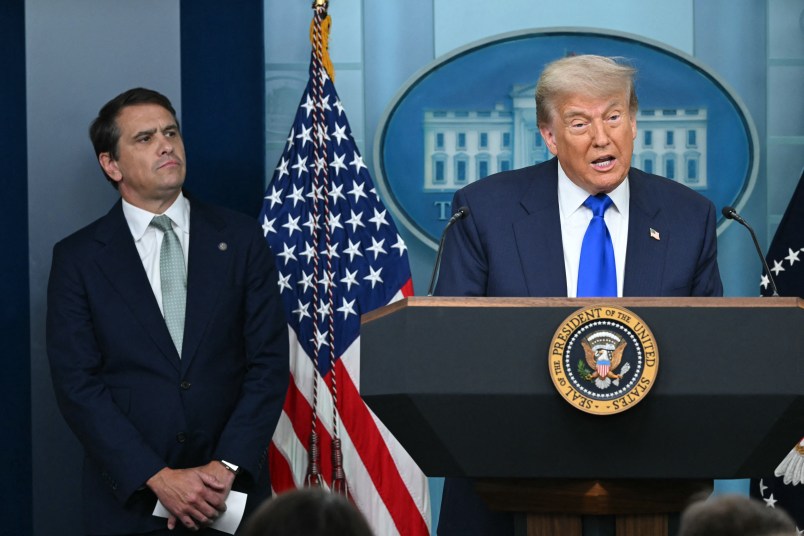
The partial government shutdown has caused major disruptions at U.S. airports, with TSA officers missing paychecks and long security lines, prompting President Trump to order immediate payment to TSA employees to address national security concerns. Despite this relief effort, staffing shortages and low morale persist due to high call-out rates and resignations, while travel experts warn of lasting impacts on TSA operations. The shutdown stems from a political deadlock over DHS funding, particularly disagreements over immigration enforcement funding, with the House and Senate unable to reach a compromise as the stalemate continues beyond 40 days.
The ongoing partial government shutdown has severely impacted TSA workers, many of whom have gone unpaid for over a month, leading to financial hardship, increased absenteeism, and long wait times at major airports. The shutdown stems from a political deadlock over DHS funding, particularly disagreements over reforms to ICE and CBP, with recent Senate efforts to fund some DHS agencies excluding these two facing uncertain prospects in the House. Meanwhile, President Trump has announced plans to direct DHS to pay TSA employees despite the shutdown, aiming to ease their financial difficulties.