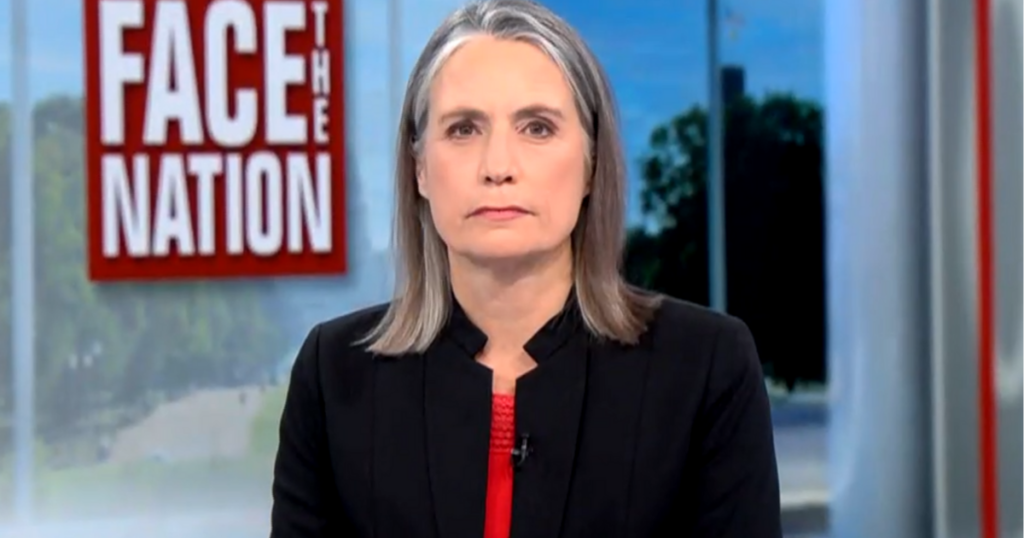
Senator Lindsey Graham expressed concerns about the ongoing conflict in Ukraine, warning against the U.S. withdrawing support and comparing it to the situation in Afghanistan. He advocated for continued military and intelligence aid to Ukraine and announced plans to introduce sanctions against Russia's banking and energy sectors to pressure them into peace negotiations. Fiona Hill also commented on the situation, noting the impact of the U.S. pause in intelligence sharing, while Ukrainian President Zelenskyy reported increased Russian attacks, underscoring the challenges Ukraine faces.
Posts tagged as “― Trump”
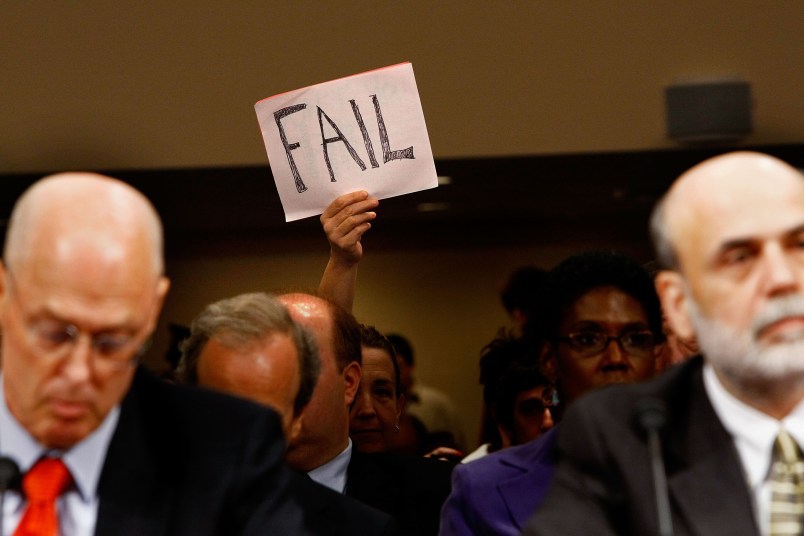
Senator Elissa Slotkin, a Democrat from Michigan, plans to withhold her vote on government funding unless the Trump administration assures that allocated funds will be spent according to congressional intent, highlighting concerns over executive overreach. As the deadline for a potential government shutdown approaches, the Senate faces a significant challenge, requiring bipartisan support to pass a continuing resolution, which emphasizes Congress's constitutional role in controlling government spending. This situation underscores the tension between the legislative and executive branches and the importance of congressional oversight, with the outcome impacting government operations and setting a precedent for future negotiations.
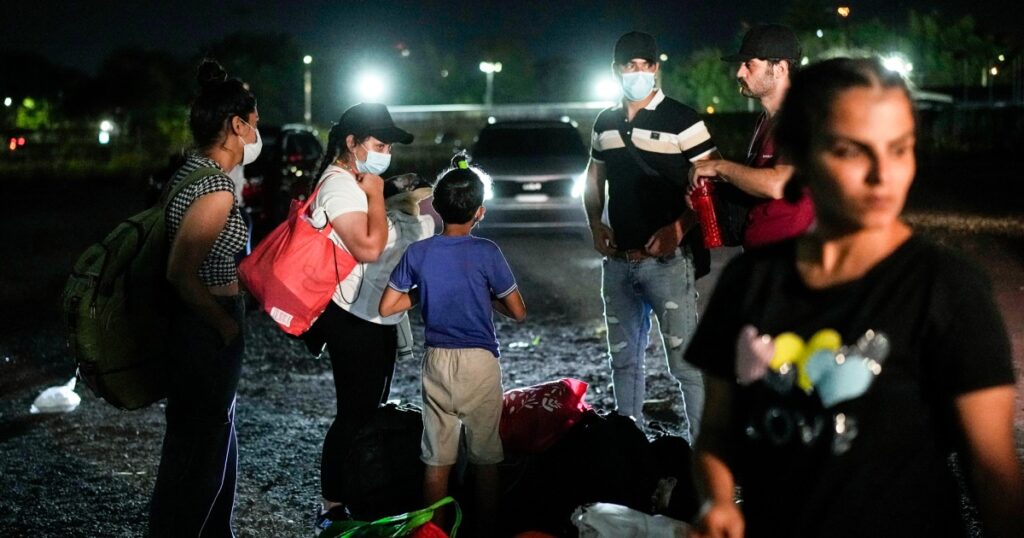
Panama has released dozens of migrants, primarily from Asian countries, who were detained after being deported from the United States, following legal challenges and human rights criticism. These migrants, part of an agreement between the Trump administration and the governments of Panama and Costa Rica to expedite deportations, now face uncertainty with 30 days to leave Panama and limited resources to support themselves. The situation underscores the challenges of international migration and the human impact of immigration policies, as individuals like Hayatullah Omagh, who fled Afghanistan, struggle to find accommodation and plan their next steps.
The Trump administration's attempt to replace the board of the U.S. African Development Foundation (USADF) with the help of Elon Musk's DOGE team has been deemed unlawful by legal experts and is part of a broader strategy to centralize authority over independent agencies. This move has faced significant opposition from judges and international leaders, who argue that it disrupts established global norms and bypasses traditional checks and balances. The situation highlights ongoing tensions between the administration and independent agencies, with legal experts warning that such actions could undermine the Senate's constitutional role in appointments.
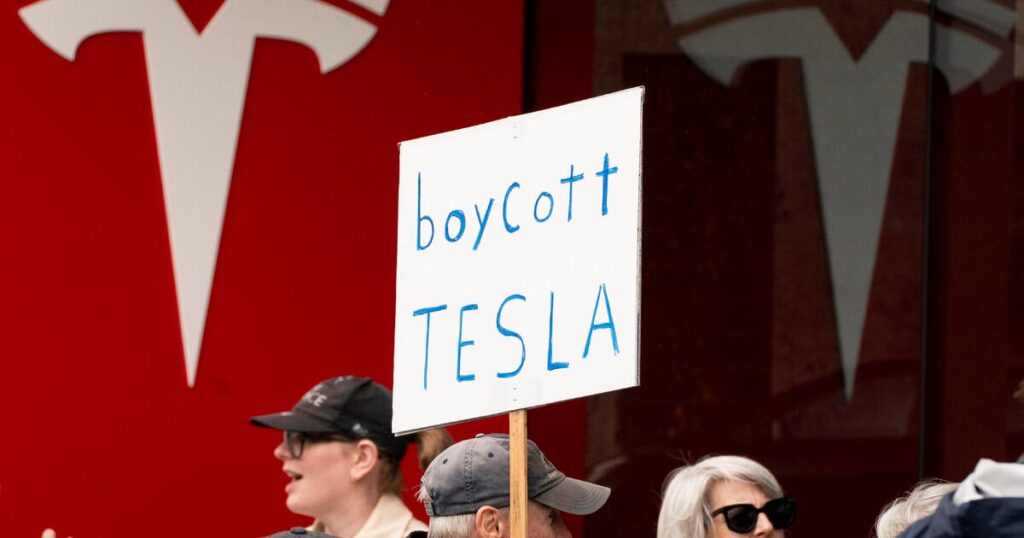
In recent weeks, a series of vandalism incidents targeting Tesla vehicles, dealerships, and charging stations have been reported across the United States, reflecting growing discontent with Tesla CEO Elon Musk's involvement in the federal government. These acts, including a notable incident in Loveland, Colorado, where a woman attempted to damage a Tesla dealership, are part of a broader wave of anti-Tesla protests sparked by Musk's role in President Trump's cost-cutting task force. Alongside these violent acts, peaceful protests have also been organized, such as the "Tesla Takedown" in Pasadena, California, highlighting the tensions surrounding Musk's dual role as a business leader and government advisor.
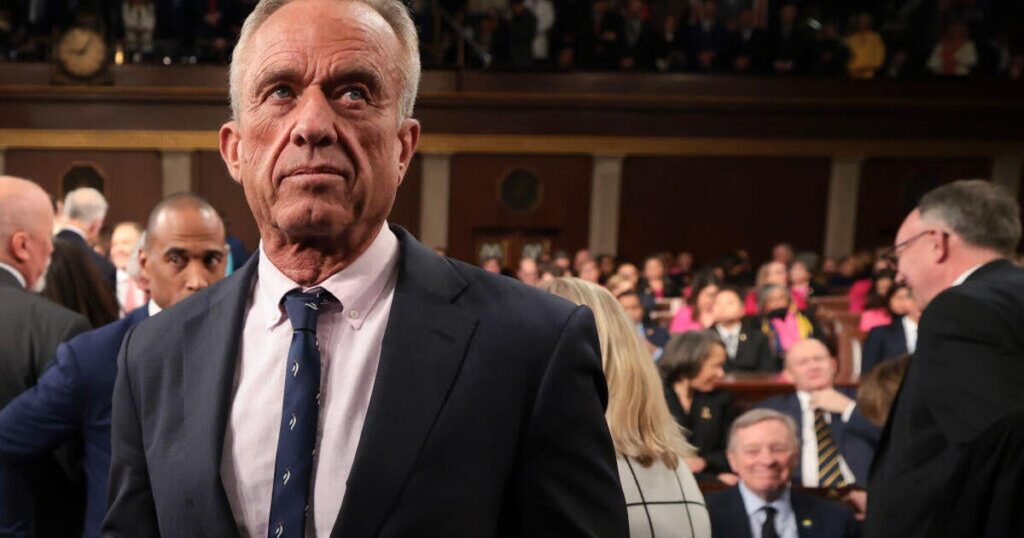
The U.S. Department of Health and Human Services (HHS) has offered its 80,000 employees a $25,000 voluntary separation incentive to encourage resignations, as part of the Trump administration's efforts to reduce the federal workforce and cut government spending. This initiative aligns with a broader trend of job cuts across federal agencies, contributing to an increase in overall U.S. job cuts, and is seen as a strategic move to streamline HHS operations within budgetary constraints. Health and Human Services Secretary Robert F. Kennedy Jr. has previously indicated a desire to reshape the department's workforce, and this buyout offer is a continuation of those efforts to optimize government efficiency while maintaining essential services.
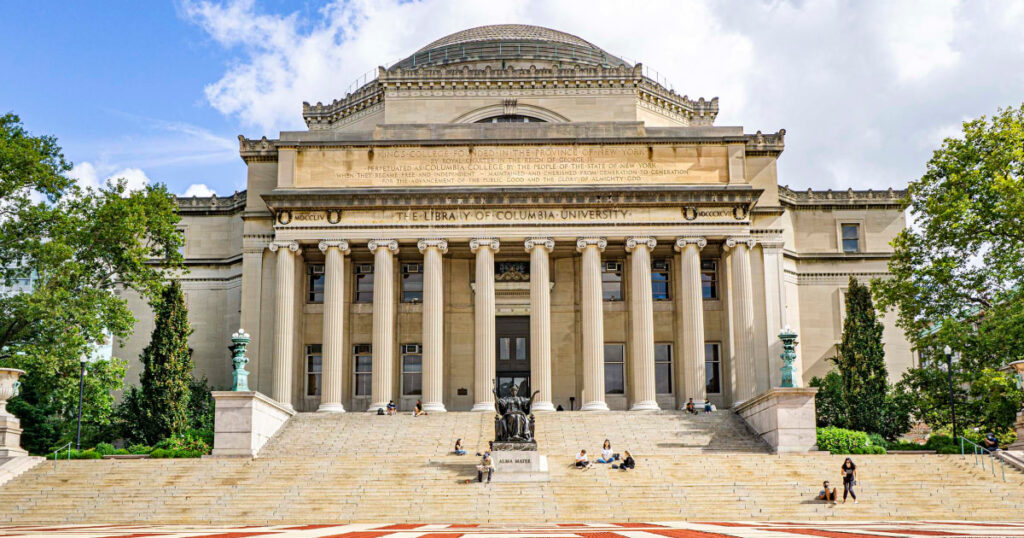
The Trump administration has decided to withhold approximately $400 million in federal funding from Columbia University due to allegations of inadequate response to harassment of Jewish students, as announced by Education Secretary Linda McMahon. This decision follows a notification from the Joint Task Force to Combat Anti-Semitism, which plans a comprehensive review of the university's compliance with federal antidiscrimination laws. Columbia University has not yet responded to these allegations, and the outcome of the review could significantly impact its federal funding and operations, highlighting the national focus on educational institutions' responsibilities in addressing discrimination.
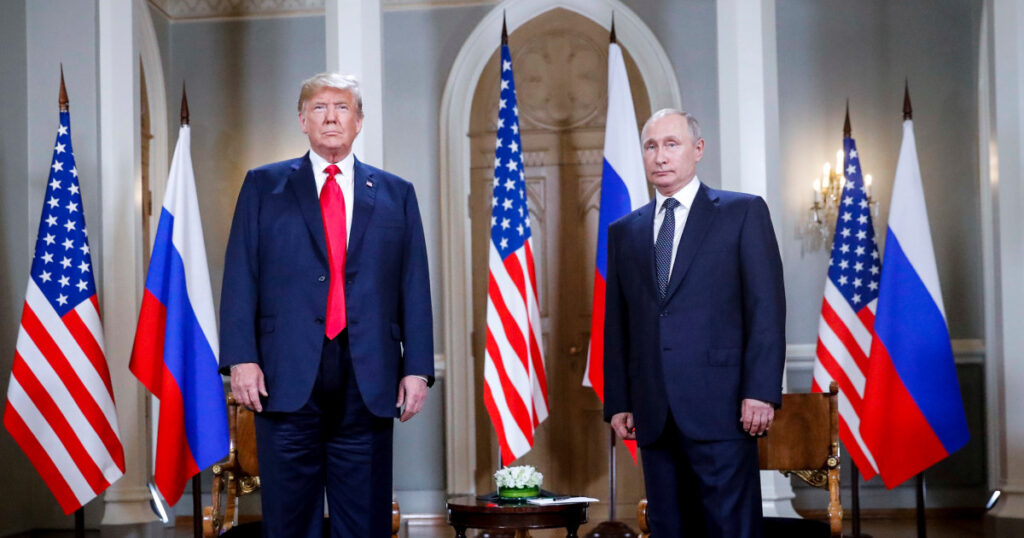
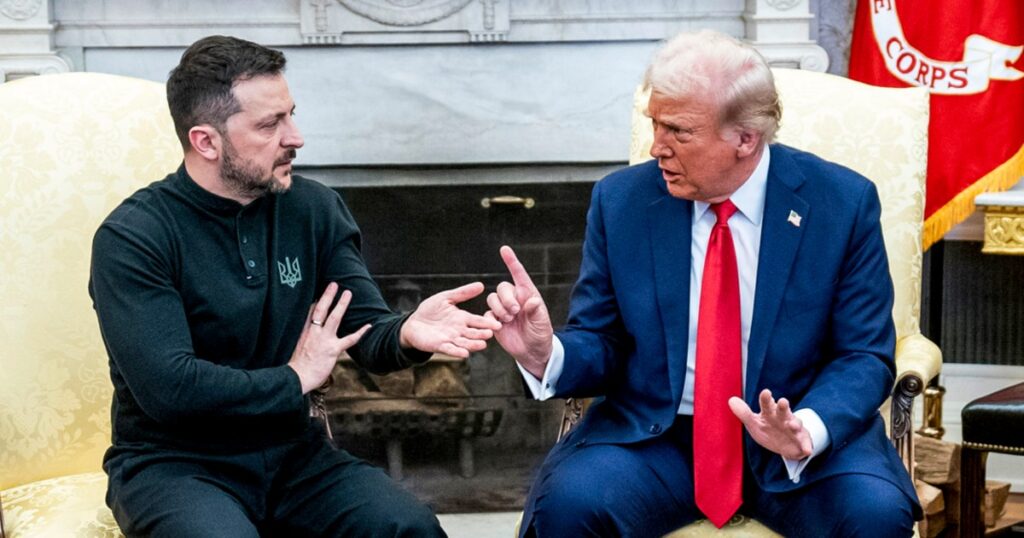
President Donald Trump has announced that he is considering imposing significant economic measures, including large-scale banking sanctions and tariffs, against Russia in response to escalating military activities in Ukraine. This marks a shift in the U.S. stance, as the administration seeks to pressure Russia into agreeing to a ceasefire and peace talks with Ukraine. The president emphasized the urgency of diplomatic resolution, urging both nations to engage in peace negotiations amid recent intensified attacks on Ukrainian energy facilities.