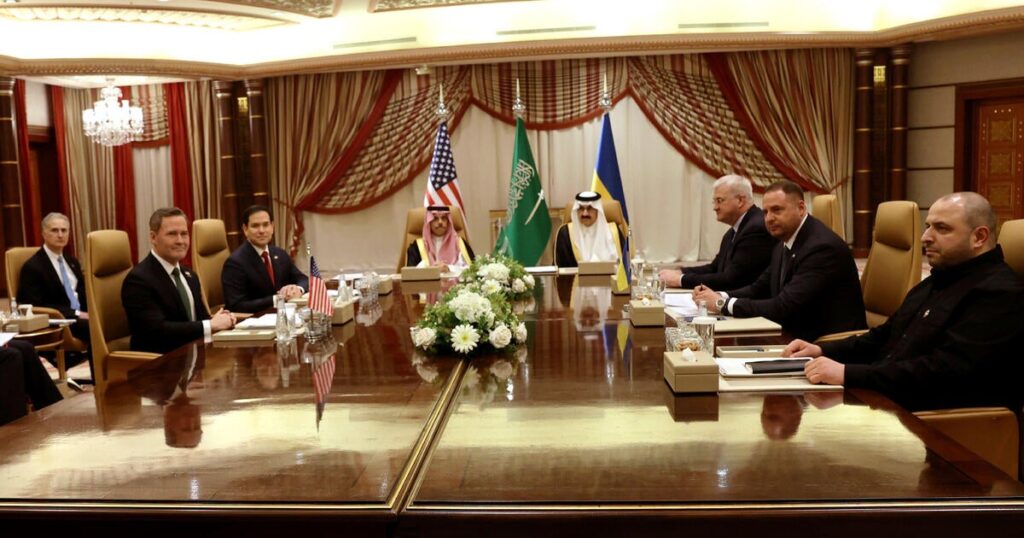
Ukraine has agreed to a U.S. proposal for an immediate 30-day ceasefire with Russia, which could be extended if both parties consent. This decision, following discussions in Saudi Arabia, includes the U.S. resuming intelligence sharing and security assistance to Ukraine, contingent on Russia's acceptance and implementation. The U.S. emphasizes the necessity of Russian cooperation for lasting peace, marking a potential turning point in the conflict as efforts to engage Russia in dialogue continue.
Posts tagged as “― Trump”
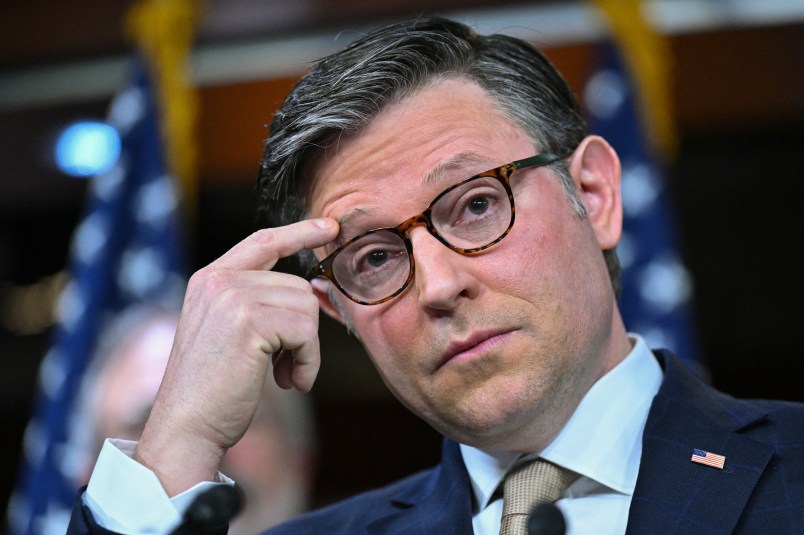
As the deadline for government funding approaches, the House of Representatives is set to vote on a stopgap funding bill endorsed by former President Donald Trump, aiming to prevent a government shutdown. Despite optimism from House Speaker Mike Johnson and Republican leaders, the bill faces opposition from House Democrats, led by Minority Leader Hakeem Jeffries, who criticize their exclusion from the bill's development and argue it fails to address their concerns. Internal dissent within the Republican Party, notably from Representative Thomas Massie, adds uncertainty to the vote's outcome, highlighting the challenges of bipartisan agreement and the political dynamics at play as both parties strive to keep the government operational.
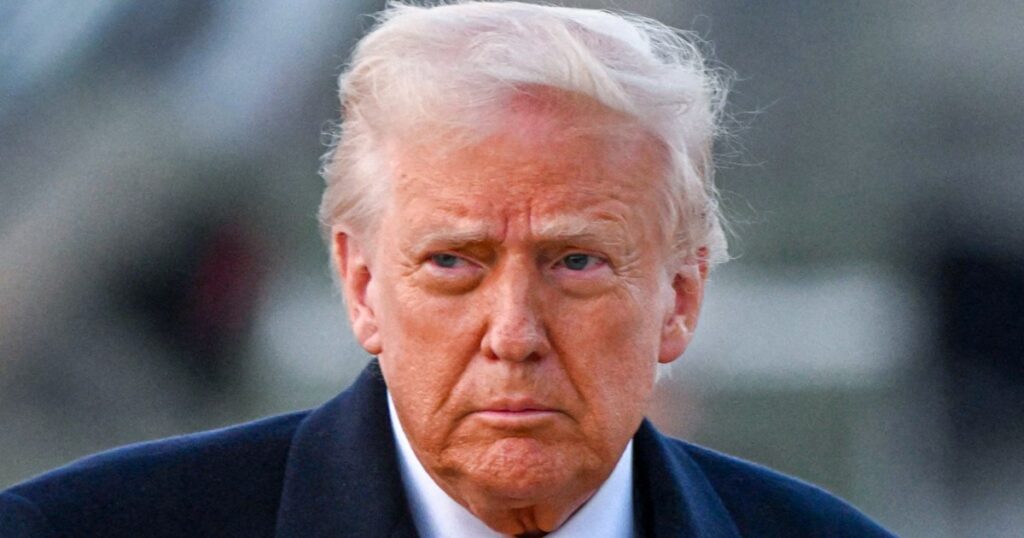
Former President Donald Trump announced plans to double tariffs on Canadian steel and aluminum imports in response to Ontario's 25% tariff on electricity exported to the U.S. This escalation in trade tensions follows Trump's previous tariffs on Canadian imports and serves as a countermeasure to Ontario's recent actions. Trump also urged Canada to remove duties on American dairy products and warned of potential increased tariffs on Canadian car imports if other trade issues are not addressed.
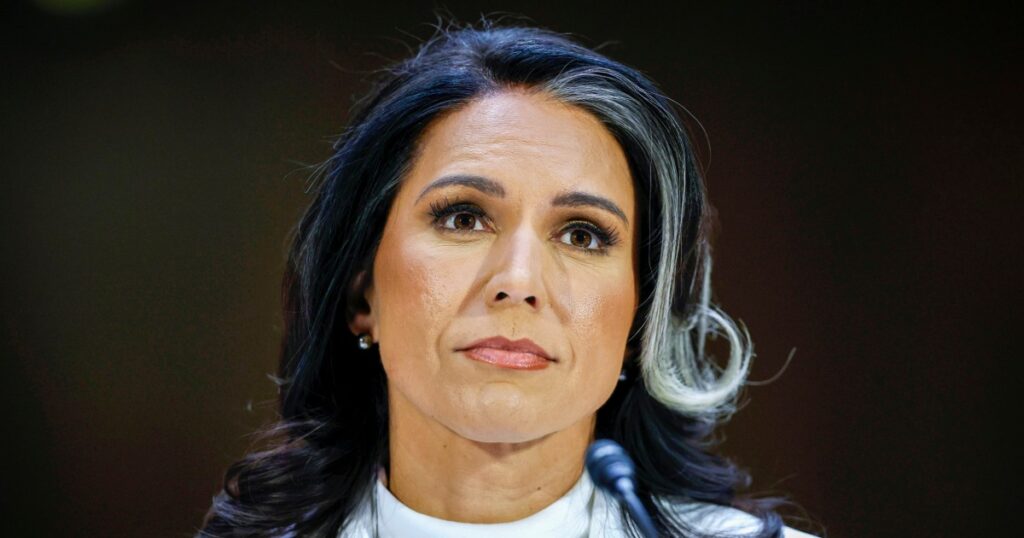
Director of National Intelligence Tulsi Gabbard announced the revocation of security clearances for several former national security officials, including those involved in legal actions against former President Donald Trump. This move aligns with an executive order from Trump's presidency, which aimed to remove clearances from individuals critical of him. The revocations have prompted discussions about their national security implications and the political motivations behind these actions.
Congress Races to Prevent Government Shutdown Amid DOJ Shakeup and Rising Saudi Diplomatic Influence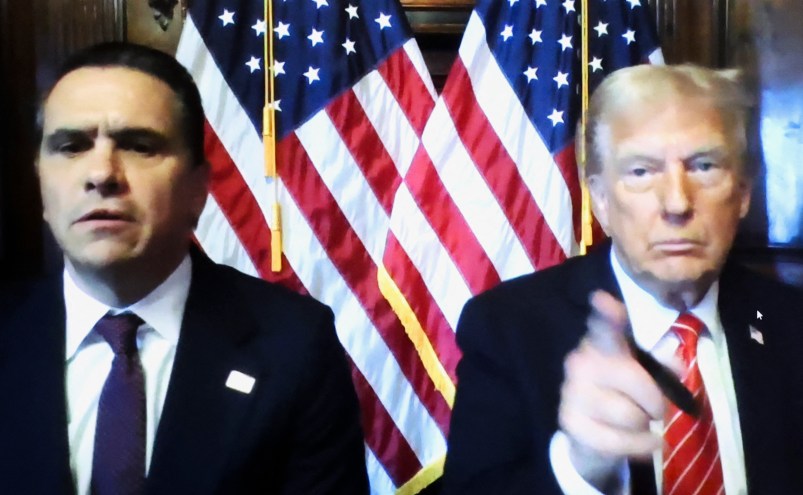
Congress Races to Prevent Government Shutdown Amid DOJ Shakeup and Rising Saudi Diplomatic Influence
Congress is actively working to prevent a government shutdown as the deadline for funding approaches, highlighting the potential impacts on government services and employees. Concurrently, the Department of Justice is undergoing significant changes under the Trump administration, with dismissals of senior officials suggesting a consolidation of control aligned with White House objectives, raising concerns about the DOJ's independence. On the international stage, Secretary of State Marco Rubio and Ukrainian President Volodymyr Zelenskyy's upcoming visit to Saudi Arabia underscores the country's growing influence in global diplomacy.
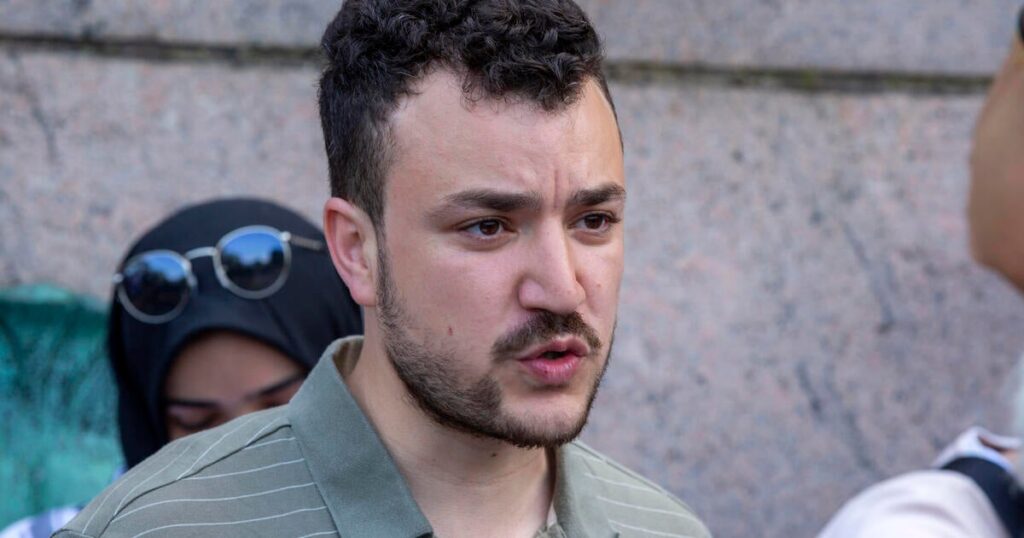
President Donald Trump announced a crackdown on what he described as "pro-terrorist, anti-Semitic, anti-American" activities on college campuses, attributing protests against Israel's conflict with Hamas to "paid agitators." The arrest of Palestinian activist Mahmoud Khalil by federal immigration authorities, following the revocation of his student visa, marks a significant step in this initiative, with more arrests anticipated at other universities. This development has sparked discussions about the balance between national security and freedom of expression, particularly concerning the rights of international students involved in campus activism.
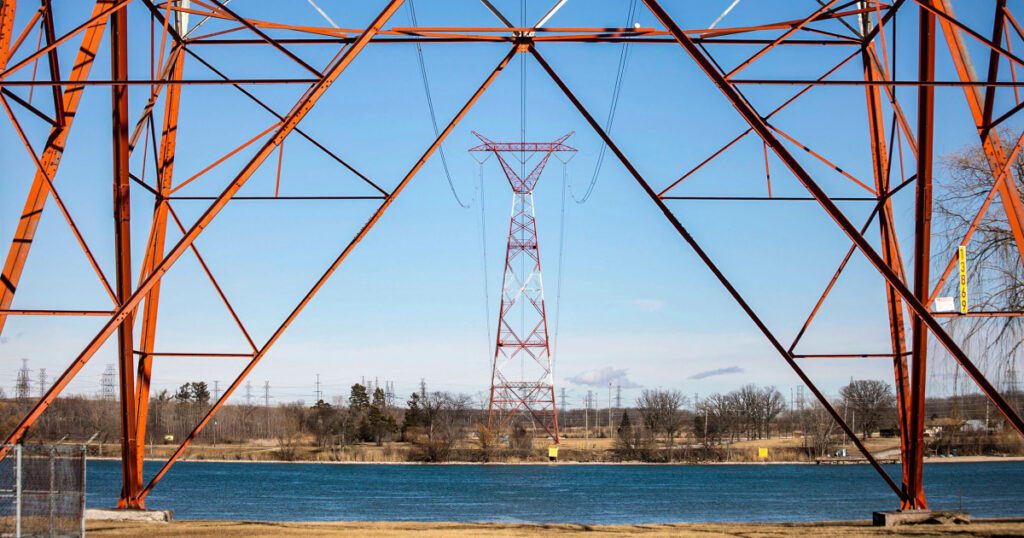
Ontario Premier Doug Ford has announced a 25% surcharge on electricity exports to the U.S. in response to tariffs imposed by the Trump administration, affecting consumers and businesses in Michigan, Minnesota, and New York. This measure, effective from March 10, is expected to add $400,000 in daily costs for approximately 1.5 million American consumers and businesses, with Ford emphasizing that the tariff will remain despite a temporary reprieve from President Trump. Ford warned of potential further actions, including halting electricity exports entirely, as Ontario aims to counter the financial strain on Canadian industries and maintain a firm stance until the tariff threat is resolved.
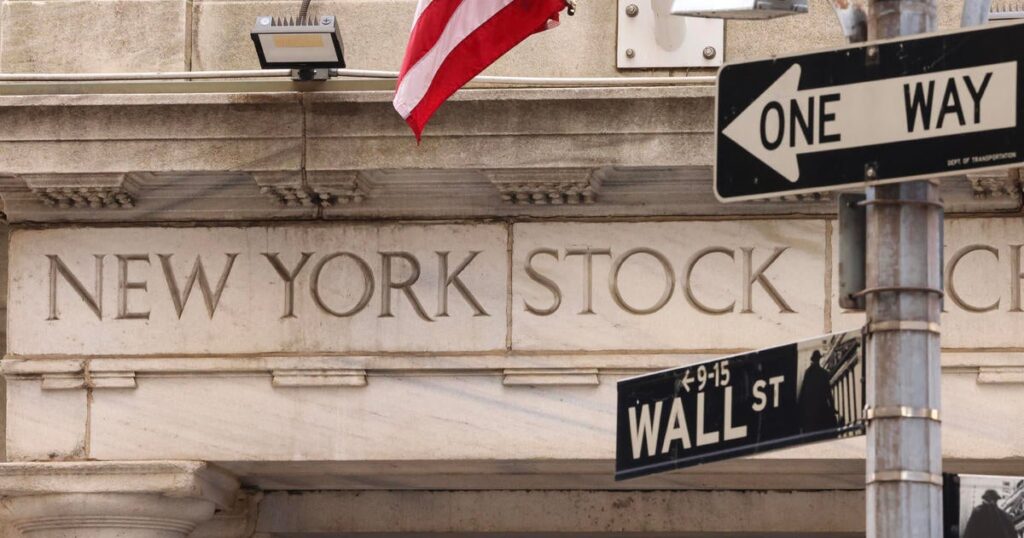
Major U.S. stock indexes saw a significant decline on Monday, driven by investor concerns over slowing economic growth, persistent inflation, and an unstable job market, with the S&P 500 dropping 2% and the Nasdaq Composite falling 3.4%. The downturn, exacerbated by ongoing U.S.-China trade tensions and retaliatory tariffs on American agricultural products, has erased recent gains and pushed the Nasdaq to its lowest level since September. As the market grapples with these challenges, volatility persists, with potential for further fluctuations based on economic data and policy developments.