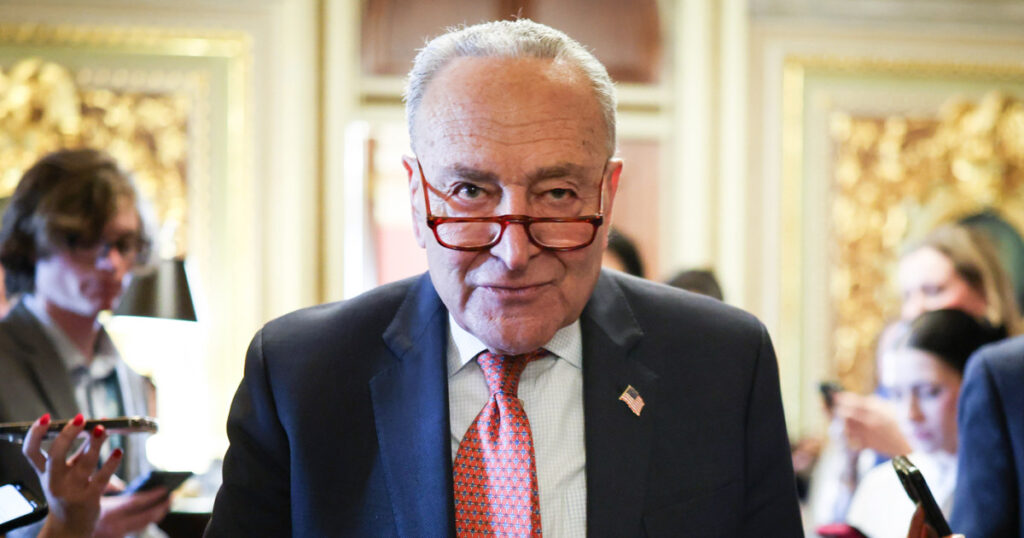
In a notable shift on Capitol Hill, Senate Majority Leader Chuck Schumer has decided to back a Republican-led continuing resolution aimed at preventing a government shutdown, despite facing opposition from within his party. This resolution, which has already cleared the House, proposes significant cuts to domestic spending, particularly affecting Washington D.C., and is expected to surpass the 60-vote threshold needed in the Senate. Schumer's decision underscores the strategic compromises often required in Congress to ensure governmental operations continue, with the outcome likely influencing domestic spending priorities and the political balance in Washington.
Posts tagged as “― Trump”
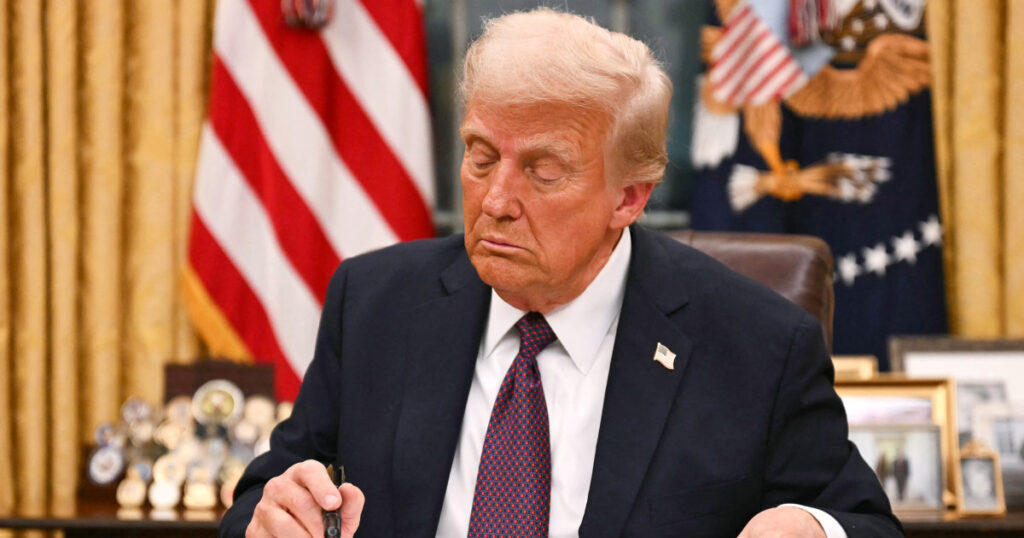
Former President Donald Trump has asked the Supreme Court to intervene in three lower court rulings that have blocked his executive order to end birthright citizenship. The Trump administration seeks to limit these nationwide injunctions to only those who have filed lawsuits or to residents of states challenging the order, potentially allowing enforcement elsewhere. The administration's appeal emphasizes their commitment to the policy change and highlights the significant implications the Supreme Court's decision could have on birthright citizenship in the U.S.
Trump Threatens 200% Tariff on EU Alcoholic Beverages in Retaliation to EU’s Whiskey Tariff Increase
Trump Threatens 200% Tariff on EU Alcoholic Beverages in Retaliation to EU’s Whiskey Tariff Increase
Former President Donald Trump has threatened to impose a 200% tariff on alcoholic beverages imported from the European Union, including French wines and champagnes, in response to the EU's decision to increase tariffs on American whiskey to 50%. Announced via Truth Social, Trump emphasized the need for the EU to remove its new tariff on U.S. whiskey, warning of significant tariffs on European alcoholic products if they fail to comply. This potential escalation could benefit U.S. domestic producers by reducing competition but may also lead to higher prices for consumers who prefer European wines and champagnes, highlighting ongoing trade tensions between the U.S. and the EU.
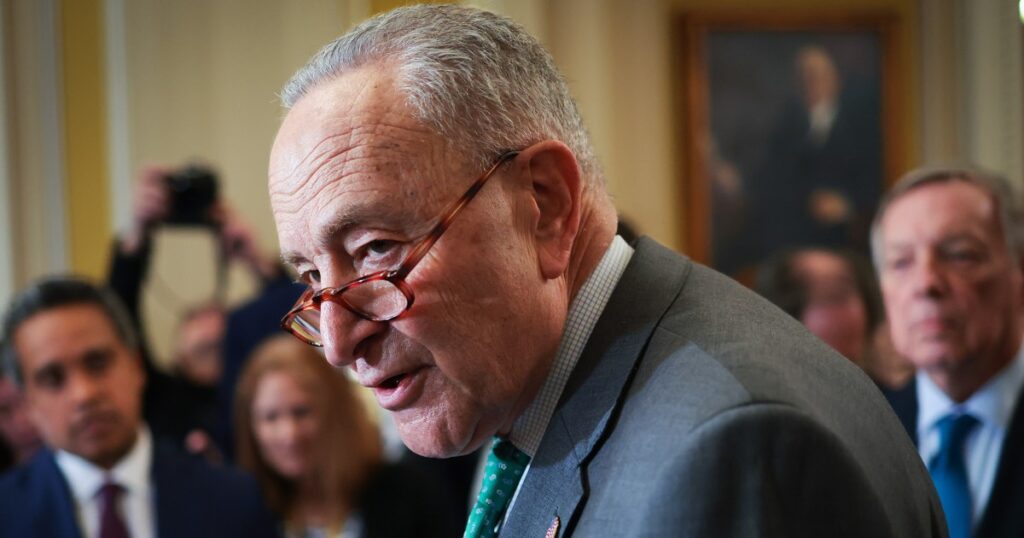
Senate Democrats are facing a dilemma after the House passed a Republican stopgap funding bill, as they must choose between supporting a measure they oppose or risking a government shutdown. They plan to block the bill to negotiate terms that better align with their priorities, which could significantly impact government operations and the political landscape. Meanwhile, the Senate is confirming President Trump's Cabinet nominees, with Elise Stefanik's UN ambassador nomination pending, and upcoming special elections could affect the House's narrow Republican majority.
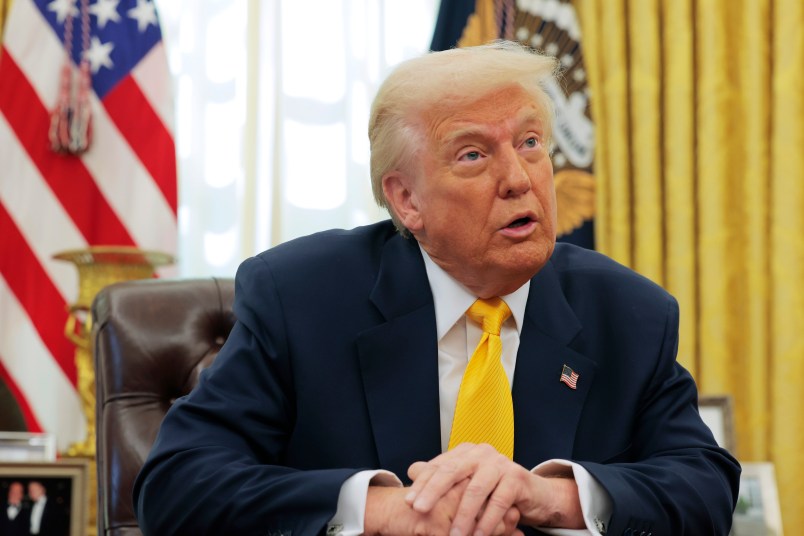
A federal judge has temporarily blocked certain provisions of an executive order issued by former President Donald Trump that targeted the law firm Perkins Coie, citing violations of the firm's First Amendment rights. The order had imposed restrictions on the firm's operations, including bans on entering government buildings and contacting federal officials, which were perceived as retaliatory due to the firm's past representation of Hillary Clinton. Judge Beryl Howell's decision highlights the ongoing legal challenges related to actions from the Trump administration and underscores the judiciary's role in balancing political actions with legal rights.

The U.S. House of Representatives narrowly passed a continuing resolution to prevent a government shutdown, focusing on increasing defense and veterans' health care funding while cutting non-defense spending. This legislative move, introduced by Speaker Mike Johnson, comes amid tensions with the Trump administration and advisor Elon Musk, who have been criticized for ignoring congressional spending directives. The resolution now heads to the Senate, where bipartisan support is needed to reach the 60-vote threshold, as the deadline to avert a shutdown approaches.

In a surprising outcome, the center-right Demokraatit Party won Greenland's parliamentary elections, signaling a significant shift in the territory's political landscape as it navigates its relationship with Denmark and considers its global future. The election occurred amid heightened international interest, particularly from the U.S., with discussions about potential American investments sparking debates on Greenland's self-determination. Both the Demokraatit and Naleraq parties advocate for independence, though they differ in their approaches, with the former supporting a gradual transition and the latter pushing for a faster pace, while both are expected to explore increased investment opportunities.

The Department of Education announced a major workforce reduction, cutting nearly 50% of its staff, as part of the Trump administration's strategy to restructure the agency and enhance operational efficiency. Secretary of Education Linda McMahon stated that the layoffs aim to redirect resources toward students, parents, and teachers, emphasizing a strategic shift to prioritize core educational stakeholders. Affected employees will receive termination notices and enter a transition period to facilitate an orderly process as the department implements these significant changes.