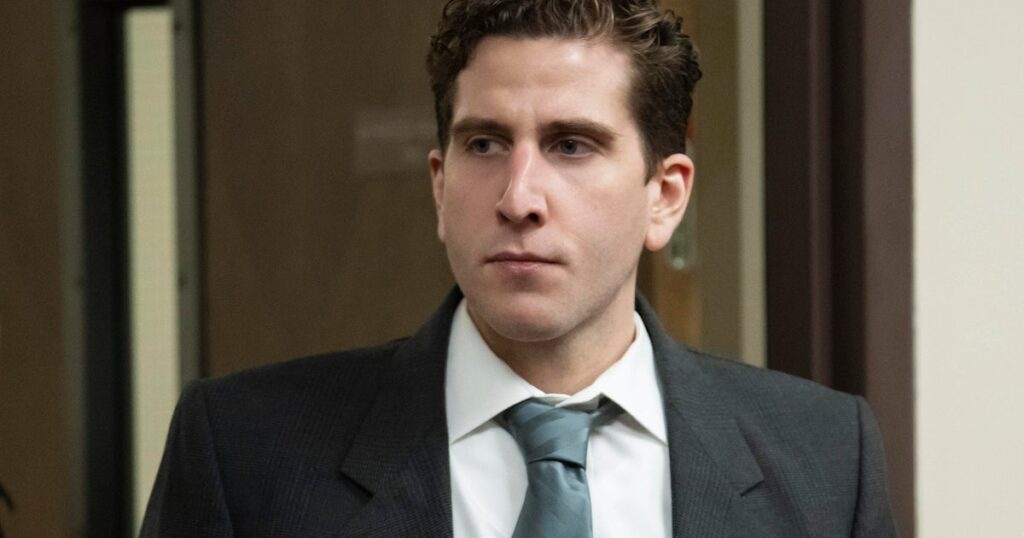
In a recent court session, legal representatives for Bryan Kohberger, accused of murdering four University of Idaho students, discussed with prosecutors the guidelines for his upcoming trial, focusing on the admissibility of evidence and language that could influence the jury. The judge ruled against using terms like "sociopath" and "psychopath" to describe Kohberger but allowed the term "murderer." These pre-trial motions are crucial as the defense seeks to avoid the death penalty, and the decisions made will shape the trial's framework and impact the potential penalties Kohberger may face if convicted.
News Mash

President Donald Trump's tariff policy is set to impact electronic device pricing, particularly Apple iPhones, as new tariffs on foreign nations are introduced, though they have been postponed for 90 days except for Chinese imports. The announcement has caused financial market volatility, with the S&P 500 index experiencing a significant rise due to the temporary pause in higher tariff rates for several trading partners, while a baseline 10% tariff remains. The White House's decision to impose a 104% tariff on all Chinese goods, potentially raising consumer prices, underscores the administration's focus on addressing trade issues with China, prompting concerns about increased costs and supply chain disruptions.
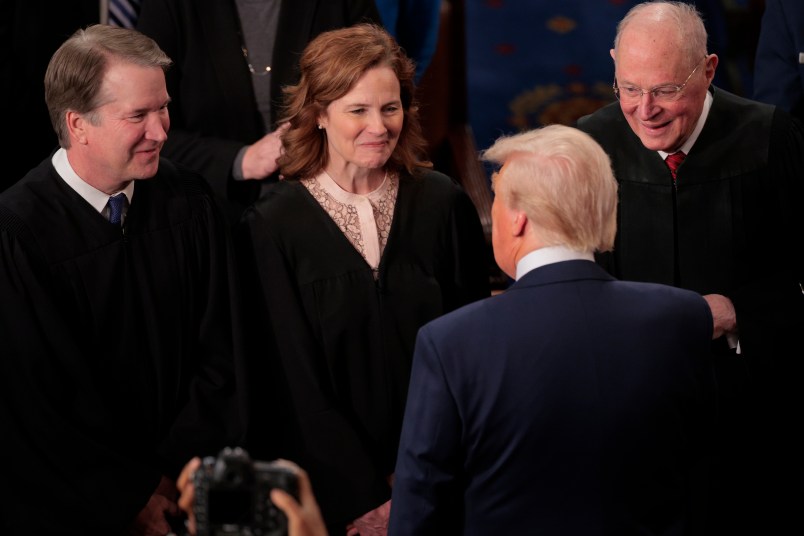
The United States Supreme Court has been asked by the Justice Department to intervene in lower court rulings that ordered the reinstatement of two federal board members dismissed by former President Trump, arguing that these decisions undermine presidential authority and separation of powers. Solicitor General D. John Sauer contends that the protections against at-will firing do not apply to the members of the Merit Systems Protection Board and the National Labor Relations Board, seeking emergency relief from the Supreme Court. The Justice Department's appeal, which includes a request for a stay and for the Supreme Court to directly take up the case, highlights the urgency and potential implications for presidential power over independent federal agencies.
House GOP Leaders Push Forward with Budget Vote Amid Internal Divisions and Trump’s Lobbying Efforts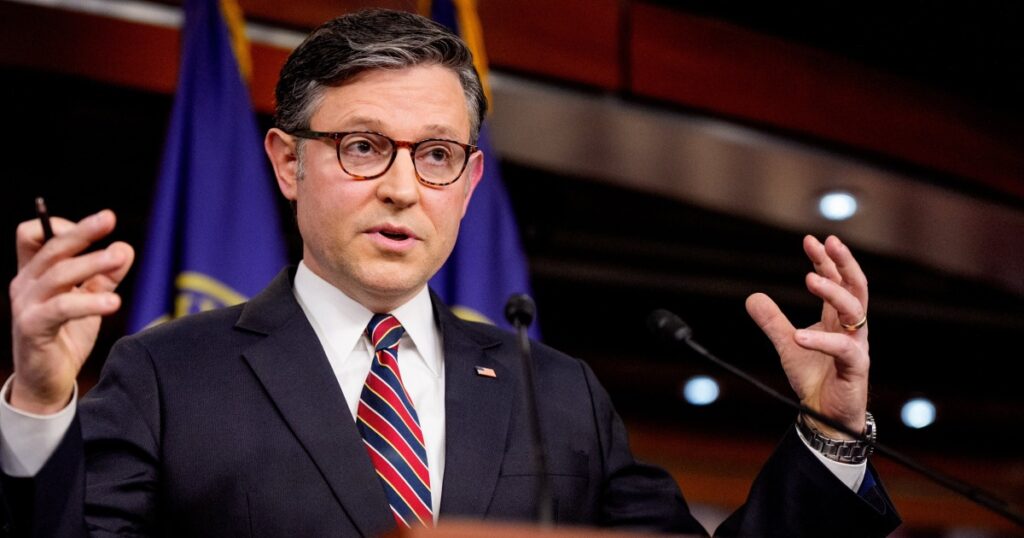
House GOP Leaders Push Forward with Budget Vote Amid Internal Divisions and Trump’s Lobbying Efforts
House Republican leaders are pushing for a vote on a new budget blueprint to advance President Donald Trump's legislative agenda, despite opposition from hard-line conservatives unhappy with the Senate's proposed spending cuts. The budget resolution is essential for extending Trump's tax cuts and implementing his priorities, but its passage in the House is uncertain due to a narrow division among members. President Trump has been actively engaging with Republican lawmakers, including hosting meetings and a fundraising dinner, to rally support for the Senate's version of the resolution, though the outcome of the vote remains unclear.
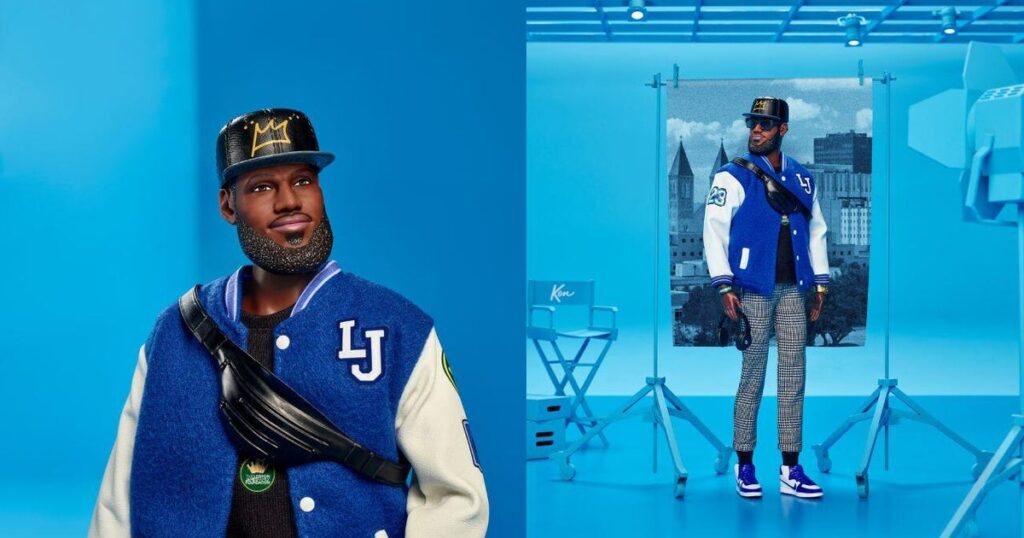
Mattel has announced a collaboration with the LeBron James Family Foundation to release a Ken doll modeled after basketball star LeBron James, marking the first time a professional male athlete has been depicted as a Ken doll. This new addition is part of Mattel's "Kenbassador" series, which aims to diversify its offerings and celebrate the 65th anniversary of the Ken character. LeBron James expressed his excitement about the collaboration, emphasizing the importance of role models and how they can inspire young individuals, aligning with Mattel's commitment to expanding representation within its product lines.
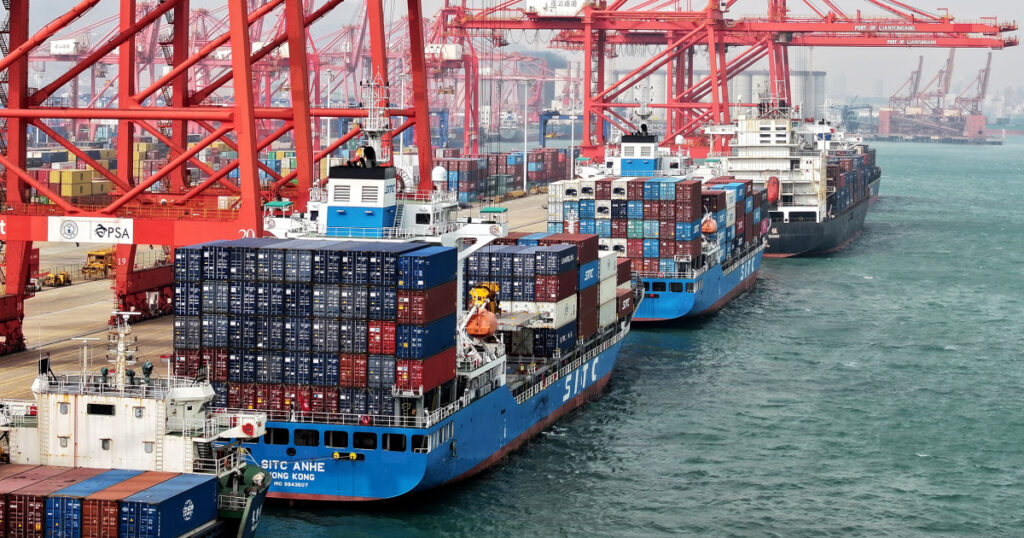
President Donald Trump announced a 90-day suspension of tariffs on over 75 trading partners, leading to a significant surge in the stock market, with the Dow Jones Industrial Average and S&P 500 experiencing substantial gains. This decision, communicated via Truth Social, reflects a strategic shift in the administration's trade policy, aiming to foster dialogue and resolve ongoing trade disputes, although China remains excluded with increased tariffs. The market's positive response indicates investor optimism about potential resolutions, with attention now on the outcomes of these discussions and their impact on international trade dynamics.
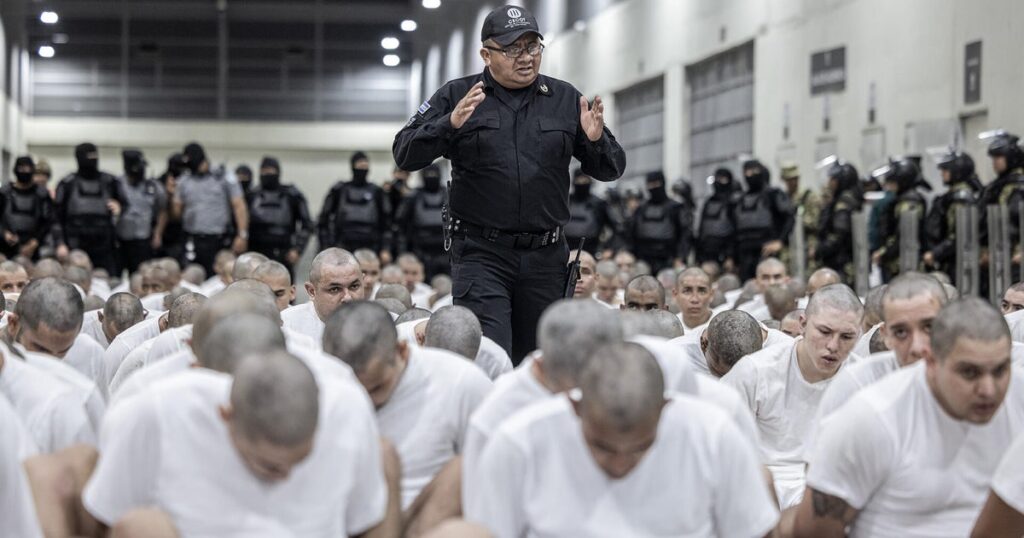
Federal judges in New York and Texas have temporarily blocked the deportation of Venezuelan nationals under the Trump administration's use of the Alien Enemies Act, challenging efforts to expedite their removal. In New York, Judge Alvin Hellerstein granted relief to two Venezuelan men, emphasizing judicial scrutiny over the administration's immigration policies. Meanwhile, the White House faces controversy over potential plans to transfer U.S. citizens convicted of crimes to El Salvador, highlighting broader debates on criminal justice and international cooperation.
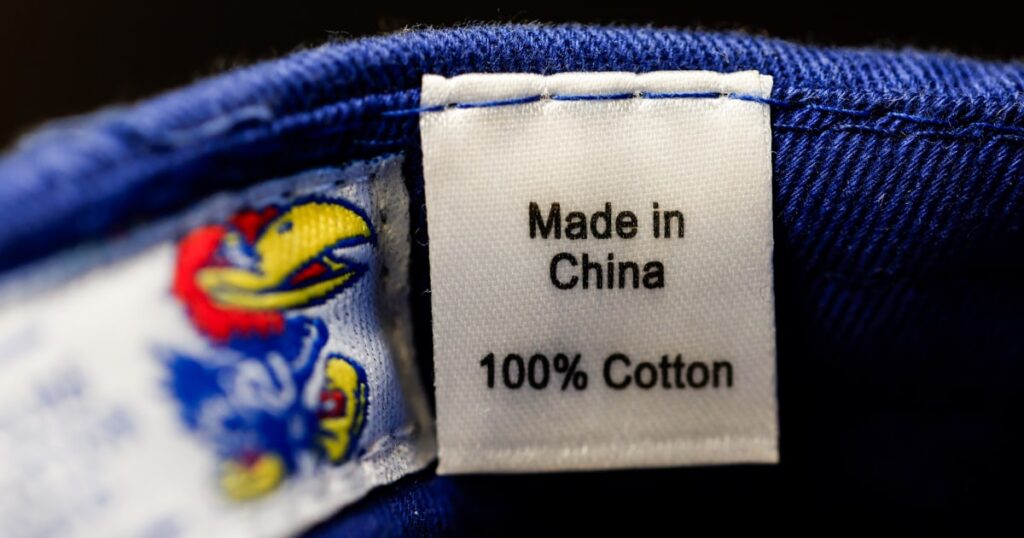
China has retaliated against the United States by increasing tariffs on U.S. goods to 84% following President Donald Trump's imposition of a 104% tariff on Chinese imports, escalating trade tensions between the two nations. While China is committed to a firm stance in the trade conflict, the European Union is opting for a more measured approach, criticizing the U.S. tariffs as "unjustified and damaging" but still deliberating on a collective response. These differing strategies highlight the varied international reactions to U.S. trade policies, with the global community closely watching the potential impacts on trade dynamics and economic stability.