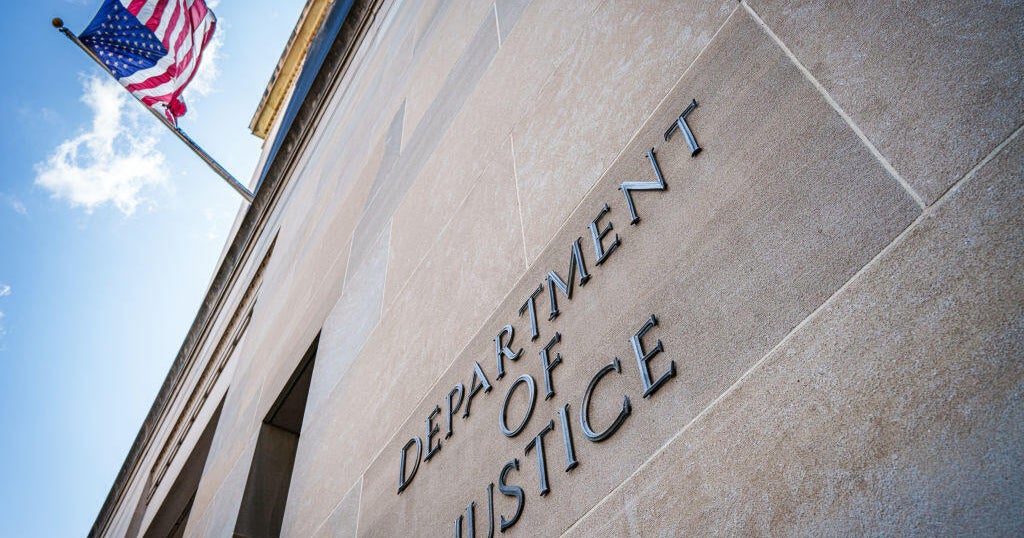
The Trump administration has submitted a memorandum to a Louisiana immigration court, citing national security concerns to justify the deportation of Mahmoud Khalil, a Columbia University student involved in protests against U.S. foreign policy. The legal argument is based on a provision in the Immigration and Nationality Act of 1952, which allows for the deportation of noncitizens deemed detrimental to national foreign policy interests. The case has garnered attention due to its unusual legal basis and potential implications for student activists and noncitizens engaged in political protests, possibly setting a precedent for future cases at the intersection of immigration law and national security.
News Mash
Democratic Senator Michael Bennet is reportedly planning to run for governor of Colorado, aiming to succeed the term-limited Governor Jared Polis, amidst a trend of Democratic support in the state. Despite his current Senate term running until 2028, Bennet's potential gubernatorial bid reflects a broader trend of Democrats seeking roles outside Washington, as several Senate Democrats announce retirements. Meanwhile, Kathleen Sgamma's withdrawal from her nomination to lead the Bureau of Land Management underscores ongoing debates over energy policies, adding another layer of complexity to the political landscape as Bennet prepares to enter the race.
Ryan Routh, already facing federal charges for attempting to assassinate then-presidential candidate Donald Trump, is now being charged by Florida with state terrorism and attempted first-degree murder. Florida Attorney General James Uthmeier emphasized that Routh's alleged actions were not just an attack on an individual but a broader assault on the nation's political system and values. The new state charges add complexity to Routh's legal situation, highlighting the serious nature of threats against political figures and their implications for national security and democratic processes.
The Nasdaq Composite Index and S&P 500 experienced significant declines due to reactions to the U.S. administration's tariff policies, prompting President Donald Trump to suspend "reciprocal tariffs" for 90 days. This suspension aims to address concerns from the bond market and marks a shift in the administration's approach to tariffs. Despite a brief market rally, consumers are expected to face a substantial overall tariff rate, underscoring the complex relationship between trade policies and market stability.
President Donald Trump has temporarily suspended his administration's "reciprocal tariffs" for 90 days in response to recent financial market turbulence and concerns about market volatility. This decision reflects a broader historical pattern where U.S. presidents adjust economic strategies based on feedback from financial markets, particularly when bond investors express alarm over perceived fiscal irresponsibility. The suspension underscores the complex relationship between government policy and market dynamics, highlighting the importance of stability and predictability in maintaining investor confidence.
Recent market volatility has been significantly influenced by President Donald Trump's unpredictable policy decisions, leading to investor concerns about the sustainability of future market rallies. The situation has been exacerbated by China's announcement of additional countermeasures in response to the U.S. imposing a higher-than-expected tax on Chinese imports, which has accelerated stock market losses and affected the bond market. UBS strategist Bhanu Baweja and other analysts highlight the ongoing trade war as a threat to the economy, with recent fluctuations partially reversing historic stock gains and contributing to broader economic uncertainty.
U.S. Ambassador to Ukraine, Bridget Brink, is set to resign after nearly three years in Kyiv, amid the Trump administration's efforts to negotiate a peace deal between Russia and Ukraine. Her departure, confirmed by the State Department, comes as she has been a strong advocate for U.S. military support to Ukraine, aligning with the administration's policies. This resignation occurs within the broader context of diplomatic efforts to achieve a ceasefire in the Black Sea region, highlighting the complexities of U.S. foreign policy in Eastern Europe.
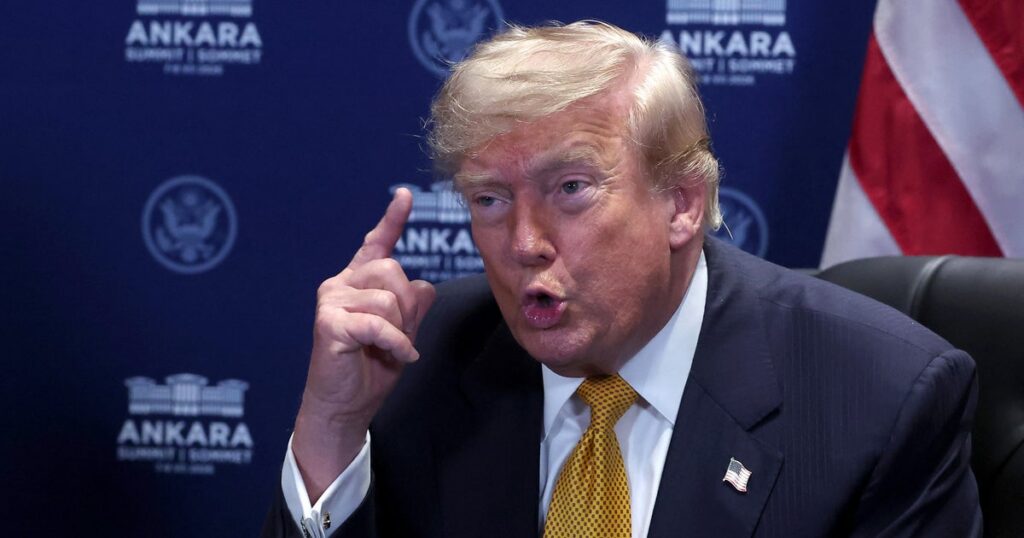
During a Cabinet meeting, President Donald Trump addressed the escalating trade tensions with China, highlighting the administration's decision to increase tariffs on Chinese goods to 145%, which has led to market volatility. Despite the fluctuations, Trump expressed confidence in reaching favorable trade resolutions with various countries within 90 days, aiming to stabilize the economic landscape through strategic negotiations. Treasury Secretary Scott Bessent provided context on market movements, suggesting they are part of broader economic dynamics, while critics voiced concerns about potential inflation and the need for sustained policy efforts.