Key takeaways:
- Ramaphosa said protests must not involve intimidation, threats, vandalism or violence, and reminded citizens that lawful foreign nationals are protected by South Africa’s Constitution.
- Ghana, Malawi, Mozambique, Nigeria and Zimbabwe have been organising repatriations, with about 3,500 foreigners volunteering to leave, the BBC reported.
- Police leave was cancelled and additional resources deployed ahead of possible unrest linked to the unofficial June 30 deadline, Al Jazeera reported.
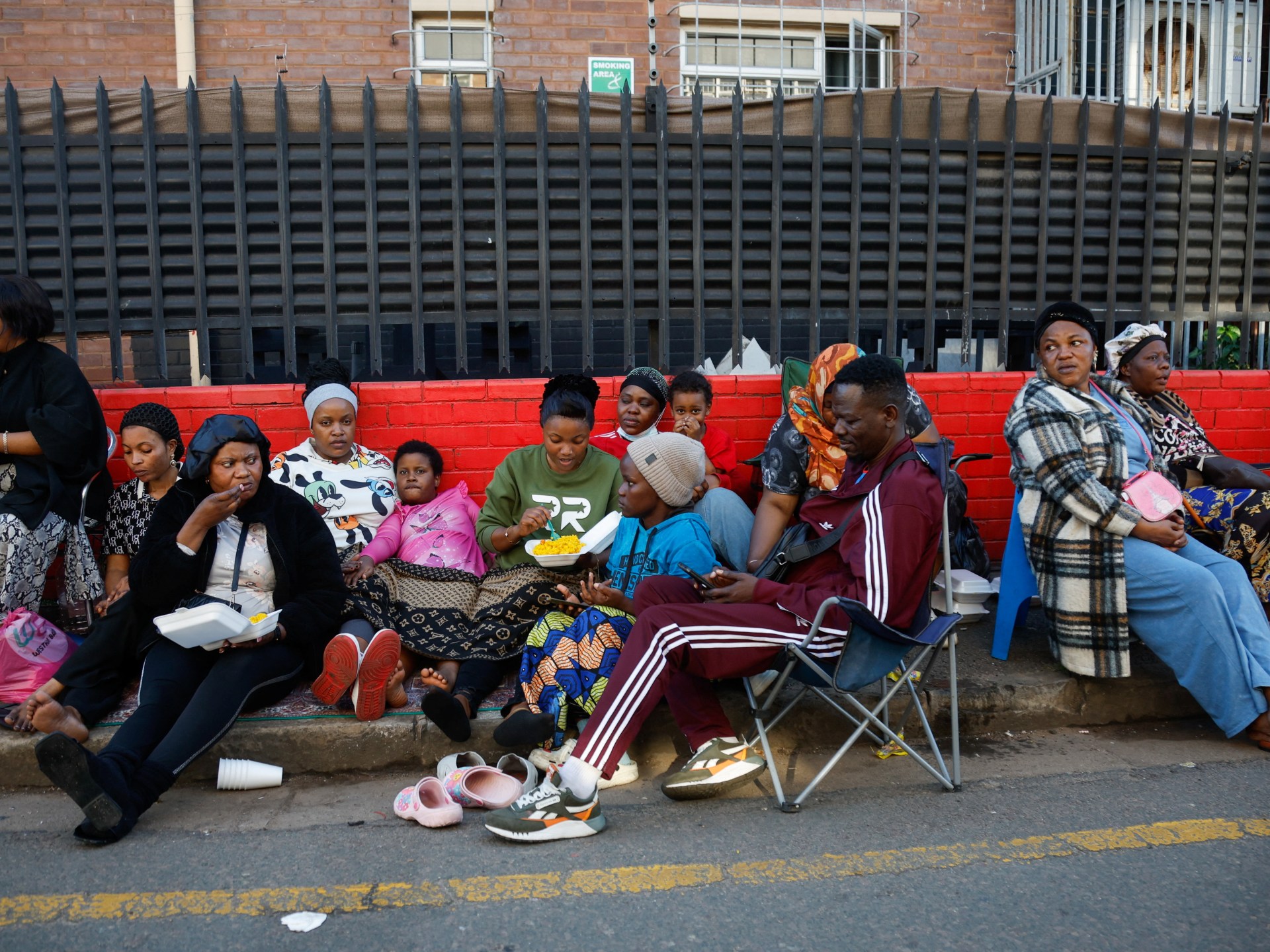
President Cyril Ramaphosa warned anti-migrant protesters not to use “intimidation, threats or ultimatums” as thousands of foreign nationals in South Africa sought to leave ahead of an unofficial June 30 deadline promoted by anti-immigration activists.
The deadline is not recognised by authorities, but it has fuelled fear in migrant communities after social media posts and pamphlets falsely claimed undocumented foreign nationals had until June 30 to leave South Africa or face arrest, detention and deportation. The government has dismissed the notices as fake.
Anti-migrant marches have been authorised for Tuesday in Durban, Johannesburg and other cities. Authorities have warned organisers to prevent violence and said they are prepared for potential disruption. Police said traditional weapons will not be allowed at marches, a restriction that could heighten tensions because many Zulu protesters customarily carry shields, whips and sticks during demonstrations.
Ramaphosa, writing in his weekly newsletter, said some foreign nationals in South Africa are in the country lawfully. “They work, study, raise families, invest in our economy and contribute positively to our society,” he wrote. “They too are entitled to the protection of our laws and our Constitution.”
“The right to protest and freedom of expression does not allow people to threaten or intimidate others, or to engage in acts of vandalism or violence,” he added.
Several thousand citizens of other African countries have left South Africa in recent weeks fearing violence. Ghana, Malawi, Mozambique, Nigeria and Zimbabwe have been organising repatriations by air or bus, with about 3,500 foreigners volunteering to leave, the BBC reported. According to the South African government, more than 12,000 immigrants have been deported or repatriated since a wave of protests began earlier this year.
In Durban, where some of the biggest protests have taken place, authorities were dismantling white tents in a transit camp housing mostly Malawians as they worked to clear the site. Women in colourful sarongs sat on their belongings while waiting to board buses to Malawi.
Nelson Mbewe, a Malawian migrant, told the BBC he had gone to South Africa to find work to support his family. “But we’ve faced challenges — they’re saying we should go back home because we do not have the right documents,” he said. “They say we are Makwerekwere,” he added, referring to a xenophobic slur used against African migrants. “It’s their country, so what can we do? That’s why we have accepted that we just have to [unwillingly] go back home.”
Another Malawian, Hassan Phiri, urged unity. “All I want to say to South Africans is that we are all one,” he told the BBC. “Africa can’t be Africa without South Africa… without Malawi, without anywhere.”
In Johannesburg, about 300 people attended a Sunday meeting in the Tembelihle informal settlement organised by the Tembelihle Crisis Committee, a grassroots movement that has previously opposed xenophobic violence. Al Jazeera reported that some speakers urged residents not to target foreign nationals, while others blamed migrants for crime and social problems.
After the meeting, word spread that a Malawian resident had been stabbed nearby. Luke Sinwell, a professor at the University of Johannesburg, told Al Jazeera that residents described the attack as opportunistic crime rather than organised xenophobic violence, but added: “However, these things are interconnected.”
Acting Police Minister Firoz Cachalia told Al Jazeera that police leave had been cancelled and additional resources deployed ahead of possible unrest. Minister Mmamoloko Kubayi, who chairs the Inter-Ministerial Committee on Migration, said the government was focused on maintaining order while assisting migrants who wished to leave, but said no refugee or transit camps would be created.
Official figures cited by the BBC say there are more than 3 million documented foreign nationals in South Africa. Statistics South Africa estimates about 2.4 million documented and undocumented migrants live in the country, Al Jazeera reported.
South African authorities say more than 500 Nigerians repatriated did not have correct papers, a claim Nigeria has disputed. Xenophobic violence has long affected South Africa: the African Centre for Migration and Society’s Xenowatch tracker says two people have been killed this year, while more than 60 people died in anti-foreigner riots in 2008.




Be First to Comment