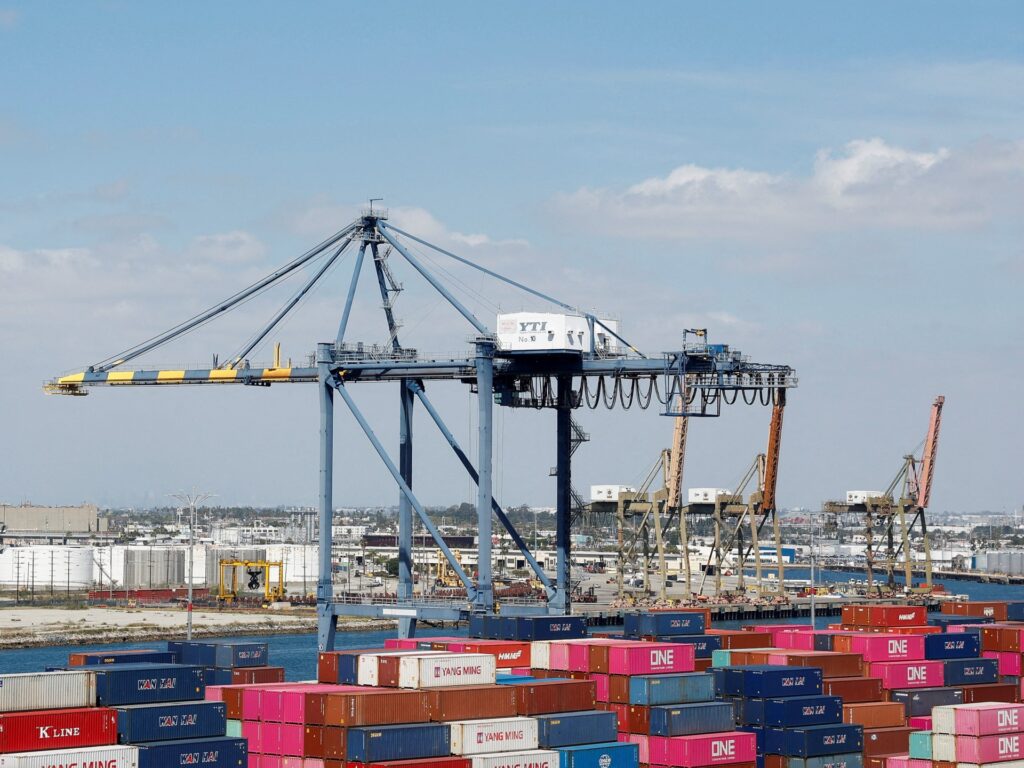
Rising gas prices in the U.S., driven by disruptions in oil shipments through the Strait of Hormuz amid the Iran conflict, have prompted discussions about releasing oil from the Strategic Petroleum Reserve (SPR) to stabilize the market. Although the SPR holds significant reserves, experts warn its impact may be limited due to the time required to release oil and the scale of supply disruptions, while G7 finance ministers have yet to agree on coordinated action. Meanwhile, oil prices remain volatile amid mixed signals about U.S. naval escorts in the region, and officials are exploring various policy options, though a lasting solution depends on reopening the Strait of Hormuz.
News Mash
Oil prices have surged due to the escalating Middle East conflict, which has disrupted shipping through the strategic Strait of Hormuz and drawn significant military attention from the U.S. and its allies. Russia has emerged as a key beneficiary of rising energy prices, potentially increasing its oil revenues and military spending amid the ongoing Ukraine war. Meanwhile, the conflict intensifies with attacks on Gulf countries, heightened regional military deployments, and diplomatic efforts to support affected nations and maintain global energy security.
Ed Martin, the Justice Department’s new pardon attorney, has begun reviewing pardon applications for several January 6 defendants, including Oath Keepers founder Stewart Rhodes and prominent Proud Boys members, following discussions with their attorneys. While former President Trump granted pardons to many Jan. 6 defendants, some key figures only received commutations, and the current review process aims for a more measured and fair approach, with input from former clemency recipient Alice Johnson. Meanwhile, ongoing legal and political challenges related to the Trump administration’s legacy continue, including disputes over executive power, election investigations, and immigration litigation.
Voters in Georgia's 14th Congressional District are participating in a special election to fill the U.S. House seat vacated by Marjorie Taylor Greene, featuring 17 candidates from multiple parties. The district is a Republican stronghold, with key contenders including Trump-endorsed Republican Clay Fuller and Democrat Shawn Harris, who has raised significant funds and received high-profile endorsements. If no candidate wins a majority, a runoff is scheduled for April 7, with the winner serving a short term before facing another election in May.
U.S. gasoline prices surged sharply amid escalating tensions involving Iran, with the national average reaching $3.48 per gallon and crude oil briefly surpassing $100 per barrel due to disruptions in the Strait of Hormuz. Analysts warn that fuel costs may remain high through the summer because of ongoing supply uncertainties and increased demand, despite some recent price volatility. International markets reacted with significant fluctuations, and major industrialized nations are considering coordinated measures to stabilize energy supplies amid concerns over further production cuts and transit challenges.
President Donald Trump described the U.S.-Iran conflict as nearing its end, claiming significant damage to Iran’s military and warning against any attempts to block navigation in the Strait of Hormuz. Speaking from his Florida golf club amid political gatherings, he framed the military action as a necessary, short-term effort to eliminate threats, while acknowledging American casualties and expressing resolve to continue the campaign. Despite Trump’s optimistic tone, the Department of Defense emphasized that the fight is ongoing and vowed to show “no mercy.”
President Trump expressed optimism about the U.S. military's progress in Iran, claiming significant advances while acknowledging some targets remain and anticipating a swift end to the conflict. He criticized the appointment of Mojtaba Khamenei as Iran’s new leader but preferred internal political change over direct U.S. intervention, citing past destabilization in Iraq and referencing Venezuela as a model. Trump also addressed a recent deadly bombing in Iran likely caused unintentionally by U.S. forces, warned Iran against disrupting oil shipments through the Strait of Hormuz, and noted that American casualties have reinforced calls to "finish the job."
U.S. officials have signaled a shift in their conflict objectives with Iran, focusing on dismantling missile capabilities and nuclear programs rather than regime change, while maintaining a hardline stance. This recalibration comes amid rising oil price volatility driven by disruptions in the Strait of Hormuz, which has heightened concerns over an energy crisis and domestic inflationary pressures. Financial markets have shown mixed reactions, with stock indices rebounding after initial drops and oil prices fluctuating, as geopolitical tensions and economic uncertainties persist.