The United States is experiencing a worsening housing affordability crisis driven by factors such as restrictive zoning, high construction costs, and policy challenges, with recent bipartisan legislation facing uncertainty due to political disputes. Although the Trump administration has taken steps like reducing building regulations and expanding incentives for low-income housing, critics argue that rollbacks of civil rights protections and cuts to social programs undermine housing security for marginalized communities. This crisis reflects broader economic inequality, as wealth gains concentrate among the top 1% while many Americans struggle with rising living costs, exacerbating social and political tensions ahead of upcoming elections.
Posts published in “US”
Senator Markwayne Mullin was confirmed as the new Secretary of the Department of Homeland Security by a 54-45 Senate vote, replacing Kristi Noem amid controversy over her leadership. Mullin’s appointment comes during a prolonged DHS shutdown caused by Democratic demands for immigration enforcement reforms, which remain unresolved despite the leadership change. Known for bipartisan relationships, Mullin has pledged to empower personnel and implement policy shifts such as requiring judicial warrants for enforcement actions, while his confirmation drew both cross-party support and criticism.
Senate efforts to end the 38-day Department of Homeland Security shutdown stalled after former President Trump demanded that the DHS funding bill include his controversial SAVE America Act, which mandates voter ID and citizenship verification, a proposal opposed by Democrats and lacking sufficient Senate support. The shutdown has strained airport security operations, with TSA workers unpaid and ICE agents deployed to assist, while Democrats have offered to fund non-ICE DHS components separately, a move some Republicans are considering. Political tensions remain high as Democrats accuse Trump of sabotaging negotiations, the Senate faces a looming recess, and a Supreme Court case on late-arriving mail-in ballots adds complexity to ongoing debates over election integrity and federal funding.
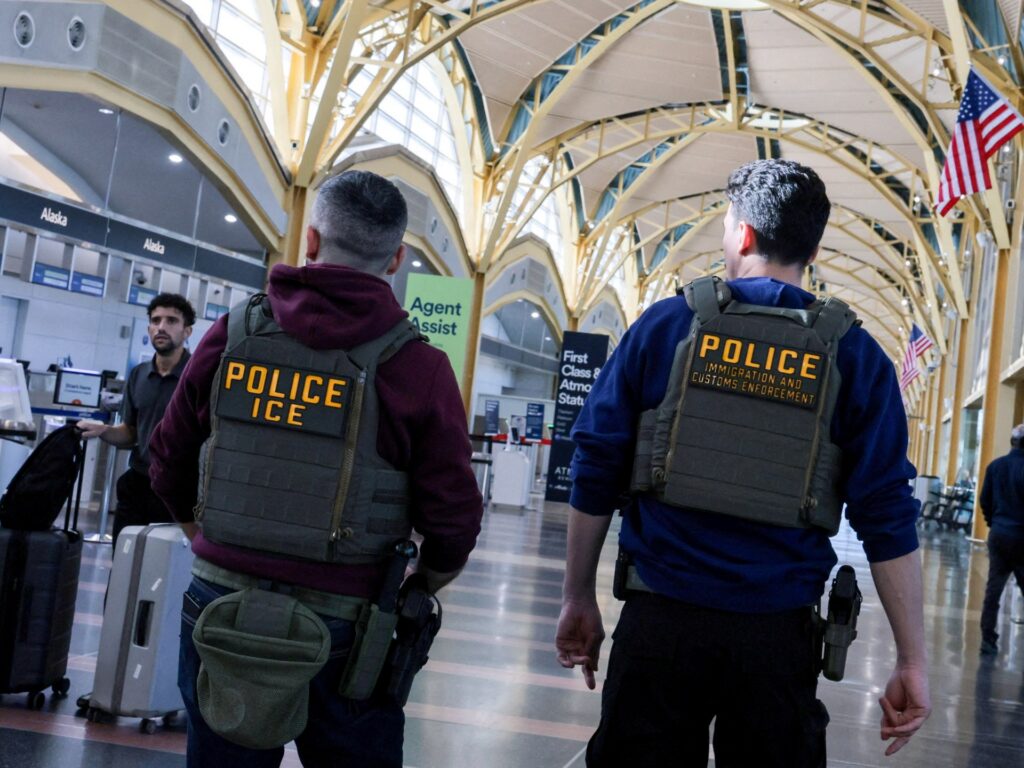
The partial shutdown of the Department of Homeland Security has caused severe staffing shortages and long security lines at airports, prompting President Trump to deploy armed ICE agents to assist with crowd control despite their lack of TSA screening training. Efforts to resolve the shutdown include a proposed compromise to fund DHS excluding ICE, with ICE funding to be addressed separately, but President Trump rejected this plan, insisting on linking DHS funding to the controversial "SAVE America Act." As the standoff continues, travelers face ongoing delays and uncertainty, with Congress considering canceling its recess to address the impasse.
As the partial government shutdown extends into its third week, ICE agents have been deployed to 14 major U.S. airports to assist with crowd control amid severe TSA staffing shortages causing long security wait times. While ICE personnel support TSA officers by managing passenger flow, they are not trained to conduct security screenings, drawing criticism from TSA unions and civil rights groups concerned about safety and traveler anxiety. The deployment has heightened political tensions, with calls for Congress to restore TSA funding as airports continue to struggle under the strain of the shutdown.
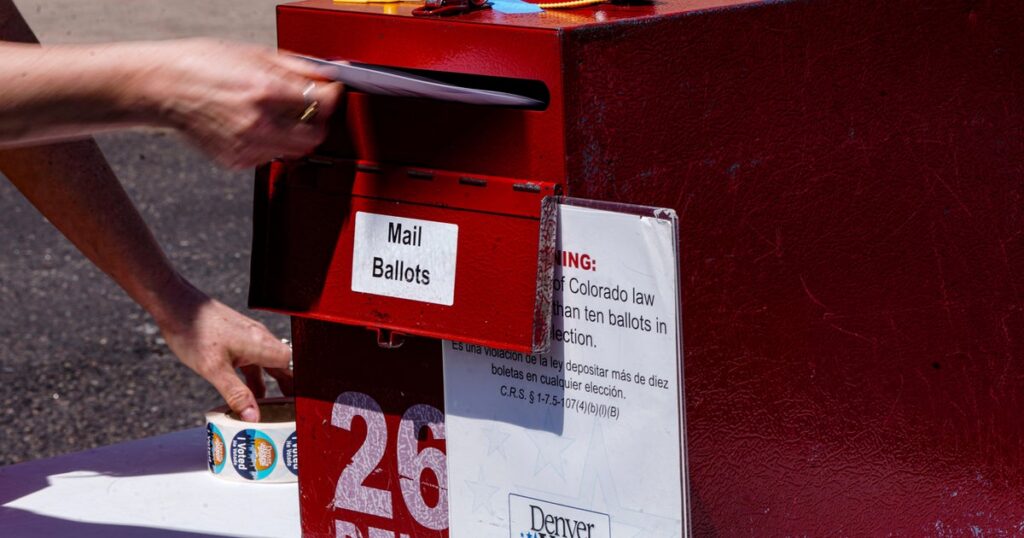
The U.S. Supreme Court is considering whether states can count mail-in ballots postmarked by Election Day but received afterward, focusing on Mississippi’s law allowing a five-day grace period. The Republican National Committee and others argue that federal law requires ballots to be received by Election Day, while Mississippi officials defend their law under the Constitution’s Elections Clause and warn that invalidating it could affect millions of voters, including military personnel. The ruling, expected before the November midterms, will address the tension between federal election uniformity and states’ authority over mail-in ballot deadlines.
The U.S. Senate advanced Senator Markwayne Mullin's nomination for Secretary of Homeland Security with bipartisan support despite controversy during his hearing. Meanwhile, a partial DHS shutdown due to a funding impasse has caused staffing shortages and operational disruptions, particularly at airports, prompting ICE agents to assist TSA officers. The shutdown results from ongoing disputes between Democrats and Republicans over immigration enforcement policies, with bipartisan negotiations ongoing to restore full DHS operations.