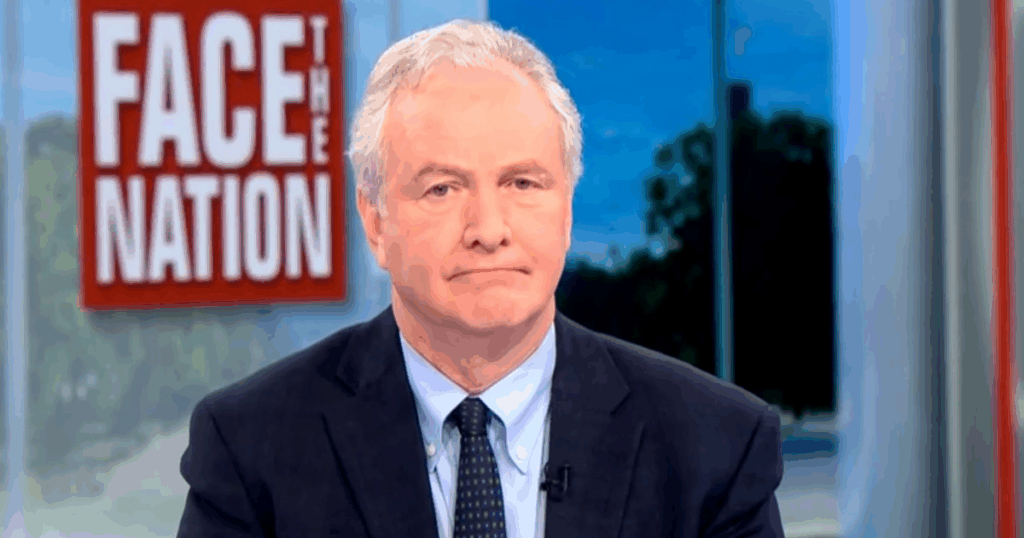
Senator Chris Van Hollen's trip to El Salvador highlighted the challenges he faced in meeting with Kilmar Abrego Garcia, a Salvadoran national mistakenly deported from the U.S., as the Salvadoran government initially resisted his attempts. During an appearance on "Meet the Press," Van Hollen expressed concerns about a constitutional crisis in the U.S., attributing it to the Trump administration's disregard for court orders and its approach to immigration enforcement. His remarks underscore the ongoing tensions between the legislative and executive branches and emphasize the complexities of immigration policies, drawing attention to the broader debate over immigration and the rule of law.
Posts published in “US”
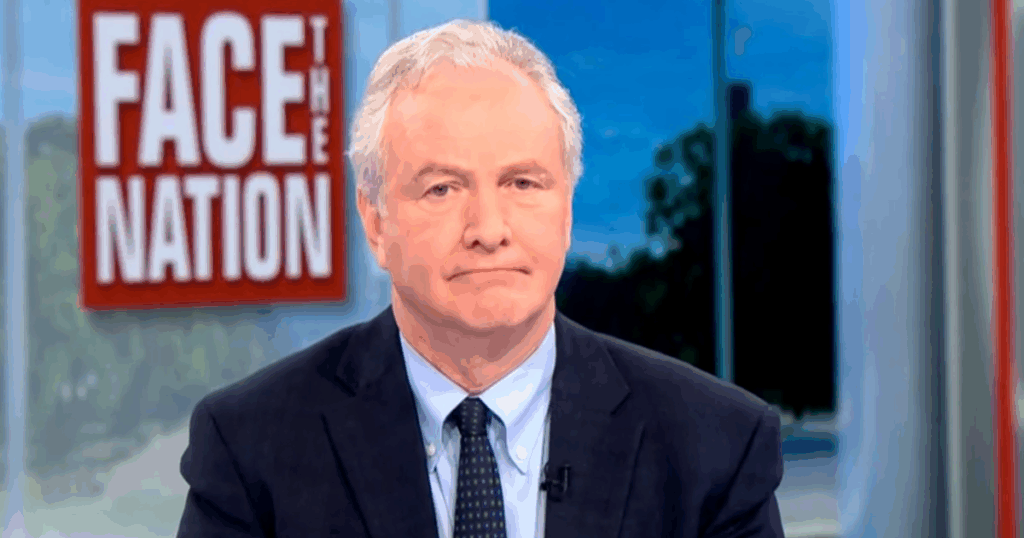
U.S. immigration authorities have sent a mass email to individuals under specific immigration protections, urging them to leave the country immediately or face law enforcement actions and termination of benefits. This unprecedented communication has heightened concerns about the administration's strict immigration enforcement policies. Additionally, a related incident involving the mistaken deportation of Kilmar Abrego Garcia to El Salvador highlights the complexities and challenges of current immigration policies, drawing attention to their impact on individuals and communities.

A severe storm system swept through parts of the United States, resulting in tragic consequences in Moore, Oklahoma, where a 12-year-old boy and a woman lost their lives due to intense flooding. The storm, characterized by large hail and strong winds, affected a vast region from the South to the Northeast, with Moore experiencing significant flooding that led to numerous high-water incidents. As the storm posed a threat to over 45 million people, authorities remained on high alert, emphasizing the importance of preparedness and caution during such extreme weather conditions.

The Supreme Court has temporarily blocked the Trump administration's attempt to deport a group of Venezuelan nationals from Texas, citing the need for due process. This decision came after the administration tried to use the Alien Enemies Act to expedite the deportation, which involved transporting the detainees toward an airport before the court's intervention halted the process. The ruling underscores the legal challenges and debates surrounding the use of wartime powers in immigration enforcement.
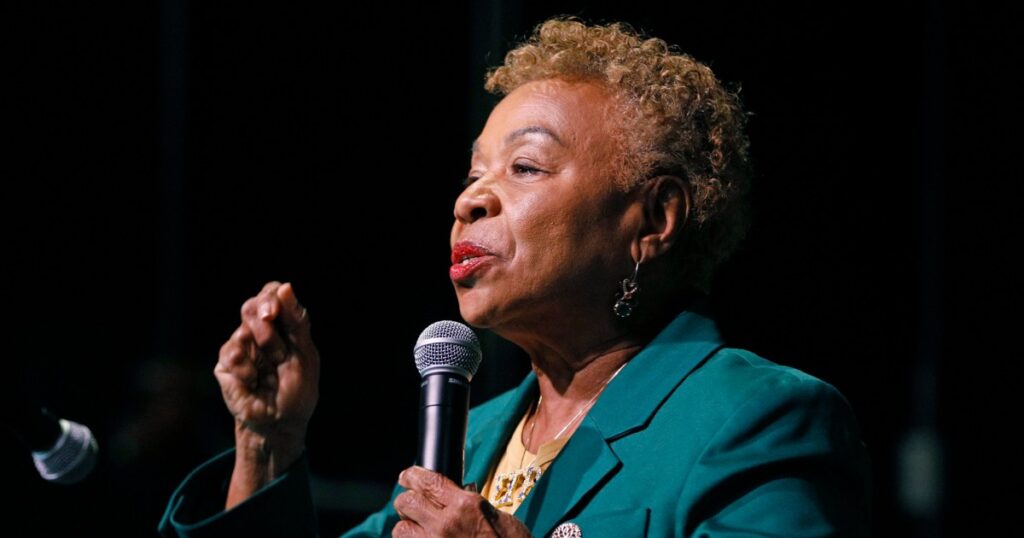
Barbara Lee, a former U.S. Representative and prominent progressive, has been elected as the new mayor of Oakland, California, amid the city's challenges of economic stagnation, crime, and homelessness. Her campaign, which resonated with residents disillusioned by traditional politics, focused on progressive policies to address these issues. Lee's victory, confirmed after her opponent Loren Taylor conceded, signifies a shift in leadership that aligns with a broader national conversation about the Democratic Party's direction and the prioritization of community needs.

A significant protest occurred near the White House, where individuals gathered to oppose President Donald Trump's policies, particularly highlighting the wrongful deportation of Kilmar Abrego Garcia as a violation of due process rights. Protester Susie Stern emphasized the need for fair treatment under the law for everyone, regardless of their background. In a related development, Secretary of State Marco Rubio suggested the U.S. might withdraw from negotiations to end the war in Ukraine, reflecting the growing tensions and uncertainties in U.S. foreign and domestic policies.
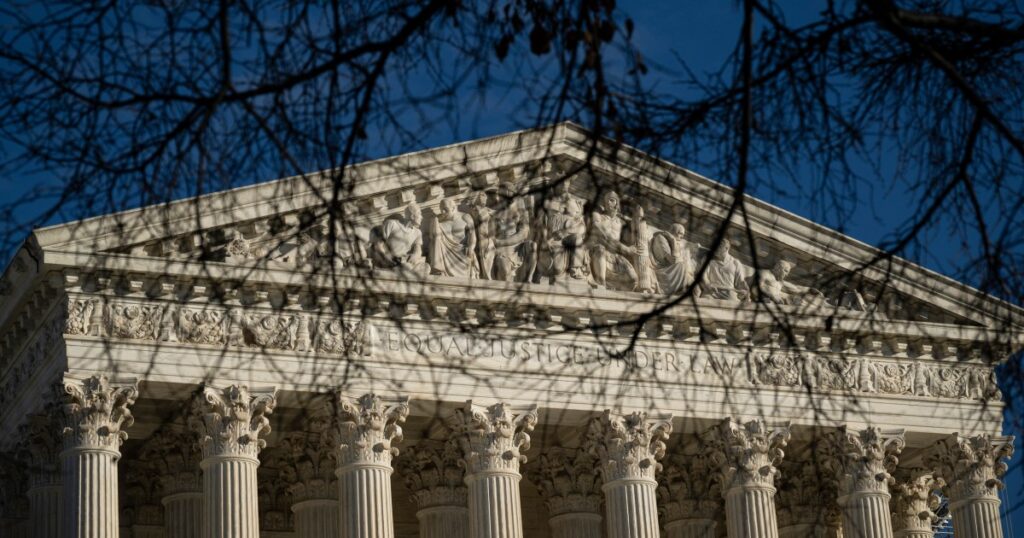
The U.S. Supreme Court has issued a temporary order preventing the deportation of Venezuelan detainees at the Bluebonnet Detention Center in Texas, ensuring they remain in the U.S. while legal proceedings regarding their rights continue. This decision follows an earlier stipulation by the court that deportations could only proceed if detainees were given a chance to present their case and contest the decision. The emergency appeal, filed by the ACLU, challenges the use of the Alien Enemies Act of 1798 in these deportation efforts, and while the order was not unanimous, it temporarily halts deportations, allowing for further legal examination.

Maryland Senator Chris Van Hollen visited El Salvador to meet with Kilmar Abrego Garcia, who was deported from the United States due to an administrative error, and informed him about the national attention his case has garnered. Despite initial challenges, including a declined meeting request from Salvadoran Vice President Félix Ulloa, Van Hollen successfully met with Garcia at the country's Terrorism Confinement Center. The senator's visit aimed to address concerns over Garcia's health and well-being, emphasizing the complexities of international relations and the need for advocacy in cases of administrative deportation errors.