Director of National Intelligence Tulsi Gabbard announced the revocation of security clearances for several former national security officials, including those involved in legal actions against former President Donald Trump. This move aligns with an executive order from Trump's presidency, which aimed to remove clearances from individuals critical of him. The revocations have prompted discussions about their national security implications and the political motivations behind these actions.
Posts published in “US”

Congress Races to Prevent Government Shutdown Amid DOJ Shakeup and Rising Saudi Diplomatic Influence
Congress is actively working to prevent a government shutdown as the deadline for funding approaches, highlighting the potential impacts on government services and employees. Concurrently, the Department of Justice is undergoing significant changes under the Trump administration, with dismissals of senior officials suggesting a consolidation of control aligned with White House objectives, raising concerns about the DOJ's independence. On the international stage, Secretary of State Marco Rubio and Ukrainian President Volodymyr Zelenskyy's upcoming visit to Saudi Arabia underscores the country's growing influence in global diplomacy.
In a period of heightened tensions over the separation of powers, House Republicans have introduced a funding proposal to extend government funding until the end of fiscal year 2025, amidst significant spending cuts by Elon Musk's executive branch entity, DOGE. The proposed continuing resolution seeks to maintain government operations beyond the looming deadline, requiring a simple majority in the House and support from at least 60 senators to overcome a potential filibuster. With a government shutdown deadline approaching, House Speaker Mike Johnson is pushing for a vote on a six-month funding extension, facing criticism from Democrats for its military spending focus and exclusion from negotiations.
Major U.S. stock indexes saw a significant decline on Monday, driven by investor concerns over slowing economic growth, persistent inflation, and an unstable job market, with the S&P 500 dropping 2% and the Nasdaq Composite falling 3.4%. The downturn, exacerbated by ongoing U.S.-China trade tensions and retaliatory tariffs on American agricultural products, has erased recent gains and pushed the Nasdaq to its lowest level since September. As the market grapples with these challenges, volatility persists, with potential for further fluctuations based on economic data and policy developments.
In 2019, Colorado enacted a law prohibiting licensed mental health professionals from practicing conversion therapy on minors, in response to concerns about its negative impact on mental health. The U.S. Supreme Court has agreed to hear a challenge to this law, brought by a Christian therapist who claims it infringes on her First Amendment rights. The case has significant implications for similar bans across more than 20 states, as it addresses the balance between protecting minors' mental health and upholding free speech and religious rights.
Federal immigration authorities arrested Mahmoud Khalil, a Palestinian graduate student and activist known for leading protests at Columbia University, in New York City. The arrest, carried out by ICE agents, was reportedly based on a State Department order to revoke his green card, though the reasons for this decision remain unclear. Khalil's legal team plans to challenge the arrest, which has garnered attention from advocacy groups concerned about its implications for free speech and activism.
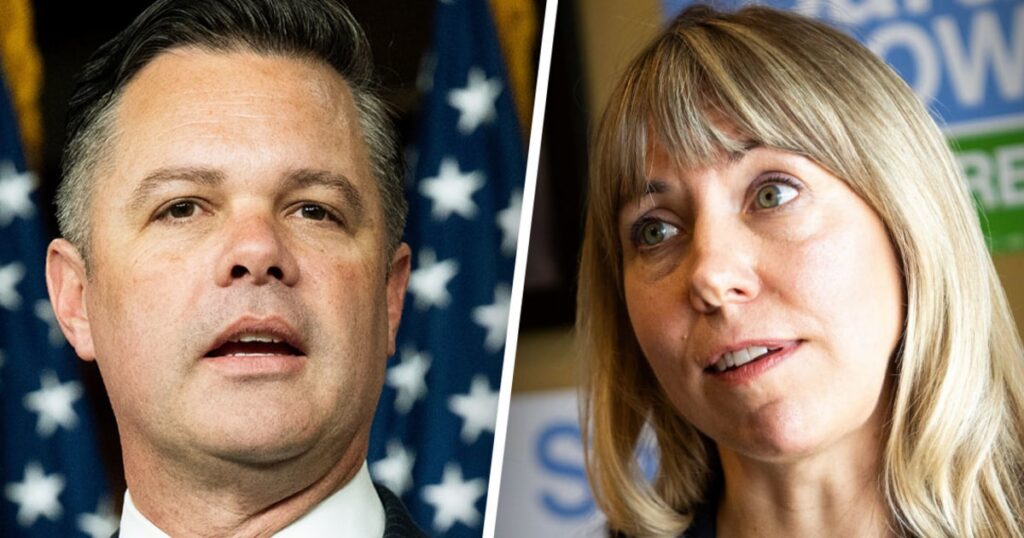
Senator Elissa Slotkin, a Democrat from Michigan, plans to withhold her vote on government funding unless the Trump administration assures that allocated funds will be spent according to congressional intent, highlighting concerns over executive overreach. As the deadline for a potential government shutdown approaches, the Senate faces a significant challenge, requiring bipartisan support to pass a continuing resolution, which emphasizes Congress's constitutional role in controlling government spending. This situation underscores the tension between the legislative and executive branches and the importance of congressional oversight, with the outcome impacting government operations and setting a precedent for future negotiations.