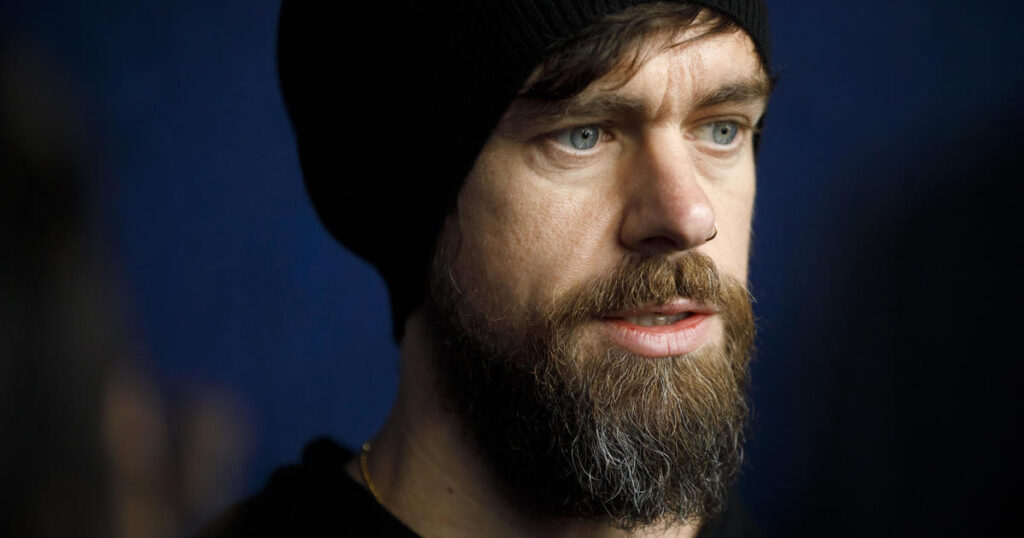
Jack Dorsey, co-founder and former CEO of Twitter, has expressed his disapproval of Elon Musk's handling of the $44 billion acquisition of the social media platform. Dorsey took to his new social media platform, Bluesky Social, to criticize Musk's actions, suggesting that he should have walked away and paid the $1 billion termination fee. This comes as a surprise, as Dorsey was once a strong supporter of Musk's proposed takeover. It remains to be seen how Musk will respond to the criticism.
Posts published in “Tech”
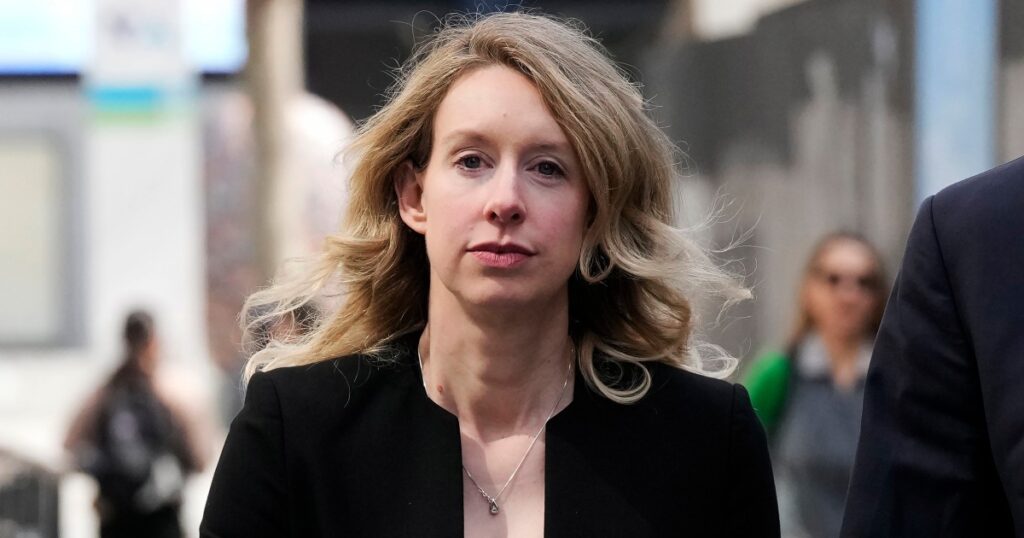
Elizabeth Holmes, the disgraced former CEO of Theranos, has avoided her 11-year prison sentence after her lawyers successfully appealed the decision to reject her release. The Ninth Circuit Court of Appeals has issued a stay of her prison term, allowing her to remain free on bail while her appeal is pending. The public continues to be captivated by the ongoing case of Holmes as her legal team seeks to overturn the lower court's decision.
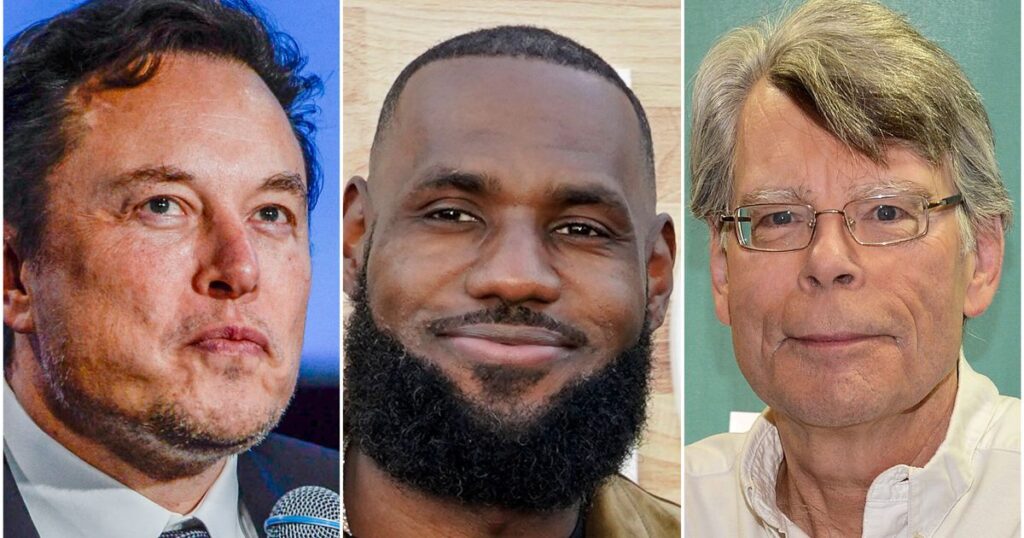
Elon Musk has come under fire for paying for three celebrities to keep their blue check marks on Twitter without subscribing to the new Twitter Blue service, which costs $8 a month. This has caused controversy, as it appears to be preferential treatment and circumvents the system. Twitter has yet to comment on the situation, and the three celebrities will be able to keep their check marks without paying.
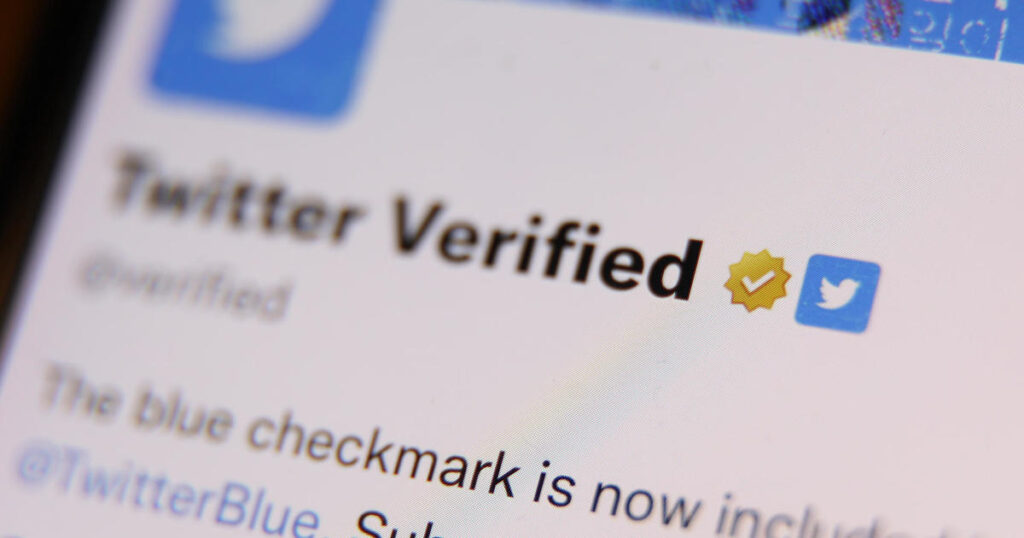
Twitter has recently removed labels describing global media organizations as government-funded or state-affiliated, which has been met with criticism from some. This has affected organizations such as National Public Radio (NPR) in the United States, who argued that the label of "government-funded media" was still misleading as they receive only a tiny fraction of their funding from the government. Twitter has yet to comment on the removal of the labels, and it remains to be seen how the platform will address the issue going forward.
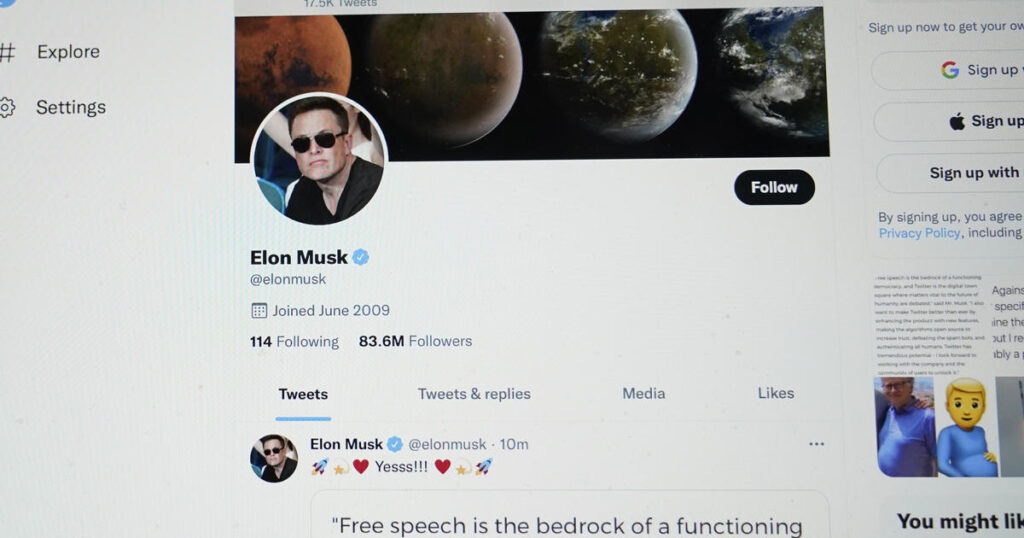
Twitter is making changes to its verification system, which will involve removing the blue check marks from accounts that do not pay a monthly fee. The cost of keeping the marks varies depending on the type of user, and the changes are part of Twitter's efforts to ensure the accuracy and authenticity of its content. It is hoped that the new system will help to reduce the number of impostors on the platform.
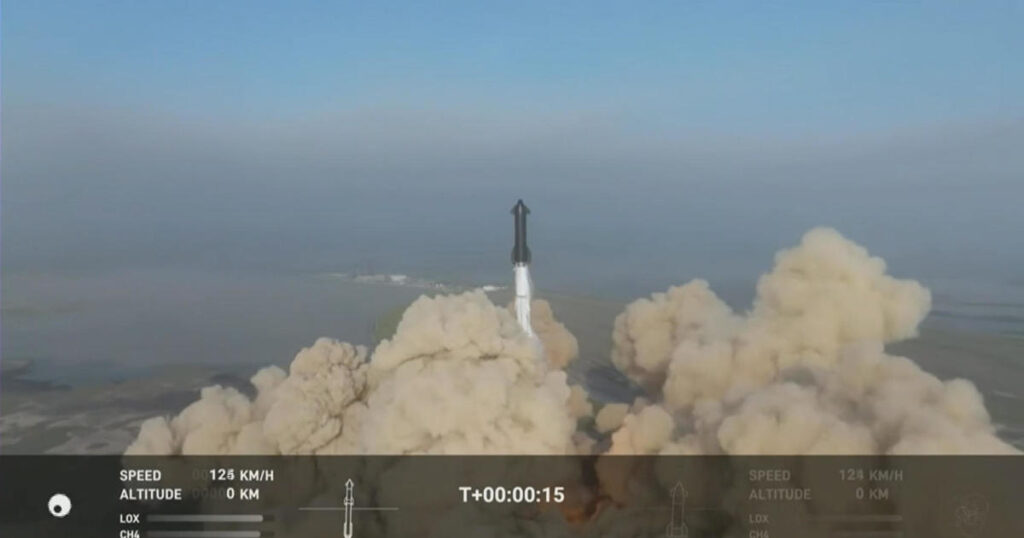
On April 20th, 2023, SpaceX conducted a test flight of its next-generation rocket, the Starship, in Boca Chica, Texas. The rocket lifted off and flew for four minutes, but the separation of the booster from the spacecraft failed, causing the rocket to tumble and explode. Despite the explosion, SpaceX considered the test flight a success and is now looking ahead to the next test flight, confident that the Starship will eventually reach its intended destinations.
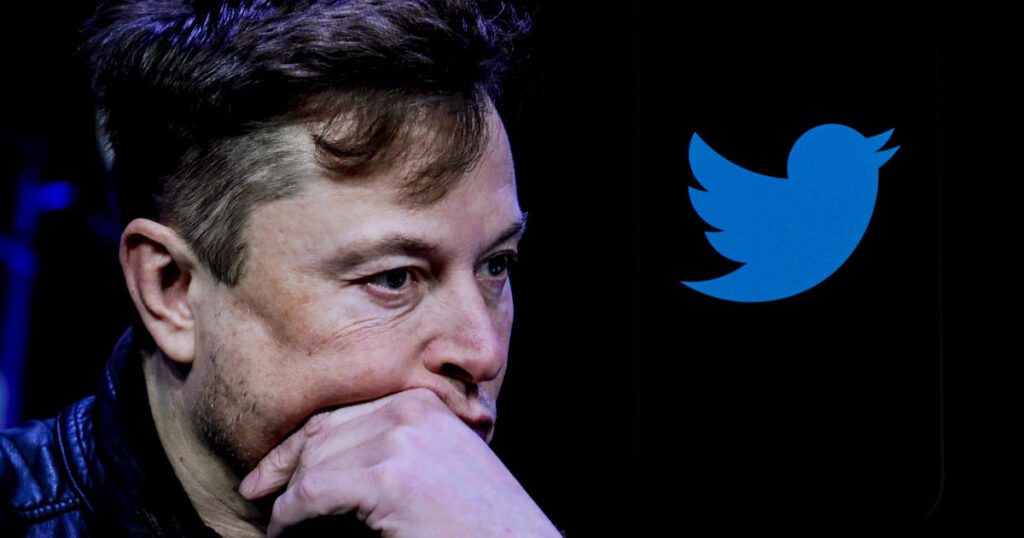
LGBTQ+ groups have expressed concern over Twitter's recent policy change, which removes a rule against the targeted misgendering or deadnaming of transgender individuals. The change has raised fears that the platform may become less safe for marginalized groups, and groups are calling on Twitter to reverse the decision. The policy change has sparked a debate over the importance of protecting marginalized groups on social media platforms, and it remains to be seen whether Twitter will respond to the outcry.
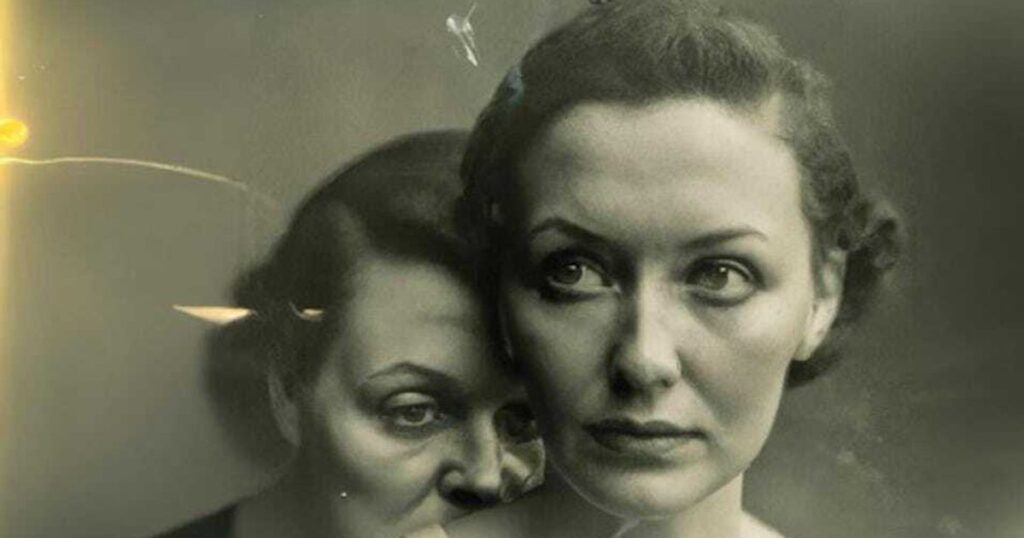
Berlin-based artist Boris Eldagsen has rejected an award from the Sony World Photography Awards after revealing that his submission was generated by Artificial Intelligence (AI). His decision has sparked a debate about the role of AI in art, with some arguing it is a valid form of expression and others believing it undermines human creativity. Eldagsen's actions have highlighted the need for a discussion around the use of AI in art, as technology continues to evolve and create meaningful works of art.