
The family of Henrietta Lacks has reached a settlement with Thermo Fisher Scientific after suing the company in 2021 for reaping billions of dollars from a racist medical system. HeLa cells, taken from Lacks in 1951, have been used in a variety of medical breakthroughs, including the development of the polio vaccine and Covid-19 vaccines. The terms of the settlement have not been disclosed, but it serves as a reminder of the importance of consent and recognition of individuals' contributions to medical science.
Posts published in “Science”

Key takeaways: The decision to keep the headquarters for U.S. Space Command in Colorado is a major step in the Biden administration’s effort to militarize…

Key takeaways: The new reactor is located at the Plant Vogtle nuclear power plant in Waynesboro, Georgia, and is now sending power to the grid…
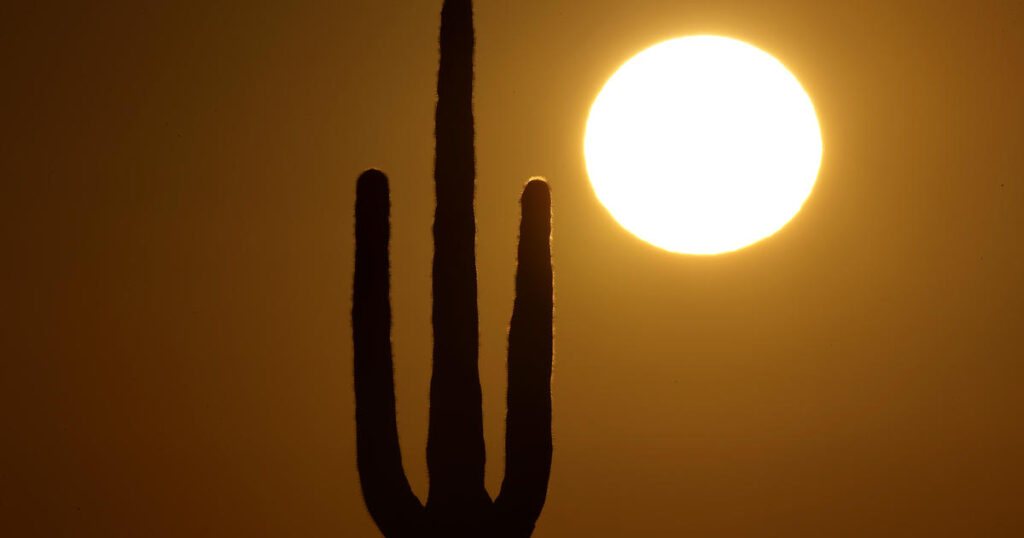
This article discusses the record-breaking heatwave that has been affecting the United States in recent weeks. The National Weather Service has reported temperatures of at least 110 degrees Fahrenheit in Phoenix, Arizona and other parts of the country have also been affected. Experts have warned that the heatwave is likely to continue and have urged people to take necessary precautions to protect themselves and conserve energy.
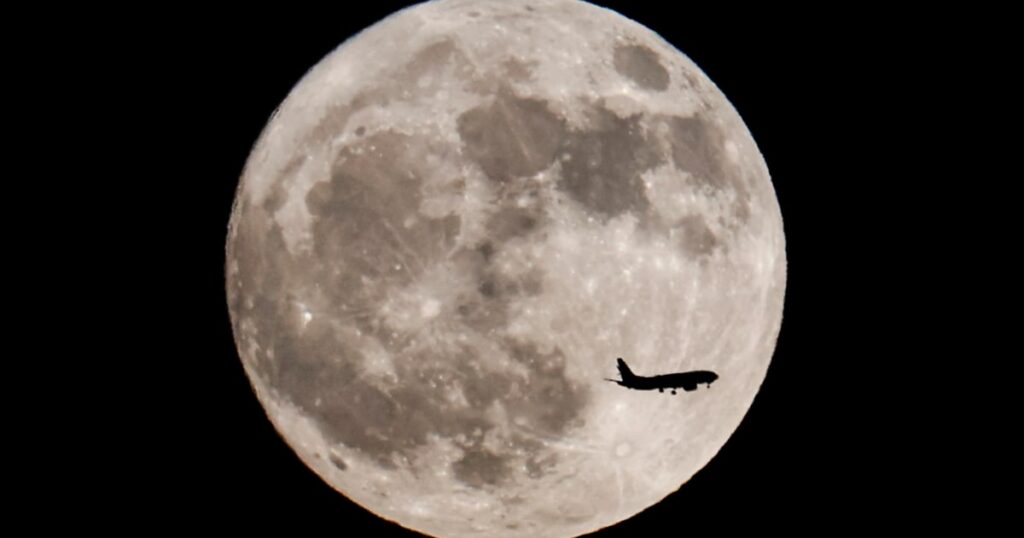
On August 30th, a rare blue moon will appear in the night sky, closer than usual at 222,043 miles (357,344 kilometers). It will be a supermoon, appearing slightly brighter and bigger than normal, and is the perfect opportunity for astronomers and casual stargazers alike to appreciate the beauty of the night sky.
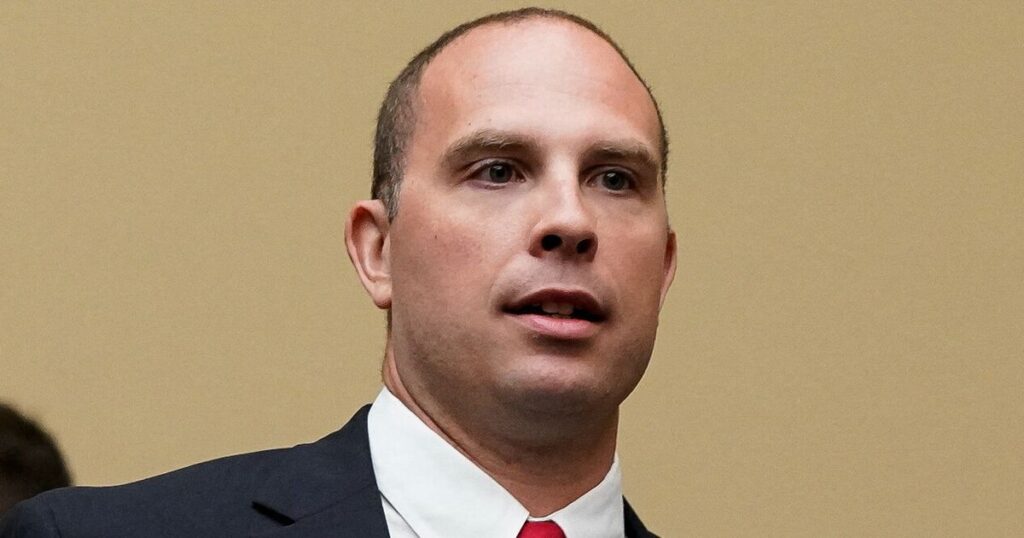
At a House Oversight Subcommittee hearing on Wednesday, witnesses and lawmakers discussed the issue of unidentified aerial phenomena (UAPs or UFOs). Former U.S. intelligence official David Grusch claimed that the government has a long-standing program to retrieve UAPs, while former Navy Commander David Fravor and former Navy pilot Ryan Graves reported their own experiences with UAPs. Lawmakers called for more information from the federal government and urged them to address the stigma surrounding UFO reporting.
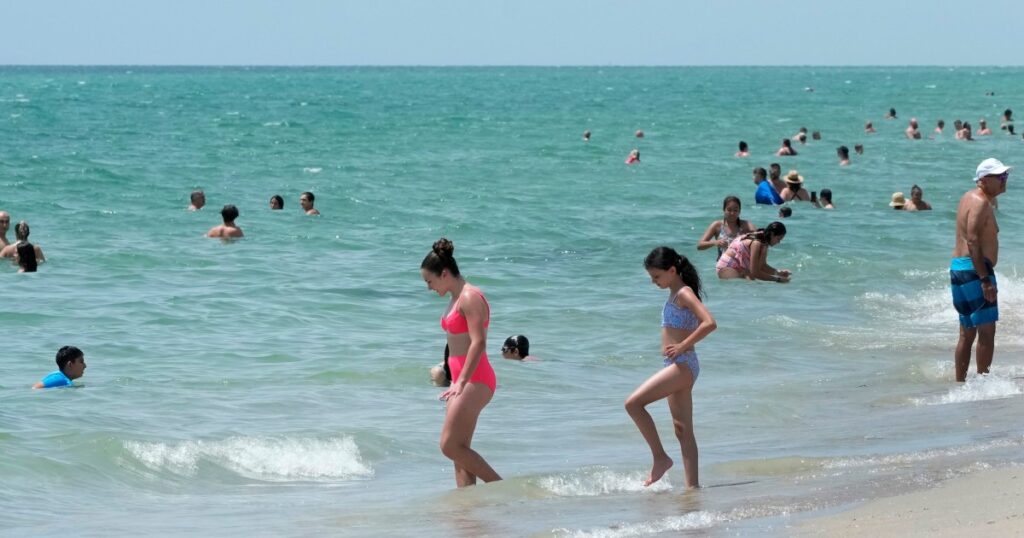
A buoy off South Florida has recorded ocean temperatures of up to 101.1 degrees Fahrenheit, as hot as a hot tub, which is a cause for concern as it could have a negative impact on marine life and the environment. Experts have been tracking the exceptionally warm water temperatures since early July, and surrounding buoys have recorded similarly high temperatures, indicating that the high temperature reading is not an outlier or sensor error. Scientists are now monitoring the situation closely to determine the extent of the damage.
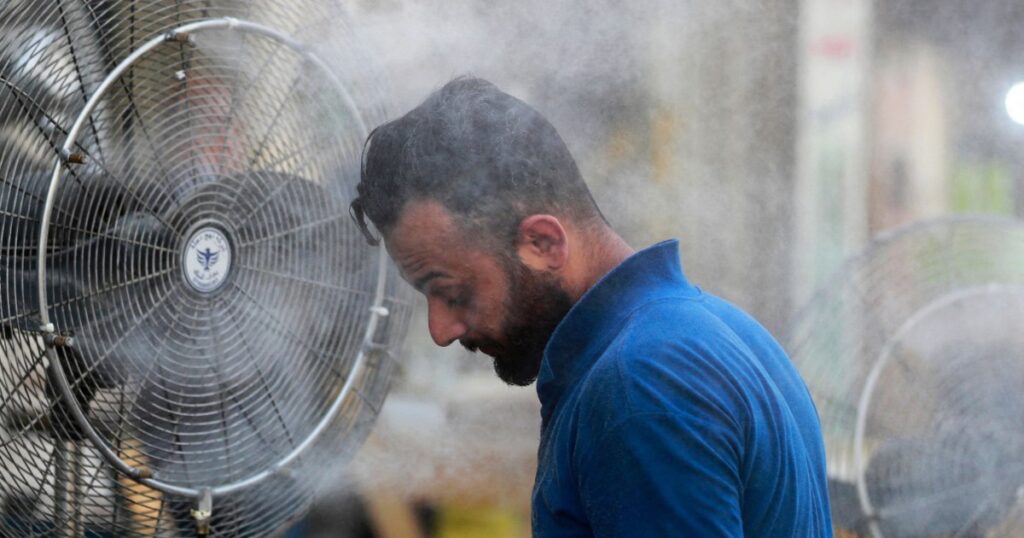
The World Weather Attribution group has published a study showing that climate change has had a significant role in the intense heat waves gripping the globe this month, making the heat wave in China 50 times more likely and the European heat wave 4.5 degrees hotter. Friederike Otto, a climate scientist at Imperial College London, said “The role of climate change is absolutely overwhelming” in producing all three extremes. This research is an important step in understanding the effects of climate change and highlights the need to reduce emissions of heat-trapping gases.