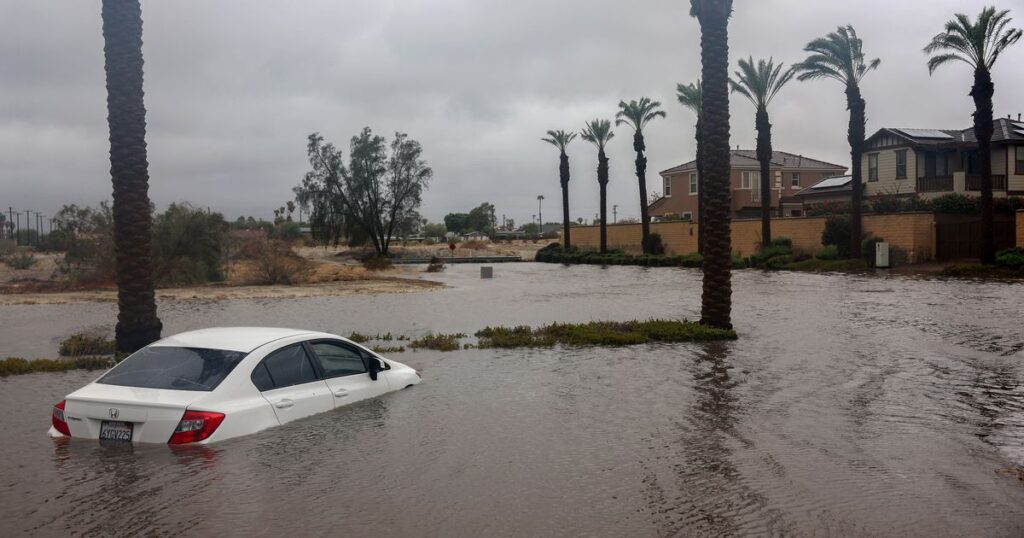
Tropical Storm Hilary has been downgraded to a post-tropical cyclone, but is still causing life-threatening flooding and debris flows in the Southwestern United States. Record-breaking rainfall in Palm Springs, California, caused a wall of mud to surge through Sheep Canyon, and localized flooding impacts are expected to continue into Tuesday morning. The National Hurricane Center is warning people to take caution and be aware of the potential for further flooding and debris flows.
Posts published in “Science”
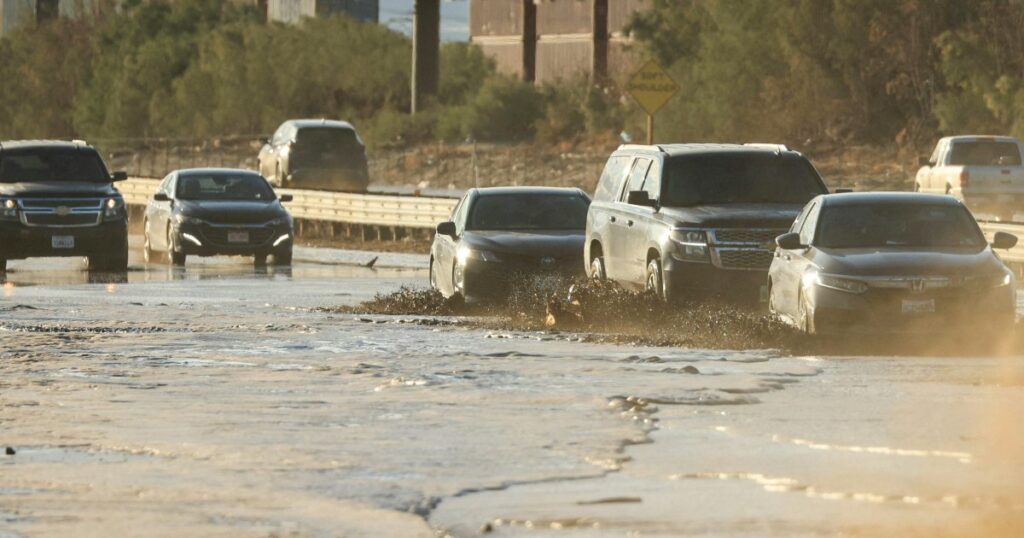
Palm Springs, California experienced record-breaking rainfall and flash floods due to Tropical Storm Hilary on Sunday, with 3.18 inches of rain recorded - more than half of the average yearly rainfall for the city. The National Weather Service has issued a warning to residents to avoid flooded roads and be aware of the potential for mudslides and other dangerous conditions.
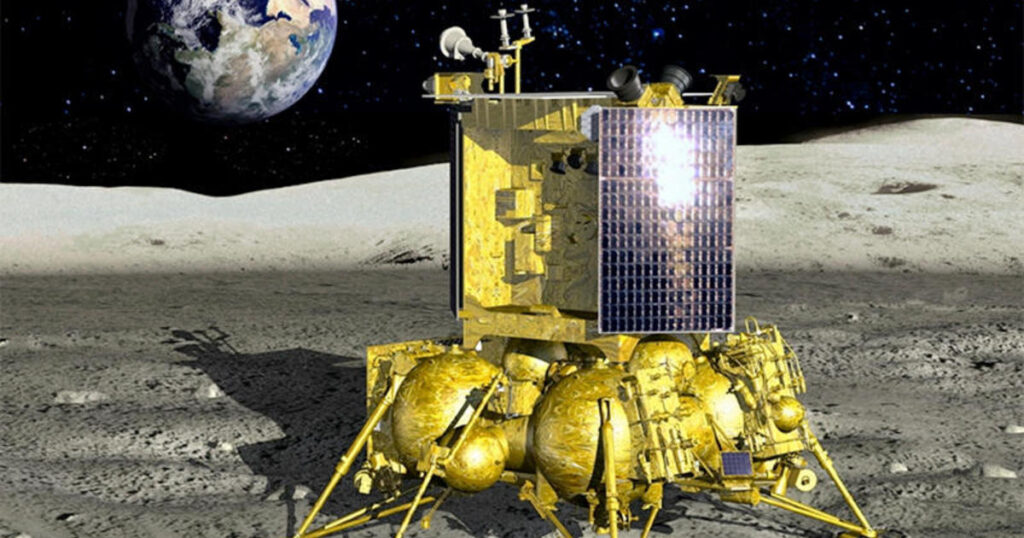
Russia's Luna-25 spacecraft crashed into the moon on Saturday after a thruster firing went awry, according to the Russian space agency Roscosmos. The spacecraft spun into an uncontrolled orbit and eventually collided with the lunar surface, resulting in the loss of contact with the Luna-25. Despite the setback, Roscosmos remains committed to its lunar exploration program and will continue to work towards its goals.
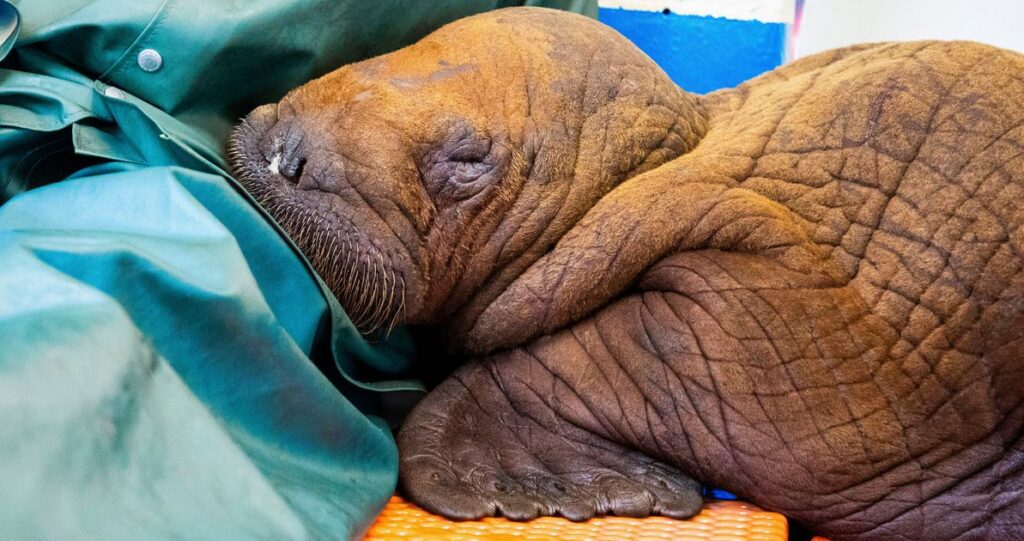
A Pacific walrus calf was found lost and alone near the Beaufort Sea and taken to the Alaska SeaLife Center for treatment. Despite the best efforts of the staff, the calf passed away on Friday. The loss of the calf is a reminder of the fragility of life and the importance of conservation and protection of the marine environment, which the Alaska SeaLife Center is dedicated to.

Russia and India have launched lunar missions, with Russia's Luna-25 craft taking off from the Vostochny spaceport on Friday. The spacecraft is expected to reach the moon's vicinity in 5.5 days and is part of a larger effort by both countries to explore the moon. India is planning its own mission in 2022, while Russia is aiming to establish a permanent base on the moon by 2040.
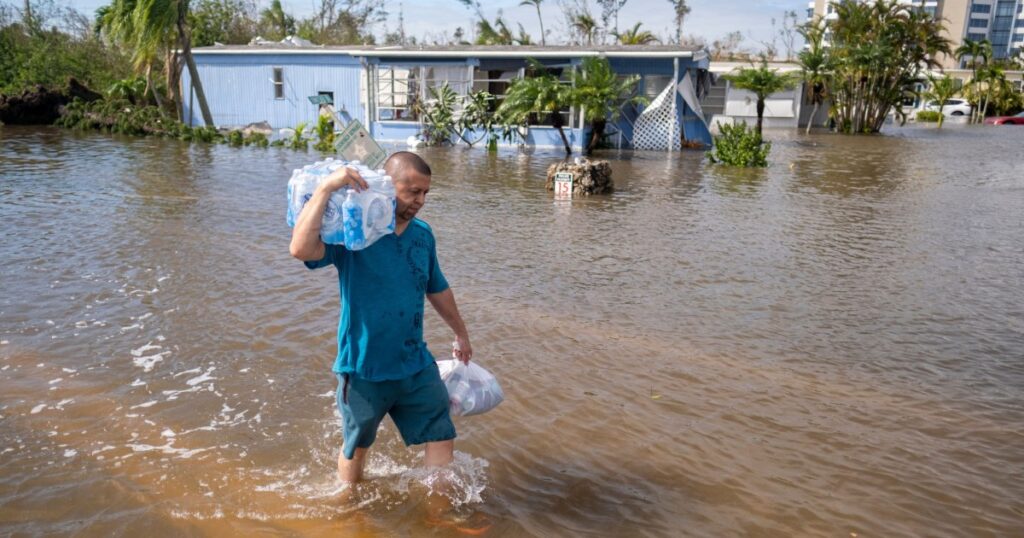
NOAA has released an updated outlook for the Atlantic hurricane season, predicting an “above normal” season with 14 to 21 named storms and six to 11 hurricanes, including two to five major hurricanes. This is an increase from the initial outlook, which predicted a 40% chance of a “near-normal” season. NOAA urges coastal residents to remain prepared and take necessary precautions to protect themselves and their property. The Atlantic hurricane season runs from June 1 to November 30.

Key takeaways: The launch of the VSS Unity marks the first time a mother and daughter have flown in space together, and the first time…
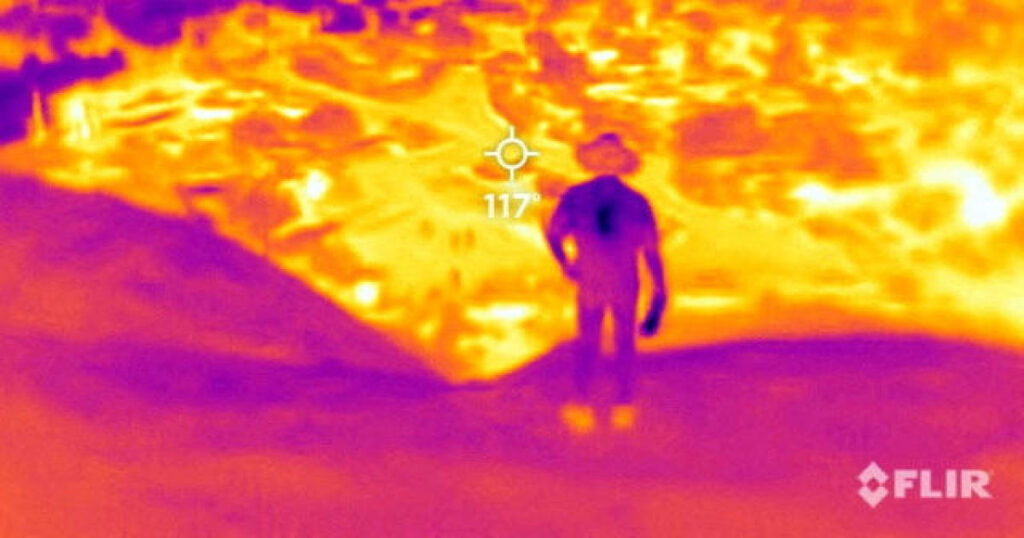
In July 2023, the Copernicus Climate Change Service announced that the global average temperature was 16.95 degrees Celsius (62.51 degrees Fahrenheit), a third of a degree Celsius higher than the previous record set in 2019. This record-breaking heat has had devastating consequences for both people and the planet, prompting the organization to call for urgent action to reduce emissions and build resilience to climate change.