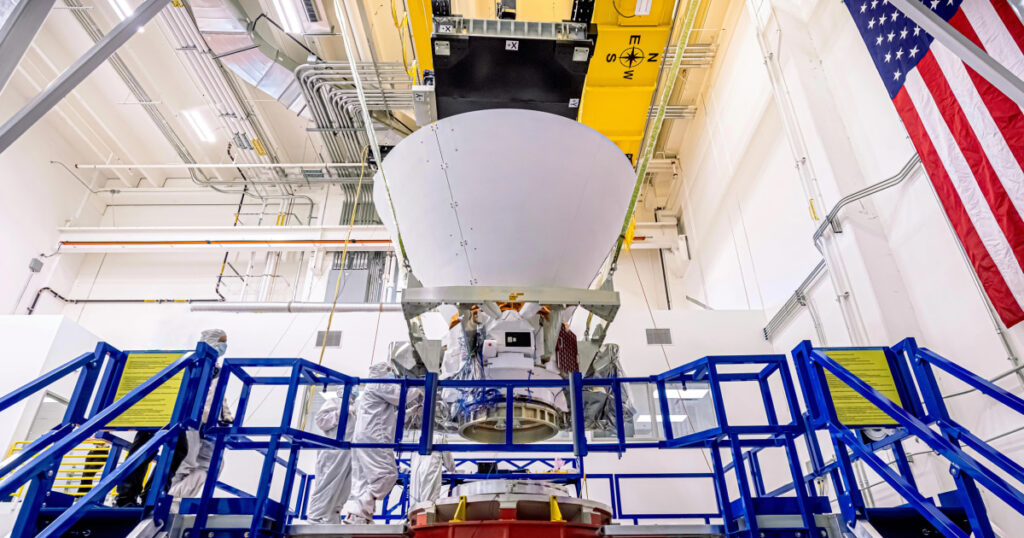
NASA has successfully launched the SPHEREx mission, a $488 million initiative designed to map the entire celestial sky and study hundreds of millions of galaxies to gain insights into the universe's formation and evolution. The launch, executed from Vandenberg Space Force Base using a SpaceX Falcon 9 rocket, faced delays due to assessments of the rocket and unfavorable weather conditions. SPHEREx will not only explore the rapid expansion of the universe and cosmic evolution but also investigate the Milky Way for water and life-sustaining elements in the icy clouds between stars, enhancing our understanding of conditions necessary for life and new planetary system formation.
Posts published in “Science”
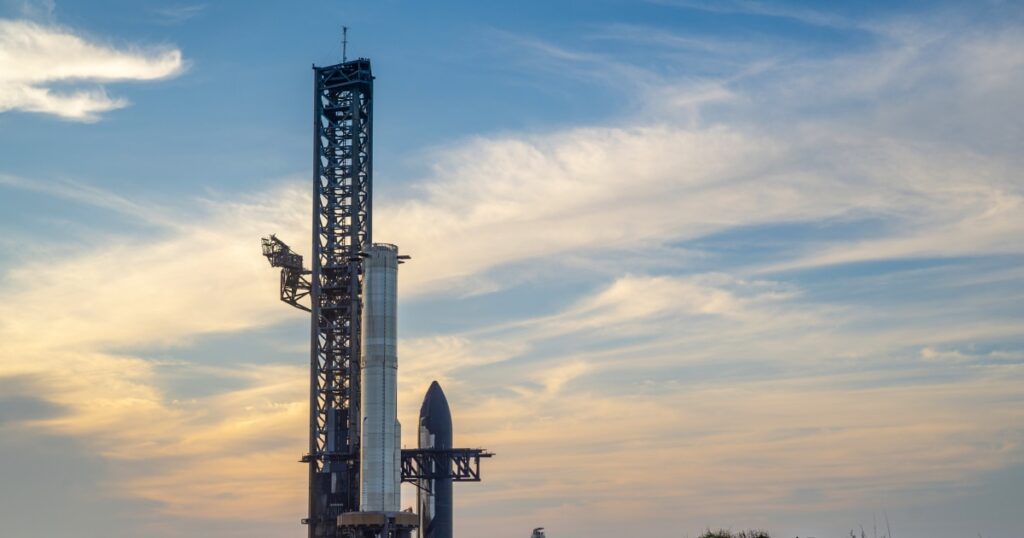
SpaceX's eighth test flight of its Starship rocket, launched from the Starbase site in Texas, ended in failure as multiple upper-stage engines shut down unexpectedly, causing the rocket to break apart mid-air. This incident marks the second consecutive failure of the Starship's upper stage, a crucial component for NASA's lunar missions, echoing a similar issue from a January test flight. Despite the setback, SpaceX remains optimistic and committed to refining the Starship's design, with plans to return to the launch pad soon to continue their ambitious space exploration goals.
Intuitive Machines' Athena lunar lander is set to land near the moon's south pole, marking the second U.S. privately built spacecraft to attempt a lunar landing within a week. Equipped with advanced instruments, the Athena lander will explore the lunar environment, deploy a small rover, and test experimental communications equipment, contributing to NASA's Artemis program objectives. If successful, Athena's landing will highlight the rapid advancements in commercial space exploration, following a recent successful landing by Firefly Aerospace's robotic lander.
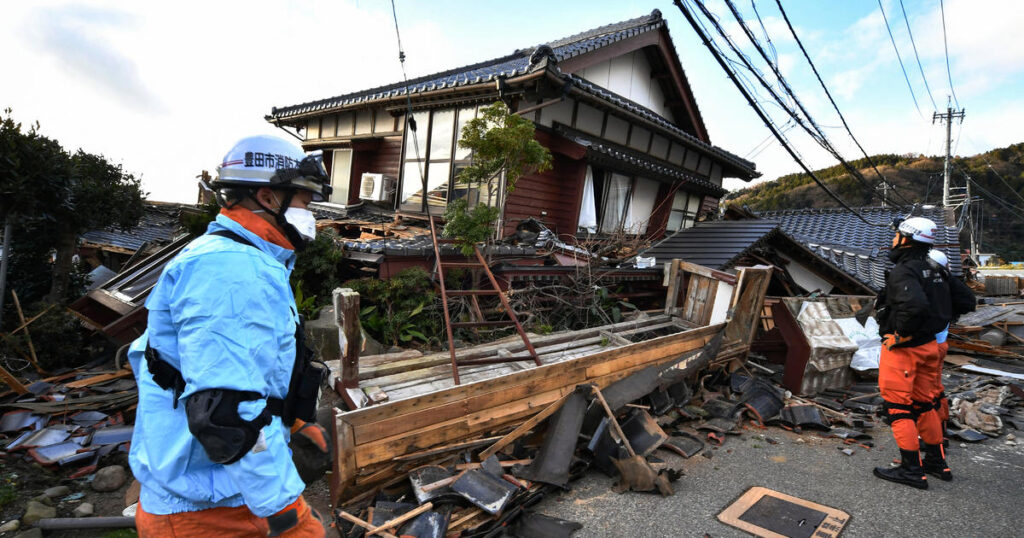
On Monday, a series of powerful earthquakes hit western Japan, leaving at least 48 people dead and damaging thousands of buildings, vehicles and boats. The Japanese government has mobilized the Self-Defense Forces to assist in rescue operations and provide relief to those affected by the earthquakes, while Prime Minister Yoshihide Suga has pledged to provide support. Photos of the aftermath show the extent of the damage, and authorities are urging people to remain vigilant and follow safety instructions.

This week marks the 50th anniversary of the Endangered Species Act, a landmark law that has helped protect thousands of species in the United States from extinction. Since its passage, the U.S. government has spent roughly $1.2 billion each year on endangered and threatened species, with tens of millions of dollars going towards widely known animals. However, the lack of resources for other species has been a major concern for conservationists, who are calling for increased funding and resources to ensure that all species are given the attention they need to survive.
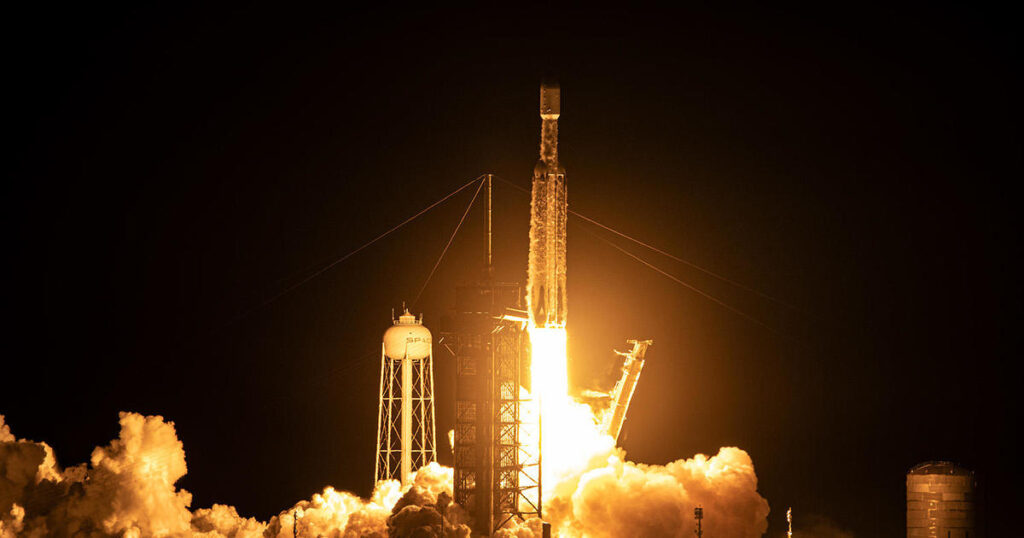
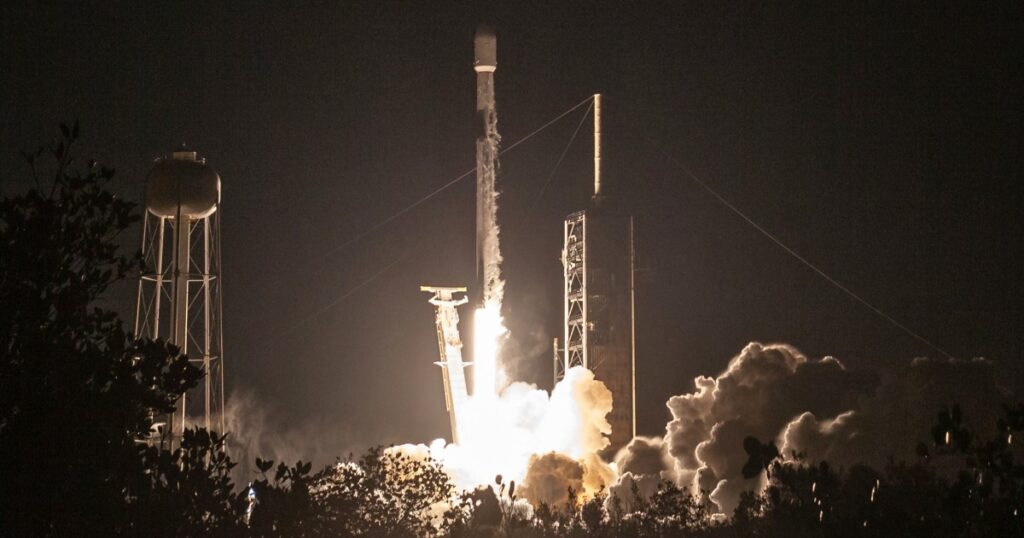
On Tuesday evening, SpaceX launched a powerful Falcon Heavy rocket carrying an unpiloted X-37B spaceplane for a classified mission, as well as a Falcon 9 rocket loaded with 23 Starlink internet satellites. The X-37B is a reusable mini space shuttle used to carry classified experiments, and the Falcon Heavy is the most powerful rocket in operation. This launch marks another milestone for SpaceX in the space exploration industry.
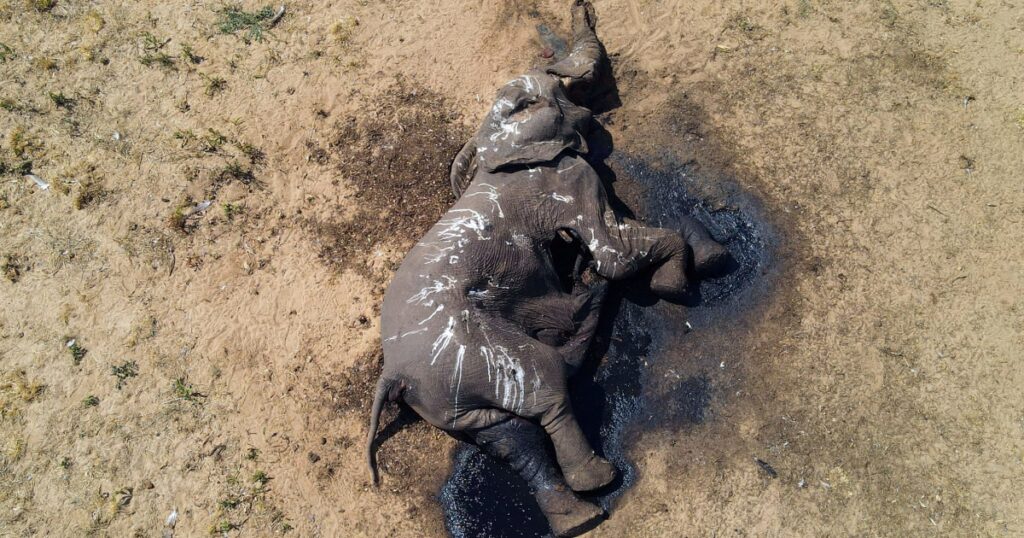
At least 100 elephants have died in Zimbabwe's Hwange National Park due to drought caused by climate change and El Nino, a natural weather phenomenon that warms parts of the Pacific. Conservation groups are urging governments to take action to protect vulnerable species and ecosystems, as El Nino is making an already dire situation worse. Tinashe Farawo, spokesman for the Zimbabwe National Parks and Wildlife Management Authority, said "We must act now to protect our wildlife and ecosystems."
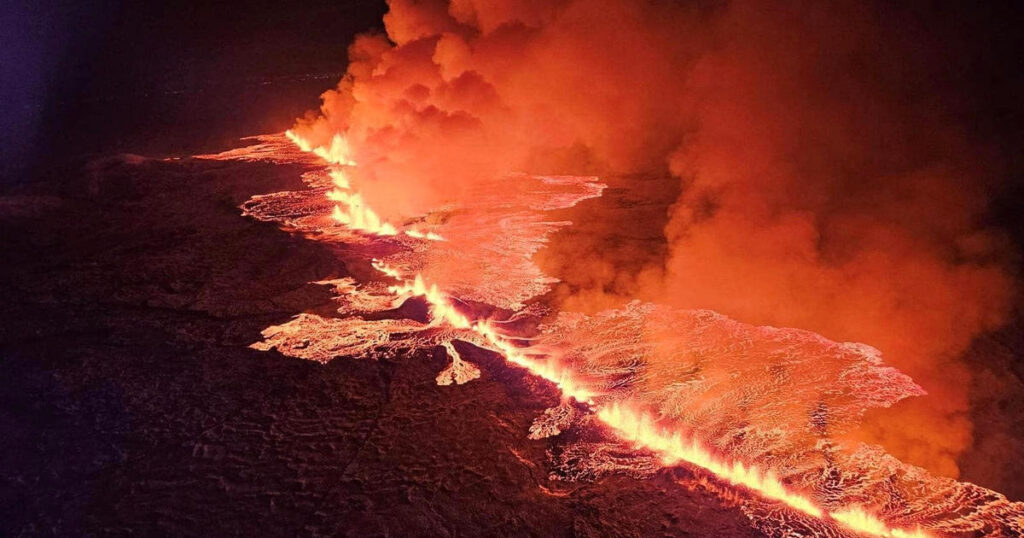
On Monday night, Iceland experienced a volcanic eruption that created a 2½ mile fissure, spewing lava and molten rock 300 feet into the air. The Icelandic Department of Civil Protection and Emergency Management declared a state of emergency and closed tourist spots in the area. Scientists are continuing to monitor the situation and will provide updates as more information becomes available.