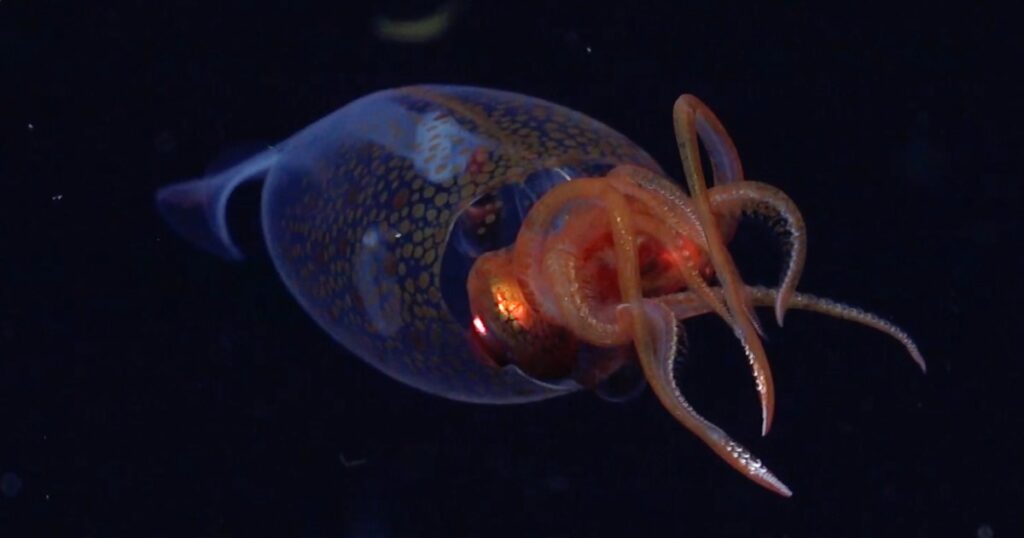
In a historic achievement for marine biology, a colossal squid was filmed and photographed in its natural habitat for the first time, nearly a century after its discovery, by a team aboard the research vessel Falkor near the South Sandwich Islands. Utilizing a remotely operated vehicle named SuBastian, the team captured footage at a depth of 1,968 feet, providing valuable insights into the behavior and habitat of the world's largest squid species. This event highlights the role of modern technology in exploring the ocean's depths and underscores the importance of international collaboration in advancing marine science.
Posts published in “Science”

Education groups have filed a lawsuit against the Department of Energy to prevent the implementation of a new policy that would cap "indirect costs" on federal research grants at 15%, arguing that such cuts could harm scientific research at American universities. The plaintiffs express concerns that the funding reductions could negatively impact the United States' leadership in global innovation, particularly in critical areas like nuclear deterrence and energy development. This legal challenge underscores ongoing tensions over research funding allocation and its implications for universities' educational missions and tax-exempt status.
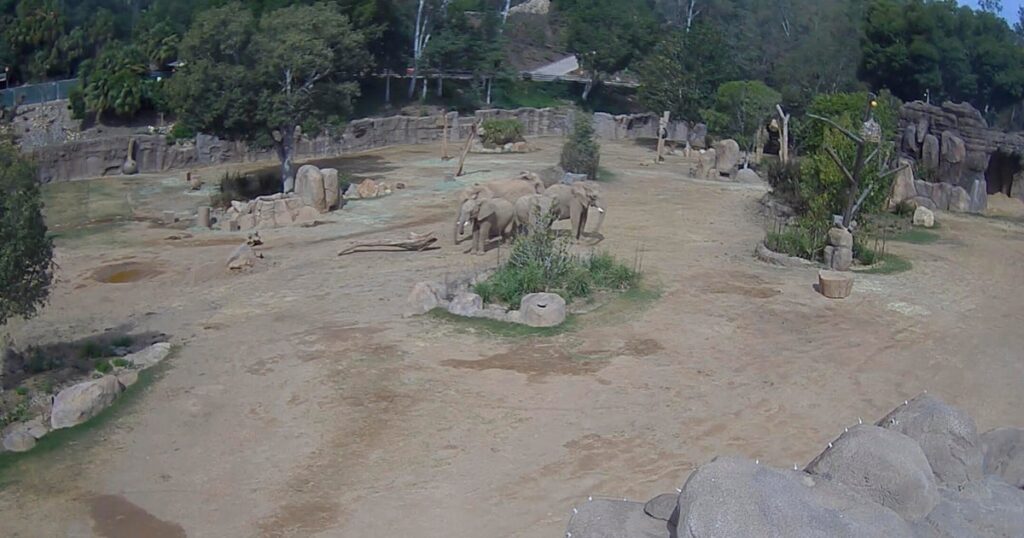
A video from the San Diego Zoo Safari Park captured a herd of African elephants instinctively reacting to a 5.2-magnitude earthquake. The older elephants, Ndlula, Umngani, and Khosi, quickly assessed the situation and encircled the younger calves, Zuli and Mkhaya, to protect them. This incident highlights the elephants' natural instincts to safeguard their young and demonstrates their strong sense of family and community.
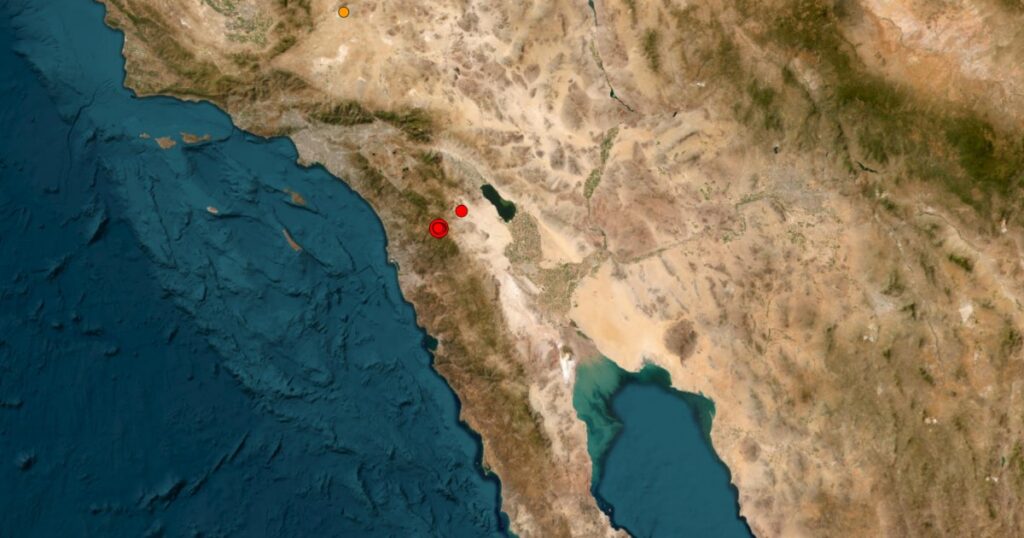
A preliminary 5.2-magnitude earthquake struck near Julian, California, on Monday morning, with the epicenter located just south of the town, and was felt across a wide area including San Diego County and the Inland Empire. The United States Geological Survey reported a series of aftershocks, the strongest being a 3.0-magnitude tremor, occurring in quick succession following the initial quake. Despite the widespread impact of the seismic activity, there have been no immediate reports of significant damage or injuries, and authorities are continuing to monitor the situation.
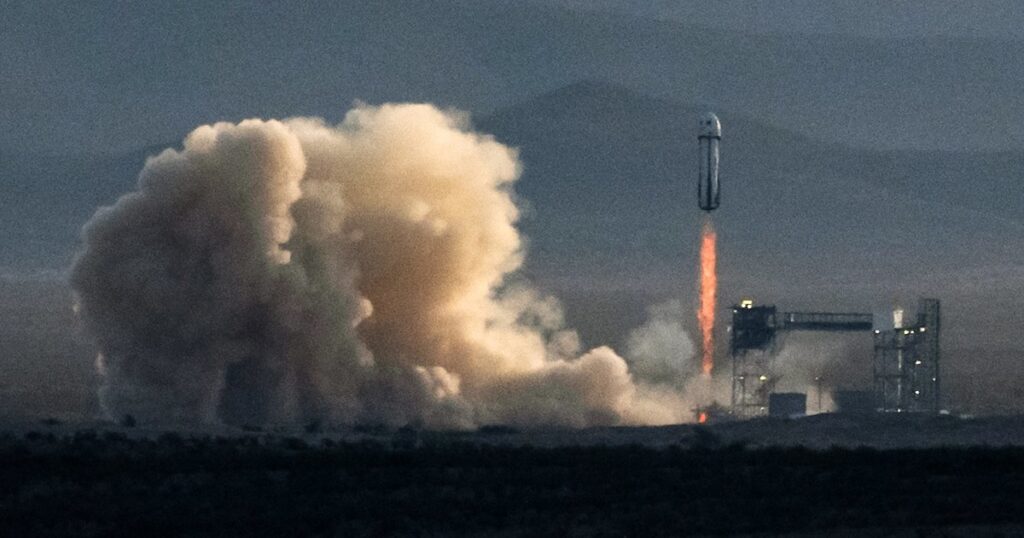
Blue Origin successfully launched its first all-women flight crew, taking them 62 miles above Earth's surface to the Kármán line, marking a significant milestone in space exploration. The diverse crew included notable figures such as Gayle King, Katy Perry, and Aisha Bowe, highlighting the increasing involvement of women in space travel. This mission underscores Blue Origin's commitment to diversity and aims to inspire future generations of women to pursue careers in STEM fields, making space exploration more inclusive and accessible.

Blue Origin is set to launch its 11th human flight of the New Shepard program with an all-female crew, including pop superstar Katy Perry, marking the first all-female crewed mission since 1963. The diverse crew, featuring notable figures like Gayle King and former NASA scientist Aisha Bowe, highlights the expanding scope of participants in private space travel. Scheduled to launch from Van Horn, Texas, the mission aims to reach the edge of space, offering a brief experience of weightlessness and reflecting Blue Origin's efforts to make space travel more accessible and inspiring.

On Monday, an all-female crew, including pop superstar Katy Perry, is set to embark on a historic journey to the edge of space aboard Blue Origin's New Shepard rocket, marking a significant milestone in space travel. The diverse team, featuring notable figures such as Gayle King, Lauren Sánchez, Aisha Bowe, Amanda Nguyen, and Kerianne Flynn, showcases the varied expertise and accomplishments of women across different fields. This mission underscores the democratization of space travel by private companies like Blue Origin, offering participants a chance to fulfill lifelong dreams and explore new possibilities.
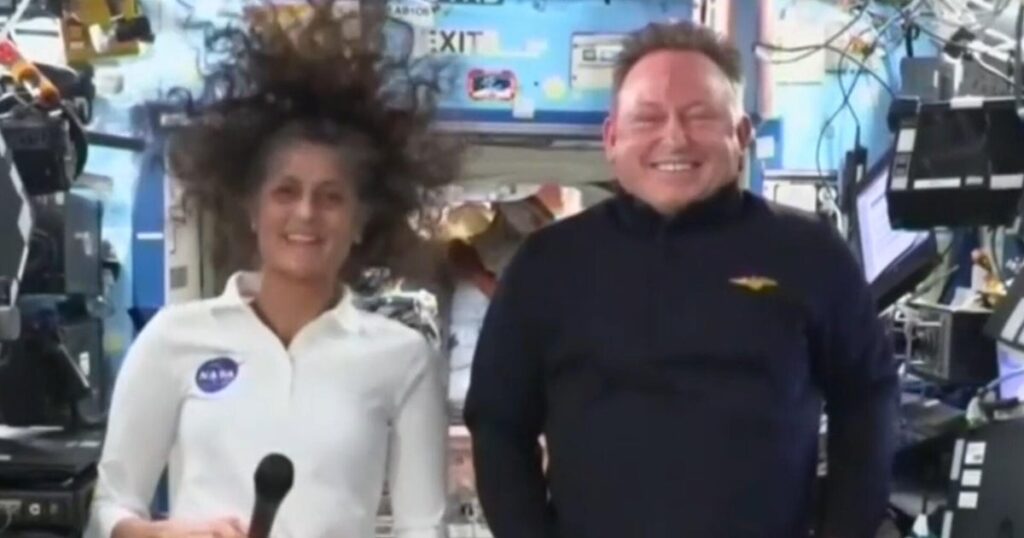
NASA astronauts Butch Wilmore and Sunita Williams discussed their unexpectedly extended mission aboard the International Space Station (ISS) during a news conference, which was prolonged from an eight-day test flight to nine and a half months due to issues with the Boeing Starliner spacecraft. Originally launched in June on the Starliner's first crewed test flight, their mission was extended after complications with the spacecraft's thrusters during docking, leading NASA to keep them on the ISS, drawing significant public attention. Upon their return to Earth on March 18 via a SpaceX Dragon capsule, Williams shared personal reflections on her longing for home and the simple pleasures she missed, while the mission underscored the challenges of the Starliner program and the need for reliable spacecraft in future missions.