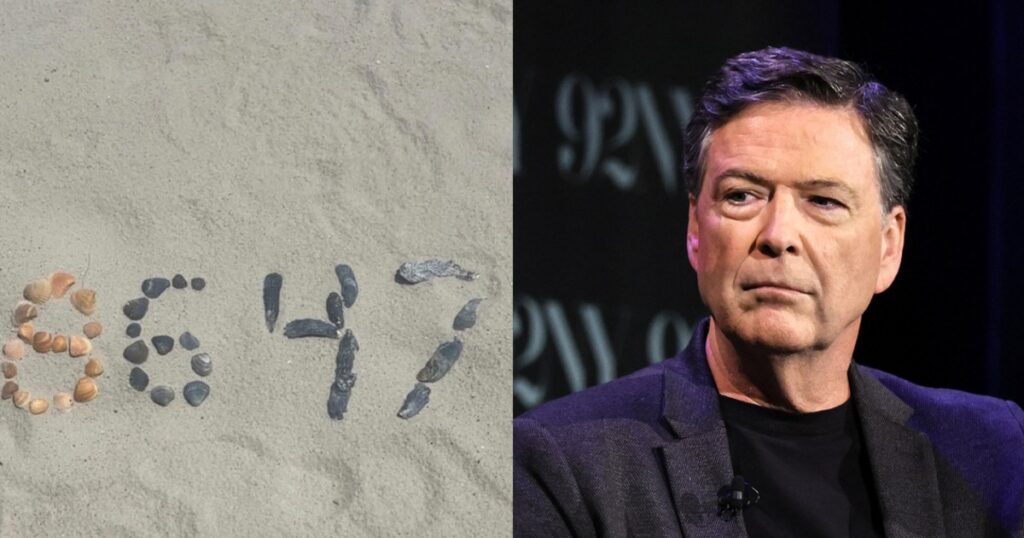
James Comey asked a federal judge to dismiss charges that his “86 47” seashell Instagram post threatened President Trump. His lawyers argue the case targets protected political speech and does not allege a true threat.
Posts published in “Politics”
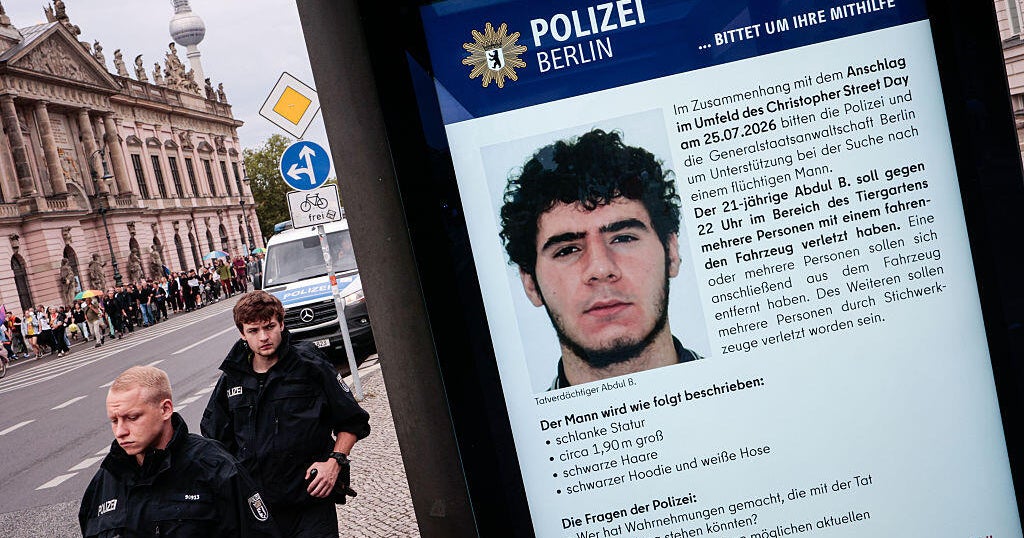
German officials are under pressure to explain why Abdul Ballout, a 21-year-old with prior convictions and documented ISIS ties, was free before the Berlin Pride attack. One Polish woman was killed and at least 29 people were injured.
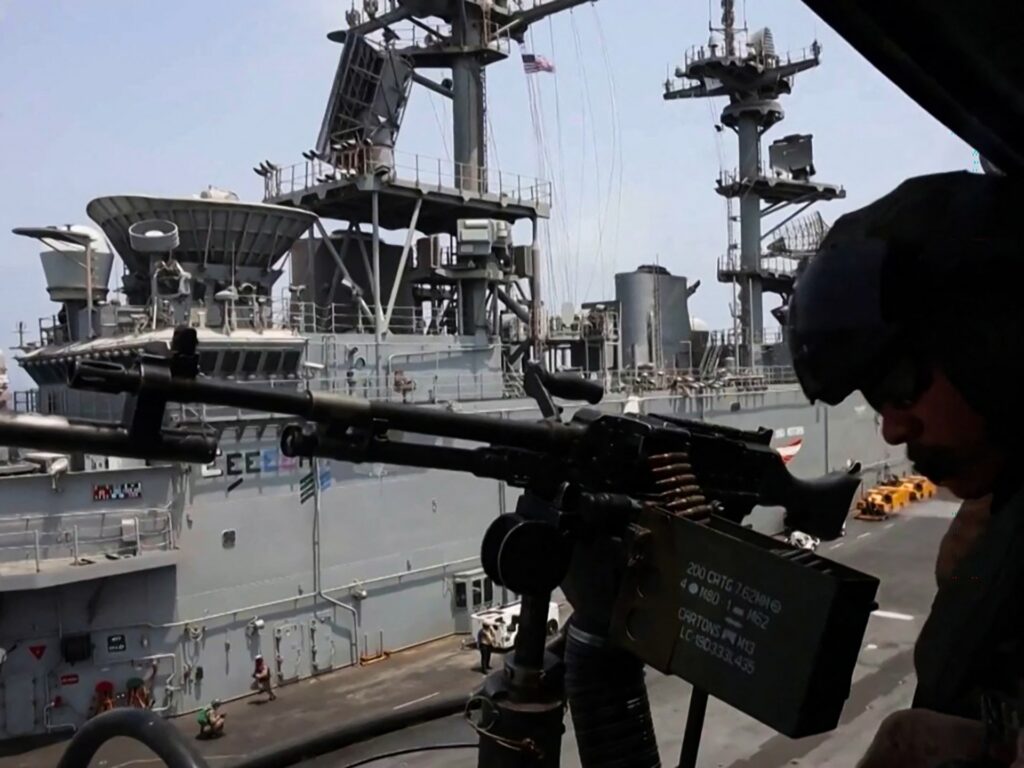
The United States and Iran paused strikes for a second day as Oman-led talks in Tehran sought to manage tensions around the Strait of Hormuz. Both sides warned that military options remain on the table if the other resumes attacks.
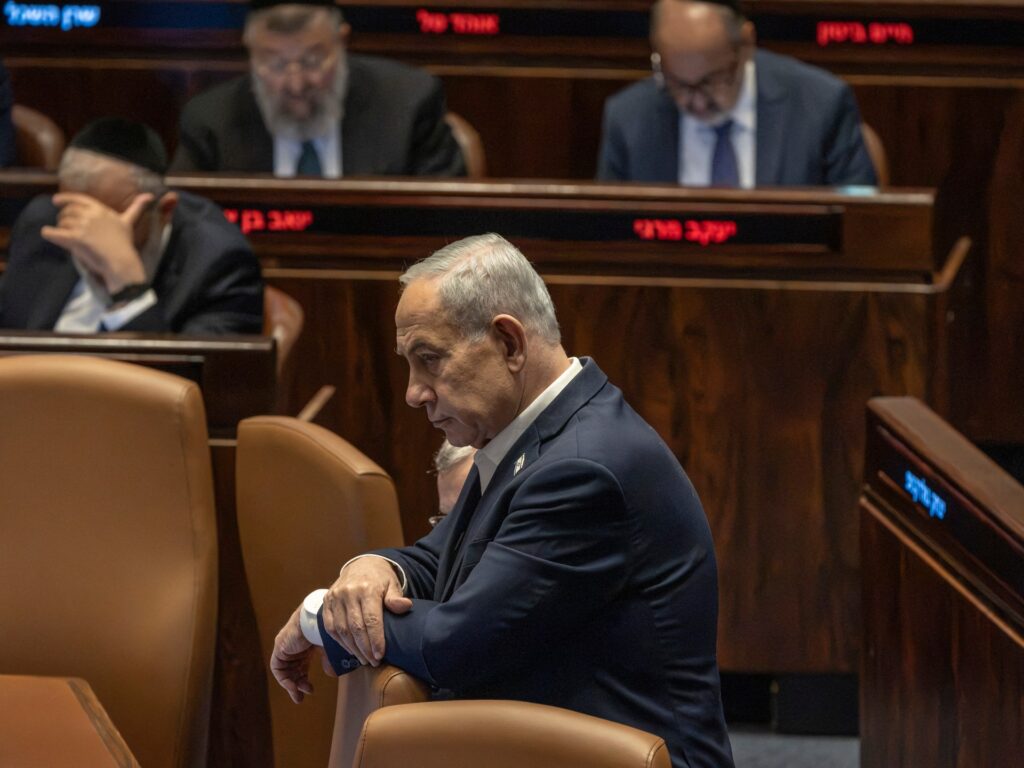
Benjamin Netanyahu said he will travel to New York to address the United Nations despite Mayor Zohran Mamdani’s call for his arrest under an ICC warrant. Netanyahu accused Mamdani of “fomenting hate,” while Mamdani said the Israeli leader is not welcome in the city.
The United States and Iran paused attacks for a second straight day as Oman-mediated talks over the Strait of Hormuz showed signs of progress. U.S., Iranian and regional officials described the pause as a chance for diplomacy, while Israel warned against any renewed Iranian attack.
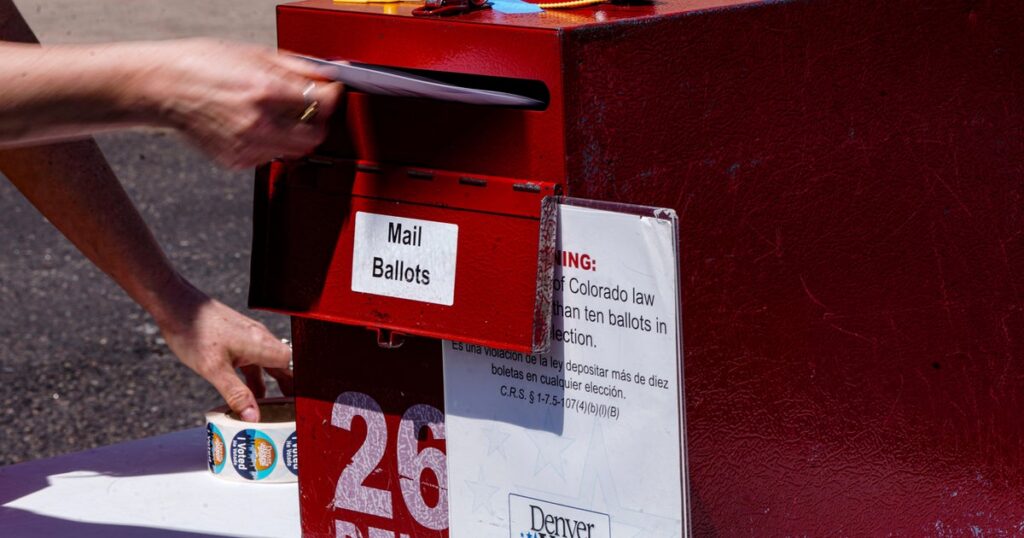
The 1st U.S. Circuit Court of Appeals upheld an injunction blocking key parts of President Donald Trump’s mail-in voting executive order in 23 states. The order sought to create federal voter eligibility lists and restrict mail ballot delivery to approved voters.
Andy Burnham said he would publicly disagree with Donald Trump if Britain’s national interest required it, while declining to say whether he trusted the U.S. president. He also ruled out an early general election and declined to set a date for raising defence spending to 3% of GDP.
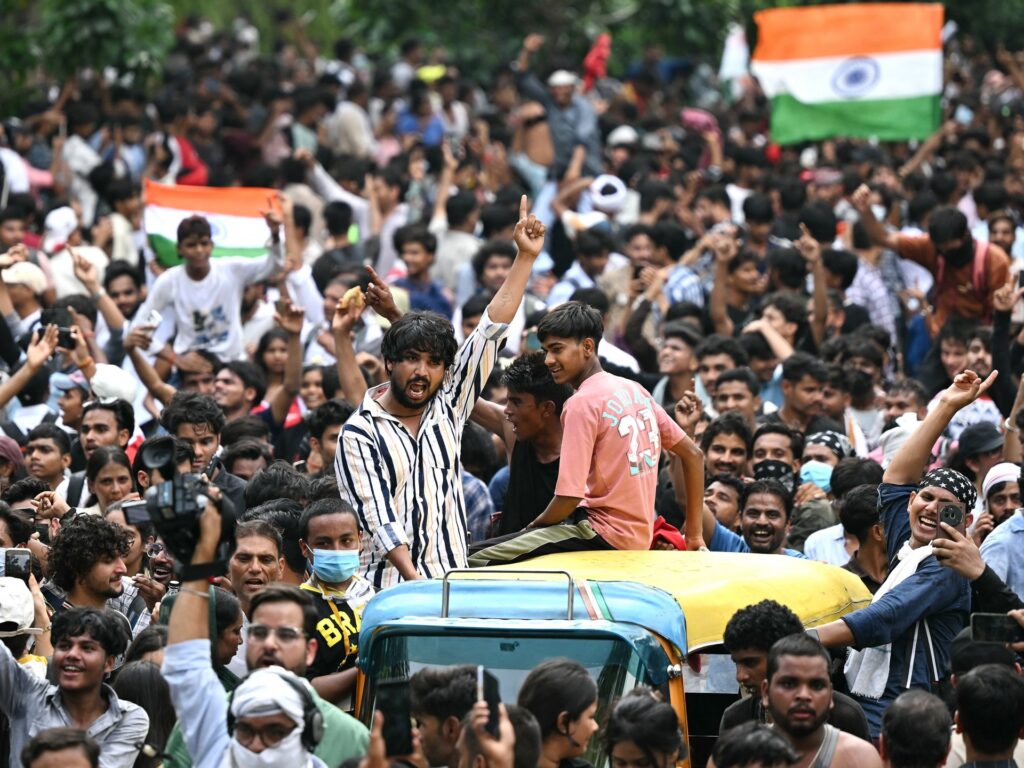
India’s Education Minister Dharmendra Pradhan resigned after weeks of nationwide “Cockroach” protests over alleged examination paper leaks. Protest leaders celebrated the move but said demands for compensation, protections for protesters and police accountability remain unresolved.