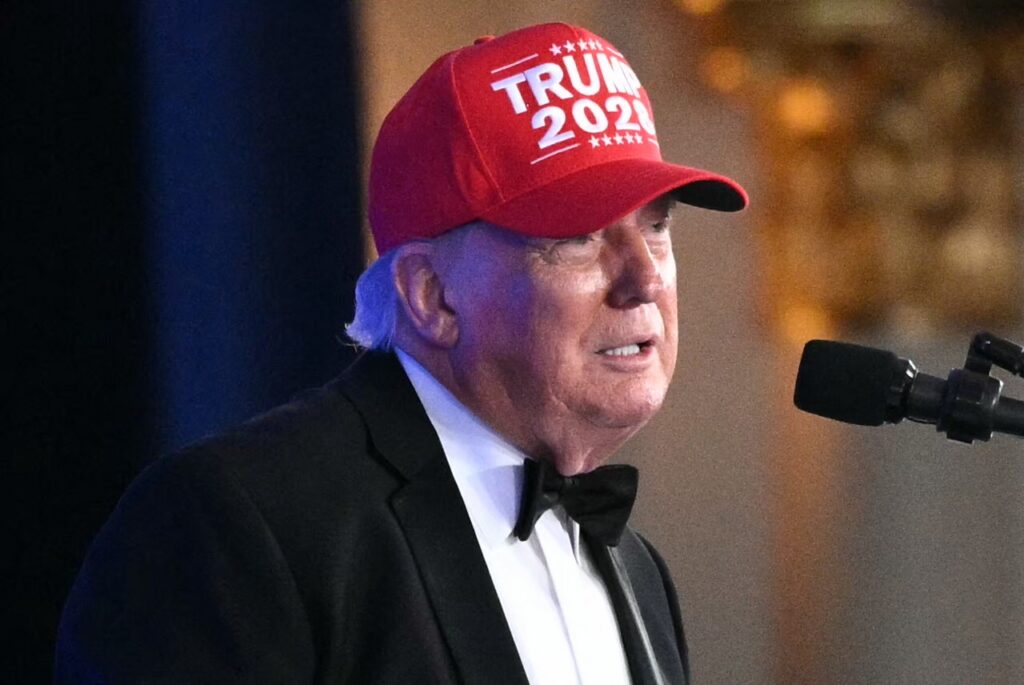
President Donald Trump announced a five-day postponement of planned airstrikes on Iran’s energy infrastructure, citing productive talks aimed at reopening the strategically vital Strait of Hormuz. While Trump claimed progress in negotiations, Iran denied any direct communication and viewed the delay as a tactic to lower energy prices and prepare militarily. The situation remains tense, with global energy prices surging and experts warning that the coming days will be crucial in determining whether diplomacy will de-escalate the conflict or if hostilities will intensify.
Posts published in “Politics”
President Donald Trump postponed his ultimatum for Iran to reopen the Strait of Hormuz, citing ongoing "good and productive" negotiations amid escalating regional tensions and threats of military strikes. Iran denied direct talks with the U.S., accusing Washington of initiating the conflict and dismissing claims of missile attacks, while international markets reacted positively to the delay with rising stock futures and falling oil prices. The conflict has caused significant casualties in Iran, prompted internal crackdowns, and led to cautious diplomatic responses, with U.S. officials defending their hardline stance as necessary to de-escalate the situation.
The U.S. Supreme Court is considering whether states can count mail-in ballots postmarked by Election Day but received afterward, focusing on Mississippi’s law allowing a five-day grace period. The Republican National Committee and others argue that federal law requires ballots to be received by Election Day, while Mississippi officials defend their law under the Constitution’s Elections Clause and warn that invalidating it could affect millions of voters, including military personnel. The ruling, expected before the November midterms, will address the tension between federal election uniformity and states’ authority over mail-in ballot deadlines.
U.S. stock markets surged on Monday after President Donald Trump announced a five-day delay in military strikes on Iranian power plants, easing fears of immediate conflict amid tensions over the Strait of Hormuz. The announcement led to a sharp decline in oil prices, though crude remains significantly higher than pre-conflict levels, contributing to rising gasoline costs in the U.S. Despite the temporary de-escalation, Iranian officials rejected dialogue with Washington, maintaining a tense diplomatic standoff.
The U.S. Senate advanced Senator Markwayne Mullin's nomination for Secretary of Homeland Security with bipartisan support despite controversy during his hearing. Meanwhile, a partial DHS shutdown due to a funding impasse has caused staffing shortages and operational disruptions, particularly at airports, prompting ICE agents to assist TSA officers. The shutdown results from ongoing disputes between Democrats and Republicans over immigration enforcement policies, with bipartisan negotiations ongoing to restore full DHS operations.
U.S. Treasury Secretary Scott Bessent defended recent U.S. military strikes on Iranian infrastructure as necessary escalations to de-escalate tensions, while also explaining the easing of sanctions to release Iranian oil onto global markets as a strategic move against Iran. Iran warned of retaliatory attacks on U.S. and allied infrastructure if its fuel and energy facilities were targeted, though the U.S. has so far avoided directly hitting Iran’s oil infrastructure. Meanwhile, growing political opposition in Congress criticized the administration for lack of authorization, transparency, and a clear strategy, calling for an end to the conflict.
Cuba experienced its second nationwide power outage in less than a week, attributed to the shutdown of a key power plant unit, marking the fourth major blackout in four months amid worsening living conditions and public protests. The Cuban government blames U.S. sanctions and an energy blockade for the crisis, which has disrupted vital oil supplies, particularly from Venezuela, and has prompted humanitarian aid deliveries. Amid escalating tensions and rhetoric of possible U.S. military intervention, Cuban officials emphasize vigilance, sovereignty, and rejection of regime change while hoping for a resumption of fuel supplies.