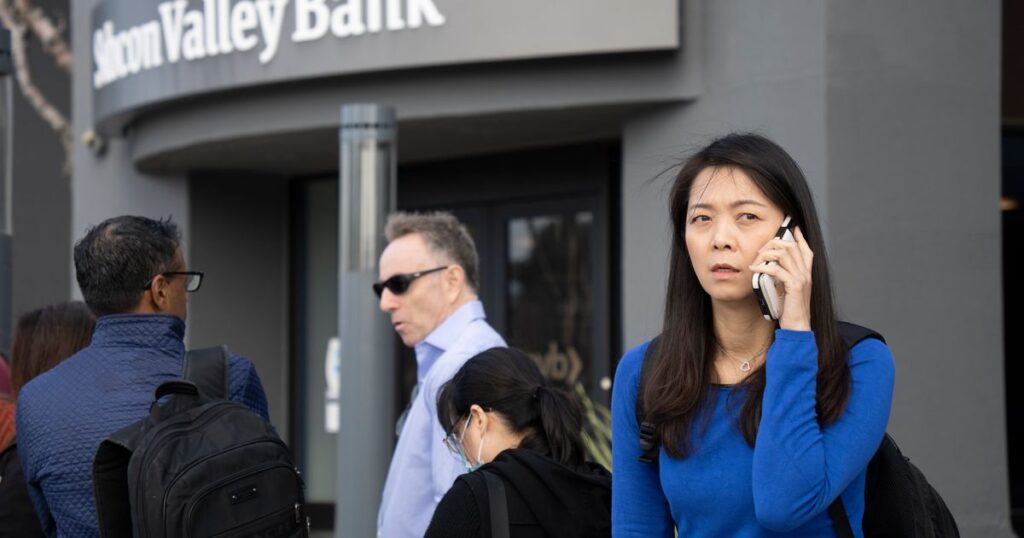
Meanwhile, Republicans and conservative influencers have argued that the collapse of Silicon Valley Bank was due to its focus on diversity, equity and inclusion, but the 2018 repeal of stricter regulations on regional banks and the Federal Reserve's decision to hike interest rates are seen as more likely causes.
Posts published in “Financial”
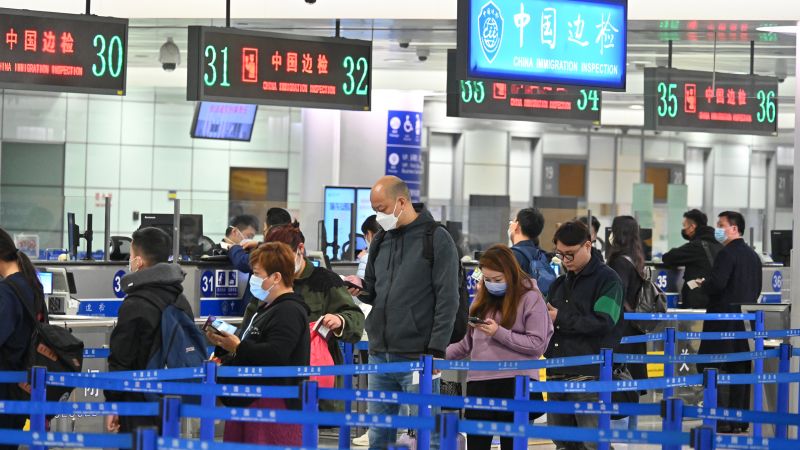
China is reopening its borders to foreign tourists for the first time in three years, allowing travelers with multi-year visas issued before March 28, 2020 to use them. The country has implemented a number of safety measures, including face masks, temperature checks, and contact tracing, as well as a “green channel” for travelers from certain countries. It is hoped that this move will help to revive the country’s tourism industry and boost the economy.
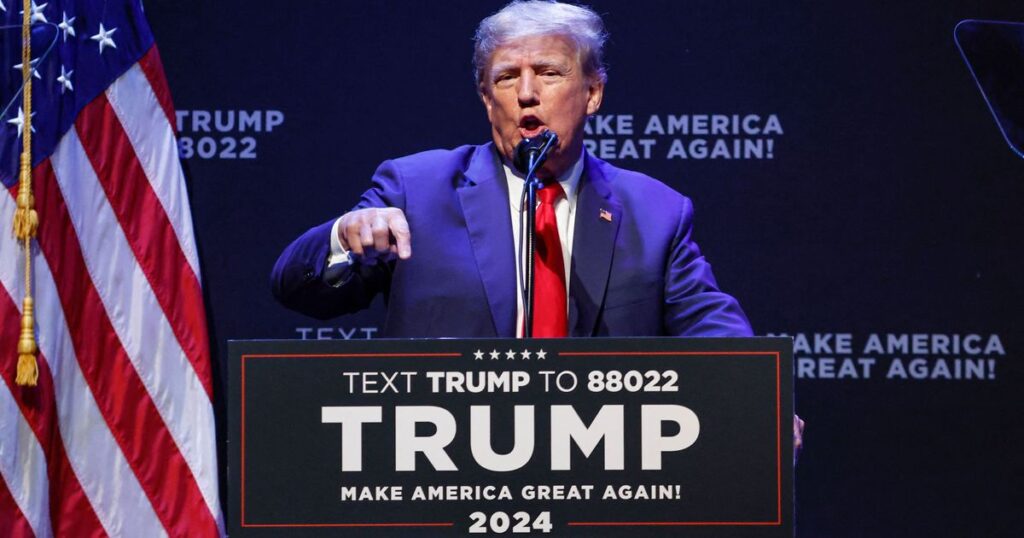
Former President Donald Trump has blamed "wokeness" for the collapse of Silicon Valley Bank, rather than the law he signed in 2018 that gutted the Dodd-Frank federal regulations. This has become a cautionary tale for the future, as the government must be able to respond to a financial crisis without the interference of politics in order to protect the economy.
Thousands of tech CEOs and founders have signed an "urgent" petition calling for relief from the federal government after Silicon Valley Bank's collapse, the second largest in U.S. history. The government has responded by guaranteeing all customers access to their full deposits, providing some much-needed relief. However, the tech industry is still reeling from this "extinction-level event" and its long-term effects remain to be seen.
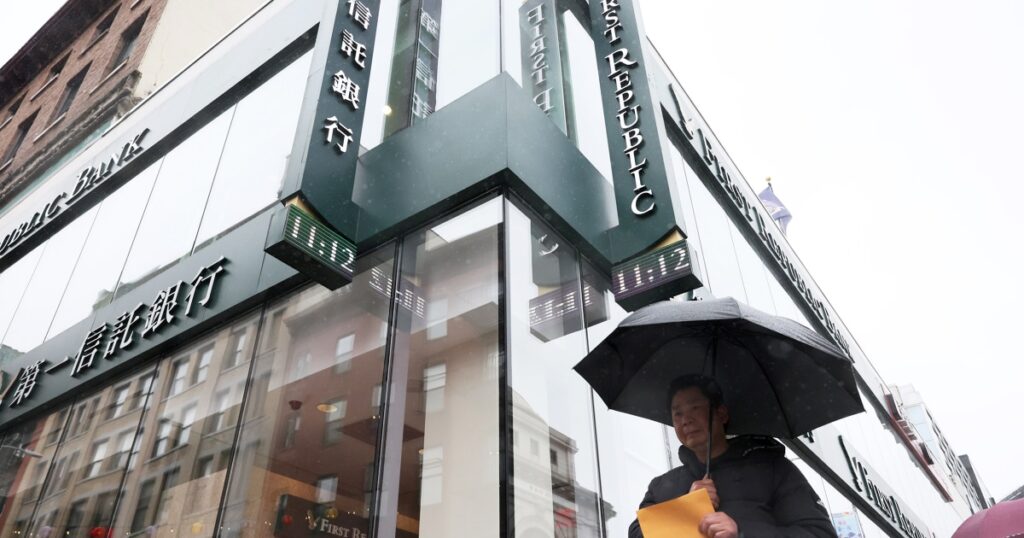
Shares of regional banks in the US slumped on Monday, as investors sold off their stocks in response to the collapse of SVB Financial Group and Signature Bank. This has raised fears of possible bank contagion, despite the additional funding from JPMorgan Chase to help First Republic Bank meet withdrawal demands. SVB catered to tech startups, internet and software companies, as well as firms in the life science and health care space, and had $210 billion in assets.
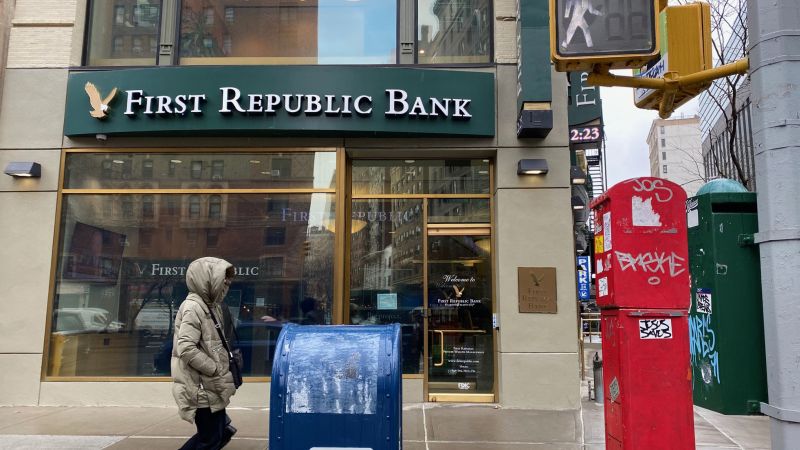
Following the second- and third-largest bank failures in U.S. history, the Biden administration and federal regulators announced emergency measures to backstop customers’ deposits, even those that weren’t insured. Despite the emergency measures, Wall Street’s confidence in regional banks remained shaky, causing the S&P 500, Dow Jones Industrial Average, and Nasdaq composite to dip or rise, respectively. Investors are uncertain about the future of regional banks and are watching to see if the emergency measures will be enough to protect customers’ deposits and stabilize the banking system.
Key takeaways: Signature Bank was one of the largest banks in the United States, and its sudden collapse has caused shockwaves throughout the banking industry.…

The US banking sector is facing uncertainty following the collapse of Signature Bank, the second and third largest bank failure in US history. Investors are worried that a relentless rise in interest rates meant to get inflation under control are approaching a tipping point, and stocks have dropped as a result. The US federal government has stepped in to guarantee customer deposits, but the repercussions of Signature Bank's failure continue to reverberate across global financial markets, causing investors to worry about a potential banking meltdown.